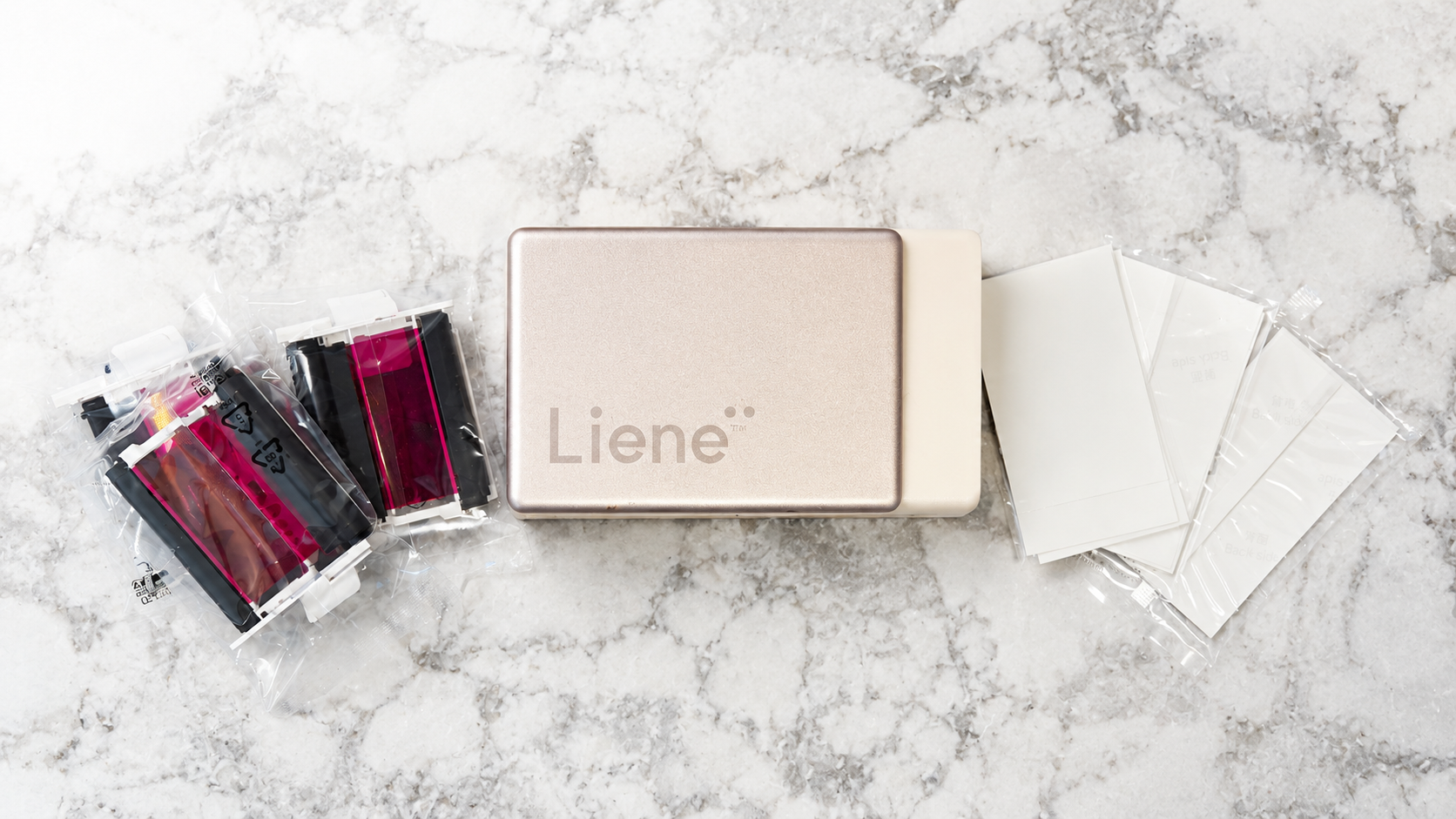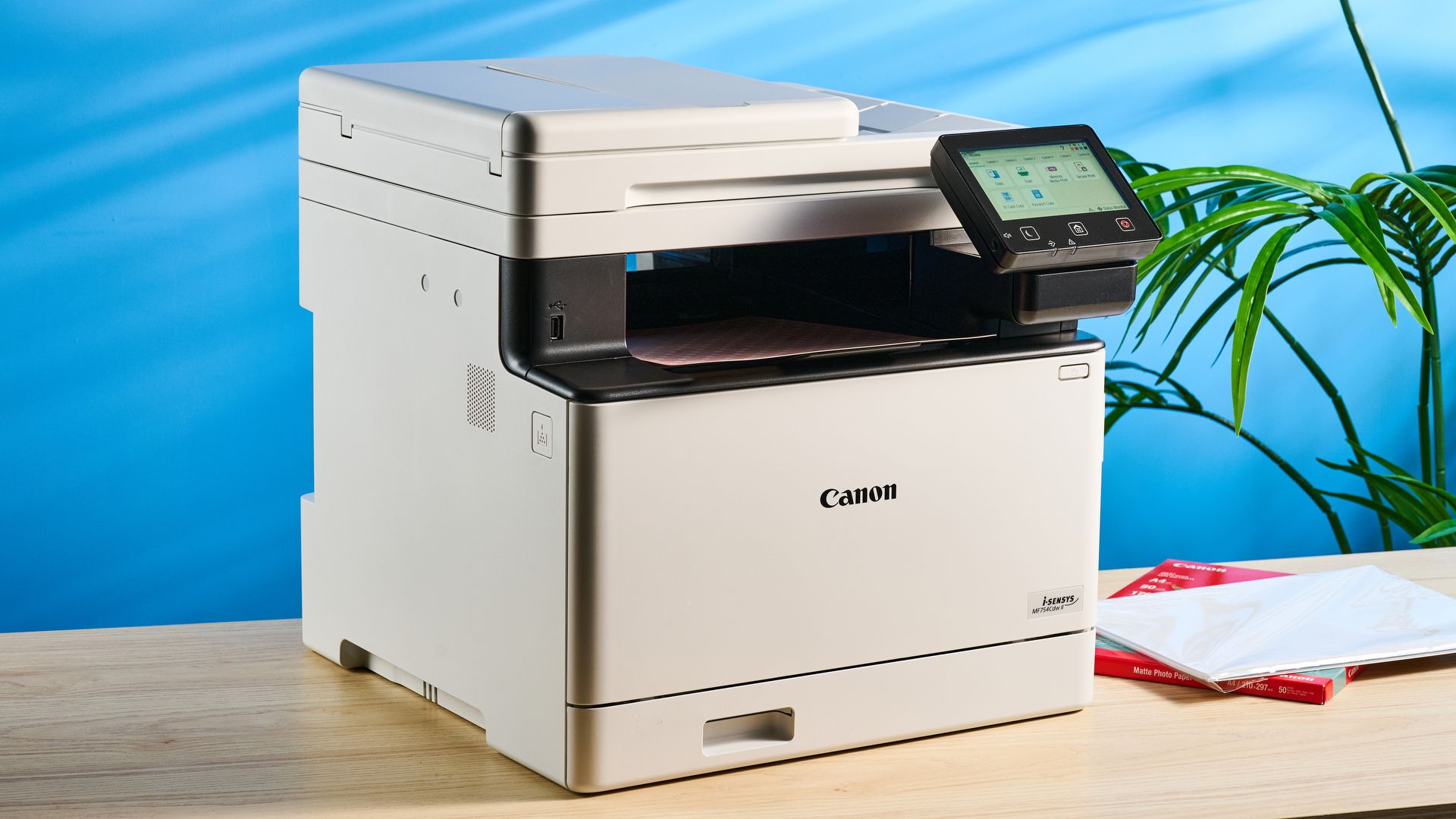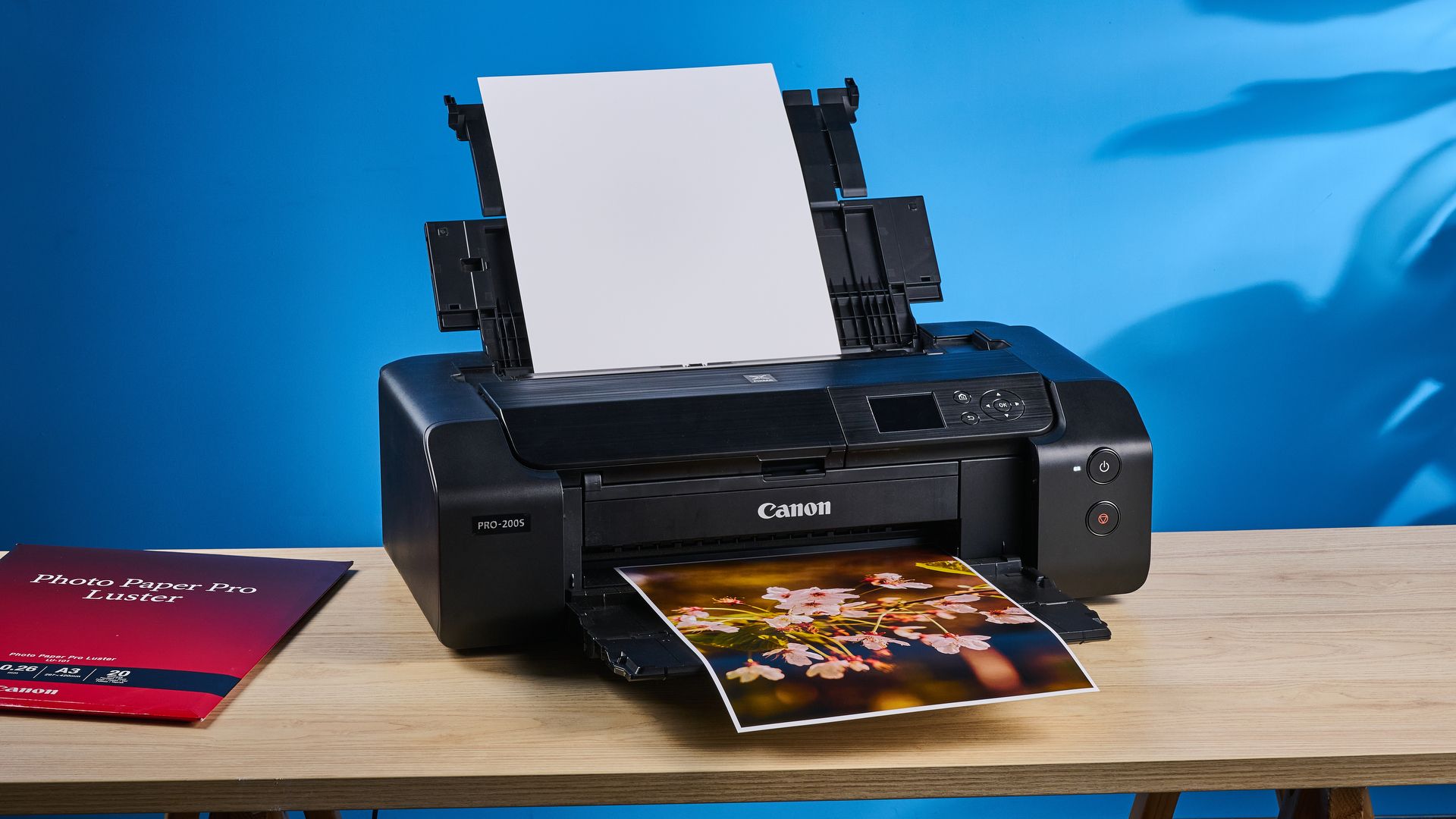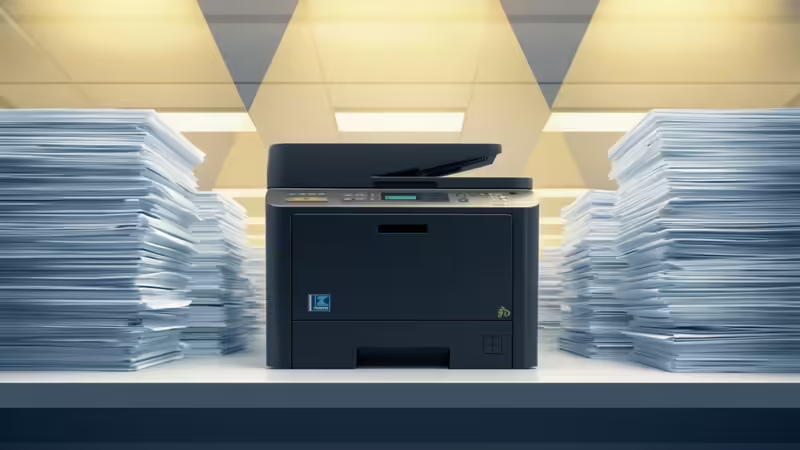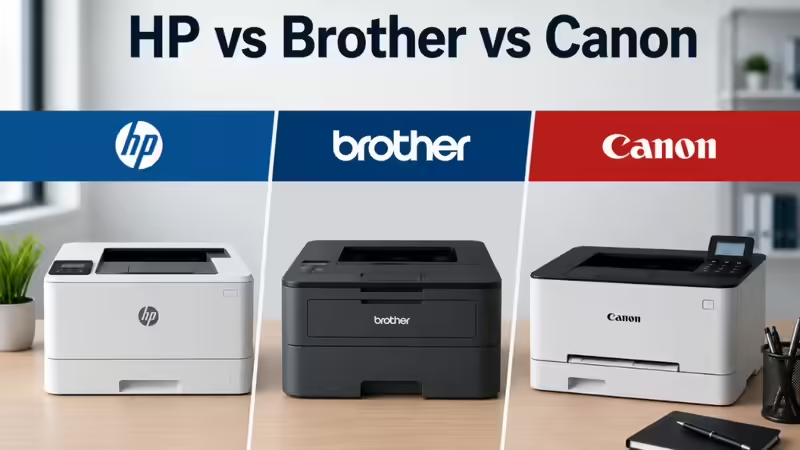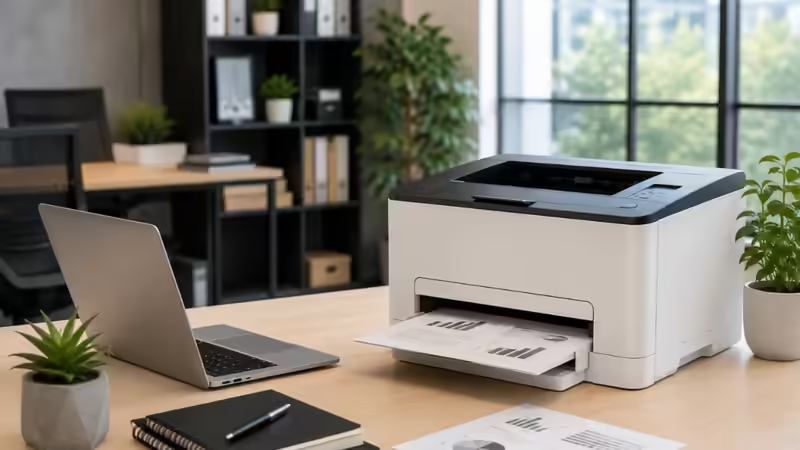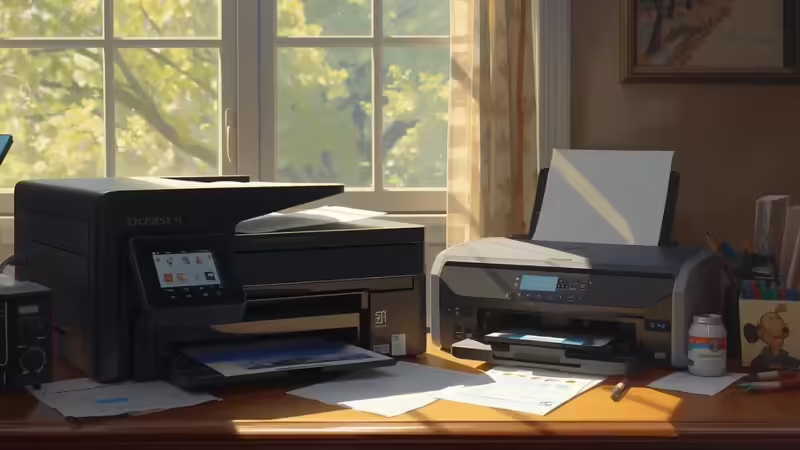
Print endures because some things earn paper. A photo to yellow slowly on a mantel, the first draft of a poem, a contract that has to be signed in ink — these we commit to a page rather than a screen. The printer that makes them is the one purchase most people treat as an afterthought, right up until they stand in front of a wall of laser and inkjet models and realise the two work nothing alike.One promises sharp text and speed. The other gives richer colour and a lower price at the till. Which suits you turns on three things: how much you print, what you print, and what the whole machine costs you over its life rather than on day one. Here is how the two compare, and where they sit in the Indian market right now.Key TakeawaysInkjet wins on photos and a low upfront price; laser wins on text sharpness, speed and running cost at volume.In India, ink-tank (supertank) inkjets have rewritten the maths — running costs as low as Rs 0.09 to Rs 0.20 per black page undercut the old cartridge penalty.Laser suits home offices, heavy document printing and machines that sit idle for weeks; inkjet suits families, photos and occasional use.Ink-tank shipments hit a five-year high in India in 2026, the fastest-growing printer category in the country.The right pick is the one you will print the most on, rather than the most expensive one on the shelf.When an inkjet printer is the right callAn inkjet at work is a liquid dance. A carriage buzzes back and forth across the page, spraying microscopic droplets of ink through hundreds of tiny nozzles in real time. The ink carries texture and colour because it mixes with the fibres of the paper itself, which is why it reads the gradations of a face or a drawing so well. Pull a fresh photo print from the tray, and it feels dense, loaded, alive.Liquid comes with a catch. Leave an inkjet idle too long, and the ink dries, clogging the channels meant to feed it. The machine asks for care and regular use, and on cartridge models, that care can run expensive. Ink-tank models, which dominate India now, soften that problem with far larger reservoirs and far lower cost per page — more on that below.When a laser printer is the right call No wet ink here. A static charge pulls a fine powder — toner — onto a drum, steered by the silent blink of a laser, and a pair of heated rollers melts that powder straight into the paper. If the inkjet is a painter, the laser is a printing press from the near future. It lays down text with an architectural crispness liquid ink rarely matches: letter edges sharp, uncompromising, smudge-proof the moment they reach the tray.The deeper draw is reliability. A laser printer can sit unused for months in the corner of a room, and when you finally need it, it answers with a clean, spatter-free page. For anyone who prints in bursts rather than daily, that alone settles the argument.The core difference, in one lineThe split comes down to how each lays ink on paper. An inkjet sprays tiny droplets of liquid ink; a laser fuses toner powder with heat. Everything else readers care about — speed, running cost, maintenance, output quality — flows from that one mechanical fork.FeatureLaser printerInkjet printerPrinting technologyToner powder and laserLiquid ink cartridges or tanksBest forDocuments and office workPhotos and colour printingPrint speedFasterSlowerRunning costLower at high volumeHigher on cartridges, low on tanksUpfront costUsually higherUsually lowerPhoto qualityGoodExcellentMaintenanceMinimalNeeds regular useText qualityExtremely sharpGood to very goodThe India picture in 2026: ink tanks changed the maths Here is the shift that reframes the whole debate for an Indian buyer. The old rule said inkjets were cheap to buy and brutal to feed, their cartridges sometimes costing more than the printer. Ink-tank printers — Epson's EcoTank, HP's Smart Tank, Canon's MegaTank, Brother's tank range — broke that rule by swapping small cartridges for large refillable reservoirs, and the country has voted with its wallet. India's ink-tank market crossed $1.19 billion in 2025, and shipments hit a five-year high with roughly 20 per cent annual growth, the fastest of any printer category.The reason lies in the cost per page. A modern ink-tank prints a black page for somewhere around Rs 0.09 to Rs 0.20, a fraction of what cartridge inkjets once charged, which closes much of the running-cost gap that used to send heavy users straight to laser. Wi-Fi and automatic duplex now come as standard, even below Rs 20,000.Among the names worth knowing as of mid-2026: the HP Smart Tank 589, Epson EcoTank L3252 and Brother DCP-T535DW lead the sub-Rs 20,000 all-in-one tank segment, with the Epson favoured for colour and photo work and the Brother built for paperwork-heavy offices. On the laser side, the Canon imageCLASS LBP6030W mono laser sits around Rs 11,000 to Rs 13,000, Brother's mono laser all-in-ones land near Rs 18,000 to Rs 23,000, and Canon's MAXIFY business tank machines climb from Rs 30,000 upward for high-volume offices.Segment (India, mid-2026)Representative modelsIndicative priceInk-tank all-in-one (home)HP Smart Tank 589, Epson EcoTank L3252, Brother DCP-T535DWUnder Rs 20,000Entry mono laserCanon imageCLASS LBP6030WRs 11,000–13,000Mono laser all-in-oneBrother DCP-series laserRs 18,000–23,000Business tank / high-volumeCanon MAXIFY GX-seriesRs 30,000+Prices are indicative street figures as of mid-2026 and move with offers; confirm against live listings before you buy.Which printer prints better?The answer bends to what sits on the page. For documents, laser prints cleaner, sharper text — a contract, a report, an invoice, all crisp down to the smallest font. For photos, inkjet takes it without contest, pulling richer colour, truer skin tones and smoother gradients, which is why many professional photographers run dedicated inkjet systems.Print typeWinnerText documentsLaserBusiness reportsLaserColour chartsTieFamily photosInkjetProfessional photographyInkjetSchool projectsInkjetWhich printer costs less to run?Laser printers often claw back their higher sticker price over time. A toner cartridge costs more to replace than an ink cartridge, yet it lasts far longer and prints more pages per rupee, so the cost per page lands lower. Ink-tank inkjets have narrowed that gap sharply in India, but for sustained high-volume mono printing, laser still tends to win the long game.FactorLaserInkjetCartridge or tank lifeHighLower (cartridge) / high (tank)Cost per pageLowerHigher (cartridge) / low (tank)Monthly volume fitHeavy useLight to moderate useLong-term savingsHigher in volumeHigher for occasional useDoes an inkjet really dry out if it sits unused? Yes, and it is the most common inkjet complaint. Leave a cartridge inkjet for weeks or months and the ink can dry and clog the print heads, affecting quality. Some models run automatic cleaning cycles, which work — at the cost of yet more ink. Laser sidesteps the problem entirely, since toner is a dry powder that does not dry out. For anyone who prints in occasional bursts, that single trait often decides it.Printing needBetter choiceOne-page documentEitherLarge reportsLaserBulk invoicesLaserQuick office printingLaserOccasional homeworkInkjetWhich printer is faster?Laser, by a clear margin. Modern laser printers run 25 to 50 pages per minute, where budget inkjets crawl well below that. When a business, school or office needs more than a page here and there, laser is the reflex choice, and the speed is most of why.Are colour laser printers better than inkjets?Sometimes, for the right job. Colour laser excels at presentations, charts, brochures and business graphics, with even colour and quick output. For photos, it stays out of the inkjet's league — laser cannot blend colour the fluid way liquid ink does. So colour laser earns its place where business graphics and productivity lead, and inkjet keeps the photo crown.Which printer lasts longer?Laser printers carry a reputation for endurance, with office-grade machines rated for tens of thousands of pages a year and built from parts that take the punishment. Inkjets can last years, too, though they tend to suit lower volumes. Run heavy workloads, and laser is the safer long-term bet.AspectLaserInkjetHeavy workloadsExcellentModerateLong-term reliabilityHighGoodMaintenance needsLowModeratePrint volume capacityHighLowerIs a laser printer worth the extra money?For many buyers, yes. The higher upfront cost is offset over time by lower running costs and faster, more efficient printing — and the heavier you print, the faster that balance tips. The deciding number is your monthly print volume.Buy a laser printer if you:Print frequentlyRun a business or work from homeNeed fast printingPrint mostly documentsBuy an inkjet printer if you:Print occasionallyNeed photo printingWant vivid colourAre you watching the budget, or print mainly for personal useThe quick verdict by user typeUser typeRecommended printerStudentsInkjet (ink tank)FamiliesInkjet (ink tank)PhotographersInkjetHome-office workersLaserSmall businessesLaserAccountantsLaserTeachersLaserCreative designersInkjetWhich one belongs on your desk?In the end, the choice between the two says something about how you fill your days. The inkjet belongs to the slow lane — the writer on a manuscript, the parent printing a school project, the photographer holding onto one moment in colour. It trades speed for depth and richness of hue.The laser belongs to shared effort and deadline pressure: small offices, home businesses and study desks where ideas pile up fast, the clock is loud, and the clarity of a footnote matters. It runs on for a thousand pristine pages without asking for much in return, and it answers cold after weeks of silence. In India in 2026, the ink-tank inkjet has muscled into ground that once belonged to laser alone, handing occasional and photo users low running costs they never used to get at this price.The most expensive printer is rarely the best one. The best one is the printer you actually print on.Frequently Asked QuestionsWhich is cheaper to run, a laser or an inkjet printer? At high volume, lasers usually cost less per page, since toner lasts longer than a cartridge. In India, though, ink-tank inkjets have closed much of that gap, printing a black page for roughly Rs 0.09 to Rs 0.20 — so for moderate use, a tank inkjet can match or beat a laser on running cost.If I print only once every few weeks, which should I buy? A laser printer. It uses dry toner that does not dry out or clog, so it prints cleanly after weeks of standing idle. A cartridge inkjet left that long can waste ink on cleaning cycles before it gives you a usable page.Can a laser printer produce good photo prints? Not to an inkjet's standard. Colour laser handles brochures, charts and newsletters well, but it cannot blend colour the fluid way liquid ink does. For true photo quality, an inkjet wins clearly.Why does laser text look sharper than inkjet text? Inkjet droplets spread slightly and wick into the paper fibres, leaving faintly soft edges up close. Laser fuses toner exactly where the beam strikes, so edges stay crisp with no smudging or fading.Are ink-tank printers worth it in India in 2026? For most home and small-office buyers, yes. They cost more upfront than cartridge models but run far cheaper per page, and they now ship with Wi-Fi and duplex as standard under Rs 20,000. India's ink-tank shipments hit a five-year high this year for that reason.Which brands lead the Indian printer market? HP, Canon, Epson and Brother dominate across both technologies — Epson and HP strong on ink-tank, Canon and Brother spanning tank and laser, with Brother and Canon well represented in office laser machines.end of article
Laser Printer vs Inkjet Printer In 2026: Which One Should You Buy
On one hand, there's Inkjet, an unpredictable yet intensely emotional artist. The laser printer stands on the other side, unerring, unflagging, scriber. Deciding which of them to use is not simply a matter of costs and benefits, but relates to the most important thing we value in our work.
TL;DRAI
Ink-tank inkjets hit India's five-year high in 2026 (20% growth), per-page cost Rs 0.09–0.20, now competitive with laser TCO. Reshapes office equipment procurement: IT teams can adopt ink-tank systems for document volume without the cartridge cost penalty.
1,864 words~8 min read