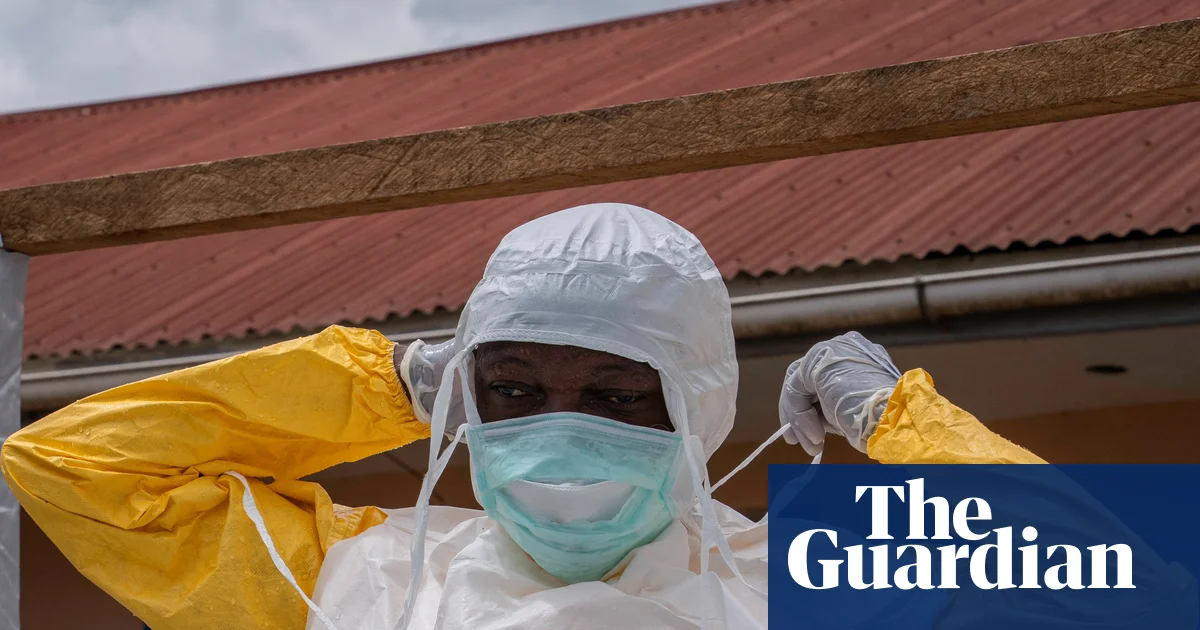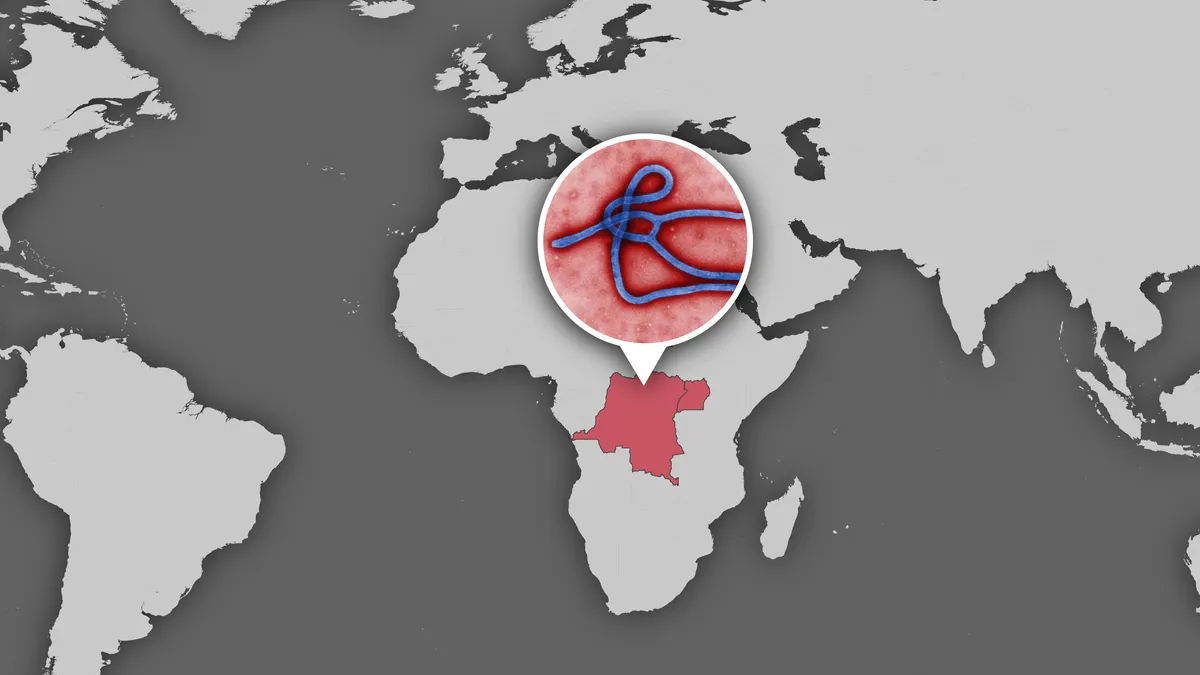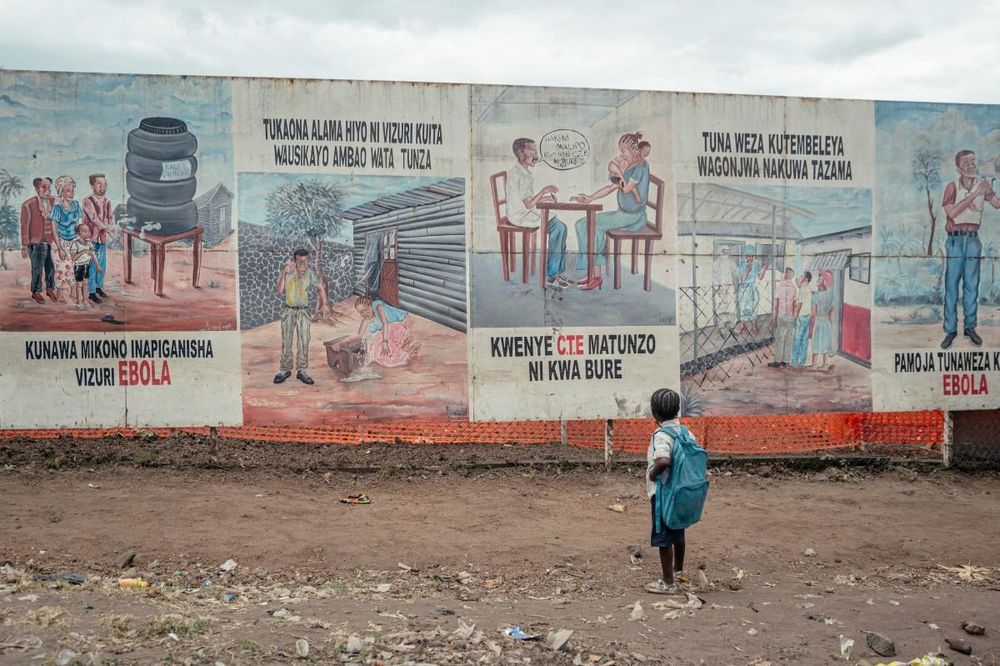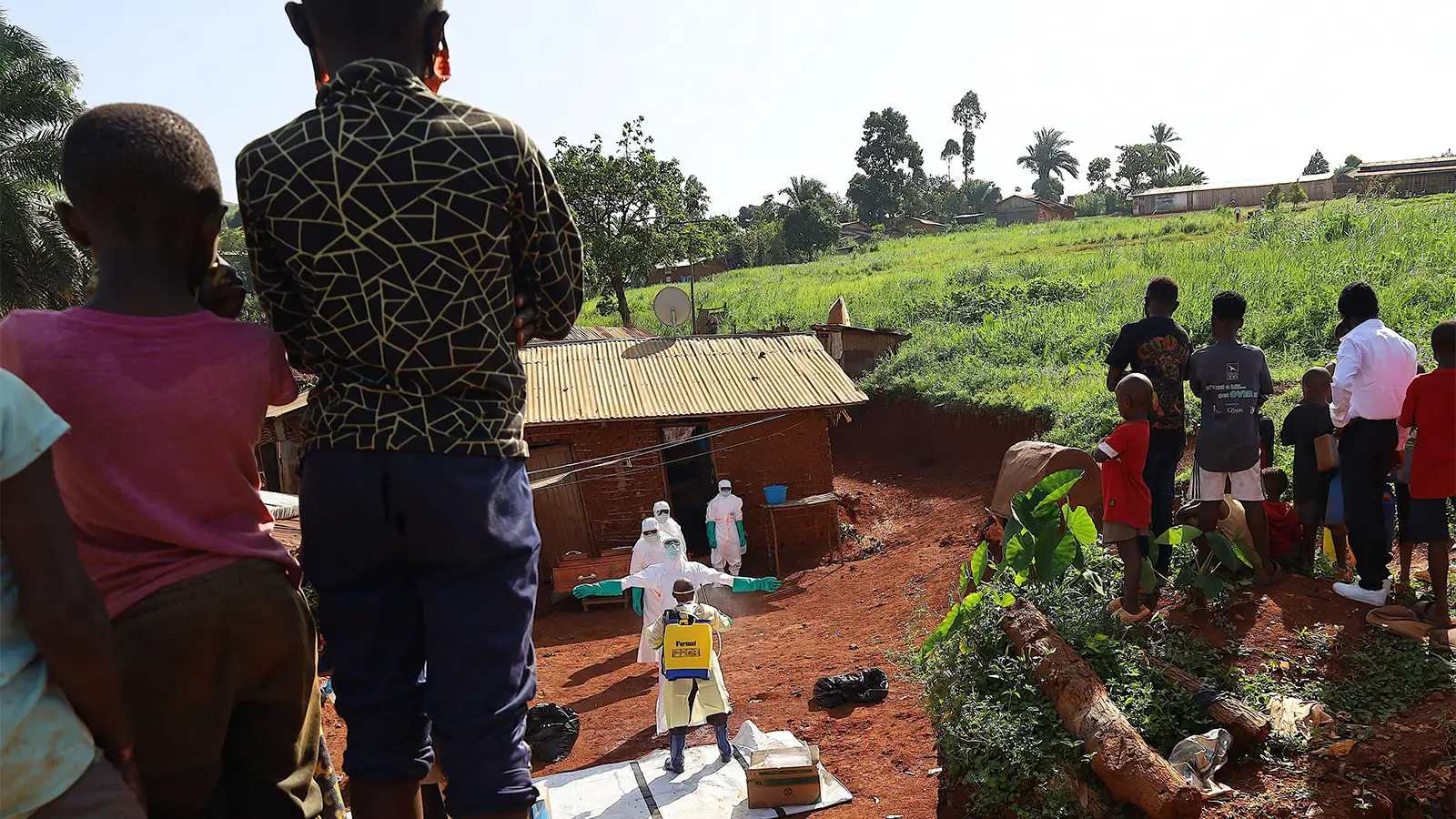
In 2024, a group of researchers with the U.S. Centers for Disease Control (CDC) used machine learning to analyze 24 Ebola outbreaks between 2001 and 2022 to isolate which geographic and other variables they shared in common.They found that forest loss and fragmentation are among the most important predictive factors for where Ebola outbreaks occur.Carson Telford, who led the research, told Mongabay modeling like this can strengthen communication and readiness for outbreaks like the one taking place in the eastern Democratic Republic of Congo and Uganda.
The 2026 Bundibugyo Ebola outbreak in Central and East Africa has already left at least 49 people dead, with health authorities racing to stop the spread of the disease.
What if they could have known ahead of time where it would begin?
That’s the question behind a study published last year by Carson Telford and a group of researchers with the U.S. Centers for Disease Control (CDC). They wanted to know whether it would be possible to predict where Ebola outbreaks might start by looking at the characteristics of areas where the virus had already “spilled over” from an animal host into a human. Telford and his colleagues analyzed 24 outbreaks between 2001 and 2022, using variables like population density and forest cover to train their model.