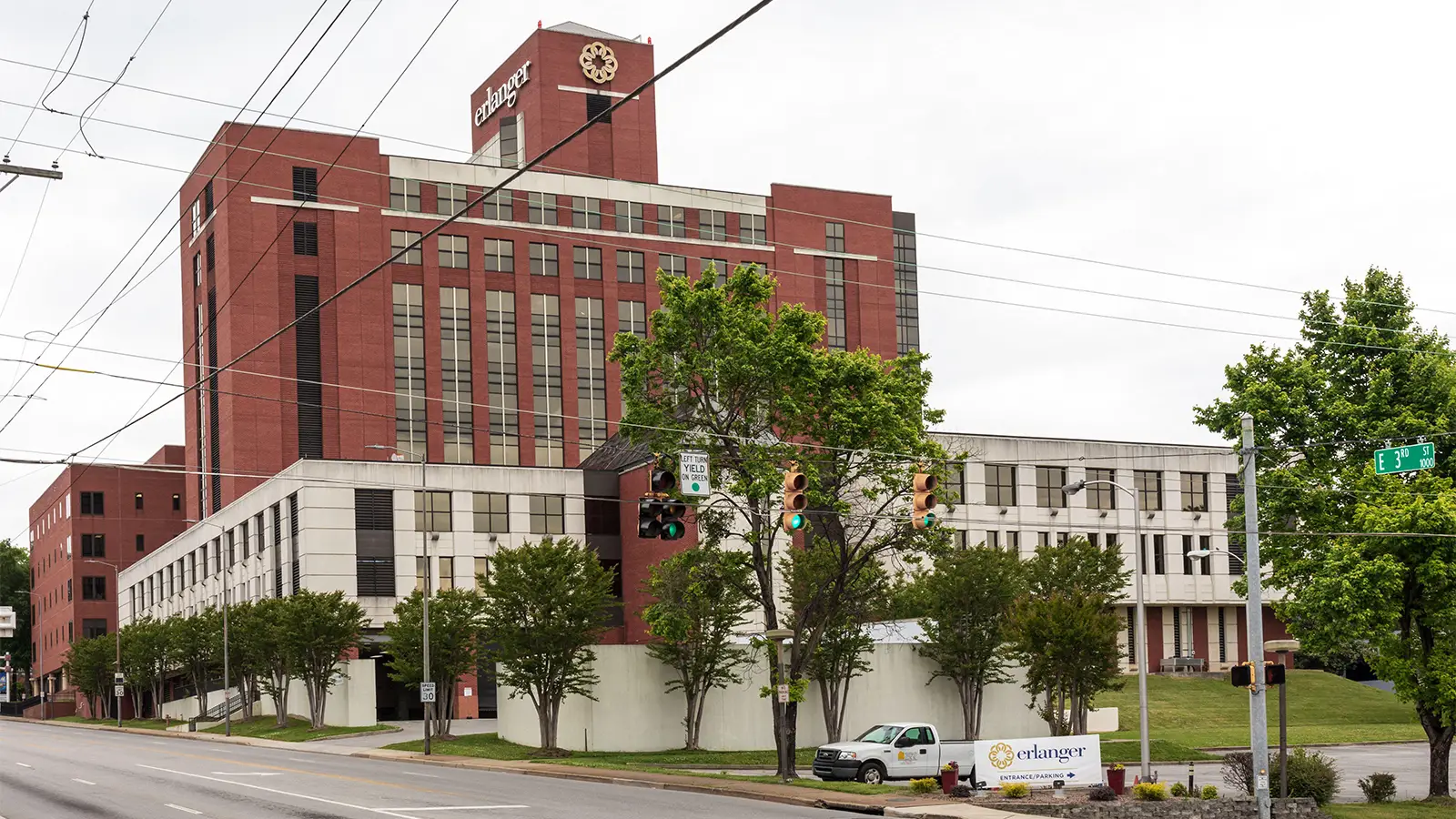
About a year ago at Erlanger Baroness, the largest hospital in Chattanooga, anesthesia staff noticed that a nurse was slurring his words and struggling to stay awake while on duty in the surgery center, according to a Tennessee Board of Nursing consent order.
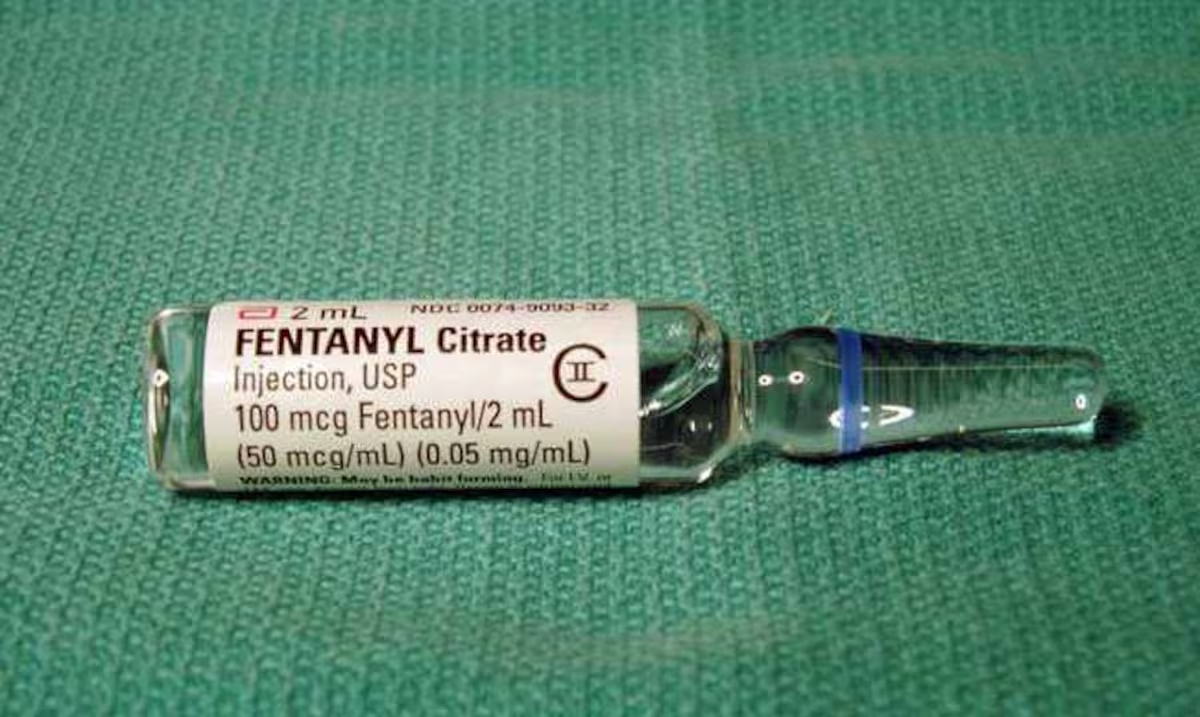
In the days that followed, the nurse failed a drug test and was fired, the order states. The nurse later admitted that for months he had pilfered and abused fentanyl left over after surgeries, sometimes daily, according to the order.
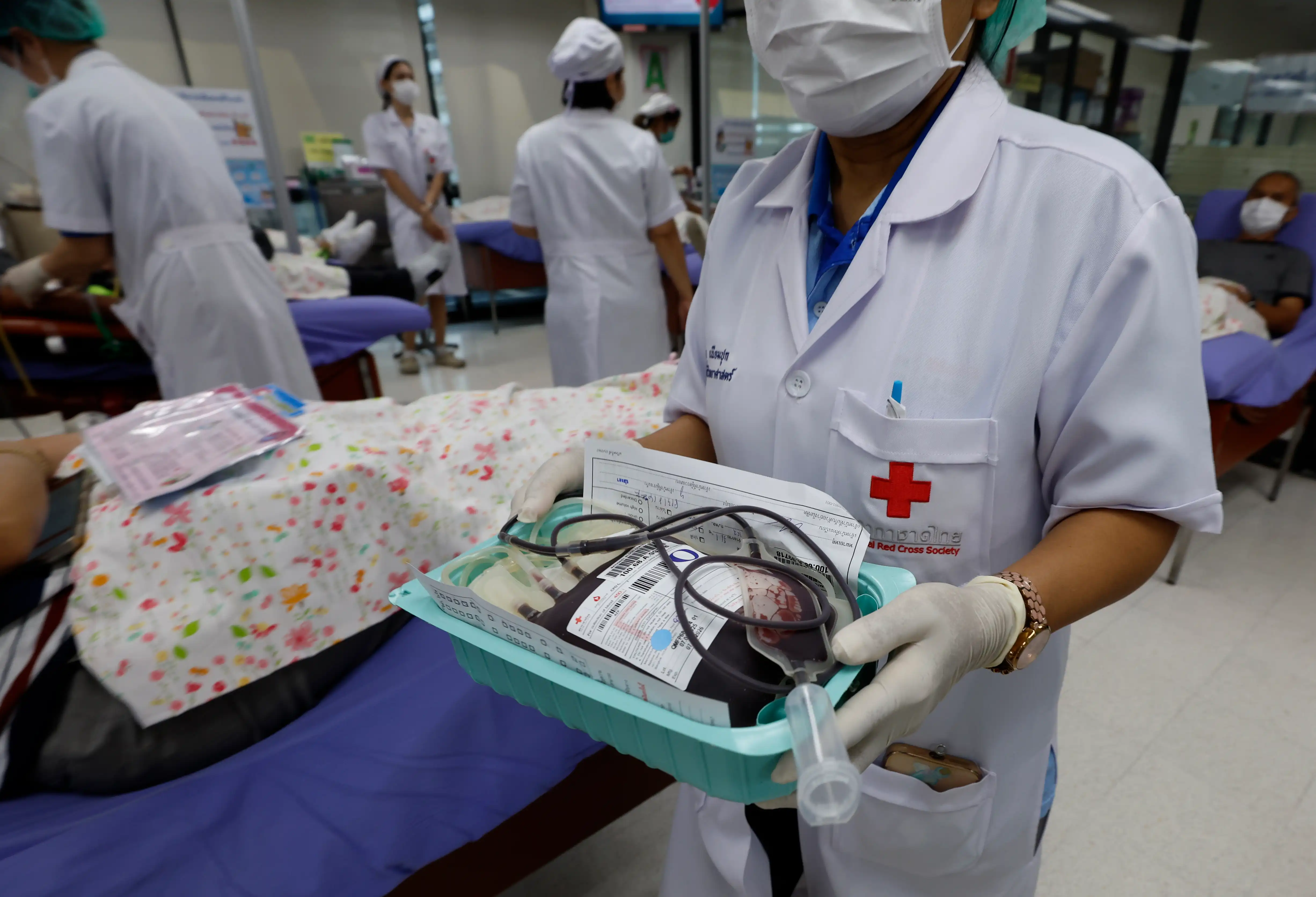
Under most circumstances, this would be a routine case of what is known as “drug diversion,” the unlawful taking of controlled substances from healthcare facilities — believed to be so widespread that it occurs at just about every U.S. hospital.
But the Erlanger case stands out because a high-tech watchdog was supposed to be on guard.
The hospital uses the newest line of defense against drug diversion: Sentri7, medication-monitoring software powered by artificial intelligence and designed to detect missing drugs faster than any human can. But for months at Erlanger, Sentri7 failed to raise alarms, overlooking missing drugs and other “inconsistencies” that “should have been flagged,” the nursing board’s order states.