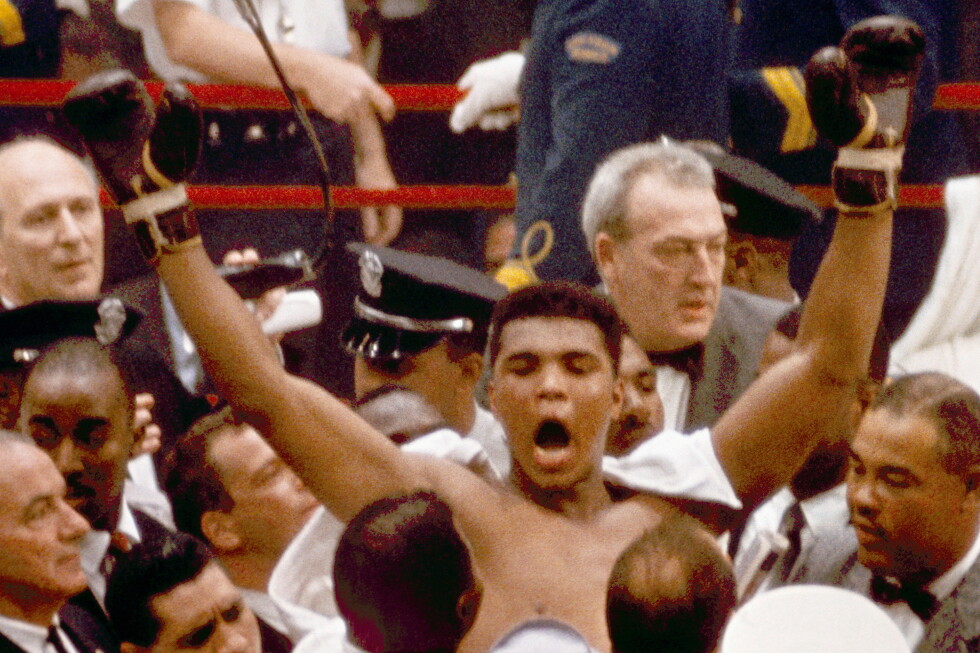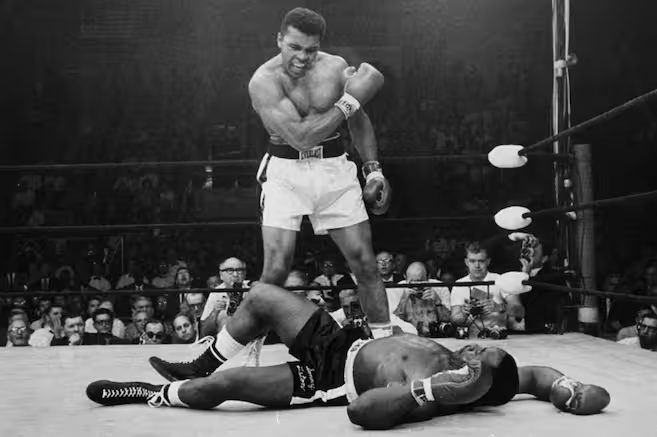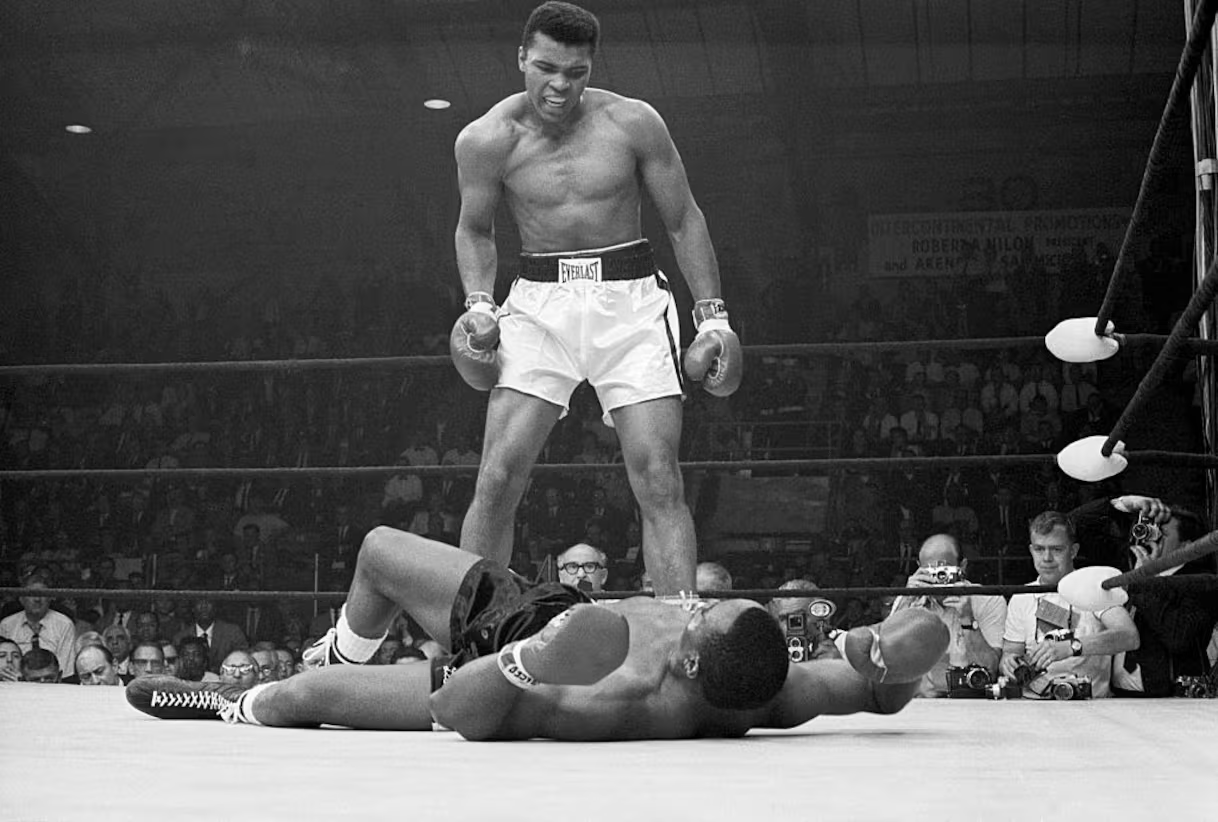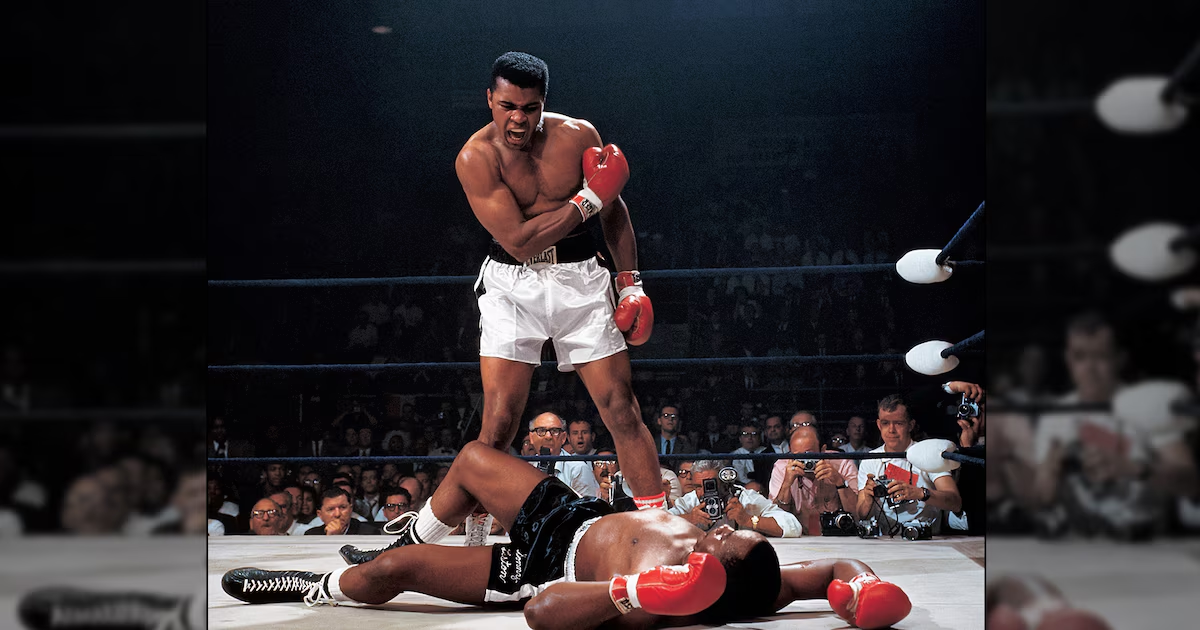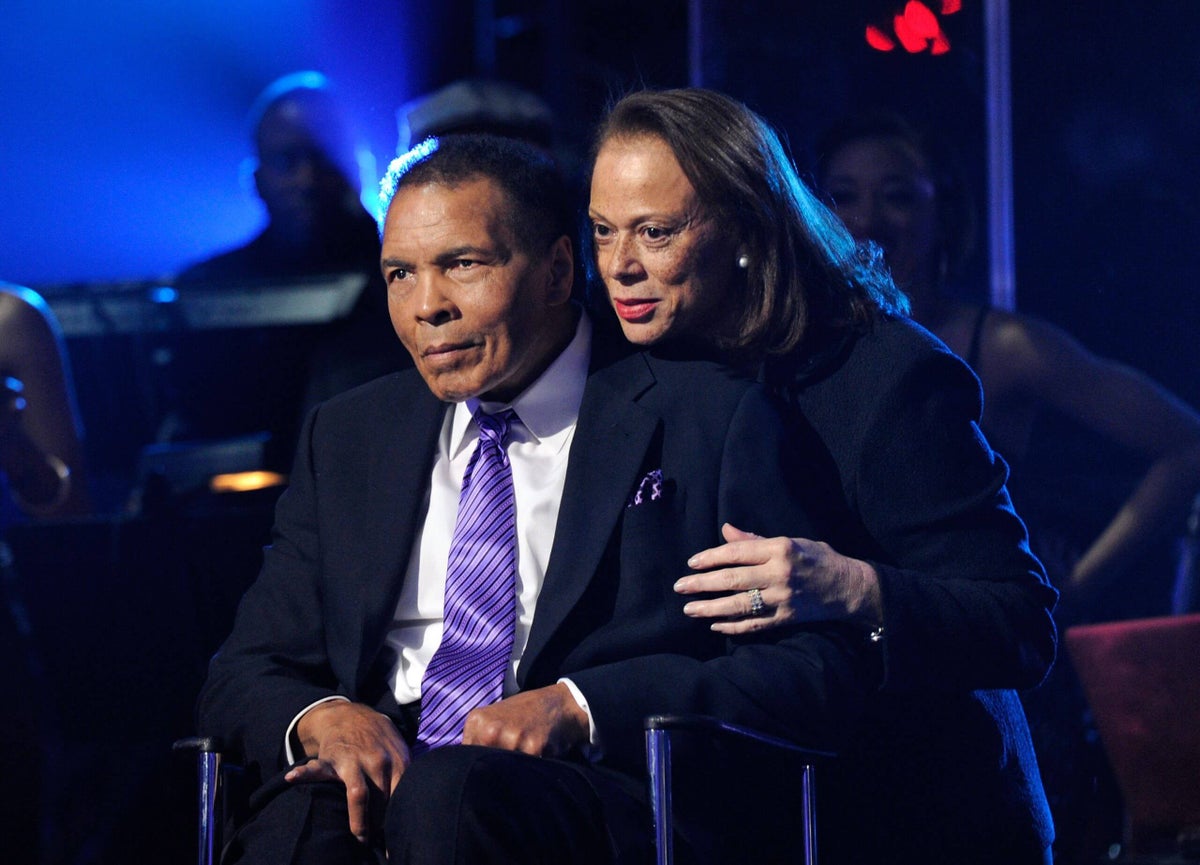
There’s something Yolanda Ali wants you to know about her late husband.When someone reaches the levels of global recognition and adoration that Muhammad Ali did — and continues to, 10 years to the day since his death — people tend to think they know everything about that person.What gets overlooked, says Yolanda, better known as Lonnie, is that the former world heavyweight champion was never about the grand gestures — “the big splash” as she calls it on a video call from the Muhammad Ali Center in Louisville, Kentucky.“He was for the consistent, continual, daily acts of kindness and compassion,” she says. “For meeting the person in the moment. He was always conscious of people, even as he was walking down the street. He just didn’t pass people. He recognized need. In fact, he used to tell us that if a person has to ask you for help, you’ve already failed because you should recognize it.“Those are the kinds of examples he leaves us. To be aware. To continue to create that human bond that we seem to be losing now.”On June 3, 2016, the world lost one of its greatest sporting figures when Ali died at the age of 74. Lonnie, meanwhile, lost her husband of 30 years; a man she’d first met when she was a shy six-year-old back in Louisville, scared of boys. A man she’d known she was going to marry from the age of 17.“I always know when this day is approaching,” she says, speaking slowly and deliberately about the anniversary, “because it takes me back to when it happened and it becomes a little emotional, but I end up thinking about Muhammad; how joyful he was and how he made other people happy and so I sort of lift myself out of that.“The loss is still here, but his energy is here, his message is here and his legacy is here. And that continues to inspire me and many other people.”It was 1963 when Lonnie came home from school one day to find her mother standing by the front door, looking across the street. Outside the house opposite was a man – a larger-than-life kind of man – then known as Cassius Clay. All the neighbourhood boys were gathered around him, enthralled by whatever tales he was telling. When Clay spotted little Lonnie, he sent her older brother over to get her. She was painfully shy, and a little afraid, but reluctantly she went over.There’s a black and white photograph of the very moment Lonnie joins the huddle around Clay, but even if that image did not exist, she says she would remember that day clearly. “I was the only little girl over there,” she says. “He was sitting on his mother’s front step holding court and was just larger than life. Even though he was only 21, he had this big presence about him. After a while, he was so friendly, nice and humorous that I relaxed a little.”Muhammad Ali with kids in Louisville in 1968, including his future wife Lonnie Williams, then aged six (Steve Schapiro/Corbis via Getty Images)That house, in Louisville, was one that Ali had bought for his parents after winning gold at the 1960 Summer Olympics and turning professional. He never lived there but would visit often, and always made time for the group of children in the neighbourhood. “We were his biggest fans,” says Lonnie, smiling.Even so, she says at that time she didn’t really understand what he did. It was only years later, after he had changed his name to Muhammad Ali and refused to be drafted into the U.S. military as part of his opposition to the war in Vietnam, that she started to become more aware of what he did, and what he stood for.
Muhammad Ali died 10 years ago. His widow wants you to know why he still matters
Lonnie Ali says her late husband's legacy of compassion is more important than ever in a polarized world
1,846 words~8 min read