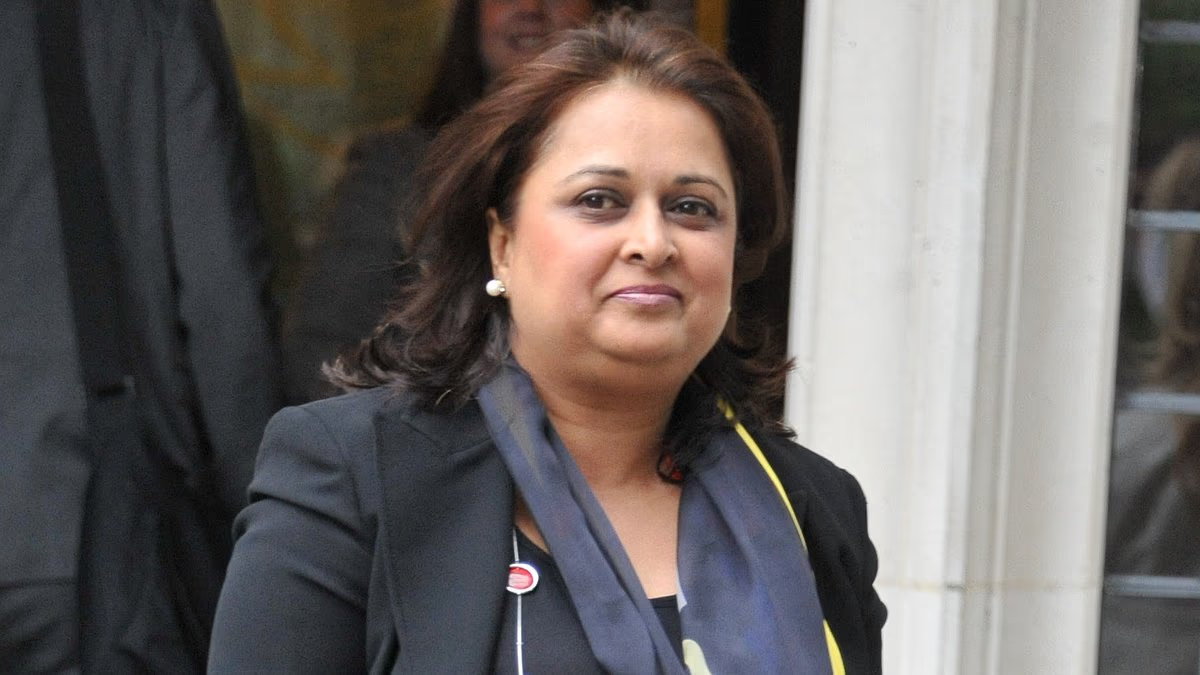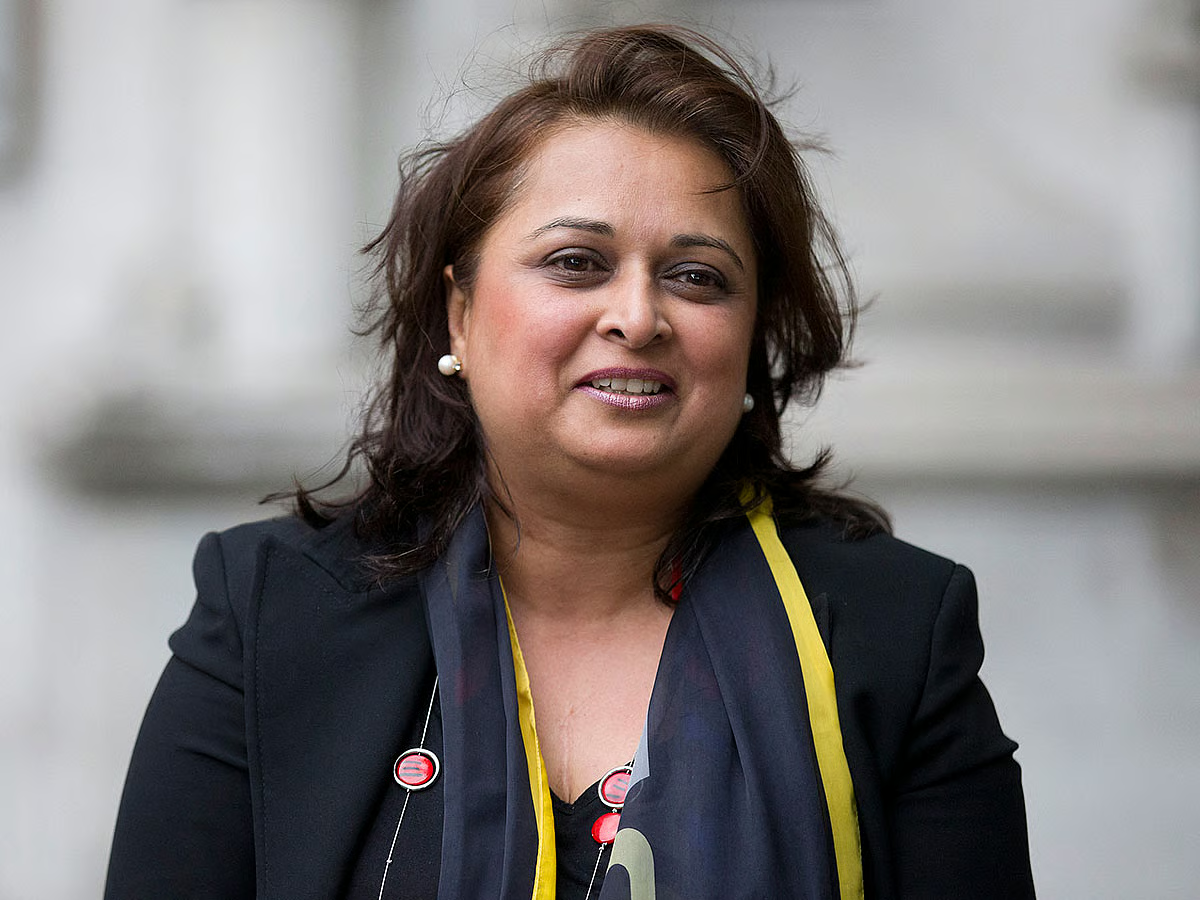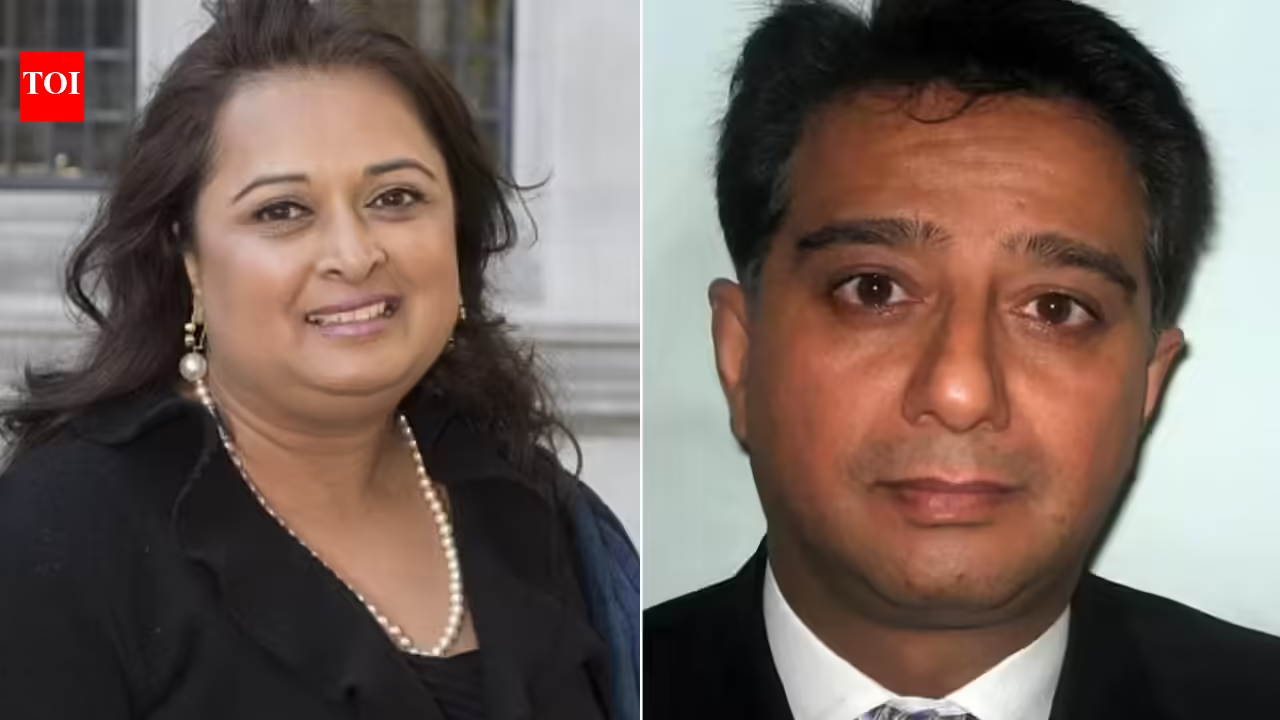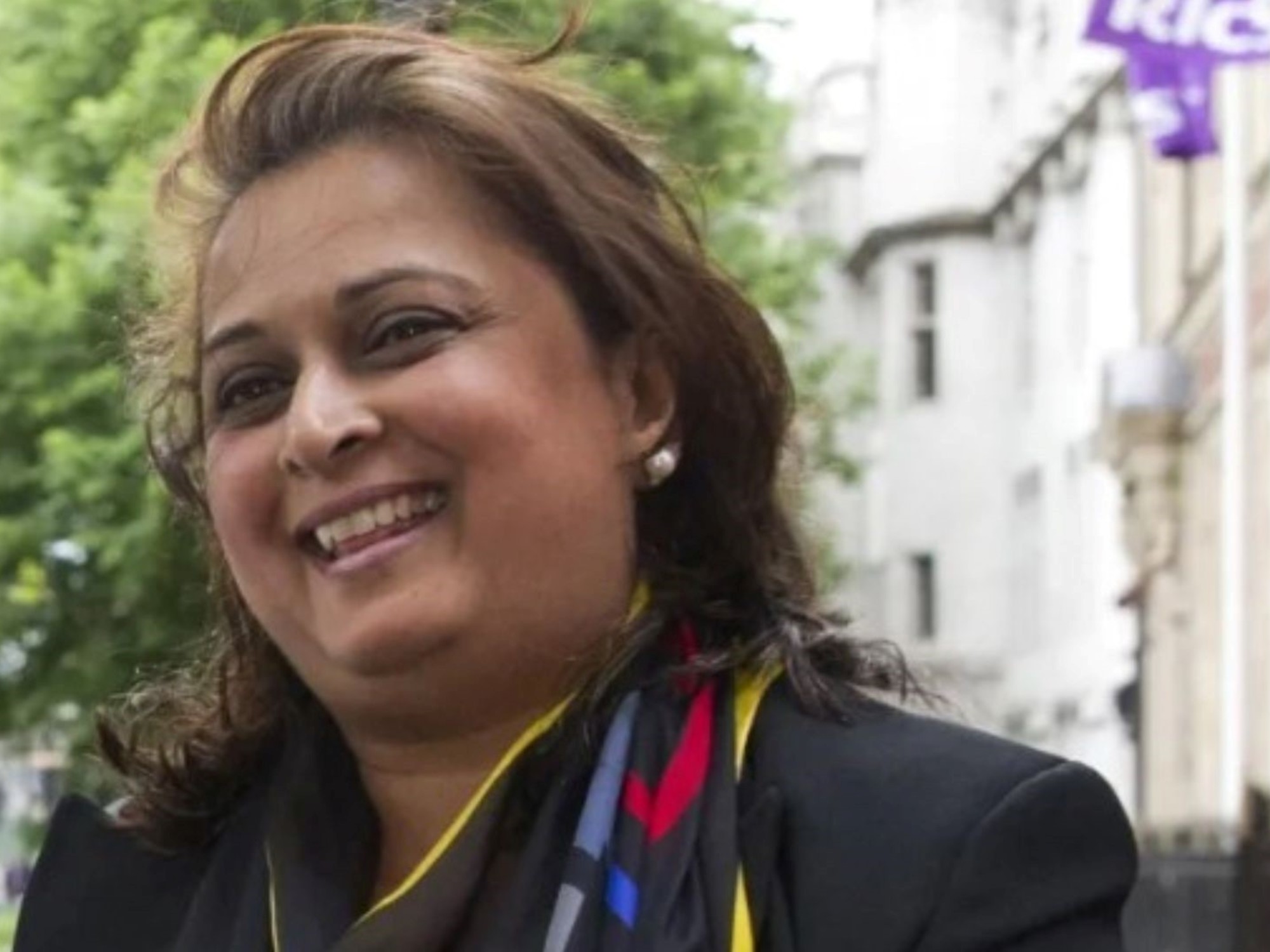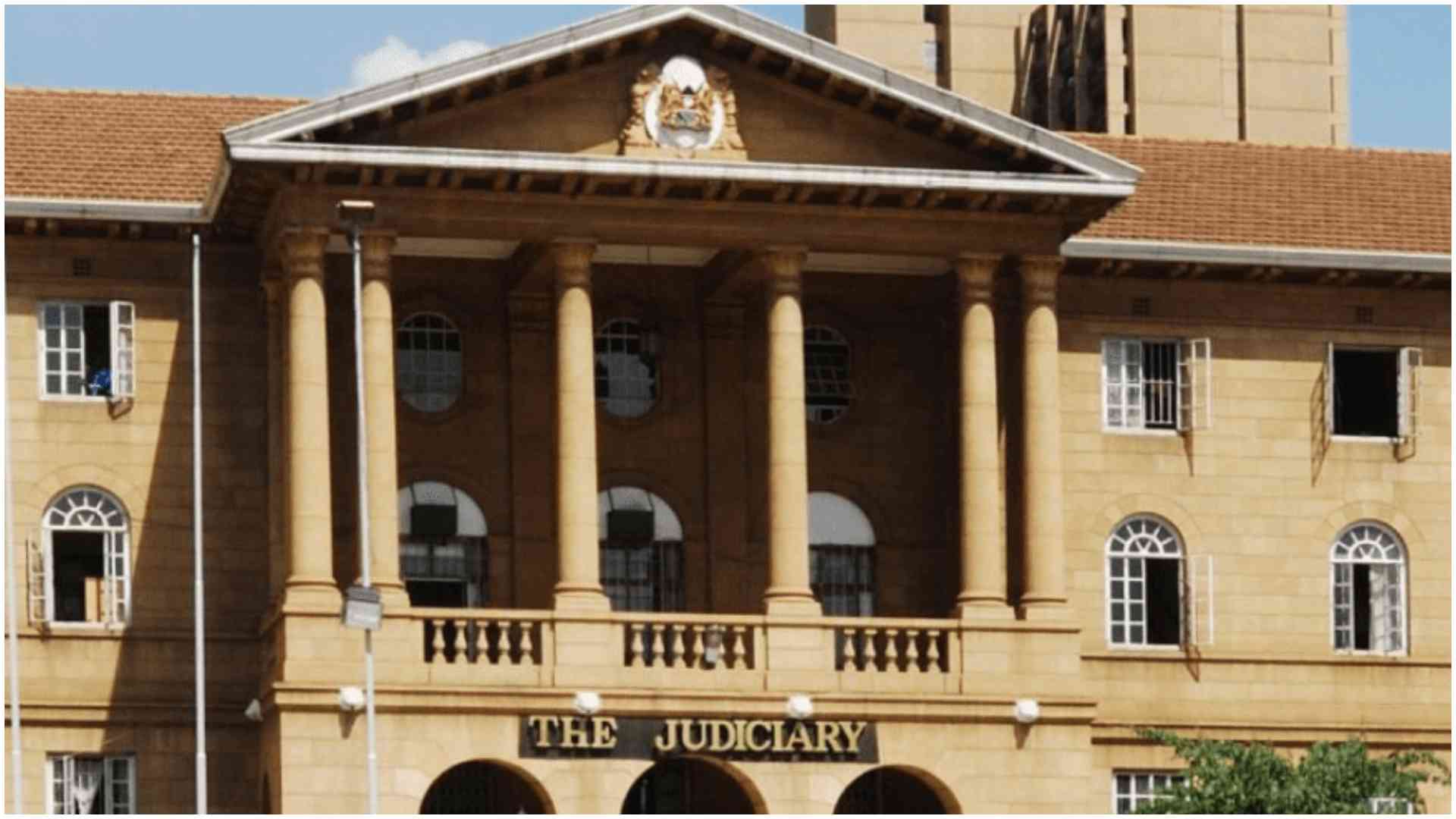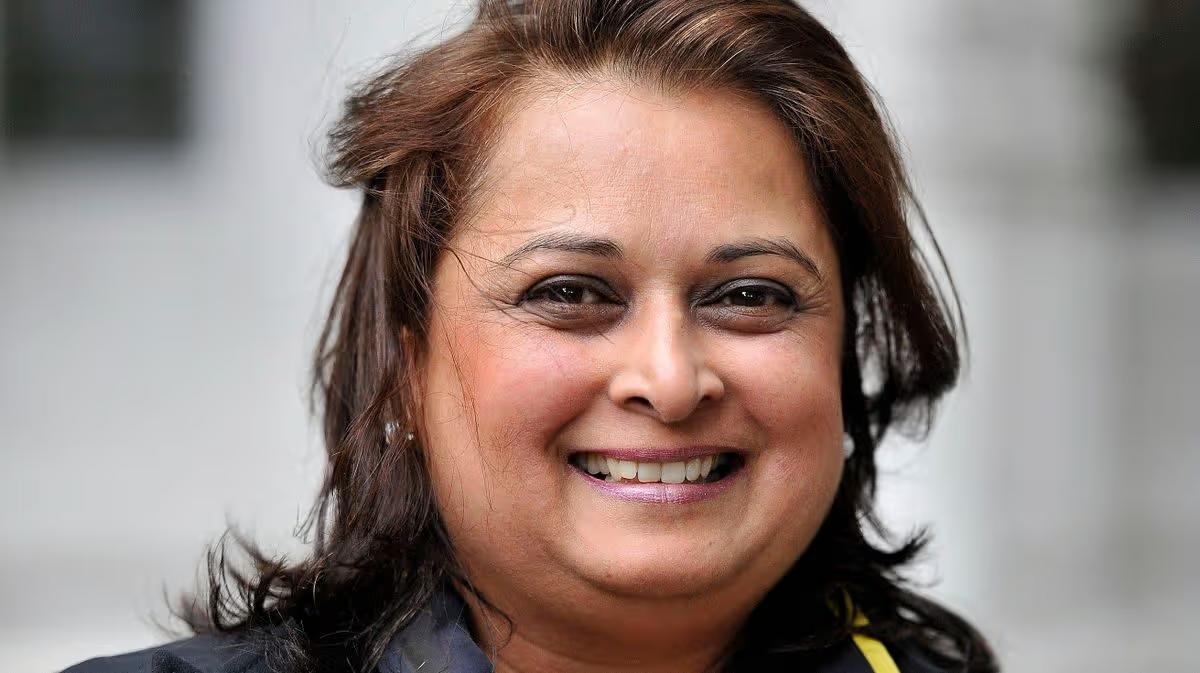
Varsha and Bhadresh Gohil's divorce battle lasted nearly a quarter of a century, culminating in a tug of war between the mum, her fraudster husbamd, and the Crown Prosecution Service09:34, 03 Jun 2026A mum-of-three embroiled in what is believed to be Britain's longest-running divorce has been awarded £6.6 million from her fraudster ex-husband's fortune, concluding a 24-year battle.Varsha Gohil, 61, from north London, first filed for divorce from her solicitor ex-husband Bhadresh Gohil in May 2002, citing adultery and unreasonable behaviour. She had at the time accepted a financial settlement from her then-husband, a £270,000 payout and the family's Peugot, but had suspected Gohil was hiding the true extent of his wealth.She was proven right over the following two decades, and has now been handed a major court victory after multiple battles exposed her ex-husband's concealed fortune.Divorcing couples must disclose all of their assets and income during proceedings, but Mr Gohil had not shared that he was hiding £28million worth of assets in corporate entities around the world. The divorce, now a landmark saga in British legal history, has seen several turning points over the last two decades, with Ms Gohil seeking to have her original settlement overturned in 2007.She believed at the time that she had put together enough evidence to challenge the original six-figure settlement agreed while his assets were concealed. Her case was aided in 2011, when her ex-husband was convicted of a series of money-laundering offences, forgery and conspiracy to defraud, and was sentenced to a decade behind bars.Bhadresh, a former solicitor who previously acted for associates of James Ibori, the controversial former Nigerian governor, was the central figure in a significant fraud and money-laundering scheme. Lawyers prosecuting the case said he had helped aid the scheme by laundering millions through his firm's client accounts, and the Crown Prosecution Service subsequently froze assets amounting to approximately £28 million.The funds were found stashed away among a network of companies and entities around the world, sparking a new round of legal battles that in 2015 reached the Supreme Court. Justices at the UK's highest court ruled then that Mrs Gohil could challenge her original settlement, finding that spouses who failed to provide full financial disclosure should not be able to offer deceptive settlements.The move by the justices overruled previously established family law settlements that had left spouses unable to reopen settlements after evidence emerged of their other half's concealed assets. While the decision was a breakthrough, litigation over the assets continued for years due to attempts to recover the frozen assets and disputes about their ownership.Eventually the case came to the High Court in 2023, and competing claims were filed by Ms Gohil, her fraudster ex and CPS. Gohil had argued that the assets did not belong to him, therefore his wife could not claim them in a settlement. Ms Gohil, on the other hand, argued the inverse.She claimed the wealth had belonged to him during their marriage and that it should also form part of their matrimonial pot. CPS representatives, for their part, argued that the entire sum had represented the proceeds of crime, and should have been subject to criminal confiscation proceedings.Article continues belowUltimately, Mr Justice Williams concluded that the assets belonged to Gohil, adding that prosecutors had failed to establish the entire fortune was criminally derived, finding also that some of the businesses and assets had been legitimate during the Gohil marriage. Ms Gohil was awarded her final £6.6 million from those assets, which were deemed untainted.
Mum wins £6.6m from money launderer ex who hid £28m after 'UK's longest divorce'
Varsha and Bhadresh Gohil's divorce battle lasted nearly a quarter of a century, culminating in a tug of war between the mum, her fraudster husbamd, and the Crown Prosecution Service
582 words~3 min read