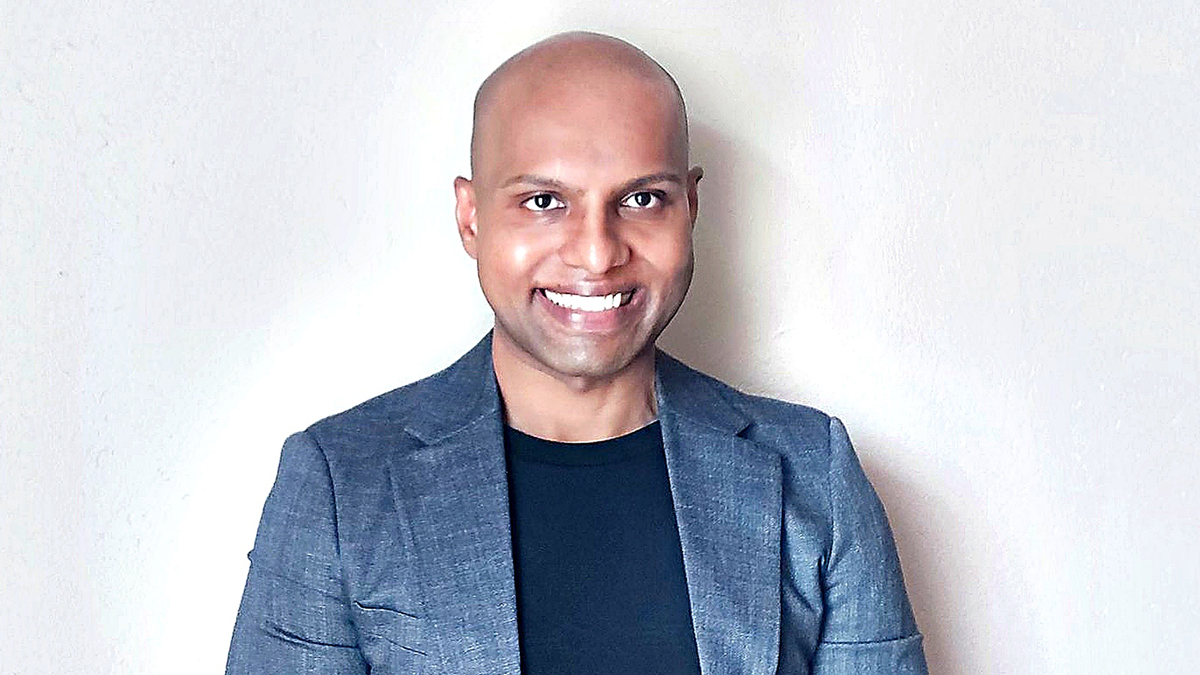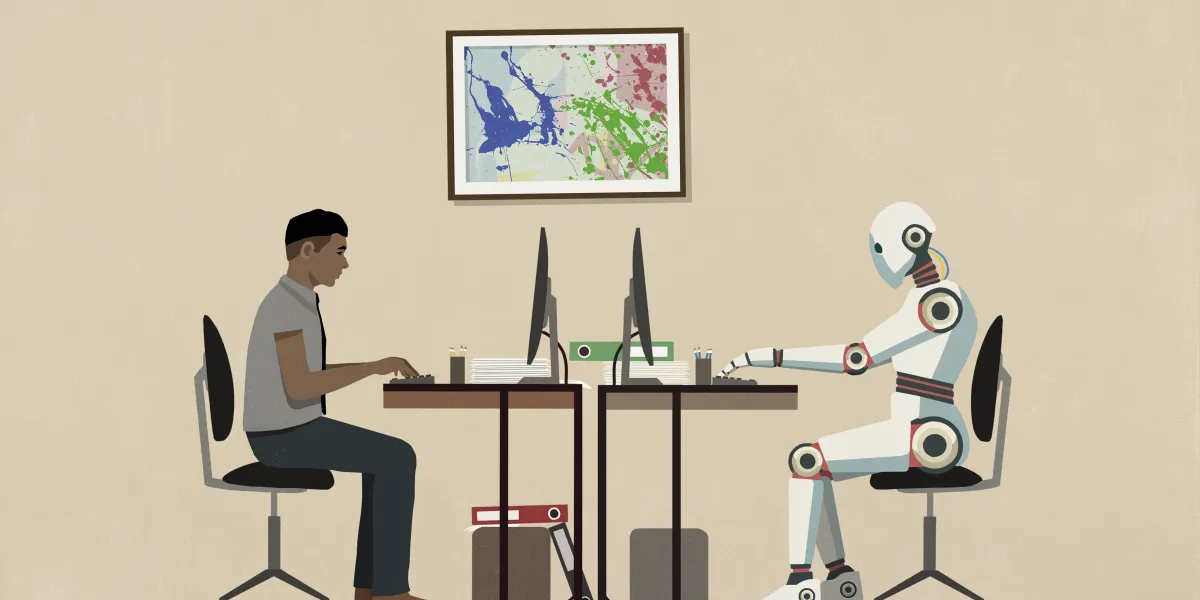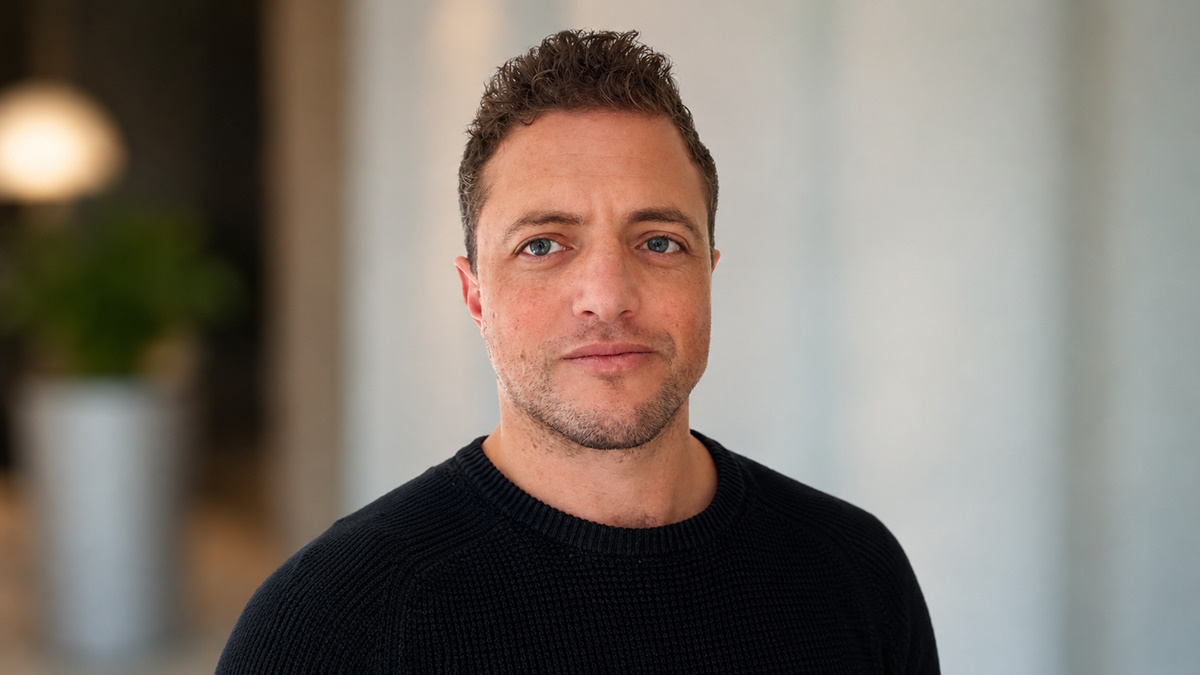
Paul Domanski, founder of Domanski.AI. When computers became capable of beating every human chess player alive, we didn’t stop watching humans play chess.We still watched. We still cared. Because the human story was never just about the result − and it’s the lesson the conversation about AI in South African business keeps missing.Look at the corporate LinkedIn feeds, the newsletter introductions, the conference keynotes that have started showing up since ChatGPT entered every employee’s browser tab. The shape is unmistakable. Round paragraphs. Symmetrical takeaways. The same five emoji. The same five framings. Whole organisations have started sounding like one another, and the explanation isn’t a brand-voice problem. It’s a soul problem.Most of what gets called AI slop isn’t actually an AI failure. It’s a soulless-input failure. It happens when the operator hands a blank prompt to the machine and asks it to produce in a vacuum.AI does have access to a staggering amount of human knowledge. Every essay, every argument, every framework anyone has ever published on the open internet. It can write you a serviceable column on any topic by lunchtime.I am wary of the “AI does the work for you” framing that has taken hold of the local rollout conversation.What it cannot do − and this is the part the AI-strategy decks keep skipping − is access your mind. It cannot access your read of your market. It cannot access the moment your last client renewal almost fell through and what you actually learned about how the business runs. It cannot access your principles, or what you have refused to do, or why.If the input is lazy, the output will be lazy. If the operator has stopped thinking, no model will think for them.I keep going back to a story about Mark Rothko, the American painter who made enormous panels of pure colour. The paintings do real work on their own − viewers who have never heard of him stand in front of them and feel something move.What pushed these particular ones into being some of the most expensive paintings ever made was not only the paint. It was the man behind it. Rothko was the immigrant who refused opulence. In 1958 he accepted a commission to paint murals for the Four Seasons restaurant inside the Seagram Building in New York. Then he visited the room. He watched the wealthy diners who would eat below his work. He returned the commission. The murals were later given to the Tate.His principles were load-bearing. The story was the value.That is the part business leaders in South Africa are at risk of getting wrong about AI in 2026. The boardroom conversation has narrowed to model selection − Claude or ChatGPT, this provider or the next, this feature flag or this rollout phase. It is the wrong conversation. The model is becoming a commodity. What is not a commodity, and will not become one, is the input.A South African insurer building a claims-assistant has access to the same models as a German insurer. The difference between an assistant their customers trust and an assistant that gets ignored will not be the model. It will be how well the operator understood claim-handling on the day they briefed the system. It will be the scar tissue they brought to the prompt. The refusal to use a phrase from the corporate brand guide that sounds nothing like how real customers actually speak. The decision to over-index a fairness check because the operator has personally watched a system get it wrong.This is why I am wary of the “AI does the work for you” framing that has taken hold of the local rollout conversation. In a literal sense, AI does do the labour. In a meaningful sense, that framing is misleading. AI is a work amplifier. It is an idea accelerator. It is a brainstorming partner that does not tire. The amplification is the point. But amplification of nothing is still nothing. Amplification of a thin, generic, second-hand read produces a louder thin, generic, second-hand read.The operators getting compounding value out of AI right now are not the ones with the best models. They are the ones who have stayed in the seat. They still do their own reading. They still hold their own opinions. They still refuse the commission when the room is wrong. They give the agent ingredients nobody else could give it − their specific read, their named scar, their Seagram refusal − and the agent amplifies what is already true.AI is not human. It will never be human. You are.The thinking is the moat. Don’t outsource it.
AI slop isn’t an AI problem, it’s a soul problem
The South African artificial intelligence rollout conversation has narrowed to model selection. That’s the wrong question.
765 words~3 min read