Get the latest news and updates from Dawn
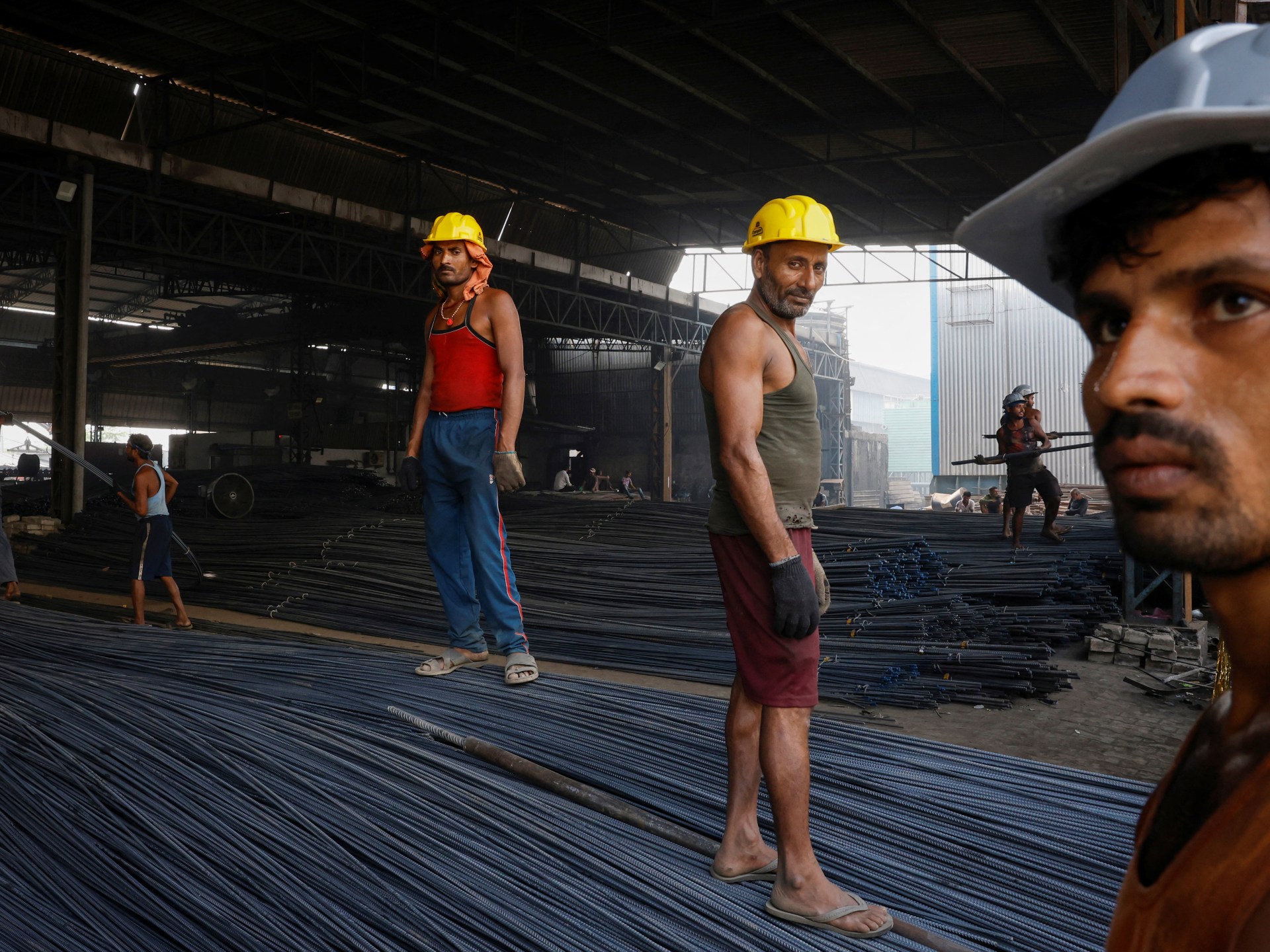
When people talk about urban economies, they often seem to focus more on the obvious, such as luminous high-rises, industrial parks, large infrastructure, and all those formal investments that show up on government dashboards.
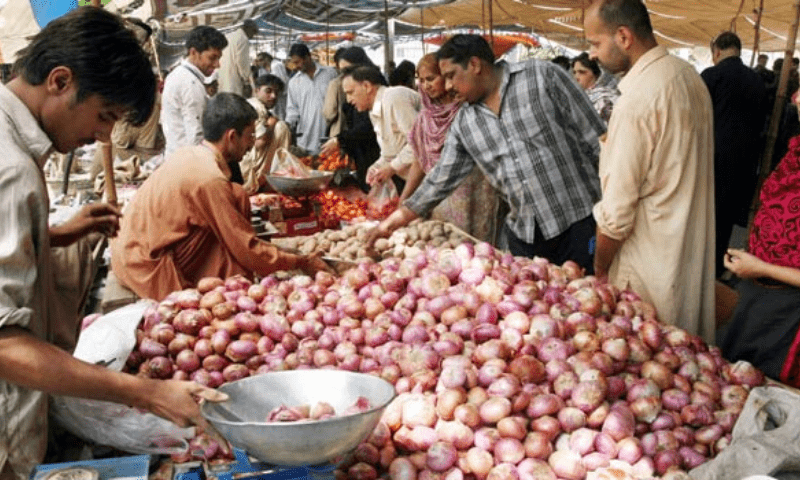
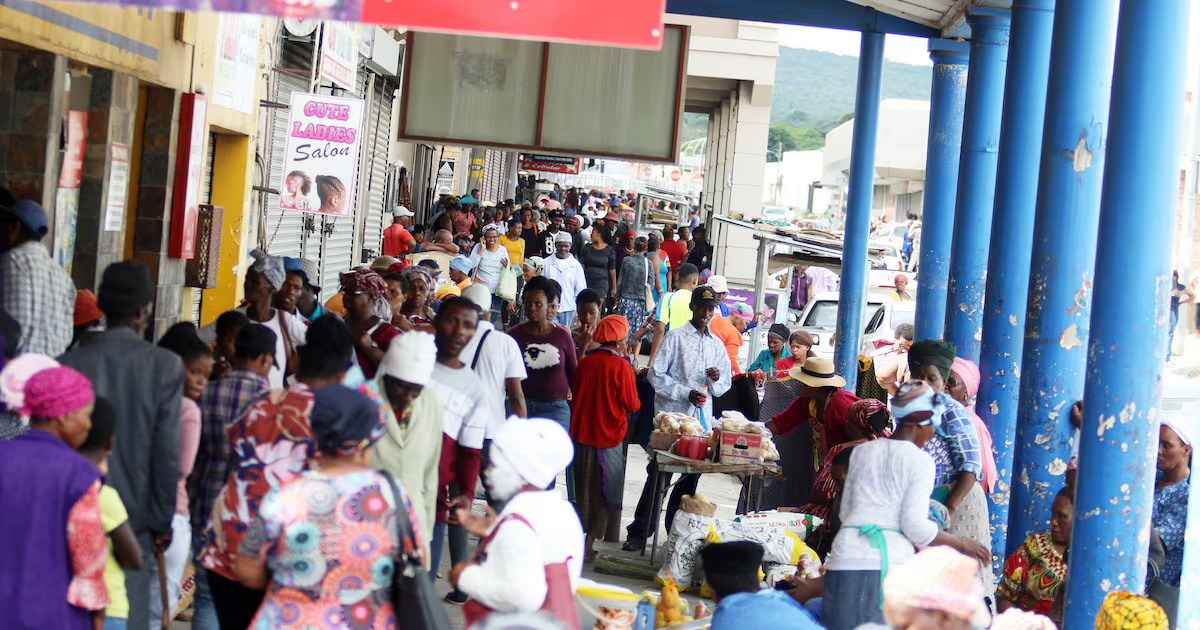
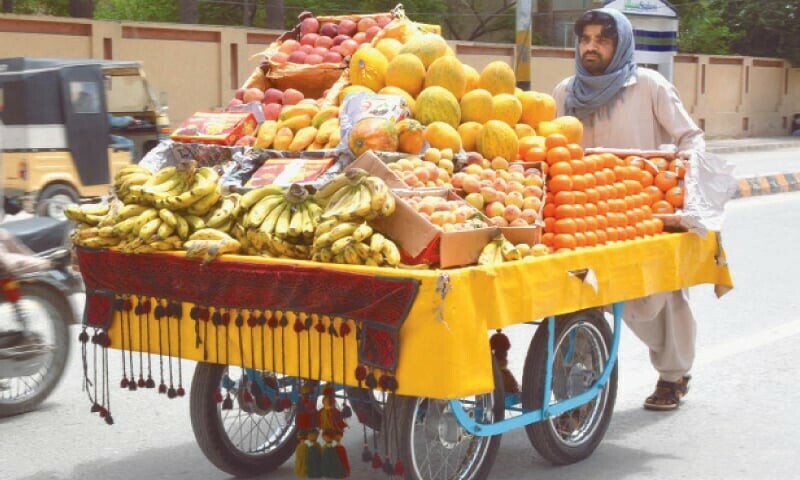
But let’s be honest, particularly in cities across the Global South, that’s only half the story. The real buzz, the real hustle, often hums along in the narrow lanes, the roadside stalls, the open-air repair shops, and the ever-moving handcarts. That’s where rickshaw drivers, mobile phone fixers, street tailors, fruit vendors, and countless others keep the city alive. And yet, these people (despite holding up entire urban economies) are rarely seen in policy documents or GDP calculations.
It is not some fringe issue, either. As of 2023, per the International Labour Organisation’s World Employment and Social Outlook report launched in 2024, over two billion people around the world were working informally. That is nearly 58 per cent of the global labour force. Even though the percentage dipped slightly from 2015, the actual number of informal workers has never been higher. In developing economies, this sector contributes anywhere from 15pc to 35pc of GDP, according to the World Economic Forum; that is massive.