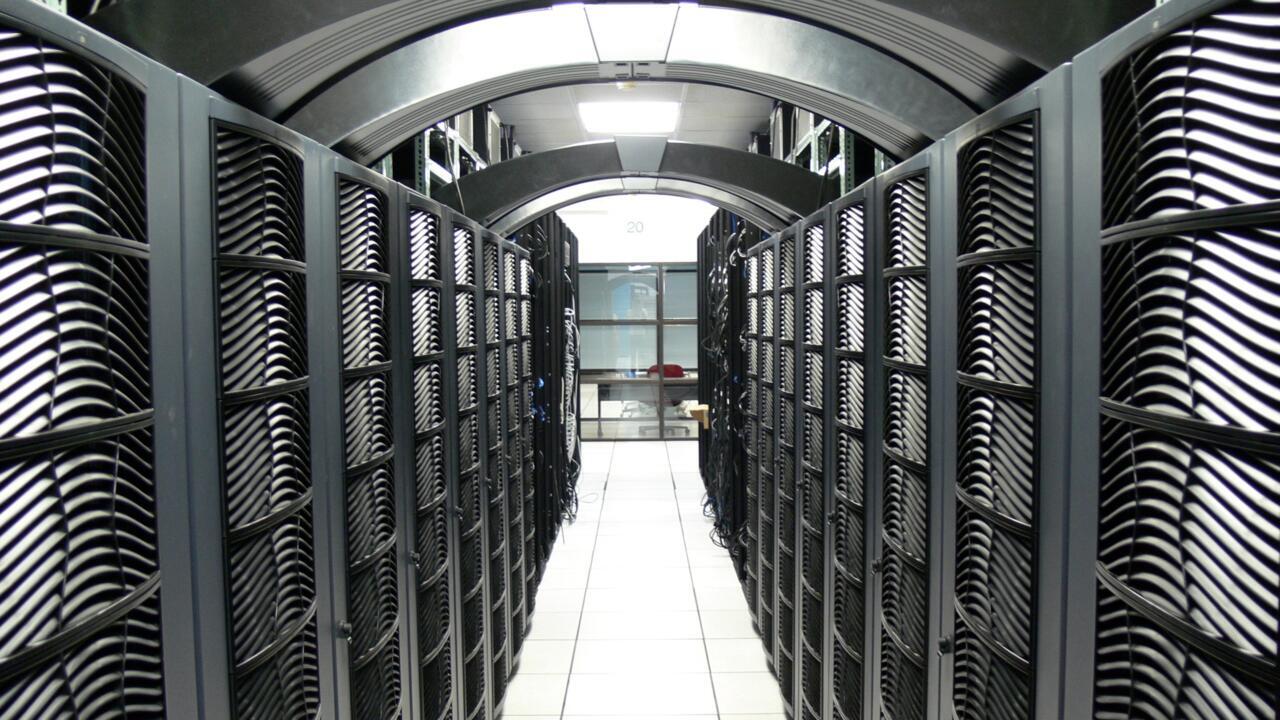
Europe is launching a sweeping push to reduce its dependence on American and Asian technology, with plans to boost homegrown chips, cloud computing and artificial intelligence while keeping greater control over data and key digital services.
Issued on: 03/06/2026 - 09:16
3 min Reading time
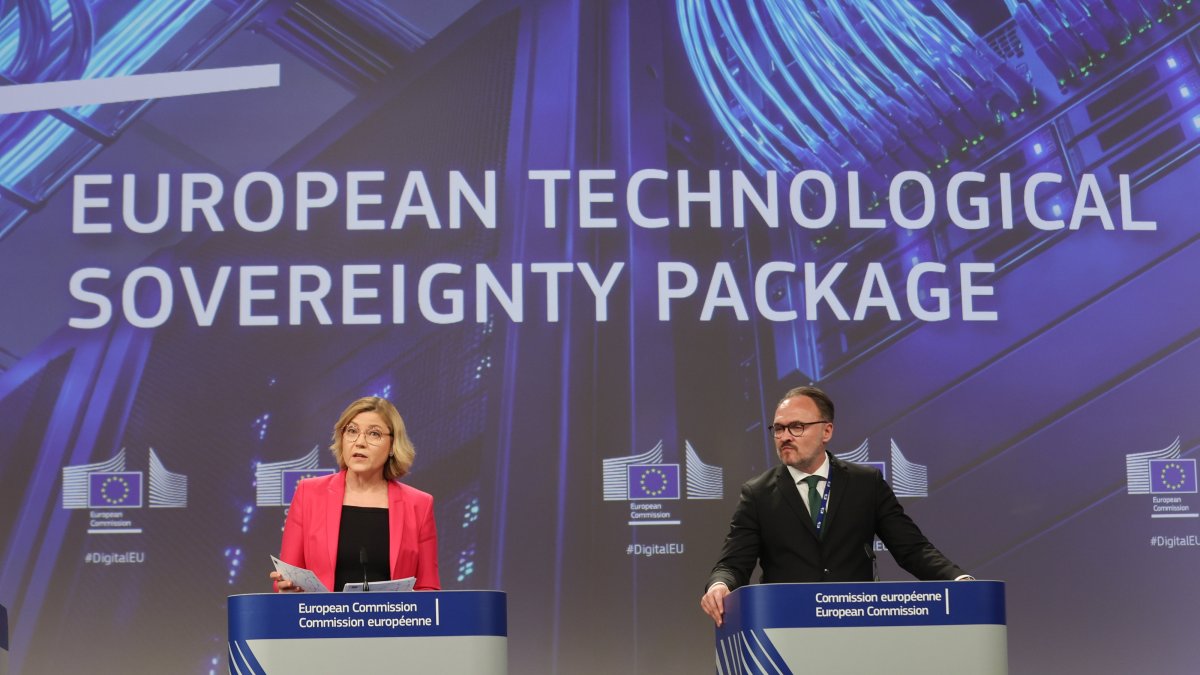
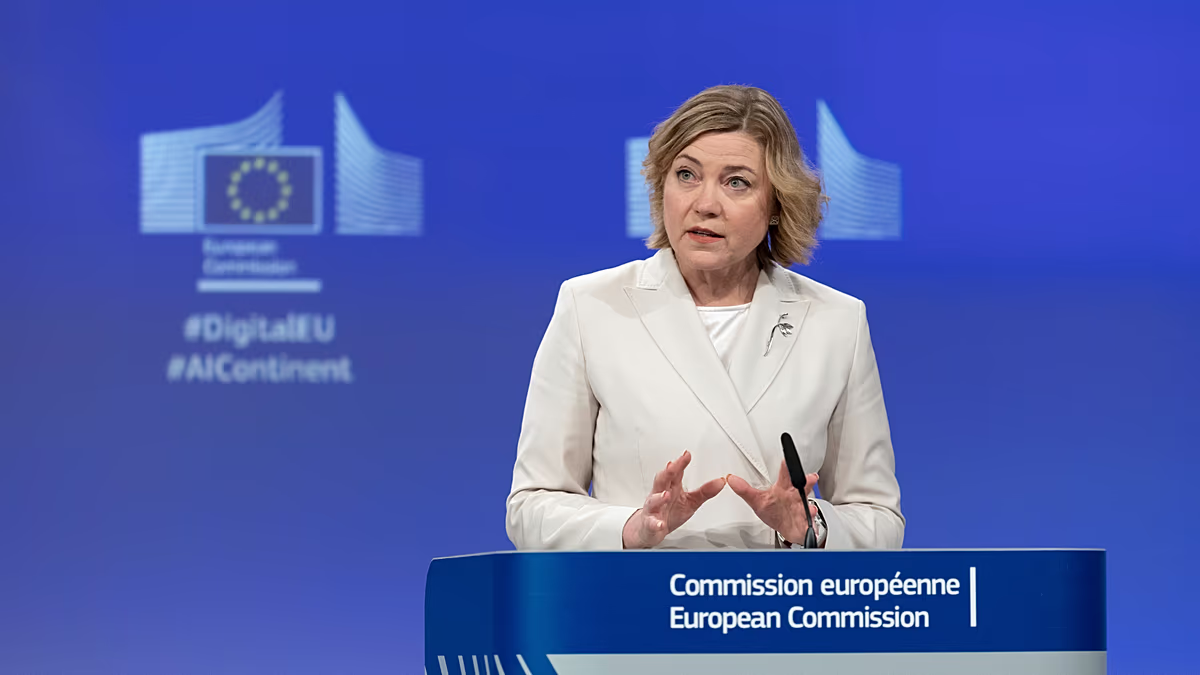
EU technology chief Henna Virkkunen is due to unveil the strategy on Wednesday. The move risks adding to tensions with Washington, which has pushed back hard against EU rules and fines targeting major US technology firms in recent years. More than 80 percent of the bloc's digital products, services, infrastructure and intellectual property come from foreign providers, a draft strategy document seen by the French news agency AFP said, citing an official 2023 report. Brussels says the push is not intended to shut out foreign companies, but to strengthen European industry and help the continent remain competitive in artificial intelligence. The package is part of a wider effort by the bloc to boost domestic manufacturing across different sectors and catch up with rival companies in the United States and China. 'Choose France' summit puts AI at heart of Macron’s €93bn investment drive European alternatives The package includes a new law on cloud computing and AI designed to encourage the construction of data centres in the EU. Brussels hopes the measures will triple the bloc's capacity within five to seven years. A new chips law is also planned to boost demand for European-made semiconductors, alongside a push for the public sector to use more open-source software and a common EU system to rate the sustainability of data centres. Cloud computing remains heavily dominated by US firms. Microsoft's Azure, Amazon Web Services and Google Cloud together account for 70 percent of the European market. The EU spends an estimated 264 billion euros a year on US cloud software, a 2025 report by French consultancy Asteres said. As Africa rapidly goes digital, it becomes a prime target for hackers Data and sovereignty Brussels is also expected to impose sovereignty criteria on public contracts in cloud and AI, and to require governments to carry out "sovereignty risk assessments" to identify European providers when needed. The push is partly driven by concerns over the 2018 US Cloud Act, which allows Washington to demand access to data from US-based providers regardless of where the information is held. Concerns have also grown in Brussels after recent crises involving chips and rare earths with China. Fears have emerged that an angry President Donald Trump could one day pull the plug on US cloud computing through a so-called "kill switch". Pressure from Washington should not dictate European policy, Matthias Ecke of the Socialists and Democrats group told reporters on Tuesday. "We set our rules in Europe, according to the needs and the demands of the European citizens," he said. US providers are likely to remain "dominant" despite the EU push, he added. France to remove Windows from government computers in sovereignty push Industry backing Support for the strategy has also come from European technology companies, lawmakers and civil society groups. In an open letter seen by Reuters, 13 European cloud providers joined forces with lawmakers and advocacy groups to back the Commission's plans. "Technological sovereignty means that Europe has the capacity to freely design, understand, choose from different home-grown sources, build, operate and effectively regulate the digital systems on which its society and economy rely," the letter said. Signatories included French cloud provider OVHcloud, Germany's Nextcloud, Swiss privacy software company Proton and Dutch quantum chip maker QuantWare. "Our message is simple: Build European, buy European, protect European," said Green MEP Alexandra Geese. The latest moves reflect a broader shift in Brussels from regulating Big Tech to favouring European technology. Last week, the European Commission said it wants to reserve for European firms a share of mobile satellite frequencies currently used by US operators. Chips, cloud computing and AI "are the nervous system of the modern economy", powering everything from defence to healthcare, conservative EU lawmaker Oliver Schenk told AFP. "Europe therefore cannot afford to remain merely a consumer of critical technologies developed elsewhere." (with newswires)