June 3, 2026 | 01:54 pm
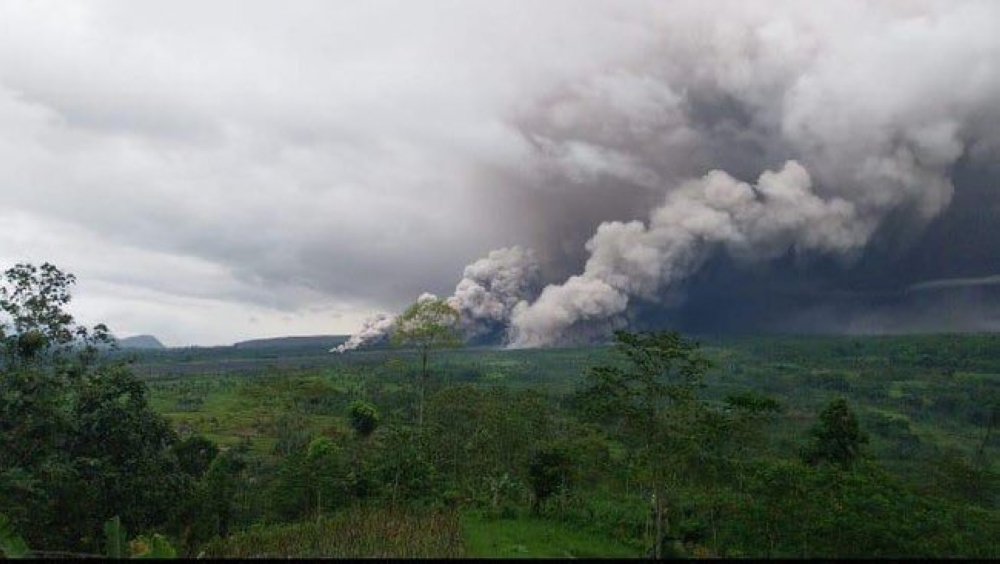
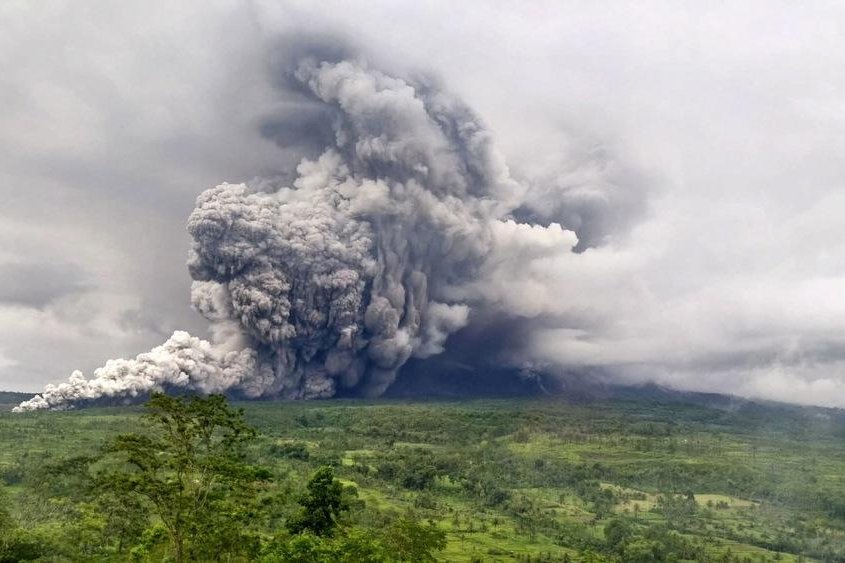
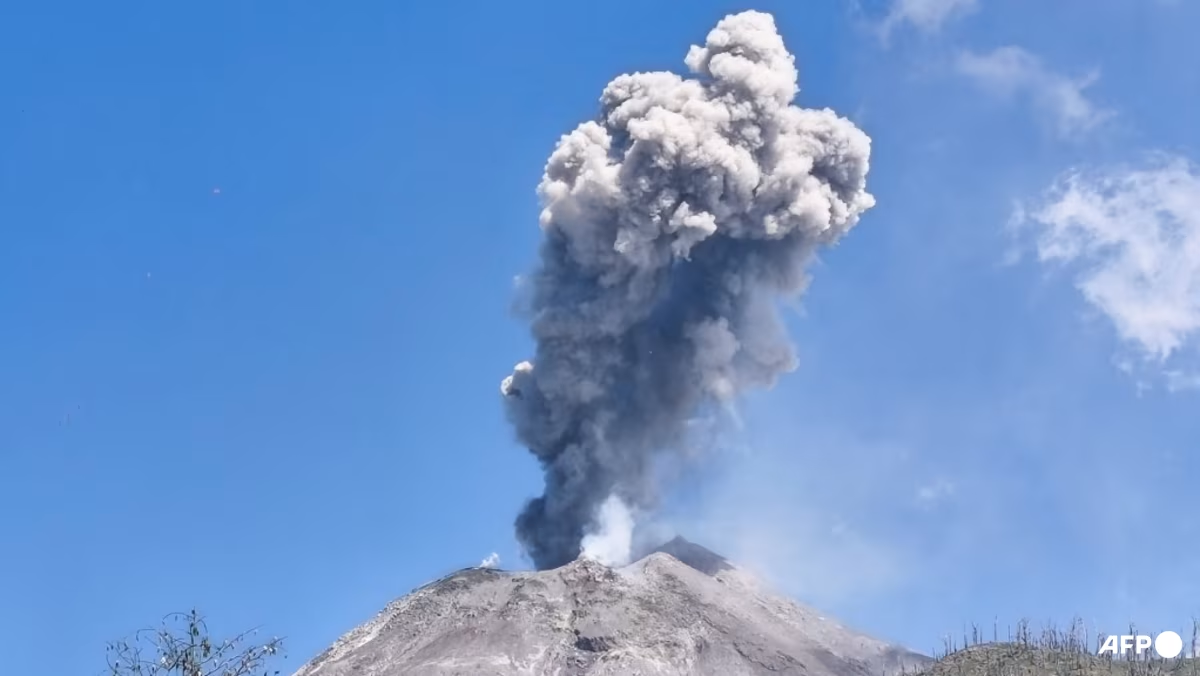
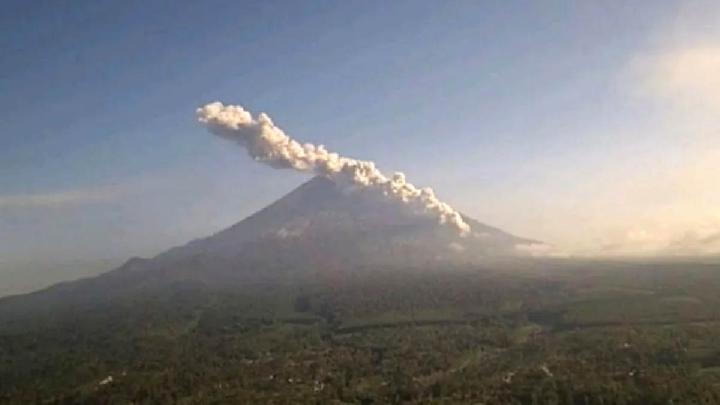
Mount Semeru erupted, sending a pyroclastic flow as far as 4 kilometers, as seen from Supiturang Village, Lumajang, East Java, on April 19, 2026. Antara/HO-PVMBG
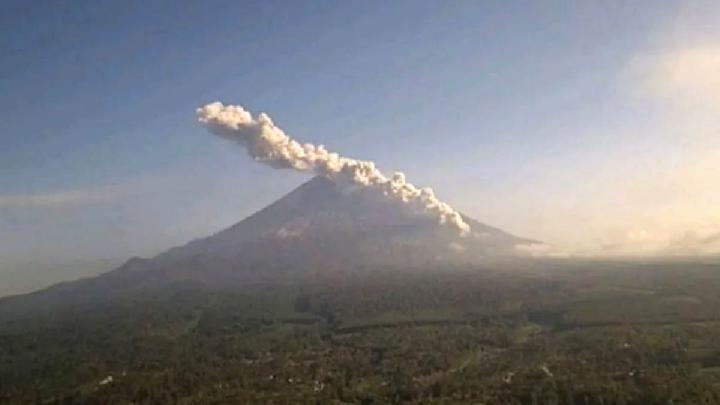
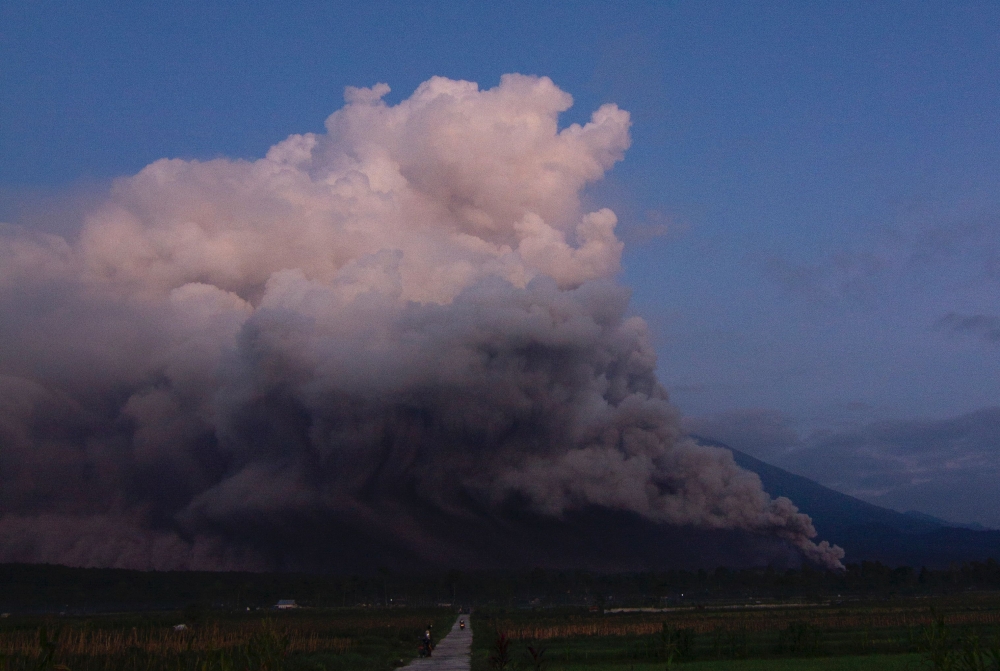
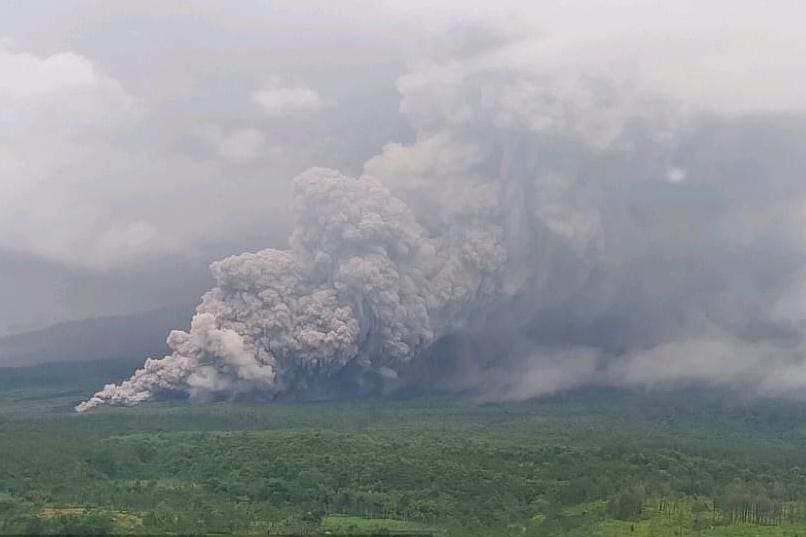
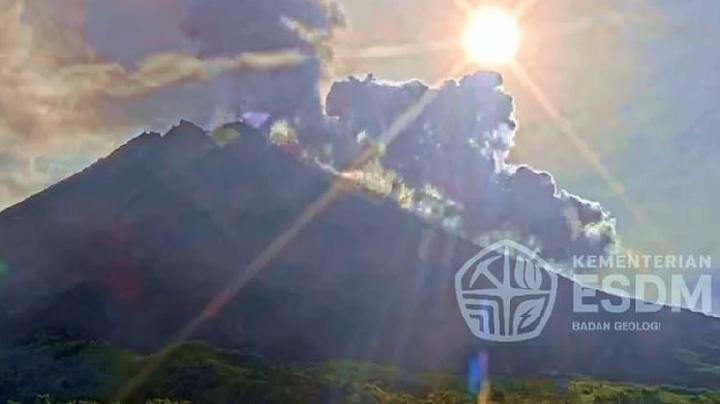
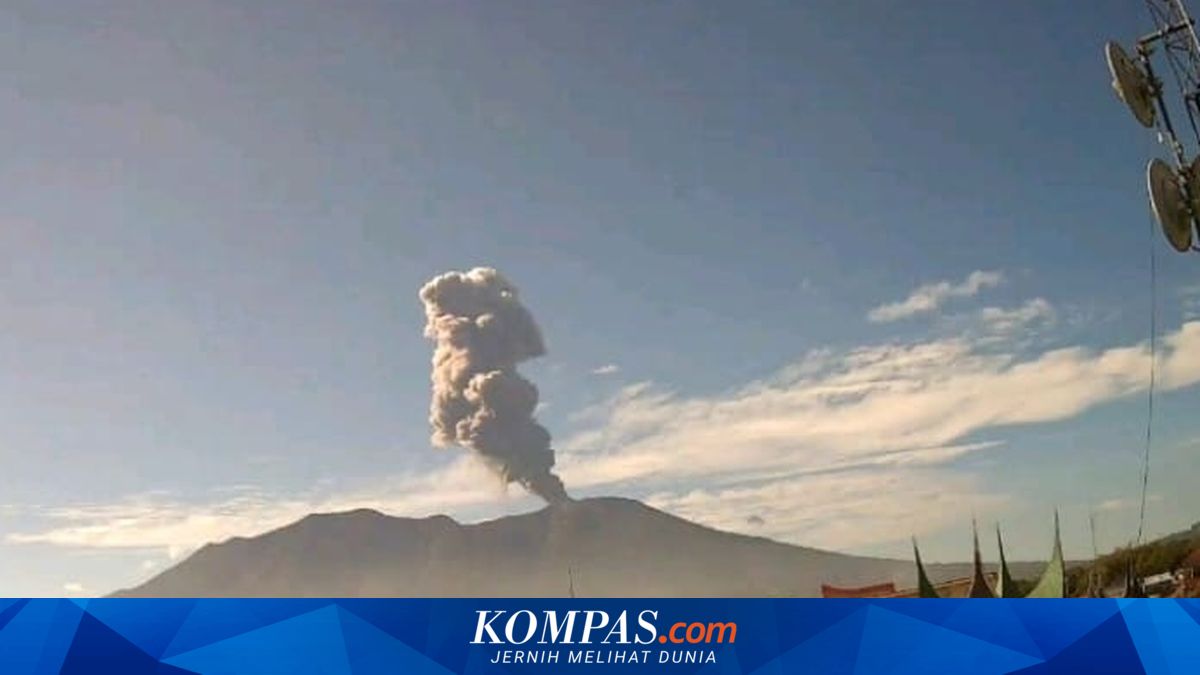
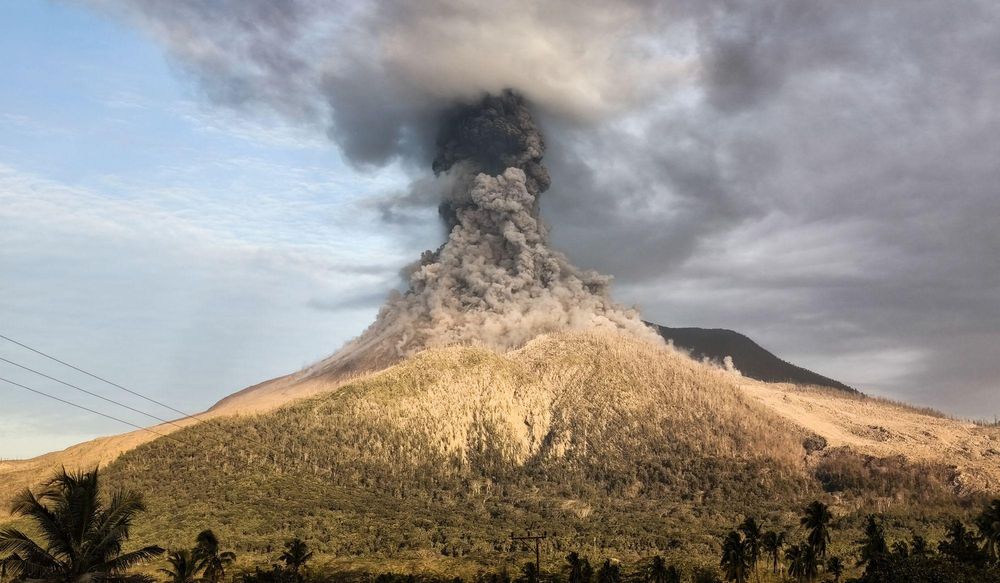
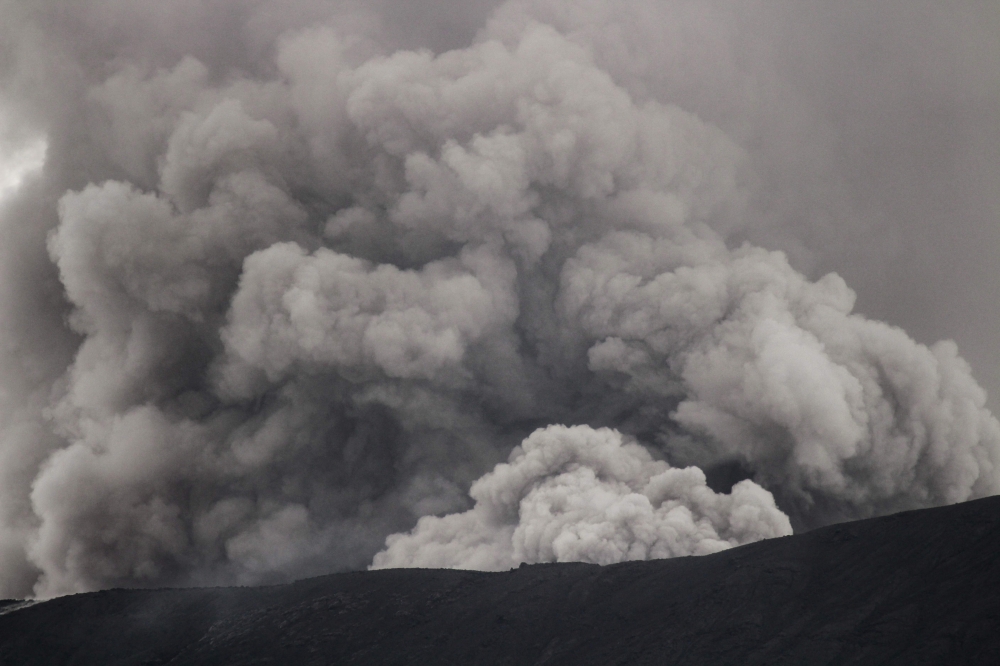
TEMPO.CO, Jakarta - The Geological Agency recorded Mount Semeru experiencing eruptive earthquakes up to 583 times during the period of May 23-31, 2026. The Acting Head of the Geological Agency, Lana Saria, noted the high seismic activity of the volcano.According to data from the Geological Agency received by Tempo on Wednesday, June 3, 2026, the local seismicity was dominated by eruptive or explosive earthquakes, deep volcanic earthquakes, rockfall earthquakes, gas explosion earthquakes, tremors, and distant tectonic earthquakes.Instrumental observations conducted at the Semeru Volcano Observatory Post (PGA) logged 583 eruptive earthquakes, 20 rockfall earthquakes, 2 deep volcanic earthquakes, 108 gas explosion earthquakes, 24 harmonic tremors, and 43 distant tectonic earthquakes.Meanwhile, visual observations over the same period noted a white-to-gray eruptive column drifting southwest and northeast, reaching heights of 400 to 1,500 meters above the summit.In addition, white and gray crater smoke of thin-to-medium intensity was observed rising 100 to 300 meters from the peak. Lava avalanches were also spotted traveling 500 to 1,000 meters in a southeastern direction, alongside pyroclastic flows (hot avalanche clouds) that charted a sliding distance of 2,000 to 2,500 meters from the summit toward the southeast.Lana clarified that the ongoing pyroclastic flows are primarily a response from unstable surface material. "And they are not due to active magmatic processes," Lana Saria stated in a written release on Wednesday, June 3, 2026.She further noted that deformation monitoring results throughout the May 23–31 window displayed a relatively stable pattern. "This indicates the absence of any accelerating pressure buildup inside the volcano," she explained.Nevertheless, Lana urged the public to remain vigilant against potential pyroclastic flows, lava collapses, and cold lava mudflows (lahars) along nearby river channels and valleys. "In the southeast sector, along the Besuk Kobokan riverbed within a 13-kilometer radius of the eruption center, there remains a persistent threat of expanding pyroclastic and lahar flows," she warned.Furthermore, areas within 500 meters of the riverbanks along Besuk Kobokan up to a distance of 17 kilometers from the peak face similar risks of expanding flows. "The explosive eruption hazard zone is restricted to within 5 kilometers of the crater, where there is a risk of being struck by airborne volcanic debris," Lana said.Despite the activity, she confirmed that Mount Semeru's official status is currently holding steady at Alert Level III, or 'Watch'.A report from the PGA Post on Mount Sawur, located in Sumber Wuluh Village, Candipuro District, Lumajang Regency, noted a fresh eruption on Wednesday morning at 08:29 a.m. WIB, with an ash column rising approximately 800 meters above the peak, or roughly 4,476 meters above sea level. The visible ash column appeared white to gray with moderate intensity, drifting toward the south. This marked the fourth distinct eruption reported since 06:00 a.m. WIB that morning.Read: Three Volcanoes Erupt Overnight Across IndonesiaClick here to get the latest news updates from Tempo on Google News