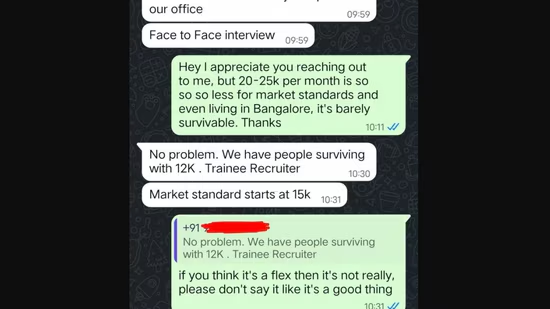
A recent post on X (formerly Twitter) by a healthcare IT professional, Sumanth Raman has triggered a heated debate on hiring expectations, salary jumps, and how today’s job market is changing. The discussion started after Raman shared an interview experience that quickly turned into a larger argument about pay gaps, generational expectations, and employer–employee dynamics.ALSO READ: Uday Kotak’s AI-wake up callThe Interview That Started It AllAccording to his post, Raman interviewed a candidate for the role of a techie with around 4 years of experience. The candidate currently earns ₹7.2 lakh per annum (LPA), his post read.When the candidate was asked about expected salary, the candidate reportedly said ₹16 LPA—more than double his current compensation. Raman said that the conversation ended soon after, adding that he is “increasingly feeling out of touch with today’s generation.”ALSO READ: Petrol, Diesel Price Today (June 3)In a follow-up post, he defended his approach, questioning whether modern hiring practices now require asking candidates their expectations first and only then deciding whether to evaluate them.— sumanthraman (@sumanthraman) “Is This Even Realistic?” – The Core of the DebateThe post triggered sharply divided reactions online. One section of users asked what's wrong in a candidate who works his a** off expecting a good CTC, others explained that the candidate is asking 100% hike which is bound to be questioned. While some supported the candidate’s expectation, arguing that salary jumps are justified in a highly competitive tech industry where switching jobs is often the only way to get meaningful raises.Some critical responses included sentiments like:High expectations are justified if the candidate has strong skills and performanceEmployers should stop undervaluing skilled professionalsOlder hiring mindsets may not reflect current market realitiesOne strongly worded reaction called out “elitist thinking” and argued that professionals should not be judged for expecting higher compensation if market demand supports it.The Other Side: Market Reality and Budget ConstraintsHowever, not everyone agreed. Another group pointed out that not every company can afford to double salaries for mid-level employees, regardless of ambition or talent."You're right to increasingly feeling out of touch with a generation that knows what they are worth, and what the market price is. In your generation you didn't have the tools that the market has at disposal now to know when they are being shortchanged. Obviously you'll feel out of touch. Current generation has higher self respect per capita," said a user."It is not about years of experience vs pay..What value does a candidate bring in ? If his expertise justifies it, then nothing wrong in paying a good candidate...Just because he is asking more than double does not mean conversation should'nt go forward...," said another.Key arguments included:A 100% salary hike is not standard across industriesCompensation must align with internal pay structuresMany roles in other sectors (like retail and services) pay significantly less for equal or harder physical effortEmployers are still within rights to question steep jumps in expectationsSome also argued that expectations must be grounded in the company’s budget and industry benchmarks, not just personal aspiration.The Bigger Issue: Expectation vs Evaluation OrderBeyond the salary figure, the real debate turned into a broader hiring question:Should companies:First evaluate candidates purely on merit, orFirst filter candidates based on salary expectations?Traditionally, many Indian companies screen candidates based on expected CTC early in the process to avoid mismatches. However, evolving tech hiring practices—especially in startups and global firms—often prioritize skills first and negotiate compensation later.This gap in approach is where much of the disagreement is rooted.Why Salary Jumps Are Getting BiggerIndustry trends show that:Tech salaries often increase significantly when switching companiesTalent shortages in certain skills push compensation upwardInflation and cost of living are reshaping expectationsEmployees are more open about negotiating aggressively than beforeAt the same time, internal HR structures in many firms still follow incremental raise models, leading to mismatch expectations during interviews.The Ground Reality: No Easy AnswersThe controversy highlights a simple but uncomfortable truth—there is no single “correct” number in salary negotiations. For candidates, ₹16 LPA may feel like fair market value for their skillset and ambition. For employers, it may fall outside budget or internal parity rules.
“7.2 LPA to 16?”: Recruiter says he’s “out of touch with today’s generation” after 100% salary hike expectation, internet says 'nothing wrong in paying...'
A recent post on X ignited a debate on hiring expectations and salary jumps. A tech professional questioned a candidate's request for a 100% salary hike. This sparked discussions on market realities, generational differences, and employer-employee dynamics. The core issue revolves around whether to evaluate candidates on merit first or filter by salary expectations.
679 words~3 min read