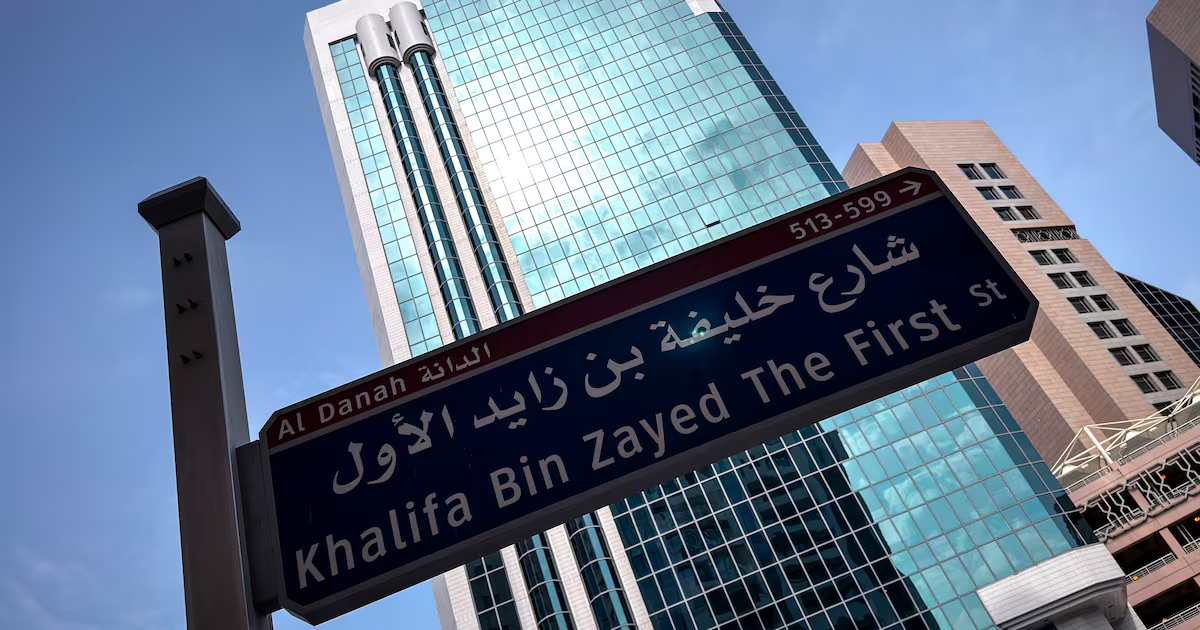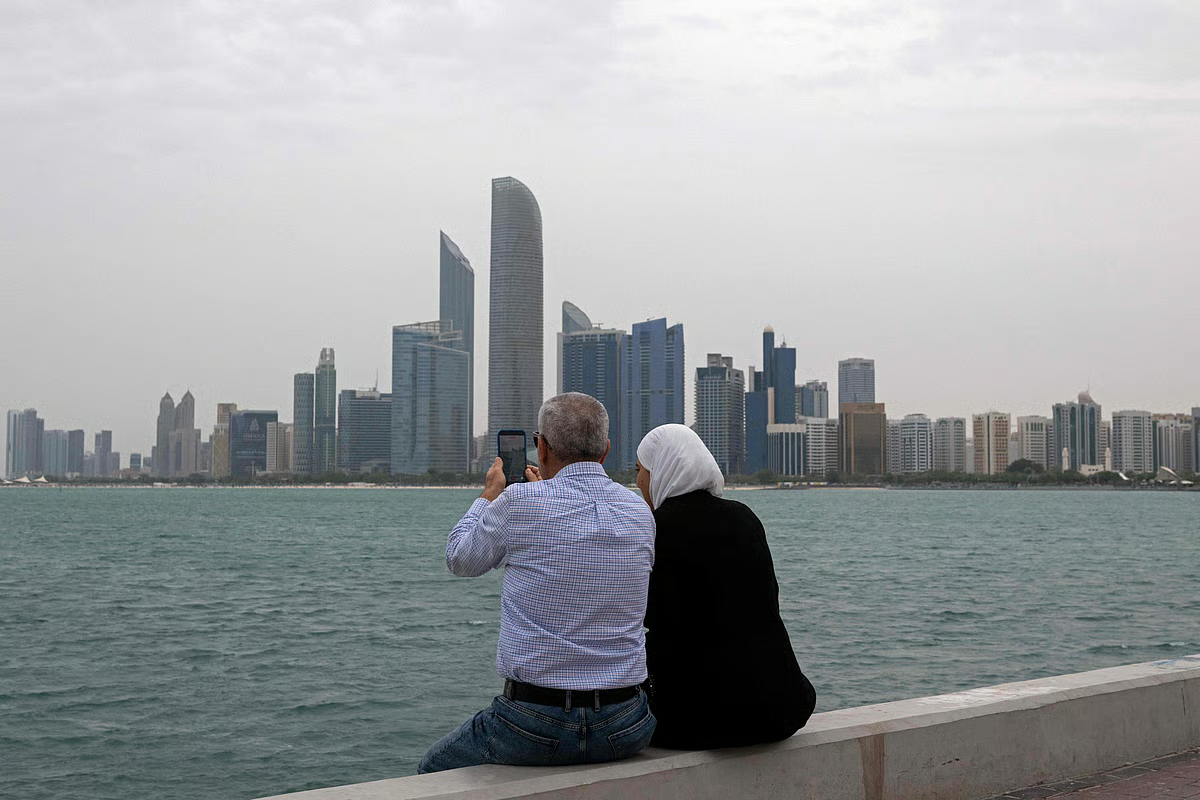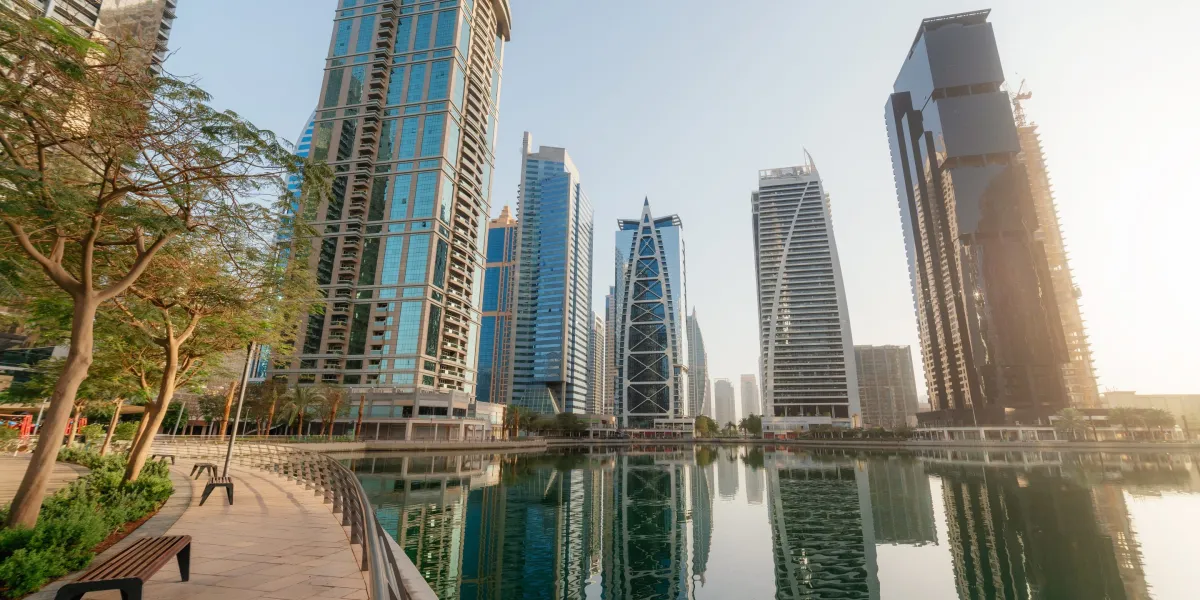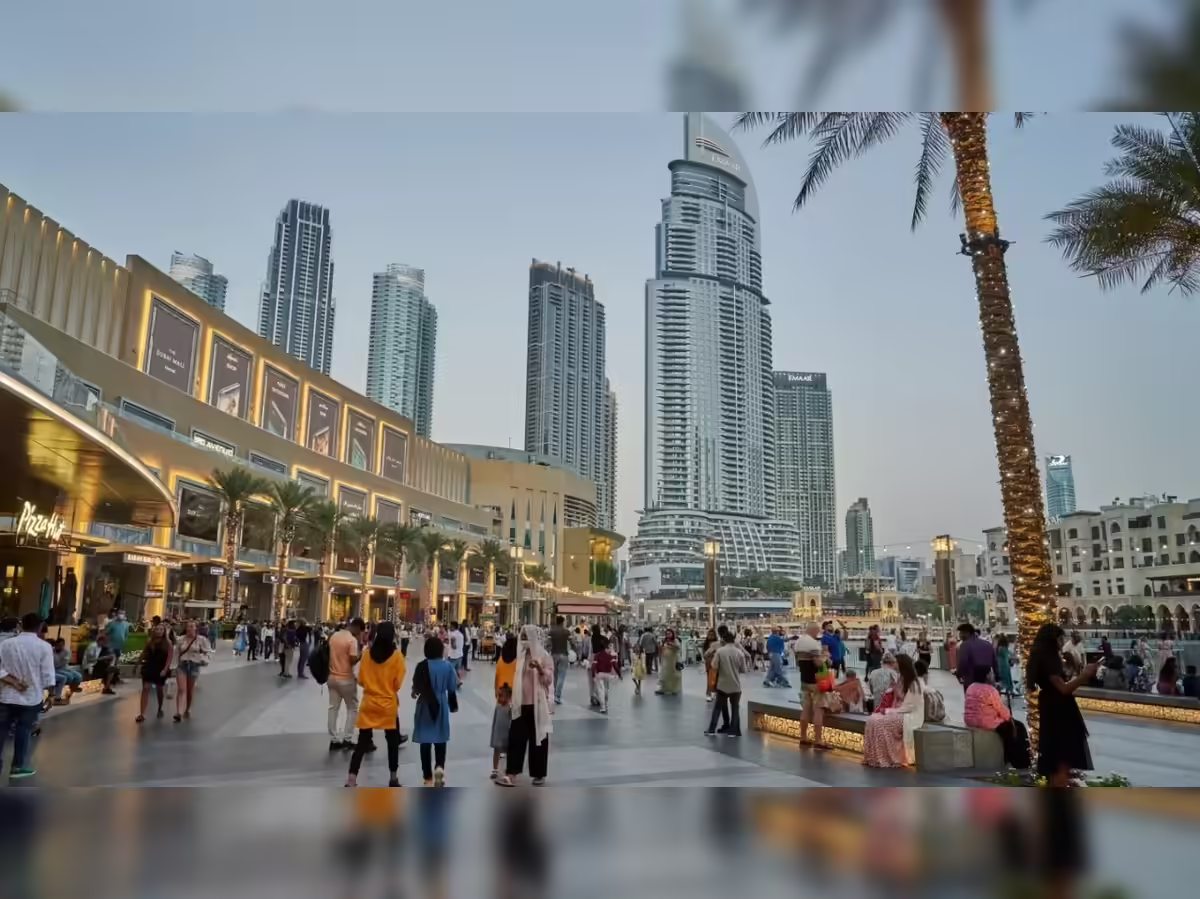
Abu Dhabi on Tuesday froze rents across residential, commercial and industrial properties, covering both renewals and new lease agreements, as a relief measure amid the prolonged regional conflict. However, no timeline was indicated for the temporary measure.Experts, however, said that a similar blanket freeze was unlikely in the case of Dubai, given its position as an international, investment-driven real estate hub. They pointed out that such an intervention could dampen investor sentiment and potentially slow future supply additions.Indians are among the top buyers of real estate in Dubai. Last year, they accounted for about 23% of the total transactions, according to various estimates, chasing yields of 7-10%.Experts said a downward pressure on rentals may support tenants and businesses, but may disturb the yield math for investors.According to projections by real estate consultancy firm ANAROCK, Dubai’s gross rental yields are expected to soften to 5.5-7% across the market in 2026, versus 7-9% achievable two years ago.“Your rent stays the same,” Abu Dhabi Real Estate Centre (ADREC) said in an announcement in a social media post on Tuesday, which came into effect immediately. It said any new tenancy contract for a previously rented unit must be signed at the same rental value as the preceding lease, effectively preventing rent increases during the period. Earlier, rents could be revised by up to 5% annually. Experts noted that in the near term, the move limits the rental upside to an extent. “This…will moderate the RoI for existing landlords, especially considering that the rental index was pointing towards a 25-30% increase in some zones,” said Anuj Kejriwal, CEO EMEA, ANAROCK Group.While foreign buyers accounted for over 60% of the total Abu Dhabi residential sales value in 2025, Indians are not a sizable cohort, like is in the case of Dubai.“In Abu Dhabi, yield-plus-capital-appreciation focused Indian investors face an instant income ceiling. Long-term holders are not hurt badly because the capital appreciation story remains intact…those who underwrote deals hoping for near-term rental re-pricing, especially on newly launched or recently delivered inventory, will have to bring down their income projections and extend their return horizons,” said Kejriwal.Unlike Abu Dhabi, Dubai's real estate market is driven by international investment and higher transaction volume. “A complete rent freeze in Dubai could offer short term relief to tenants but may also affect investor confidence, rental yields and future housing supply,” said Sahitya K Chaturvedi, secretary general, Indian Business & Professional Council (IBPC).Rental yields may moderate in DubaiOfficial data for April and May show that average rental for new contracts has moderated to AED 53,000 per annum from AED 60,000 in the corresponding months last year, indicating a downward pressure on rental activity.Rental renewals in the emirate stood firm at 63,800 AED between April 1 and May 31, as against AED 64,000 in the corresponding period last year.“Landlords are increasingly prioritising tenant retention over rent optimisation,” said Aditya Earnest John, founder, How to DXB Real Estate. "As a result, we are seeing landlords become more flexible on renewals, with waivers or rental reductions in the range of 15% to 20% in certain cases, particularly where tenants have a strong payment history and are willing to commit for a longer term," he said.Despite some moderation, Dubai rental yields remain the most attractive, though they have softened from the 2023-24 peak, said Kejriwal of ANAROCK. He further noted that gross rental yields in premium areas such as Palm Jumeirah and Downtown Dubai have dropped to 4-5%, while mid-market areas such as Jumeirah Village Circle (JVC) remain at 7.8-9%+.
Abu Dhabi imposes rent freeze amid conflict; experts rule out similar move in Dubai - The Economic Times
Abu Dhabi has frozen property rents for residential, commercial, and industrial spaces. This measure aims to provide relief during the ongoing regional conflict. Experts believe Dubai will not implement a similar freeze. This is because Dubai is an international investment hub. Such a move could impact investor sentiment and future property development.
585 words~3 min read