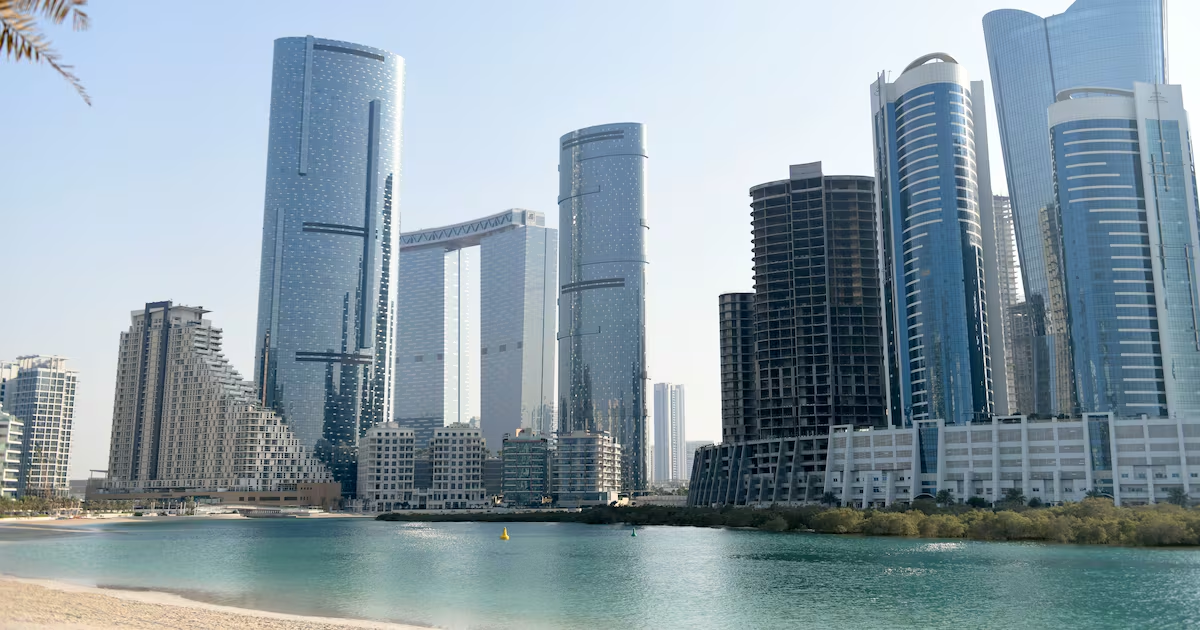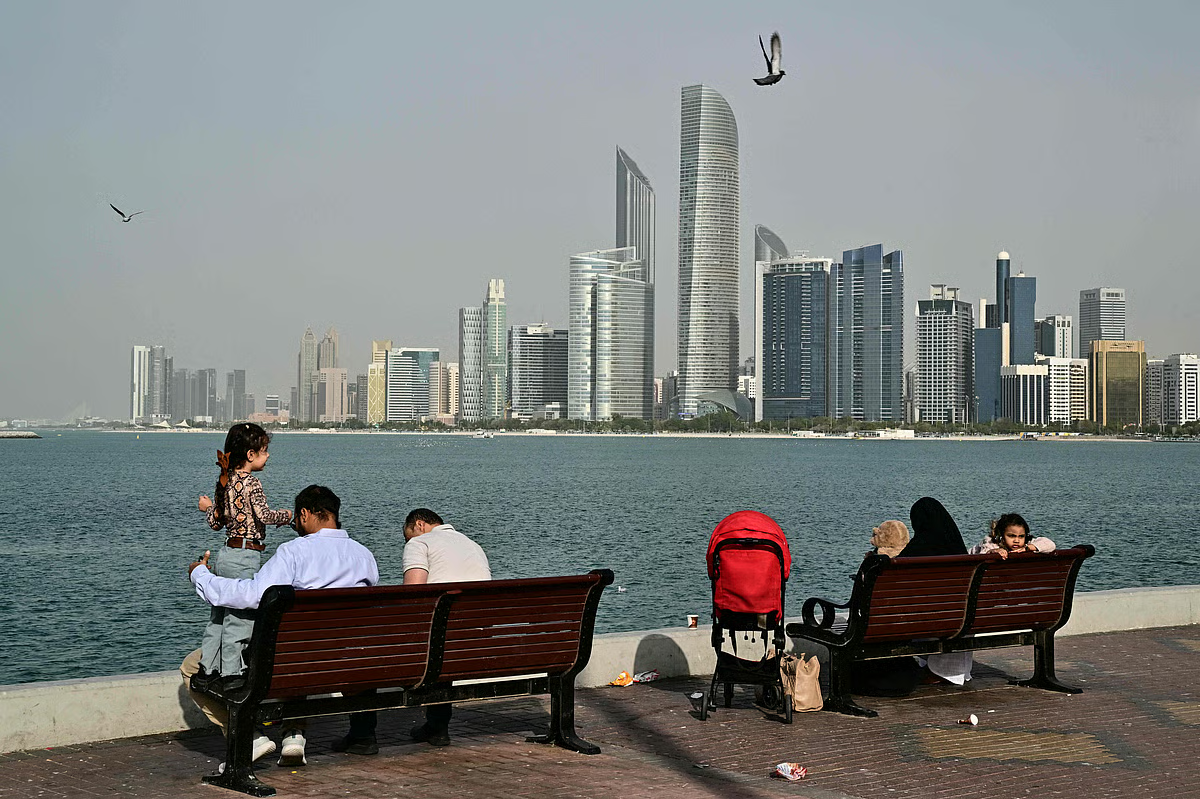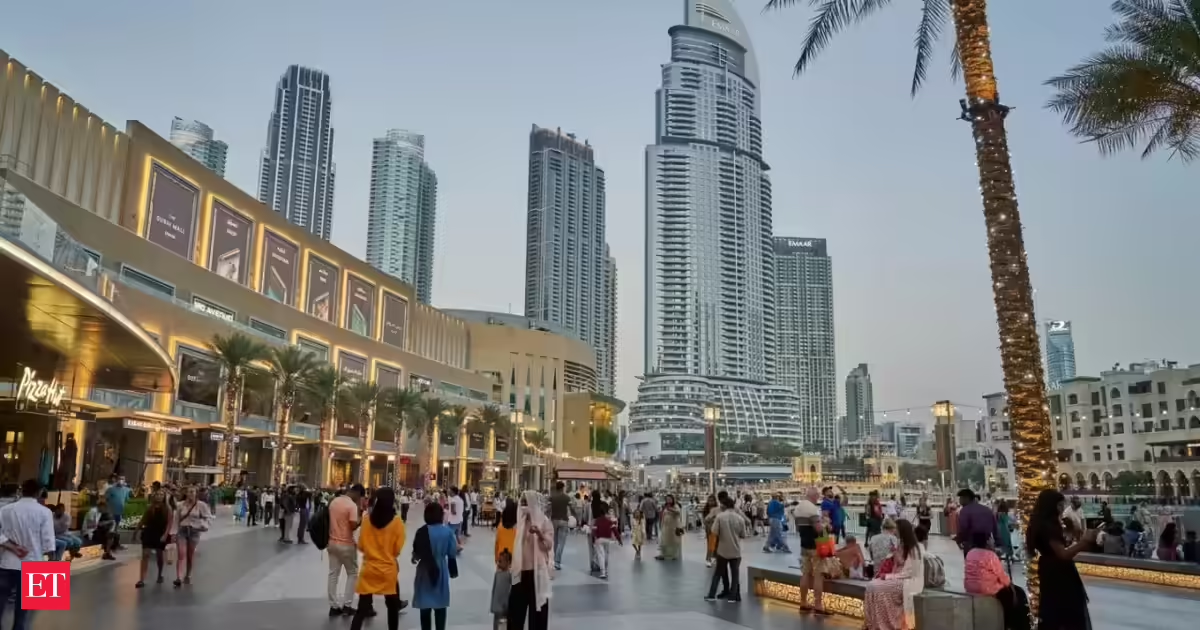
Dubai: Abu Dhabi on Tuesday froze rents across residential, commercial and industrial properties, covering both renewals and new lease agreements, as a relief measure amid the prolonged regional conflict. However, no timeline was indicated for the temporary measure.Experts, however, said that a similar blanket freeze was unlikely in the case of Dubai, given its position as an international, investment-driven real estate hub. They pointed out that such an intervention could dampen investor sentiment and potentially slow future supply additions.Read more: Insurance cos expand war-risk cover in UAE as tensions riseIndians are among the top buyers of real estate in Dubai. Last year, they accounted for about 23% of the total transactions, according to various estimates, chasing yields of 7-10%.Experts said a downward pressure on rentals may support tenants and businesses, but may disturb the yield math for investors.According to projections by real estate consultancy firm ANAROCK, Dubai's gross rental yields are expected to soften to 5.5-7% across the market in 2026, versus 7-9% achievable two years ago."Your rent stays the same," Abu Dhabi Real Estate Centre (ADREC) said in an announcement in a social media post on Tuesday, which came into effect immediately. It said any new tenancy contract for a previously rented unit must be signed at the same rental value as the preceding lease, effectively preventing rent increases during the period. Earlier, rents could be revised by up to 5% annually.Read more: War puts brakes on UAE realty boom as Dubai projects face delaysExperts noted that in the near term, the move limits the rental upside to an extent. "This...will moderate the RoI for existing landlords, especially considering that the rental index was pointing towards a 25-30% increase in some zones," said Anuj Kejriwal, CEO EMEA, ANAROCK Group.While foreign buyers accounted for over 60% of the total Abu Dhabi residential sales value in 2025, Indians are not a sizable cohort, like is in the case of Dubai.
Abu Dhabi imposes rent freeze amid conflict; experts rule out similar move in Dubai
Abu Dhabi has frozen property rents for residential, commercial, and industrial spaces. This measure aims to provide relief during the ongoing regional conflict. Experts believe Dubai will not implement a similar freeze. This is because Dubai is an international investment hub. Such a move could impact investor sentiment and future property development.
319 words~1 min read