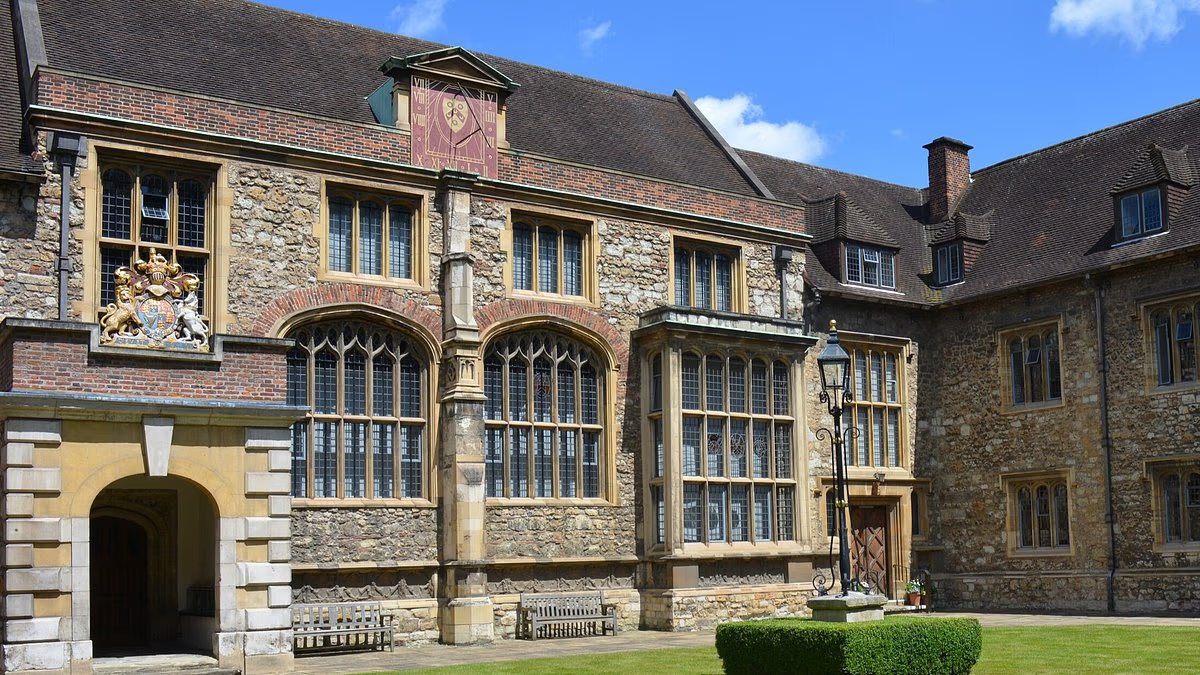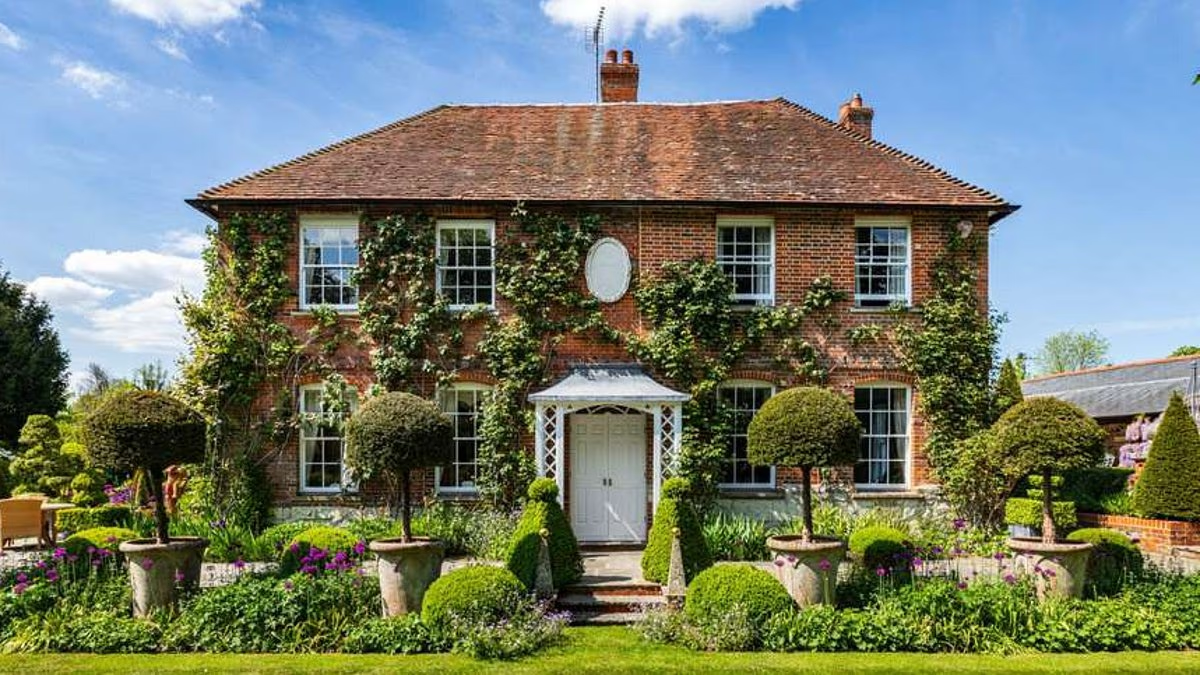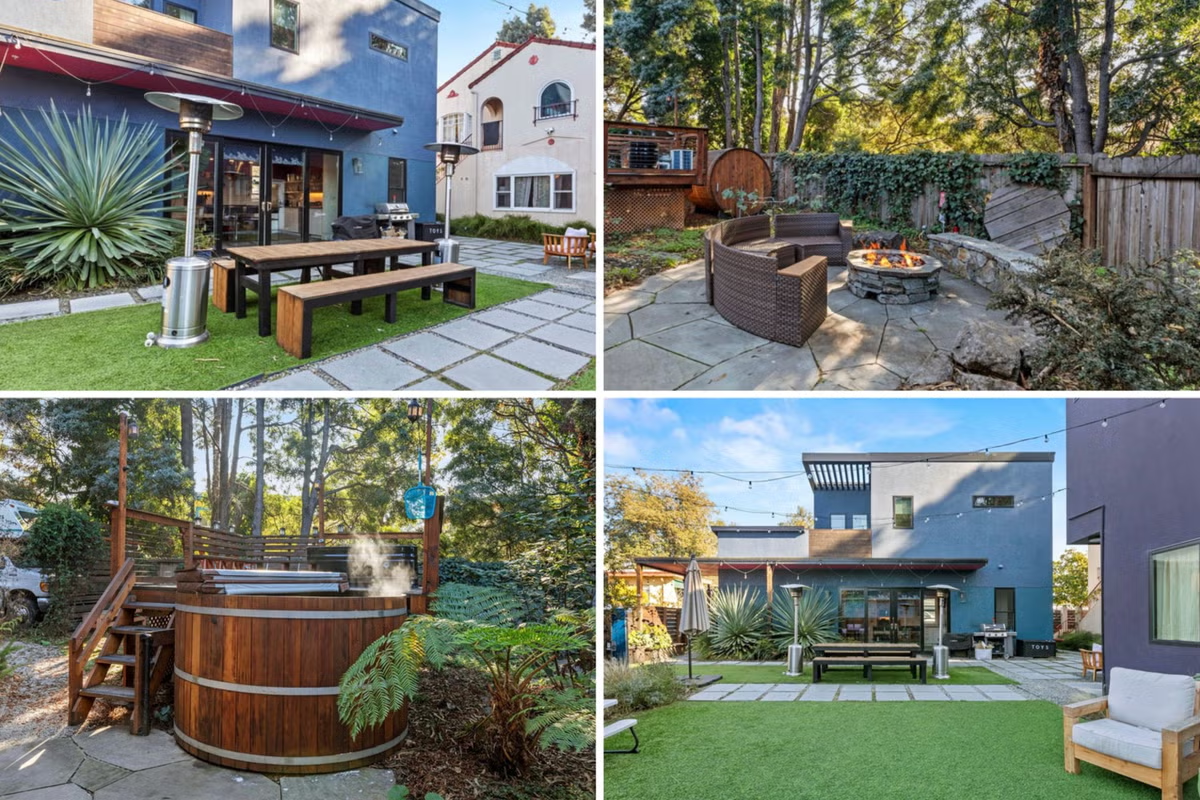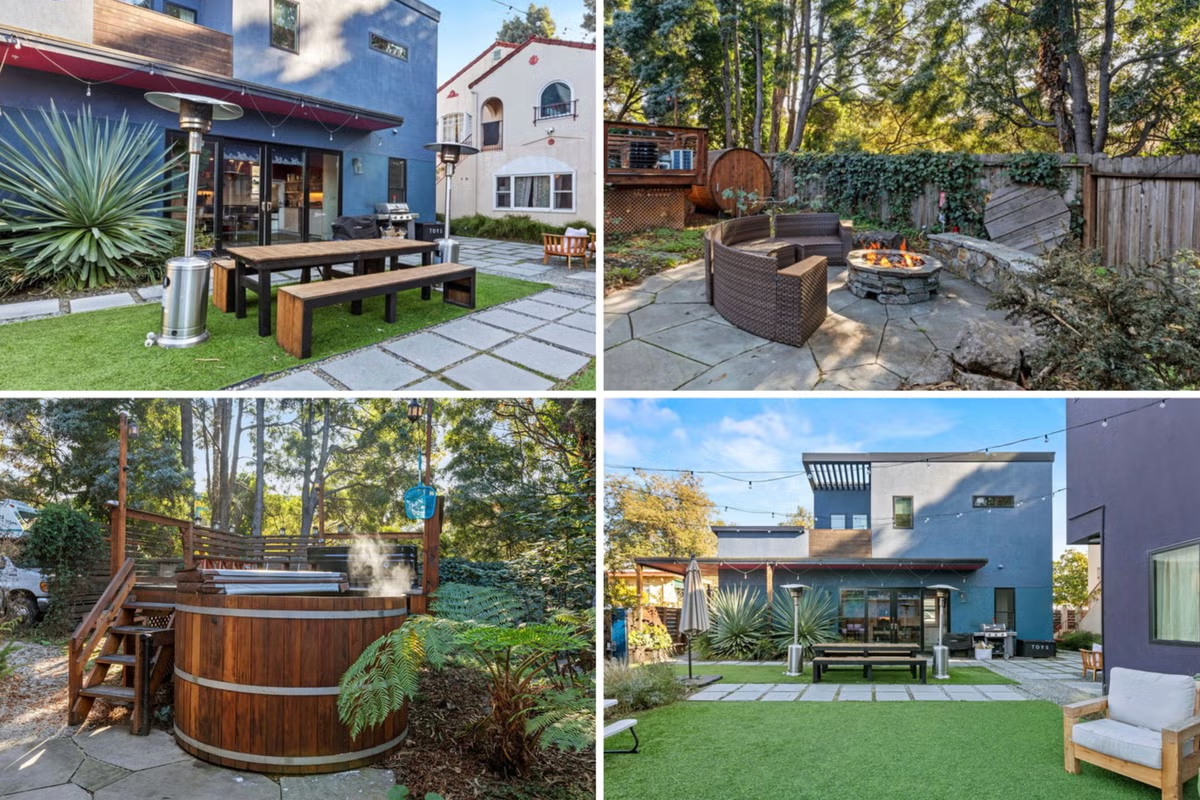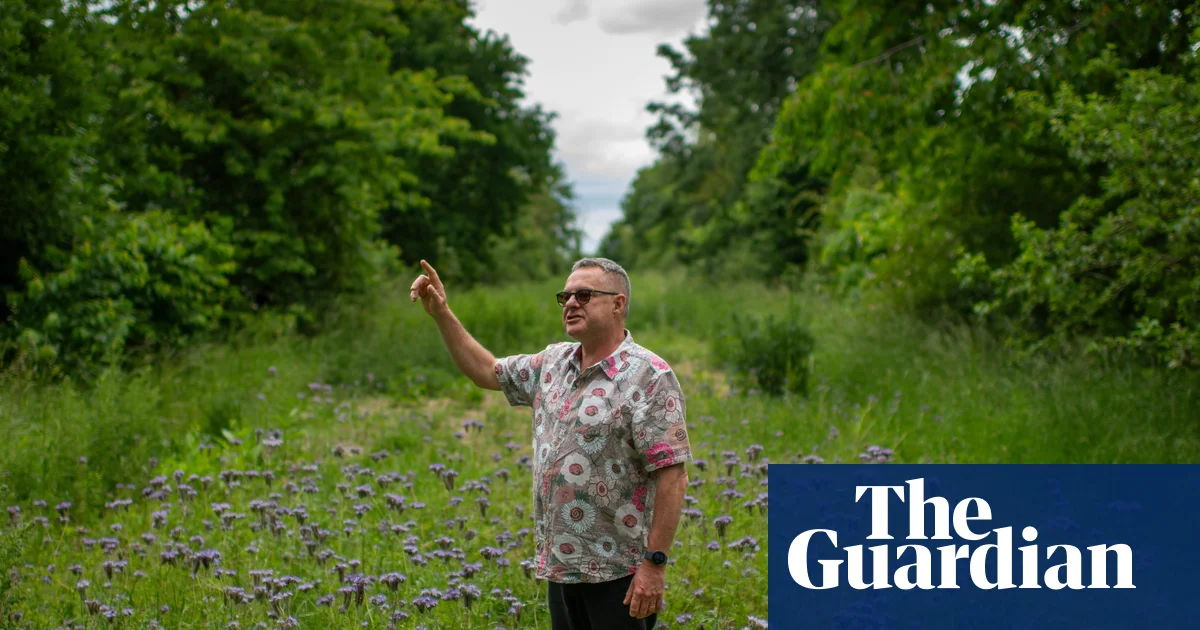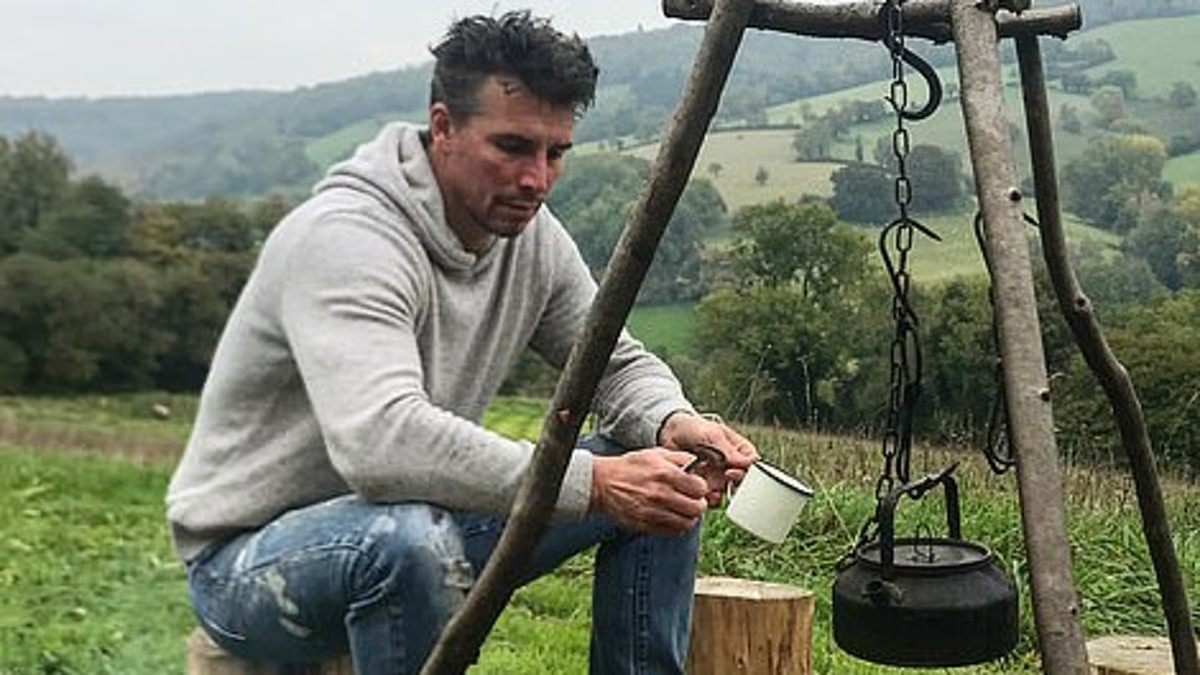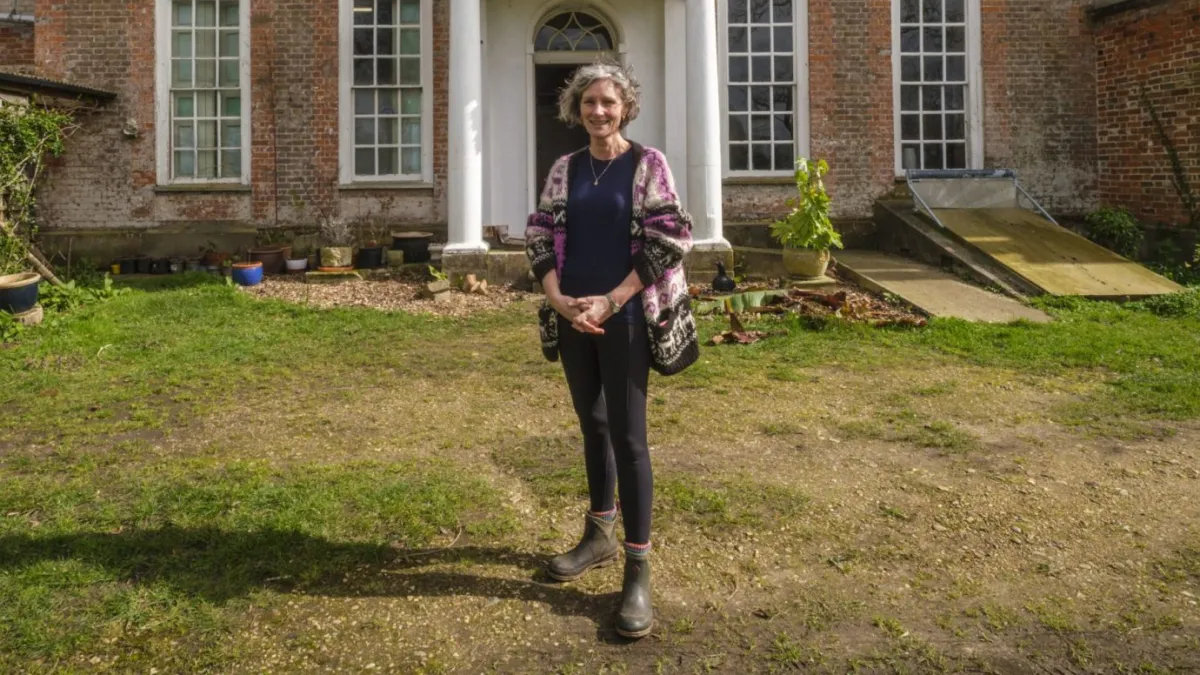
I arrive in the Suffolk countryside on a quiet Monday morning to experience an alternative way of living. Sixty-three acres of this farming community stretch out in every direction: meadows, vegetable plots, a homemade sauna that seats a dozen people and a barn housing cheerful brown cows.
Perched on the farm is a sprawling manor house – where 60 people live in an “intentional community” – a type of commune, though they wouldn’t call it that.
There are retirees, parents with young children, doctors, teachers, lawyers and financiers, as well as 20-somethings in search of an antidote to modernity. All of them are united by one thing: radical optimism. They are lucky to be here: applications to join the community have skyrocketed, with hundreds on a waiting list patiently hoping to get the call-up. Once a space becomes available, the group invites them to visit for the day before vetting them for cultural fit.
The estate is tucked away in a quiet, postcard-perfect village in Suffolk, close to Colchester (I have agreed not to reveal the name or the specific location of the community).
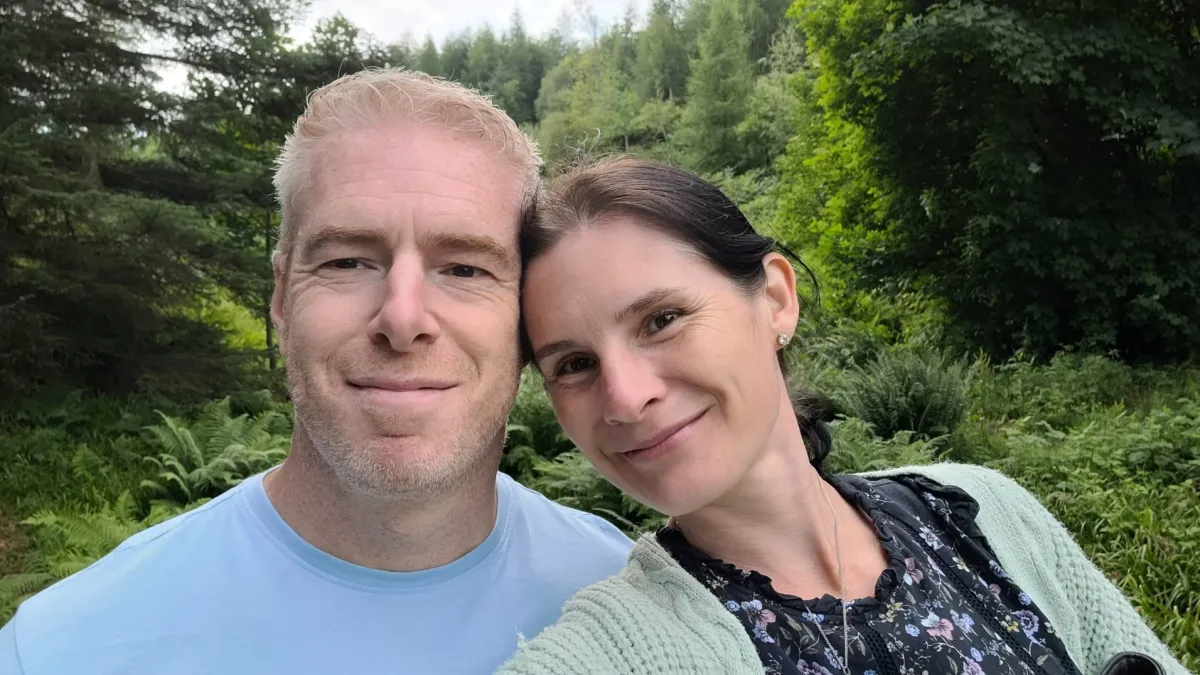
Naomi Leake, a 61-year-old art teacher who has been resident here for six years with her partner and teenage daughter, meets me at the gate on a day in early spring. The tulips are just beginning to break through the soil – residents can be seen toiling on the farm or toiling on their laptops in quiet corners. Naomi points out firepits and makeshift hideaways where members have hosted weddings and celebrations over the years and a quieter corner of the land where some have been buried amongst the trees.