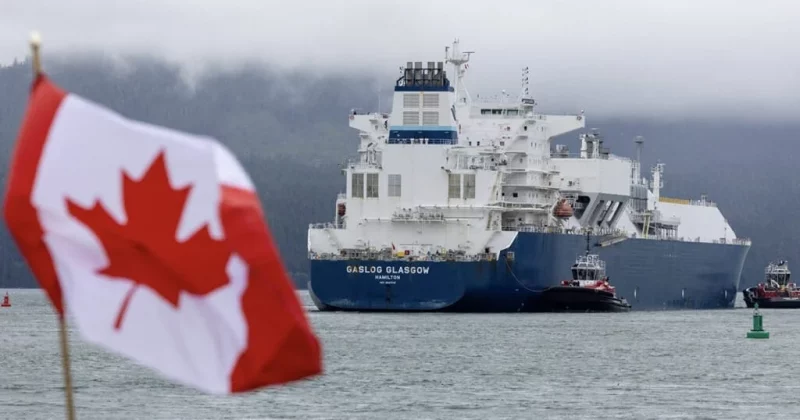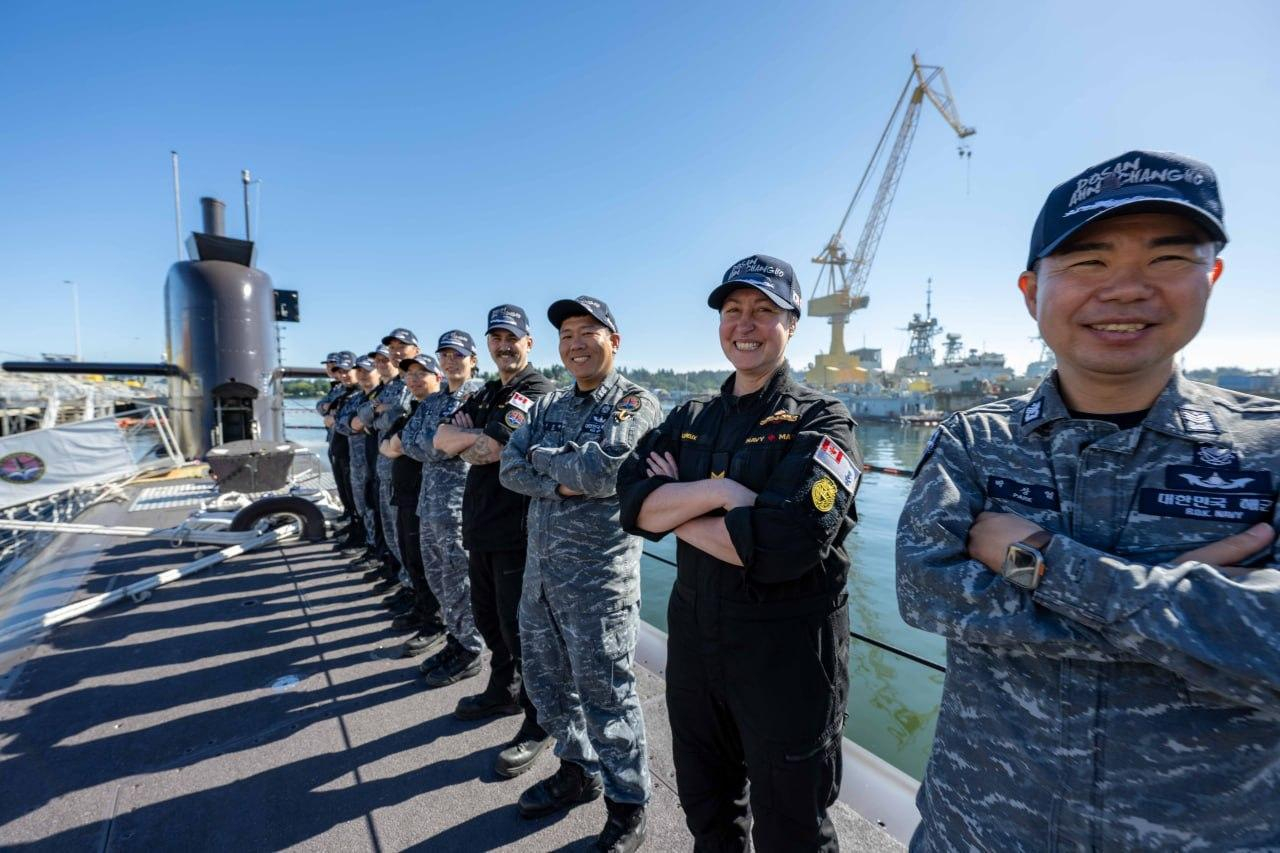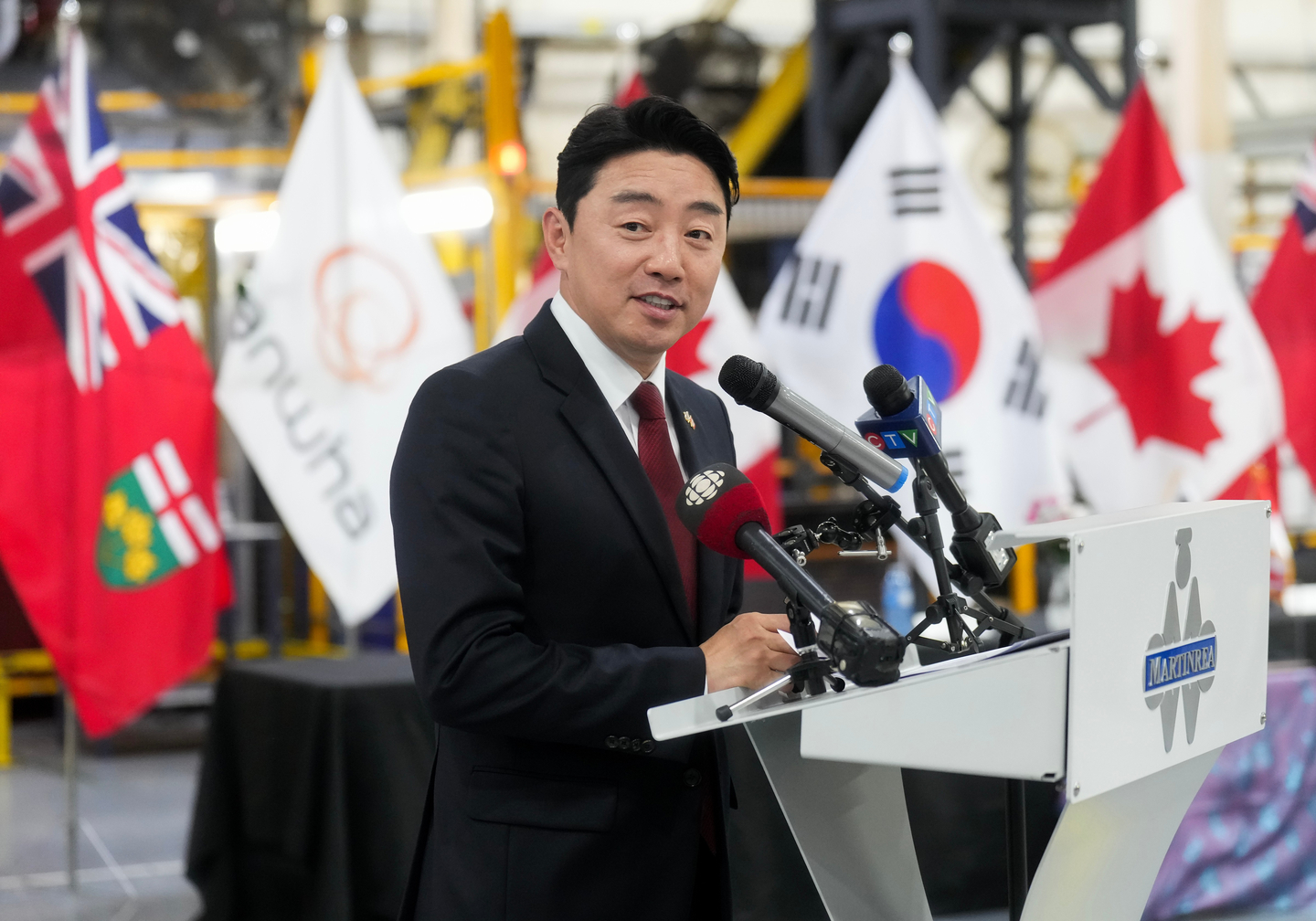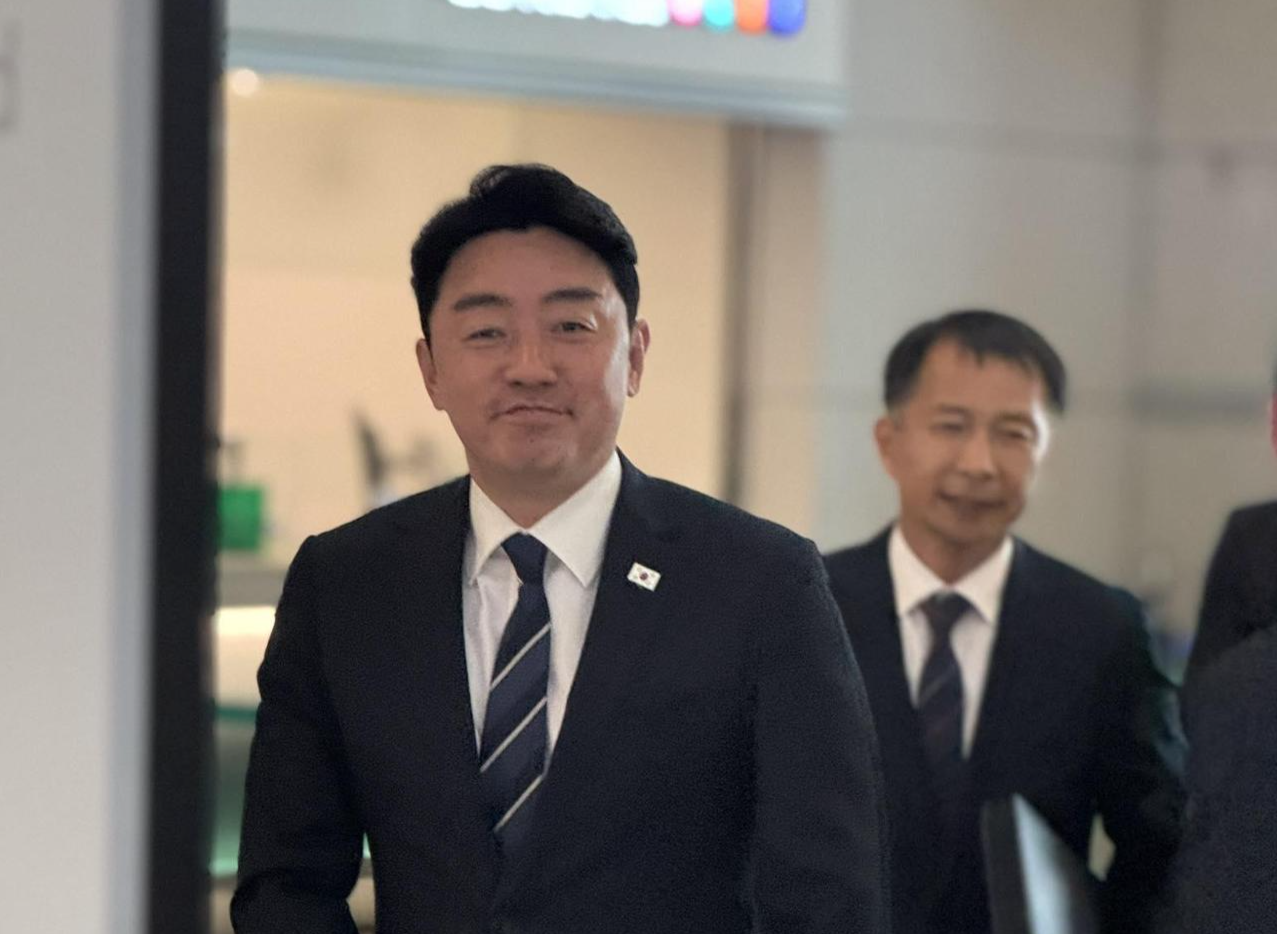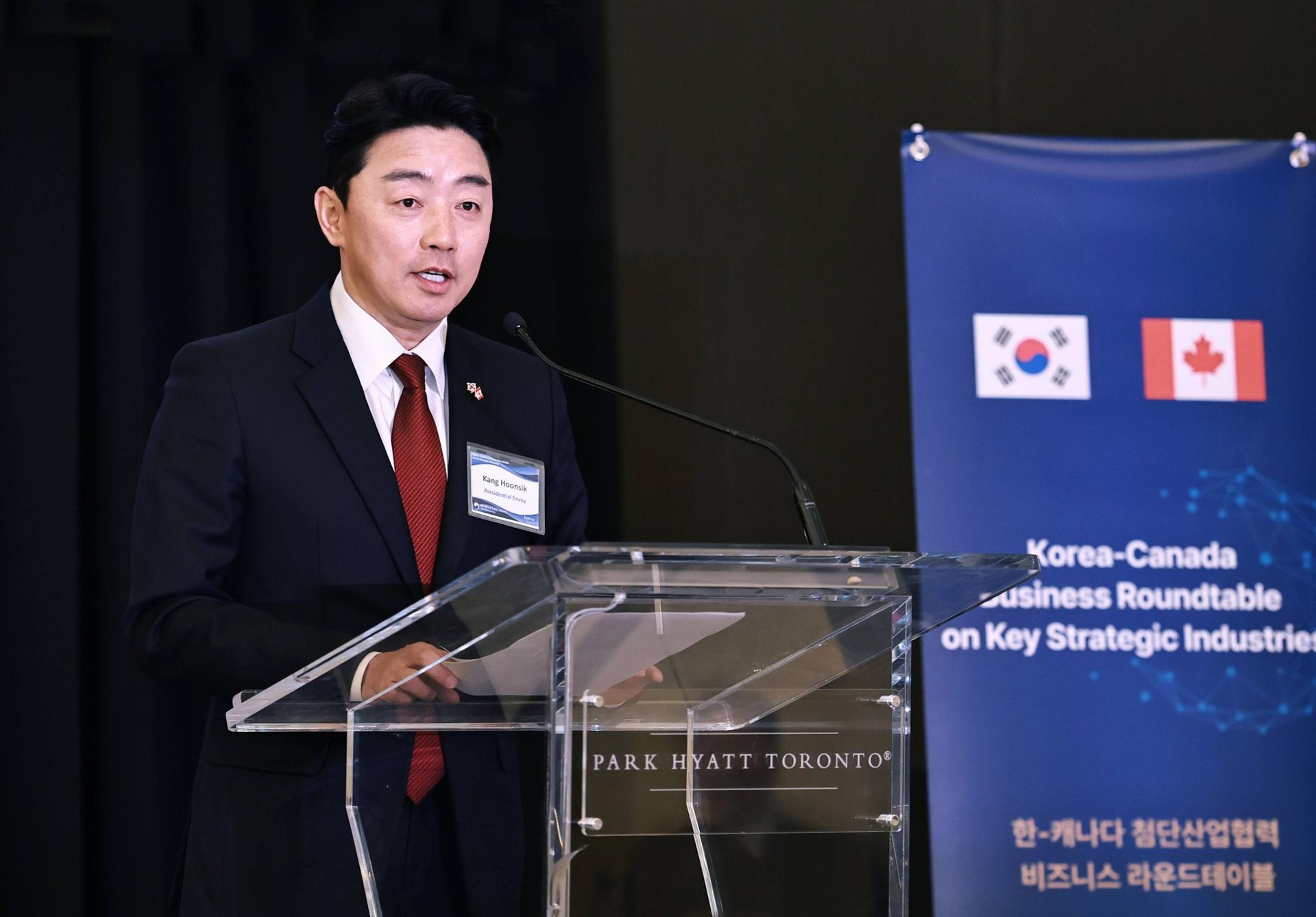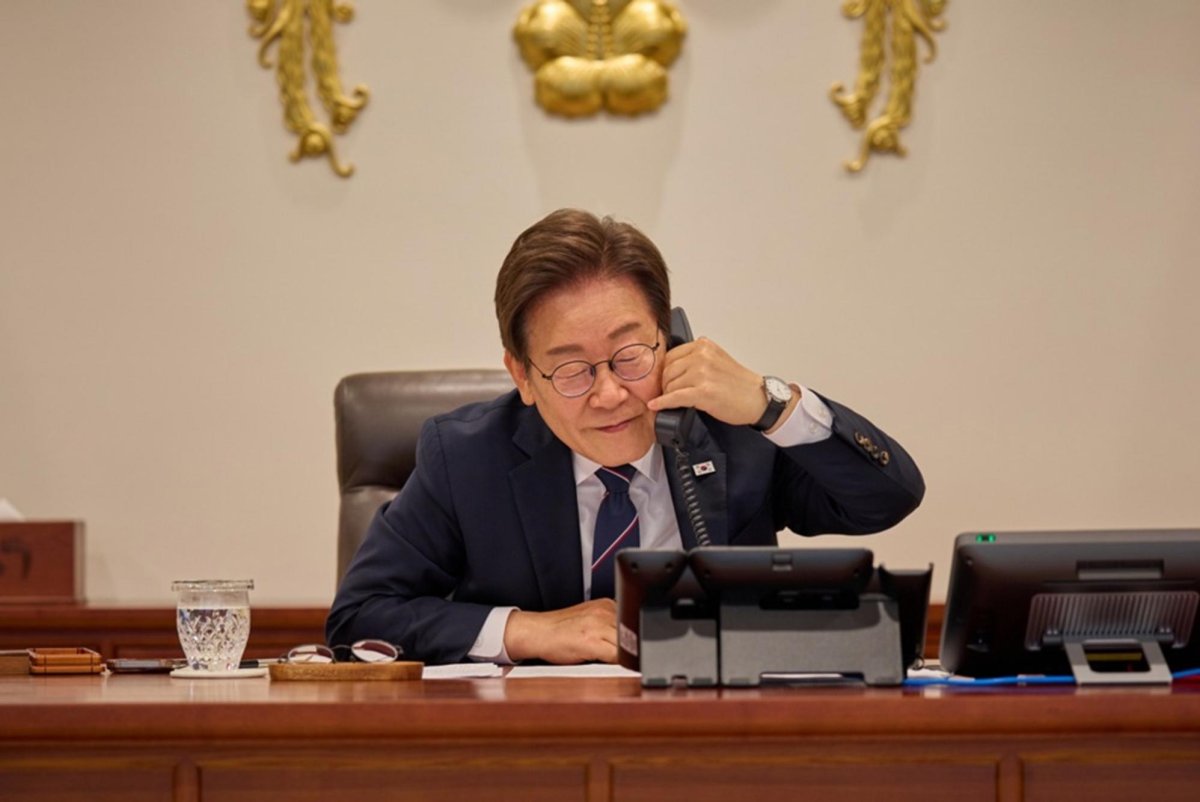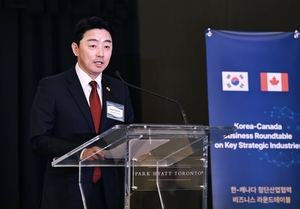
Seoul, Ottawa to draw up joint critical minerals stockpiling plan by year-end Presidential Chief of Staff Kang Hoon-sik speaks at a Korea-Canada forum on energy, resources and supply chain cooperation in Ottawa on Tuesday, co-hosted by South Korea’s Ministry of Trade, Industry and Resources and Canada’s Ministry of Energy and Natural Resources. (Courtesy of Kang’s Facebook) South Korea and Canada have agreed to deepen their partnership in energy and critical minerals as war in Iran and disruptions in the Strait of Hormuz reshape global supply chains.Under the agreement, Seoul plans to more than triple Canadian crude oil imports while securing additional LNG supplies through expanded investment in Canadian LNG projects.The agreement was reached Tuesday at a Korea-Canada forum on energy, resources and supply-chain cooperation in Ottawa, jointly hosted by South Korea’s Ministry of Trade, Industry and Resources and Canada’s Ministry of Energy and Natural Resources.The forum was held during Presidential Chief of Staff Kang Hoon-sik’s trip to Canada from Monday to Tuesday as a special envoy for strategic economic cooperation, marking his second visit to the country following a trip in late January.Seoul’s industry ministry underscored the importance of the partnership at a time when “the energy and resource supply-chain environment is being reshaped by prolonged instability in the Middle East and intensifying competition over critical mineral supply chains.”“In this context, Korea and Canada, which are geopolitically stable and share common values, are being regarded as each other’s best strategic partners,” the ministry said in a press statement.“Based on this shared recognition, the two countries agreed to expand their resource cooperation from a buyer-supplier structure into an integrated supply-chain partnership combining technology and capital.”Korea to become Canada’s third-largest oil importerAs the key outcome of the forum, the ministry said Korea will expand its imports of Canadian crude oil from 4.88 million barrels in 2025 to as much as 16 million barrels in 2026, an increase of approximately 3.3 times.The ministry said Seoul would explore ways to increase imports to as much as 20 million barrels annually.“In this case, Korea would emerge as Canada’s third-largest destination for crude oil exports after the United States and China,” the ministry said.“The two countries agreed to further strengthen such mutually beneficial cooperation, given that this also presents an opportunity for Canada — which has supplied more than 90 percent of its crude oil production to the US — to diversify its export routes to Asia, the world’s largest crude oil consumption region (by volume).”South Korea has been stepping up efforts to diversify energy supplies by securing alternative routes that bypass the Strait of Hormuz, the volatile Middle Eastern chokepoint through which most of South Korea’s energy imports from the region must pass.Canada’s LNG share in Korea to nearly doubleIn the LNG sector, South Korea seeks to secure 3.4 million metric tons of Canadian LNG annually, worth 6.41 billion Canadian dollars ($4.6 billion), by expanding its investment in Canadian projects to build natural gas liquefaction plants and export facilities.The ministry said South Korea’s procurement of Canadian LNG could rise to that level if Seoul joins the second phase of the LNG project in Kitimat, British Columbia. A final investment decision on the second phase is expected by the third quarter of this year.Korea Gas Corp. holds a 5 percent stake in the first phase of the LNG Canada project and is set to import 700,000 tons of LNG annually from September 2025.South Korea is also seeking to participate in Ksi Lisims LNG, a new project being developed on Canada’s northwest coast with an annual capacity of 2 million tons.“In this case, the share of Canadian LNG in South Korea’s LNG imports is expected to rise from 1.7 percent in 2025 to 3 percent in 2031,” the ministry said. “LNG shipped from western Canada, free from geopolitical risks, is expected to arrive in South Korea in just 13 days and contribute to supply stability.”Korea, Canada move to jointly stockpile critical mineralsOn critical minerals, Korea’s Industry Ministry and Canada’s Natural Resources Ministry agreed to devise plans for joint stockpiling of critical minerals by the end of the year.The Industry Ministry said President Lee Jae Myung and Canadian Prime Minister Mark Carney had agreed to jointly stockpile critical minerals during their phone call on May 8.According to the ministry, the two countries have a complementary industrial structure, with Canada being a major global producer of critical minerals and Korea as a major global buyer backed by its strong manufacturing base.Canada is currently South Korea’s third-largest source of mineral imports after Australia and Indonesia.“Based on this complementary industrial structure, the two countries agreed to actively support expanded investment and purchases between companies, while continuing discussions on policy measures to stabilize supply,” Seoul’s ministry said.Kang’s trip came as Canada is in the final stages of selecting a preferred bidder for the Canadian Patrol Submarine Project, which calls for the procurement of up to 12 submarines for the Royal Canadian Navy, with South Korea competing against Germany.
Korea to triple oil imports, secure more LNG from Canada amid energy shock
South Korea and Canada have agreed to deepen their partnership in energy and critical minerals as war in Iran and disruptions in the Strait of Hormuz reshape gl
827 words~4 min read