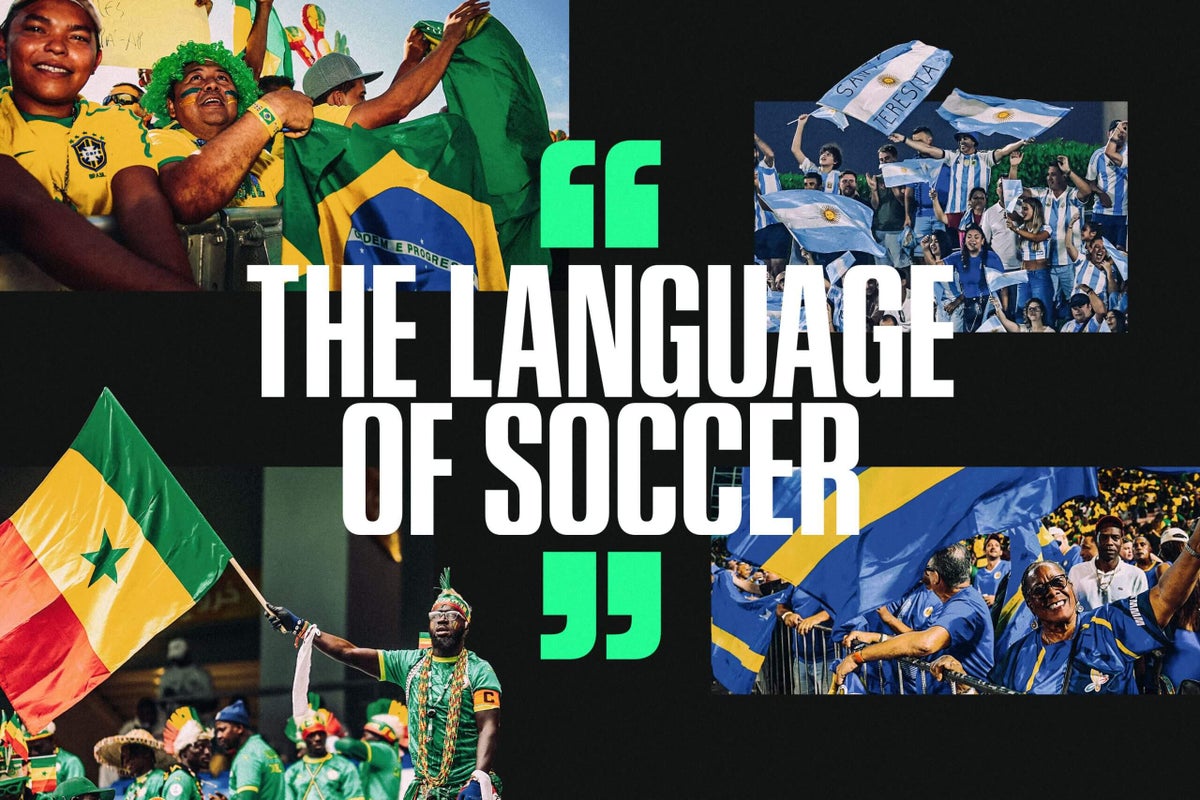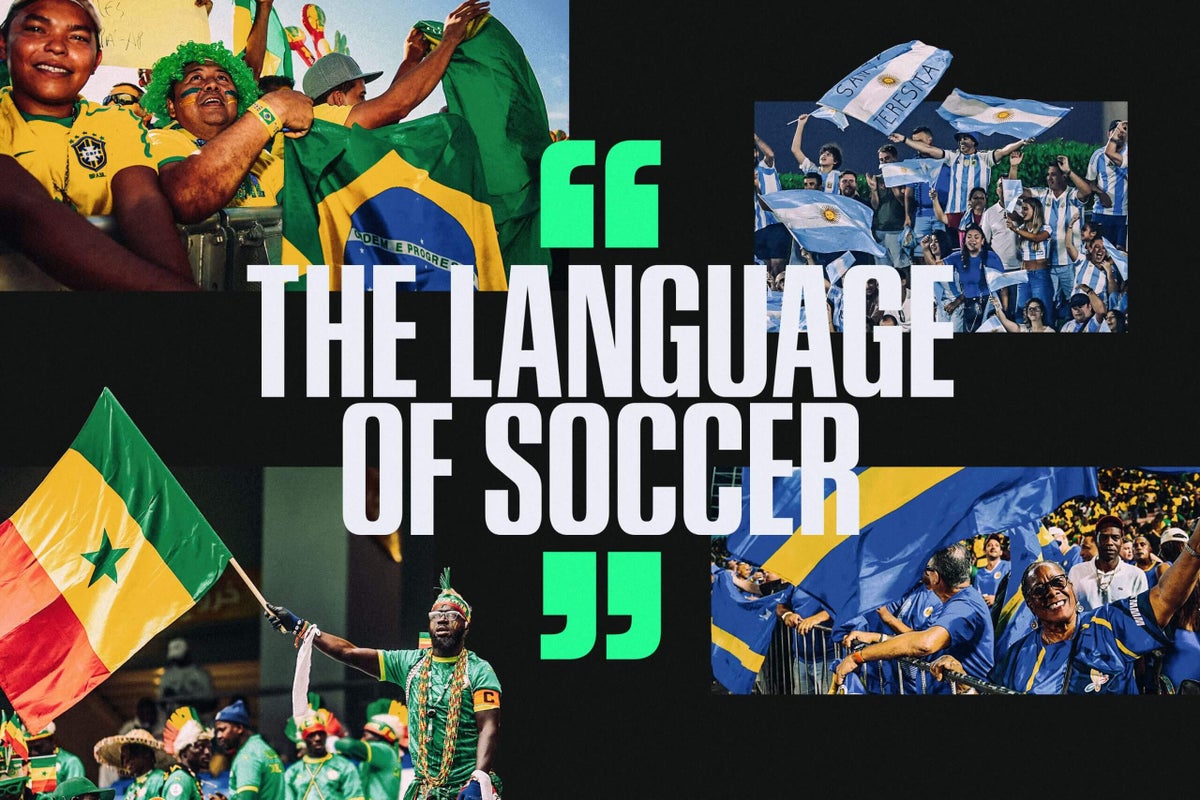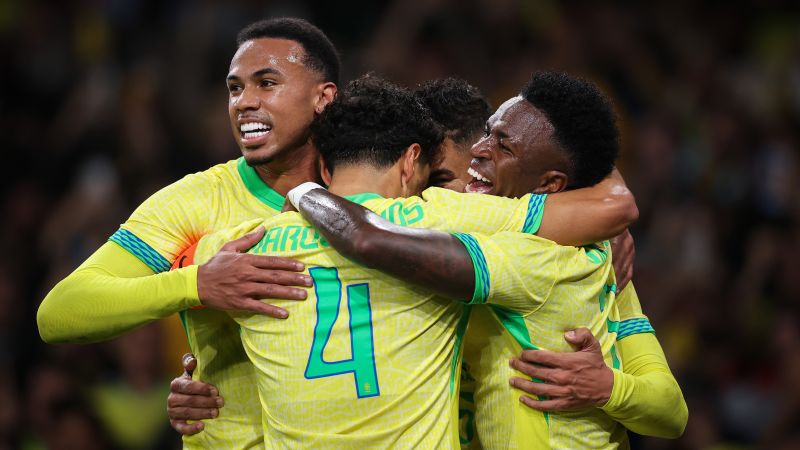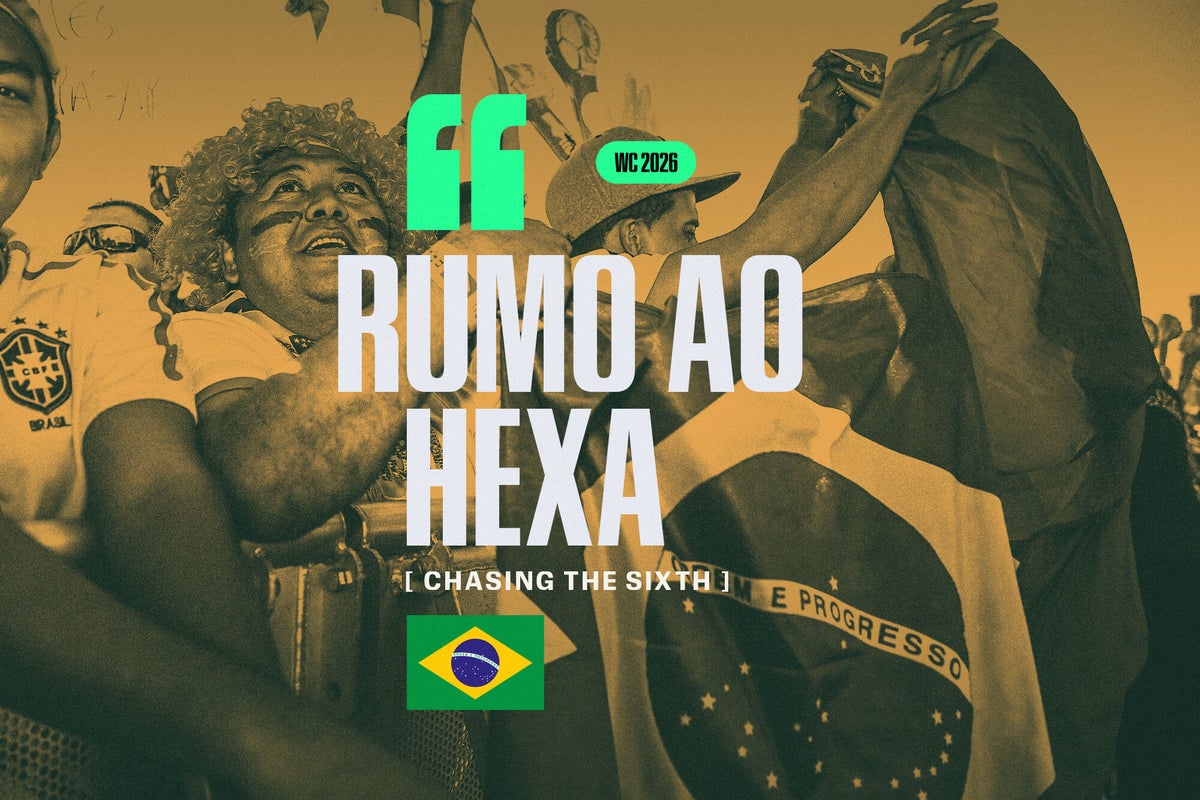
As part of our Language of Soccer World Cup series, The Athletic is speaking to supporters of all 48 nations competing at the 2026 edition to capture their unique football culture, distilled into a single phrase. You can read the articles in one place here.Rumo ao hexa — Chasing the sixthBrazil and the World Cup is one of the great love stories.They have won the tournament five times, more than any other nation. It is no exaggeration to say they made the World Cup what it is today, imbuing it with light and panache during the middle chunk of the 20th century. They hosted the 1950 edition, won it in 1958 and 1962, then turned up in 1970 with a team that did not so much conquer the globe as charm it into wilful submission.At the same time, the World Cup changed Brazil, sculpting its self-image, dispelling some of its hang-ups. Playwright Nelson Rodrigues used to speak about “mongrel complex”, the enduring inferiority many Brazilians felt when they looked out into the world. Football, and the World Cup especially, helped the country feel good about itself.Anyone who roots for Brazil today feels the legacy of that symbiosis.“To support the national team is to feel that you’re part of something much, much bigger,” says supporter Rodrigo Ferraz Olimpio. “We didn’t invent football but we inherited it. This is the football nation.”“You can be wearing Brazil colours anywhere in the world and people will look at you differently,” says Joao Jannetta, 27. “They smile. They want to talk to you. The history of Brazil is bound up with football. Our yellow jersey is much more than a kit.”Those looks and smiles contain a warning. With Brazil, there is always the danger of collapsing into stereotype. Or, at least, one-dimensionality.Brazil’s relationship with the World Cup is not straightforward, not all sunshine and sugar. There have been nearly as many desperate lows as there have been towering glories. The hubris-soaked defeat against Uruguay in 1950 — “Our Hiroshima,” as Rodrigues so crudely put it — and the 7-1 capitulation against Germany in 2014 probably rank as the two most stunning failures in World Cup history. Their last World Cup win came 24 years ago. Since then, the narrative surrounding the national team has been a kind of perma-inquest.“It can be painful,” says Ynara Costa, 54. “Every defeat hurts. Brazilians became accustomed to winning and we have difficulty accepting failure.”“The past carries a lot of weight,” says Ferraz Olimpio. “The expectations are always high, especially given some of the players we’ve had in the past. We have had Ronaldo, Ronaldinho, Pele, Zico. The Brazilian shirt is the heaviest in the world. No washing line can hold it.”In Brazil, football is not so much a pastime as a birthright.“We are born with it in our blood,” says Paloma Vieira, 29. “We hear stories of the greats of the past. It’s part of who we are.”
Brazil are five-time World Cup winners. A new generation of fans are ‘chasing the sixth’
As part of a special World Cup series, The Athletic is speaking to fans of all 48 competing nations to capture their unique football culture
TL;DRAI
Brazil chases a sixth World Cup title in 2026, 24 years after its last win, with football central to national identity. The tournament reunites a fragmented nation; fan groups rebuild emotional ties to a squad distant through European club commitments.
1,491 words~7 min read