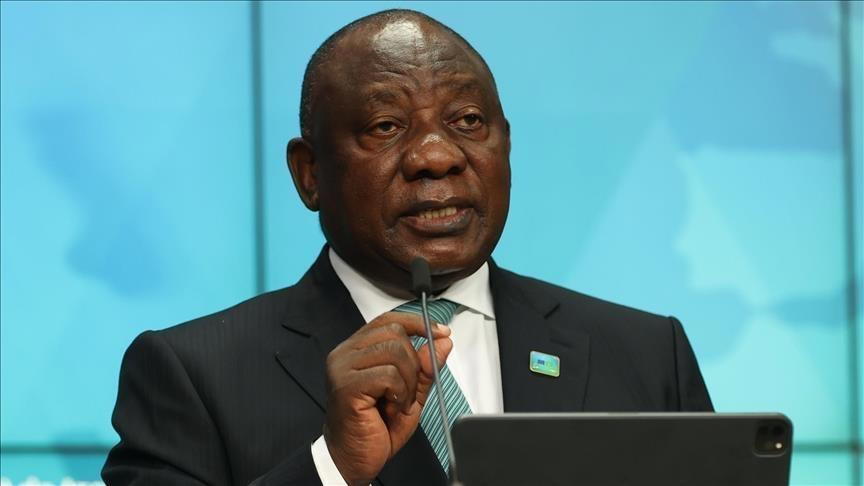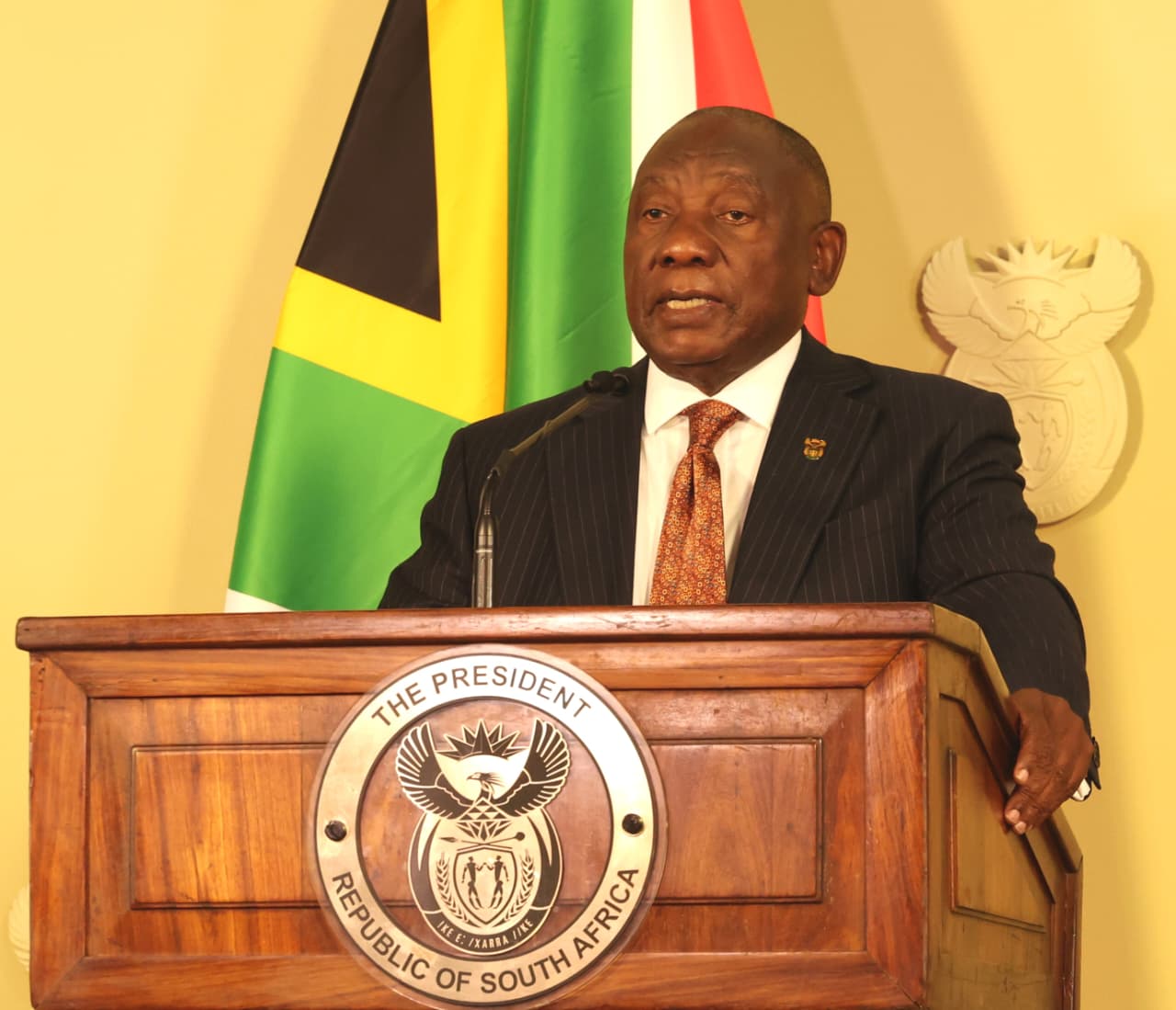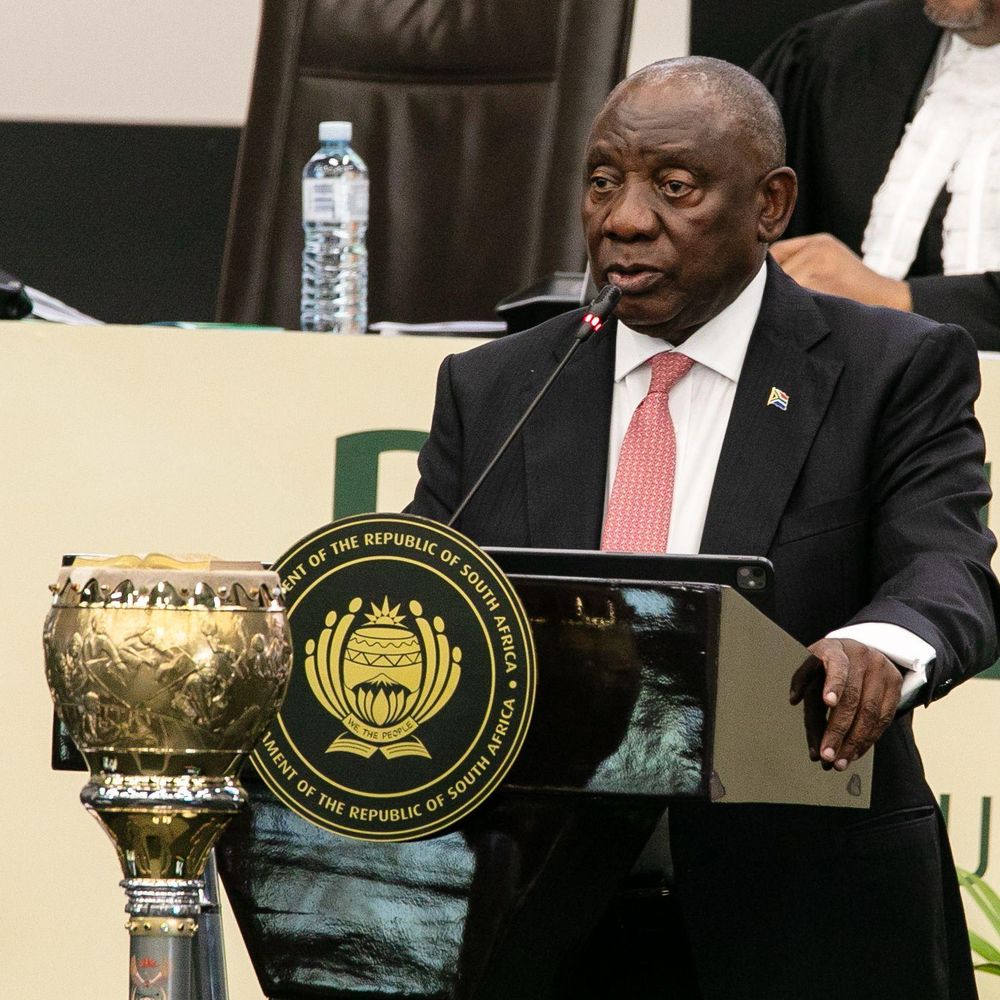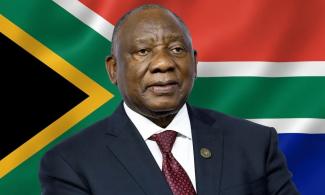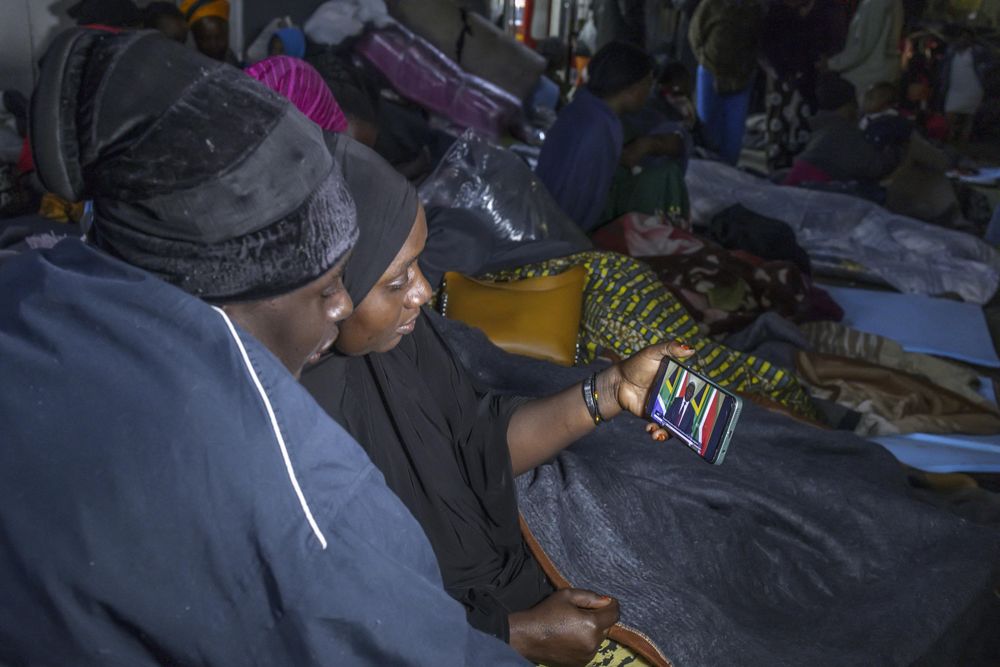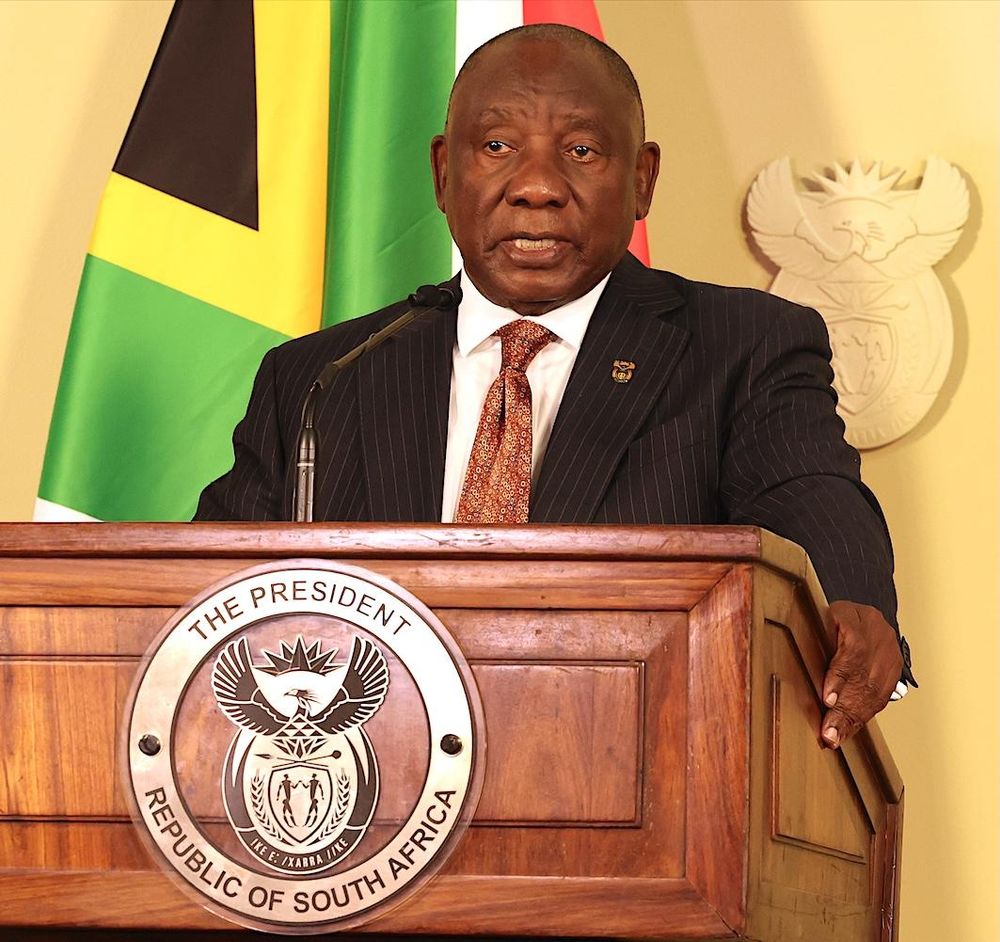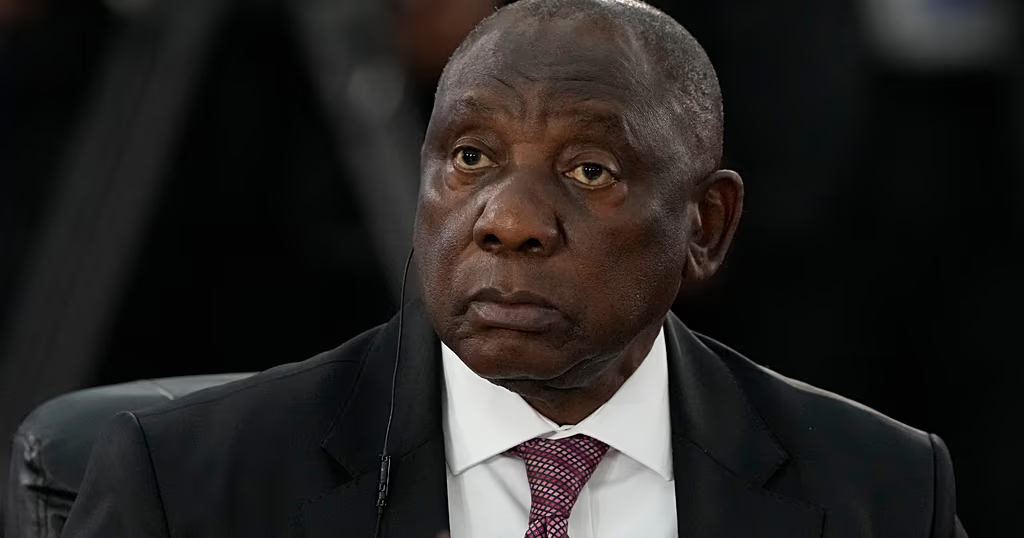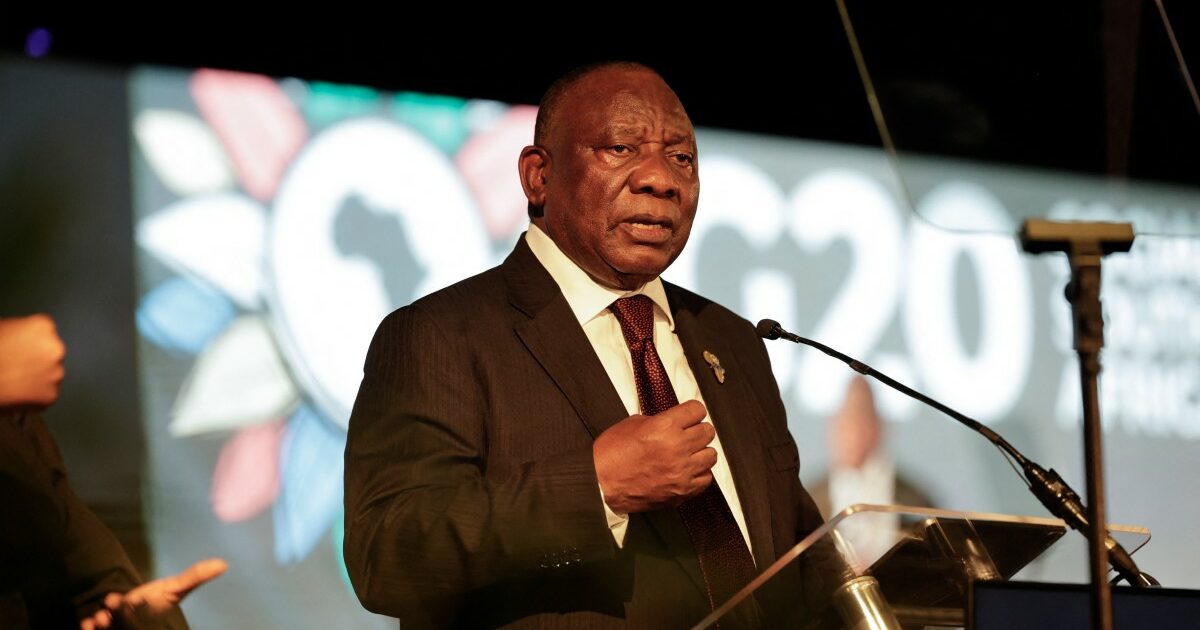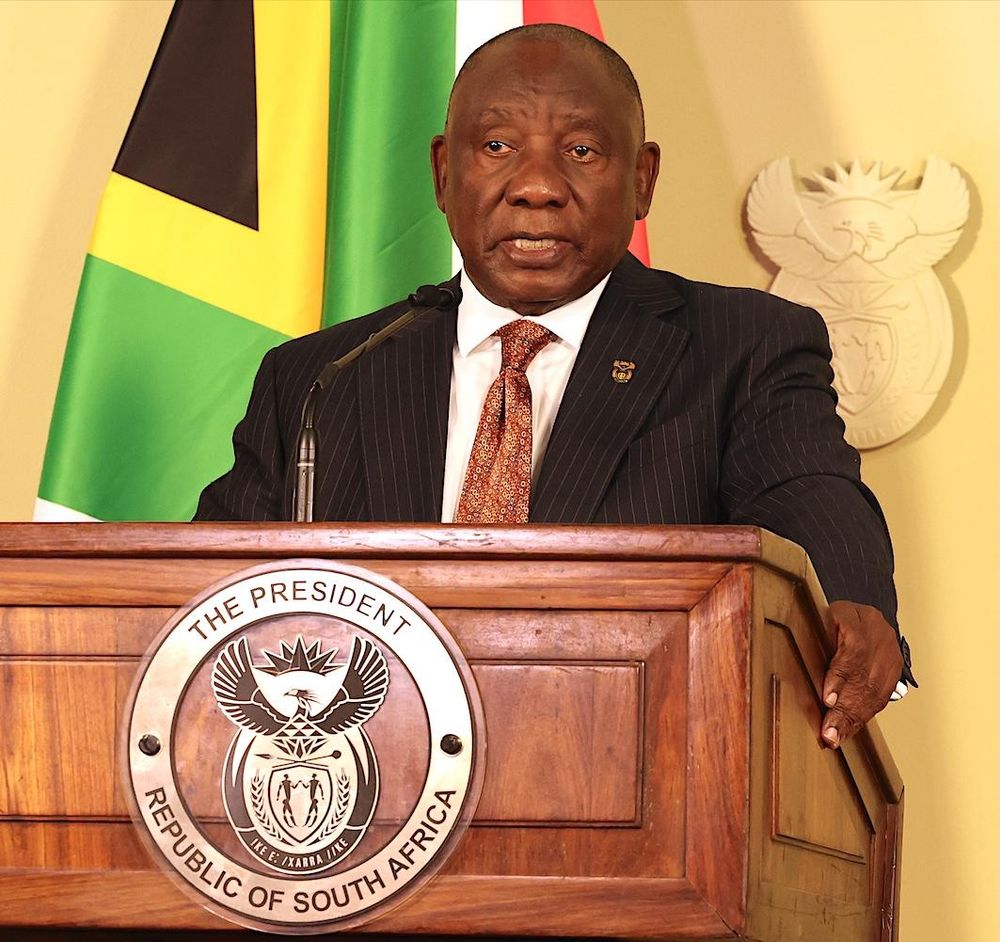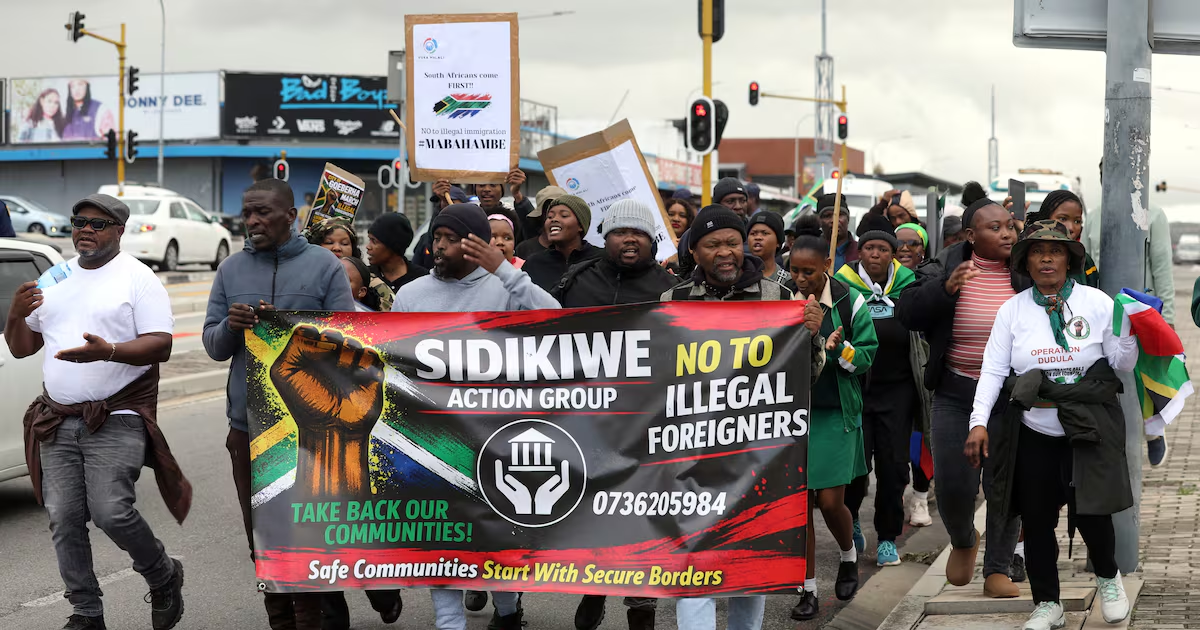
Faced with increased pressure to contain the diplomatic fallouts stemming from the anti-immigrant protests, President Cyril Ramaphosa on Tuesday condemned xenophobic violence and pledged tougher action against illegal immigration. Ramaphosa said the government will also crack down on illegal migration, increasing workplace inspectors and strengthening border security amid sporadic protests across various provinces. Analysts and opposition parties have for weeks criticised the government’s lack of action while the protests gained ground. Immigrants have also complained of government and police inaction while facing the wrath of the protesters.On Tuesday, Reuters reported the Mozambique government as saying five of its citizens had died in anti-immigration violence in Mossel Bay, the Western Cape, at the weekend in the latest flare-up of xenophobic attacks.Police said the violence in Mossel Bay erupted on Friday when about 55 shacks were set on fire in an informal settlement.Anti-immigrant groups in South Africa have set a deadline of June 30 for all foreigners in the country illegally to leave, spreading fear among immigrant communities.“We need to deal with illegal migration…. We have seen how illegal immigration into our country can put pressure on our public services and undermine our efforts to create decent work for all,” Ramaphosa said in the presentation of the presidency budget vote in the National Assembly on Tuesday. Ramaphosa also sought to distance the government from xenophobia, warning against violence, vigilantism and ethnic mobilisation.“We must never give in to violence, to xenophobia, and to vigilantism,” he said. The issue has become increasingly politicised, drawing responses from the ANC, the EFF and other political formations as public debate over immigration intensifies.On Wednesday, the cabinet is set to discuss immigration and the mounting diplomatic fallout from attacks targeting foreign nationals. Authorities are also investigating the possibility of co-ordinated efforts to exploit anti-immigrant sentiment and destabilise parts of the country.The cabinet meeting follows a week of work by an interministerial committee which has been looking into the unrest, according to sources close to the discussions, who declined to be identified.Third force Security officials are investigating what they describe as the possible involvement of a third force in sporadic attacks and marches that began in KwaZulu-Natal and have since spread to Gauteng, Mpumalanga and the Western Cape.It [destabilisation] looks quite co-ordinated with March and March part of it,” said a senior source from the department of international relations & co-operation, who also declined to be identified. Repeated attempts to reach out to March and March — which describes itself as “a citizen-led movement advocating for stronger immigration enforcement” — have been unsuccessful. The group was founded and is led by Jacinta Ngobese-Zuma, a former radio journalist.Business Day understands the National Joint Operational and Intelligence Structure (Natjoints), which incorporates all of the country’s enforcement agencies, is tasked with unearthing the real reasons behind the protests and those initiating and sponsoring them. Several high-level sources in the presidency and the department have confirmed that envoys across the continent have also been instructed to communicate the country’s position on immigration and xenophobia in a bid to quell growing concern.Still, Ghana has repatriated some of its citizens and advised against non-essential travel to South Africa, while Nigeria has urged its citizens not to retaliate against South African businesses.The cabinet is also expected to discuss measures to strengthen labour market enforcement, which includes ongoing talks between the National Treasury and the department of employment & labour over funding for 10,000 labour inspectors. The posts have no budget allocation for the 2025/26 financial year.‘Extremely concerned’State-owned insurer Sasria said it is concerned about the risk posed by the protests and civil unrest. It added that it has raised premiums by a weighted average of 25% last year based on expectations of increased social instability.“We are extremely concerned,” CEO Mpumi Tyikwe said in an interview. He explained that the increase in premiums was based on risk assessments that anticipated further protests, including demonstrations linked to immigration, unemployment and broader social grievances.Tyikwe welcomed efforts by the security cluster to contain the consequences of the marches but warned that criminal elements often infiltrate otherwise lawful protests. South Africans have a constitutional right to protest, he noted, but said people should use democratic institutions rather than take the law into their own hands in dealing with concerns about undocumented immigrants.Tyikwe said business organisations, including Business Unity South Africa and the Consumer Goods Council of South Africa, have been working with security authorities to improve preparedness for potential disruptions.
Ramaphosa vows crackdown as xenophobic violence spreads
President pledges stricter immigration enforcement, including workplace inspections
739 words~3 min read