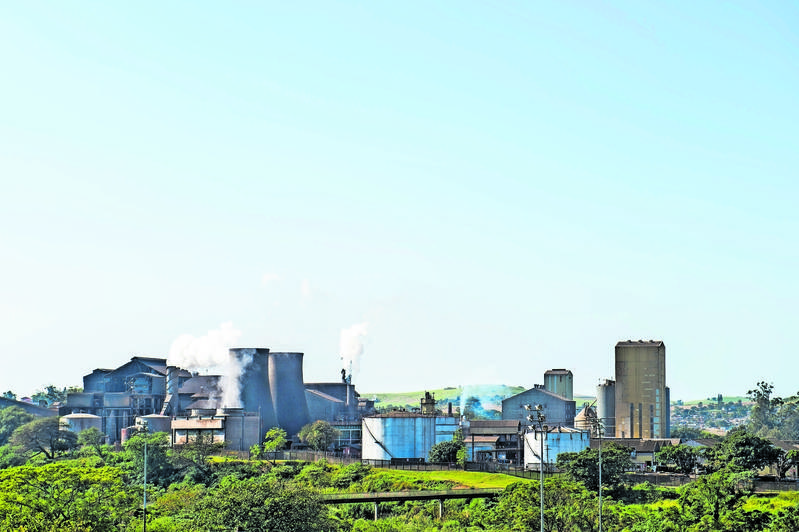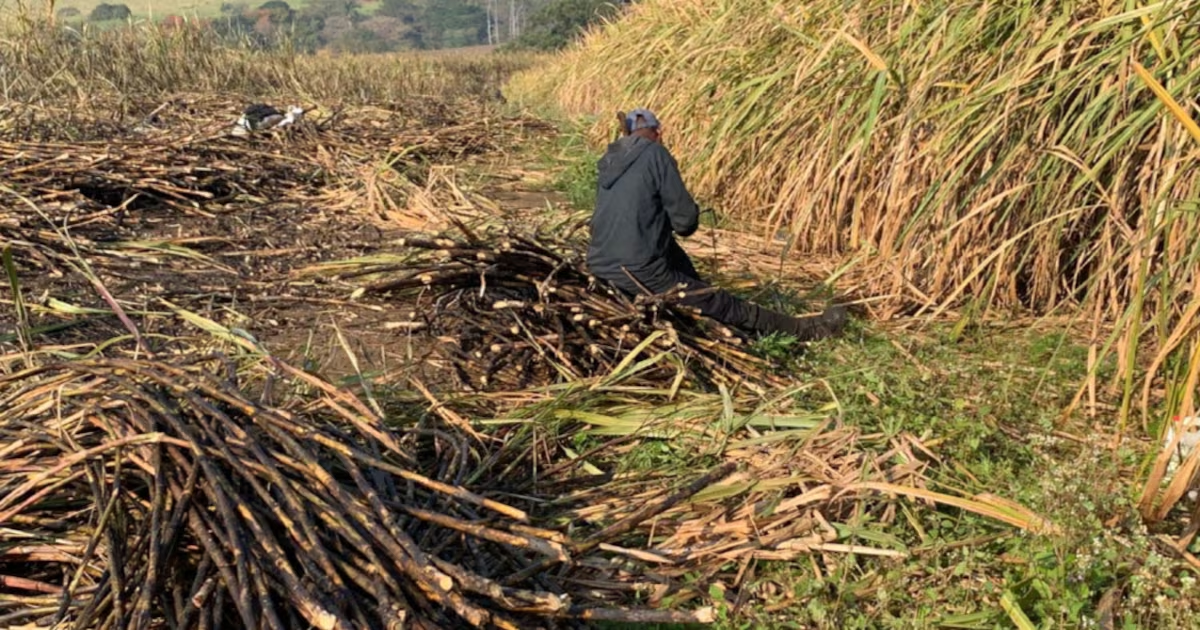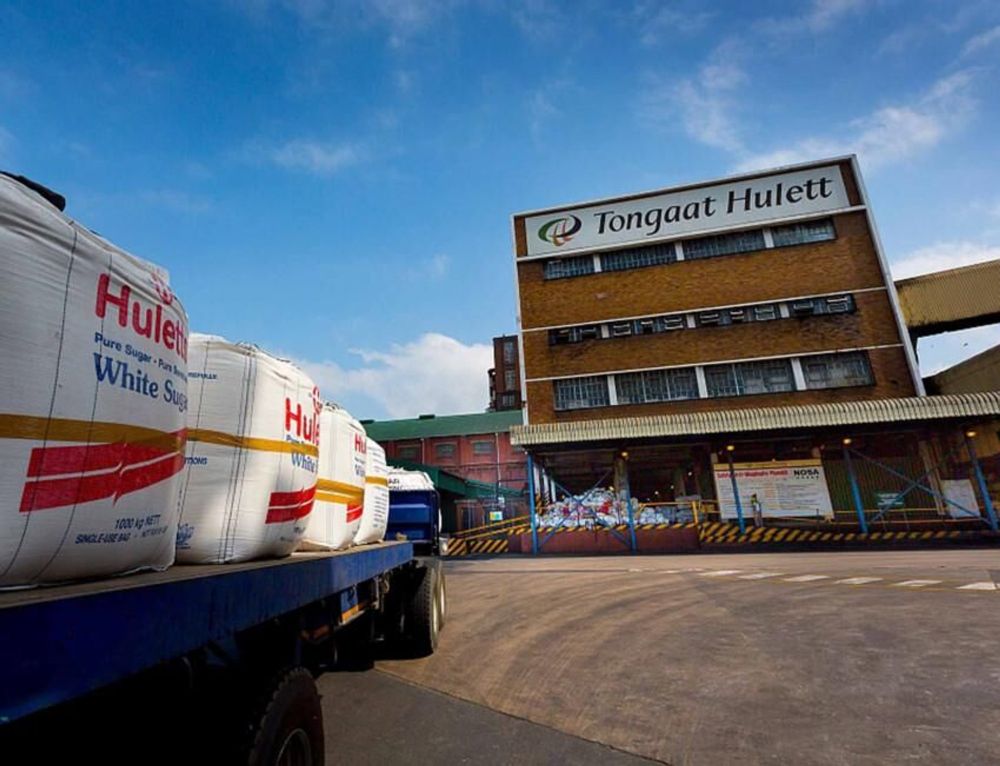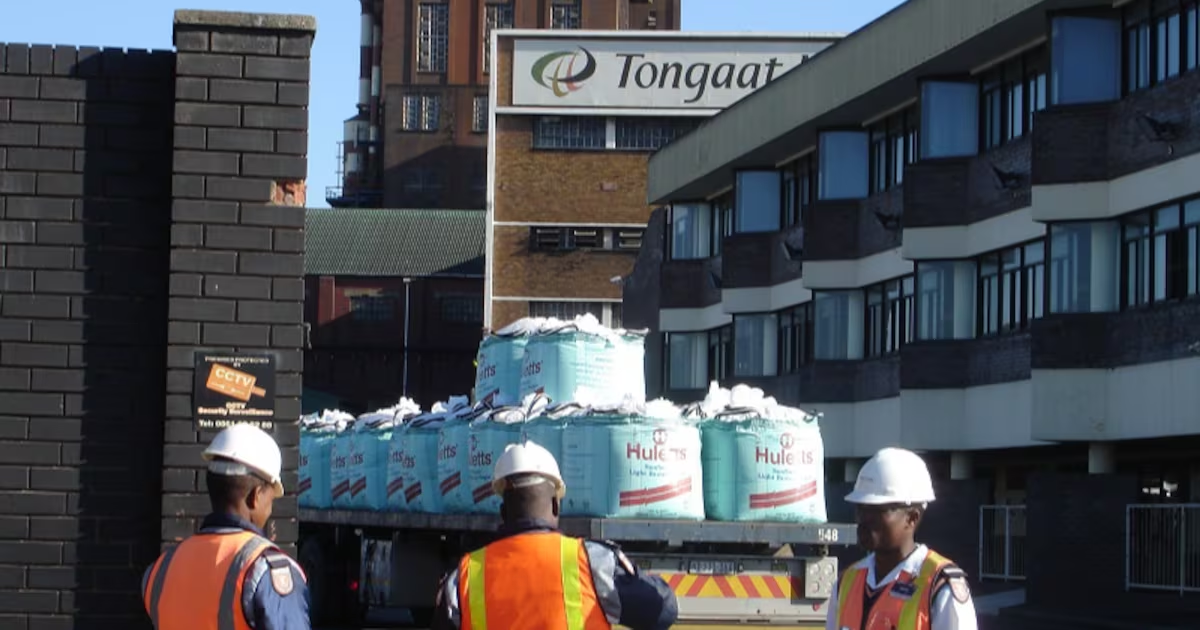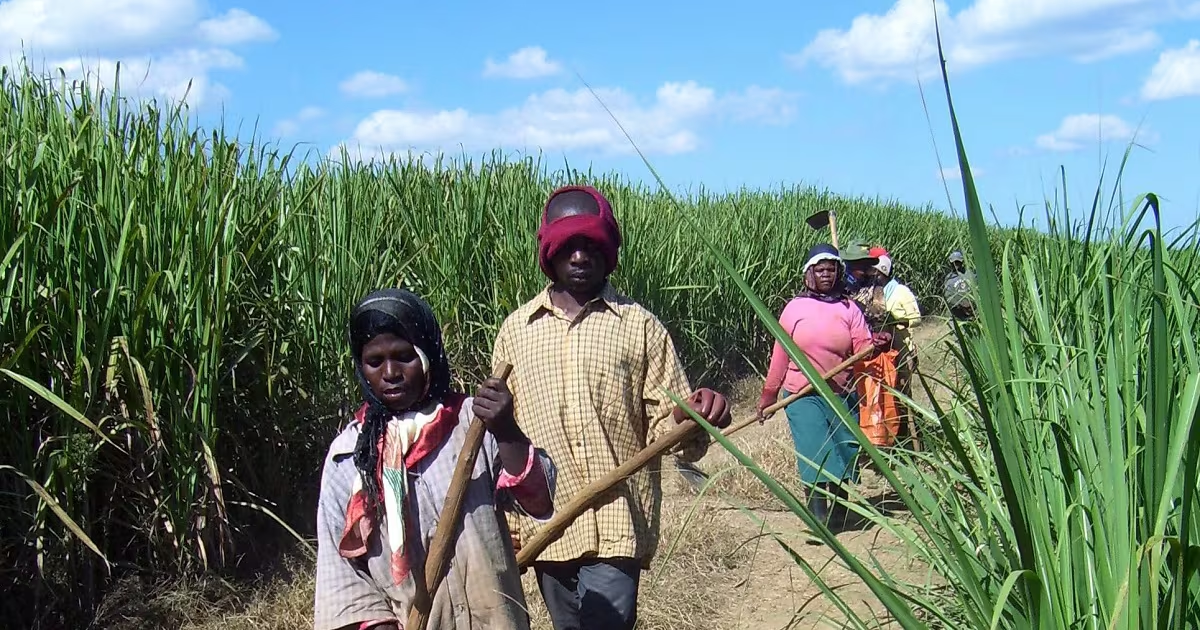
South Africa closed Workers’ Month on a sobering note. Unemployment rose to 32.7% in the first quarter of the year, with 345,000 jobs lost. In this climate of deep economic insecurity, Tongaat Hulett’s prolonged financial crisis and business rescue process have become a source of growing anxiety for the thousands of workers, growers and rural communities whose livelihoods depend on the sugarcane industry. At the same time, South Africa is also grappling with rising rates of noncommunicable diseases such as diabetes, now the leading underlying cause of death among women. The National Health Act commits the state to “protect, promote, improve and maintain the health of the population”. For that reason, health advocates have supported policies such as the health promotion levy (HPL) to reduce excessive sugar consumption and build healthier communities. A 2025 Unu-Wider study found the levy reduced sugar consumed through taxable sugary drinks by 33% within two years. Because the sugarcane industry depends heavily on people buying refined sugar, these changes are often framed as a threat to jobs and livelihoods. However, it does not have to be this way. The second phase of the Sugarcane Value Chain Master Plan presents an opportunity to unite around a shared national project of building a diversified sugarcane economy that advances the national interests of public health and genuine job creation. Why the sugarcane industry must change Selling sugar is becoming difficult for South Africa. Local growers are struggling against cheaper imports, rising production costs and uncertain global sugar prices. Concurrently, growing health concerns are changing the way people consume sugary products, particularly sugar-sweetened beverages. Considering these realities are neither temporary, isolated nor cyclical, they pose an existential threat to an industry still heavily dependent on sugar sales alone. Jobs tied too heavily to continued sugar consumption will remain vulnerable in a society increasingly confronted by noncommunicable diseases. Therefore, diversification offers an opportunity to build a more resilient sugarcane economy that can sustain livelihoods into the future. Sugarcane as a strategic national resource Our country is blessed with sugarcane as a strategic national resource with uses far beyond refined sugar alone. In Mauritius, electricity generated from leftover sugarcane fibre contributes about 14% of total electricity, while Brazil’s sugarcane industry supplies about 7.5% of the country’s total energy. Thailand has also used sugarcane by-products to support renewable energy generation. For a country such as ours — where unreliable, expensive electricity causes hardship for citizens and industries — we must take the potential of sugarcane seriously to advance a triple dividend of energy security, job creation and healthier communities. With renewable energy sources, sugarcane can play a strategic role in reducing our country’s dependence on imported oil, the way Brazil and India did when they expanded sugarcane-derived ethanol. Reducing dependence on imported oil could help build a more resilient economy less exposed to global fuel shocks that continue to drive up the transport and production costs carried by households and local businesses. Nation-building approach to diversification After the second phase of the Sugarcane Value Chain Master Plan there is a growing consensus that diversification is necessary. However, diversification must be more than mere rhetoric and become a shared national project capable of advancing jobs and public health together. The countries that successfully transformed their sugarcane industries did so through deliberate policy choices, long-term investment and serious commitment to nation-building. In practice, successful diversification required governments, industry and other stakeholders to actively create demand for new sugarcane products. Brazil required fuel companies to blend ethanol into petrol, Mauritius enabled sugar mills to sell electricity into the national grid, and India expanded ethanol production through blending targets and public procurement. Successful diversification will also require serious investment in the infrastructure needed to support new sugarcane-based industries. This can come through co-ordinated industrial financing, including industry investment, development finance institutions and targeted public investment. On the latter, while the HPL must continue investing in programmes that help build healthier communities, we should also think more deliberately about how broader public investment can help workers and growers adapt as demand for sugar changes. Furthermore, diversification will require private sector actors committed to nation-building rather than protecting their bottom line at the expense of workers and communities. The crisis facing Tongaat Hulett exposed how financial mismanagement and accounting irregularities fall hardest on workers who are facing job insecurity, growers who are at risk of losing markets, and rural communities dependent on the industry. If diversification is to succeed, industry players must place the communities that sustain the industry at the centre of the industry’s future, rather than treating them as secondary to profit. Moving away from a status quo that harms our people is possible. South African industries must build a healthier, more resilient country. That would require diversification to be treated as a genuine nation-building project. • Lencoasa is a budget analyst at Section27.
MATSHIDISO LENCOASA | Diversifying sugarcane industry is a public health and jobs imperative
Options include renewable energy generation and other sugarcane by-products
808 words~4 min read