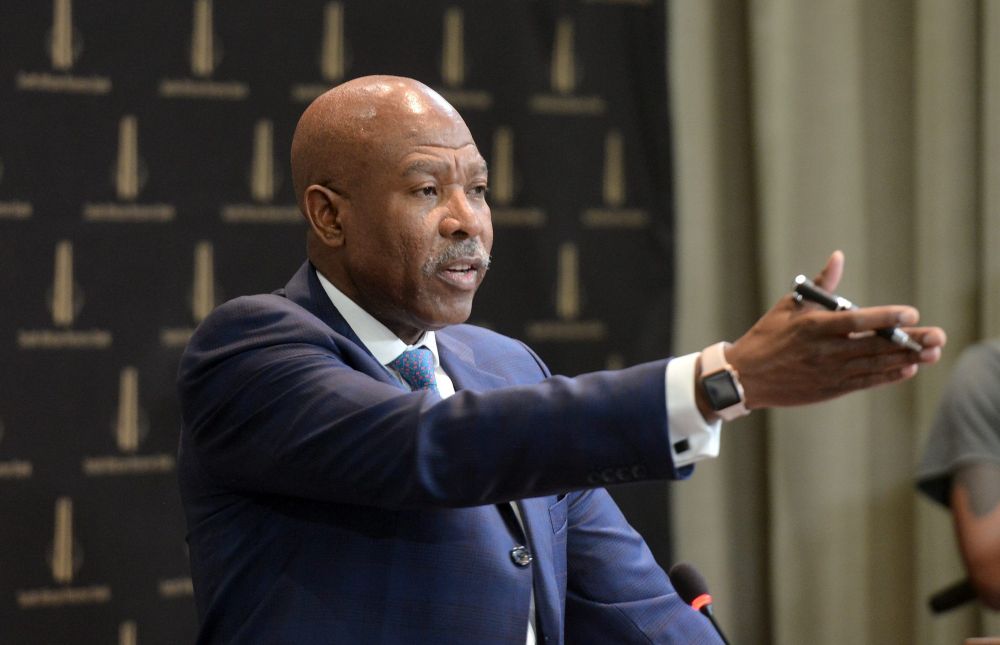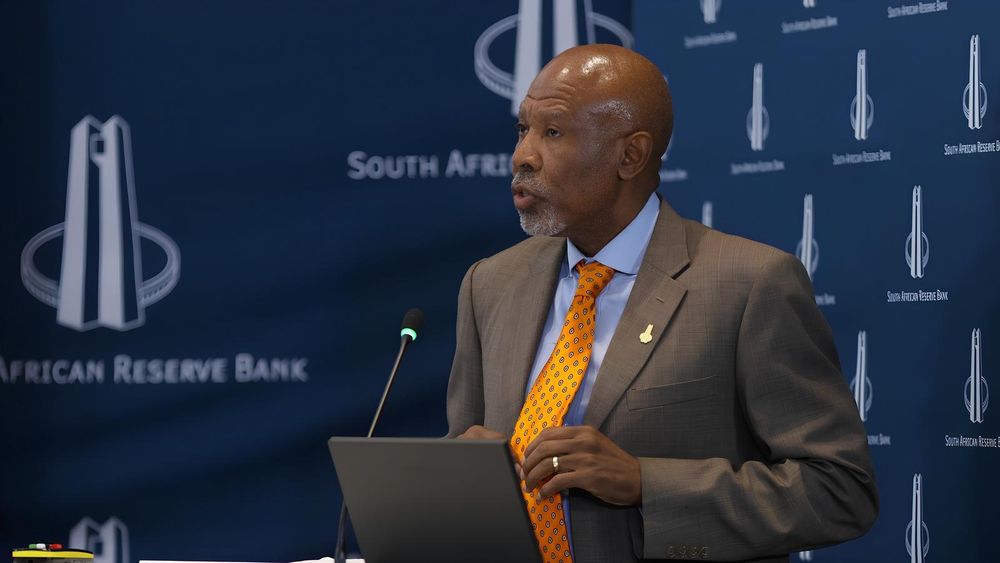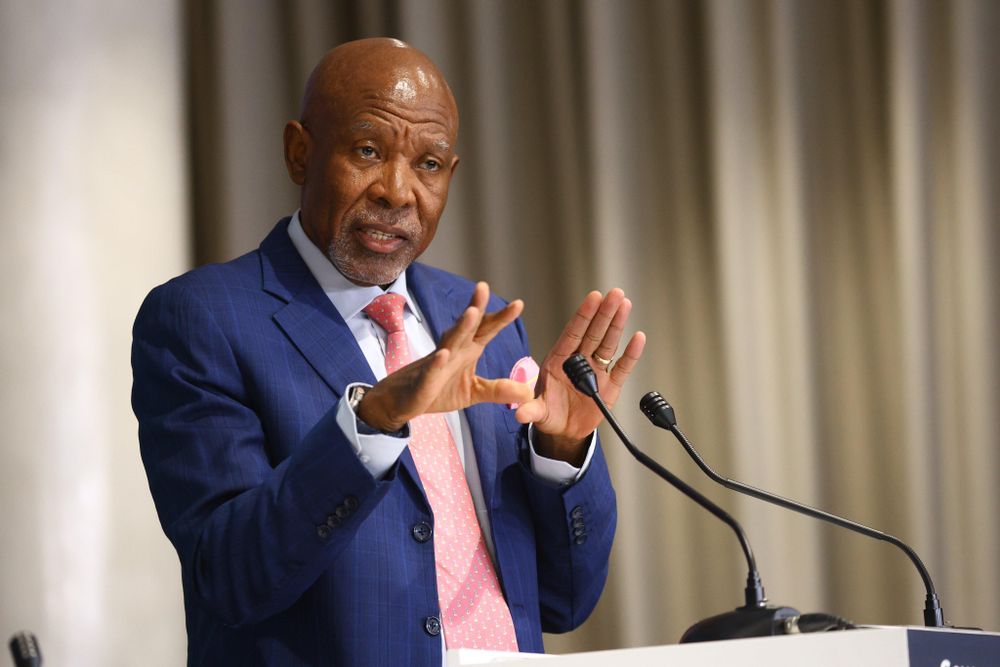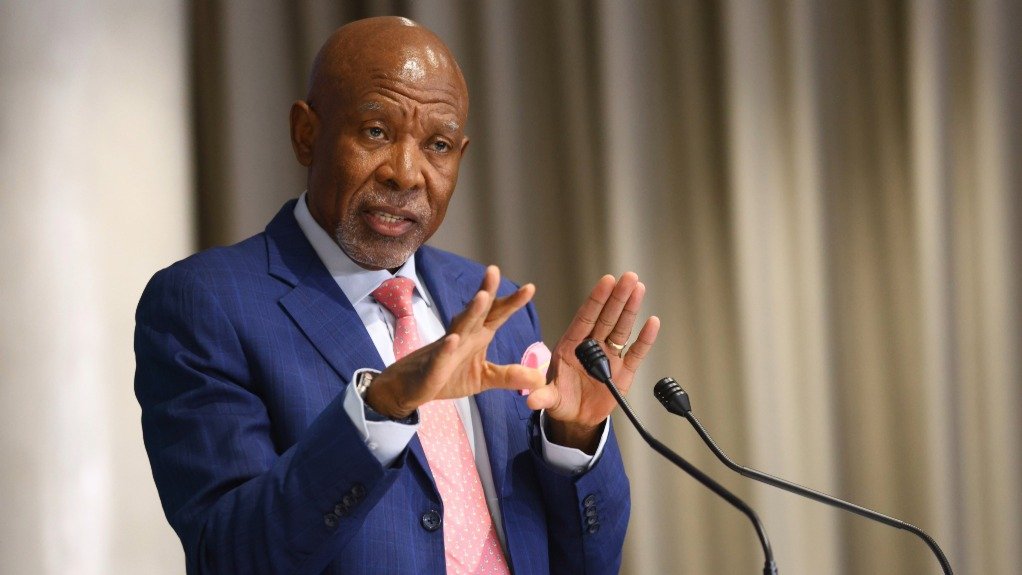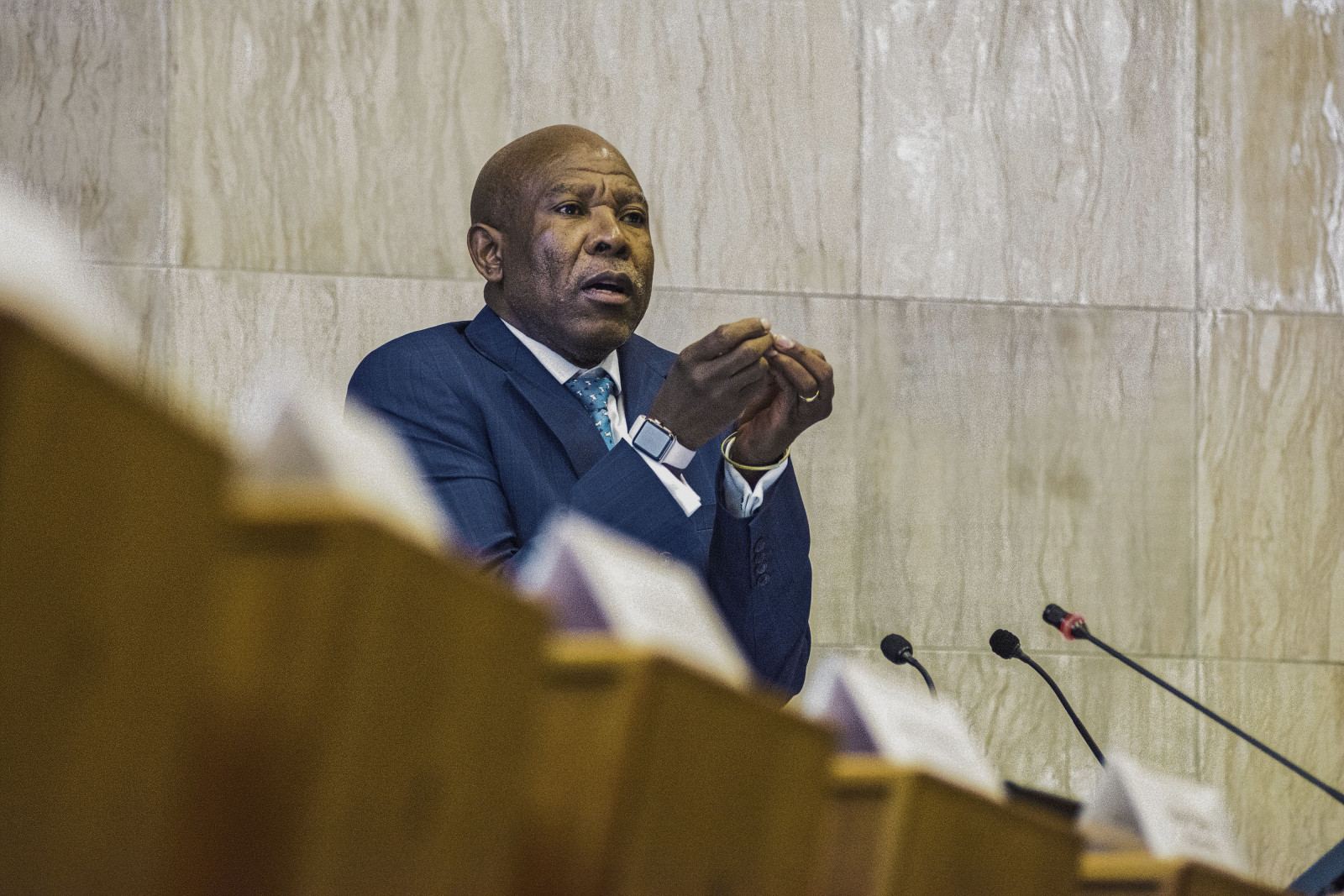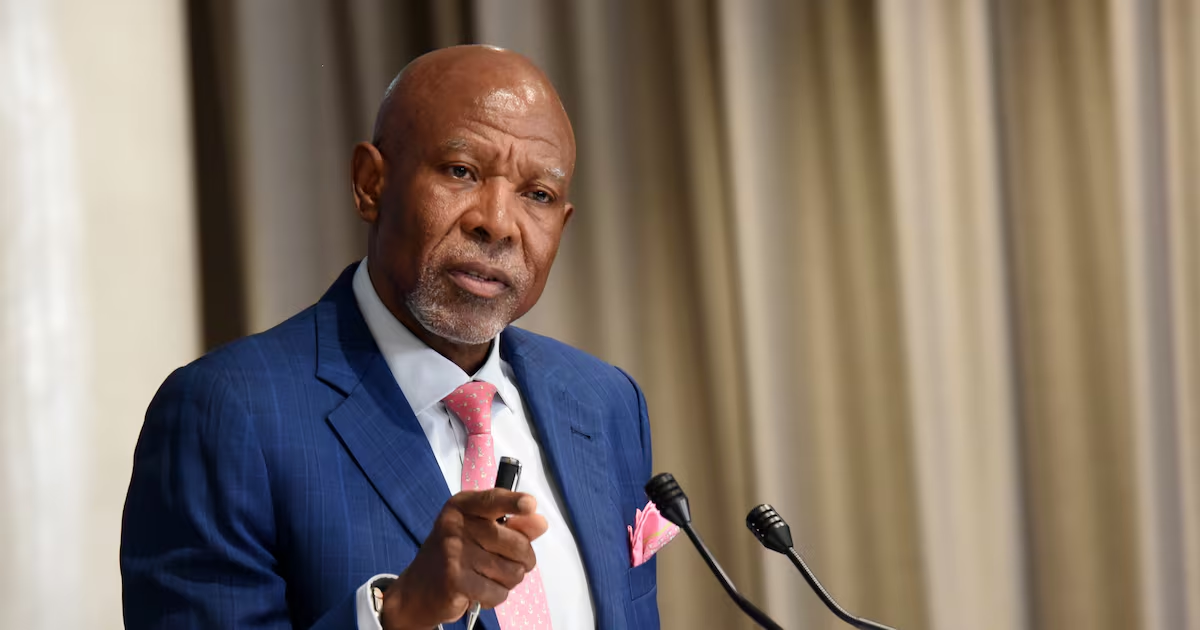
Reserve Bank governor Lesetja Kganyago defended last week’s decision to hike interest rates before the full effect of soaring fuel prices materialises, saying to have waited for full proof might have been leaving it too late.The Bank raised its key policy rate by 25 basis points to 7% last week, citing intensified inflation risks stemming from higher oil prices linked to the Middle East war. Unions, think-tanks and some economists have criticised the move, saying it is premature and will hurt the economy.The announcement came after data from Stats SA shows consumer inflation accelerated to 4% year on year in April from 3.1% in March, reaching the top end of the 2%-4% tolerance band of the central bank’s 3% target.Speaking at the annual Bureau for Economic Research conference on Tuesday, Kganyago said one of the central bank’s jobs is to prevent expectations for higher inflation becoming entrenched.“You can’t do much about initial shocks with interest rates, but it does not follow that you should do nothing. Inflation can be persistently higher after a shock has passed if people start believing higher inflation is normal,” he said. He insisted that waiting for second-round effects from the fuel price hike to emerge before acting would have been a mistake.“Monetary policy operates with lags, so if you wait for complete proof of second-round effects you are probably too late,” Kganyago said. “Policy is made under conditions of uncertainty and requires judgment calls. We made one of those judgment calls last week, raising rates on indications that second-round effects are arriving, given large and overlapping shocks affecting both food and fuel.”War lingersKganyago reiterated that hopes have faded for a short-lived Middle East conflict that would see oil and other commodities flow smoothly once more through the Strait of Hormuz and stabilise prices.“Not only has the strait remained closed, with only a few ships getting through, there has also been enough infrastructure damage and depletion of stocks that we must now accept that prices for Gulf products like oil will not be back at February levels soon,” he said.“Worse still, the outlook for food prices has also started to deteriorate because of fertiliser shortages and because there is so much diesel in [the agriculture] supply chains.”South Africa imports almost all of its oil and petroleum products. On Monday the government announced an increase of R1.43/l for the price of petrol in June, though diesel users will enjoy a R3.24 reduction during the month.Fuel prices are set to rise further in coming months as the war rages and a government reprieve in the form of a general fuel levy reduction falls away at end-June.The Reserve Bank raised rates last week even as it acknowledged downside risks to economic growth this year and cut its GDP expansion forecasts to 1.2% and 1.7% for 2026 and 2027, respectively, from the 1.4% and 1.9% predicted earlier this year.“It is no fun raising rates when the economy is weak,” Kganyago said on Tuesday. “The unfortunate fact is everyone supports low and stable inflation until they are asked to pay a price.“Unfortunately, if price stability is something you only prioritise when it is easy, it is not much of a commitment.”No going backKganyago rejected the idea that the Bank could abandon the lower 3% inflation target it adopted last year and revert to its 3%-6% band, saying that would be a repeat of the mistake in the early 2000s not to narrow the range to 3%-5%.“We will not be doing this. That 2002 episode was one of the greatest macroeconomic mistakes of the democratic era. Why would we repeat it?” he said.He pointed out that the spread of South African borrowing costs over those in the US is at the lowest since January 2013.“That is the context for S&P Global upgrading South Africa last year, keeping us on a positive outlook last week, and for Moody’s also assigning a positive outlook recently. At a time when advanced economy borrowing costs are reaching multidecade highs, it is reassuring that our yields are trending lower, not higher,” Kganyago said.
Kganyago defends rate hike as safeguard against inflation expectations
Lag in policy effects ruled out waiting for more evidence, Bank governor says
676 words~3 min read