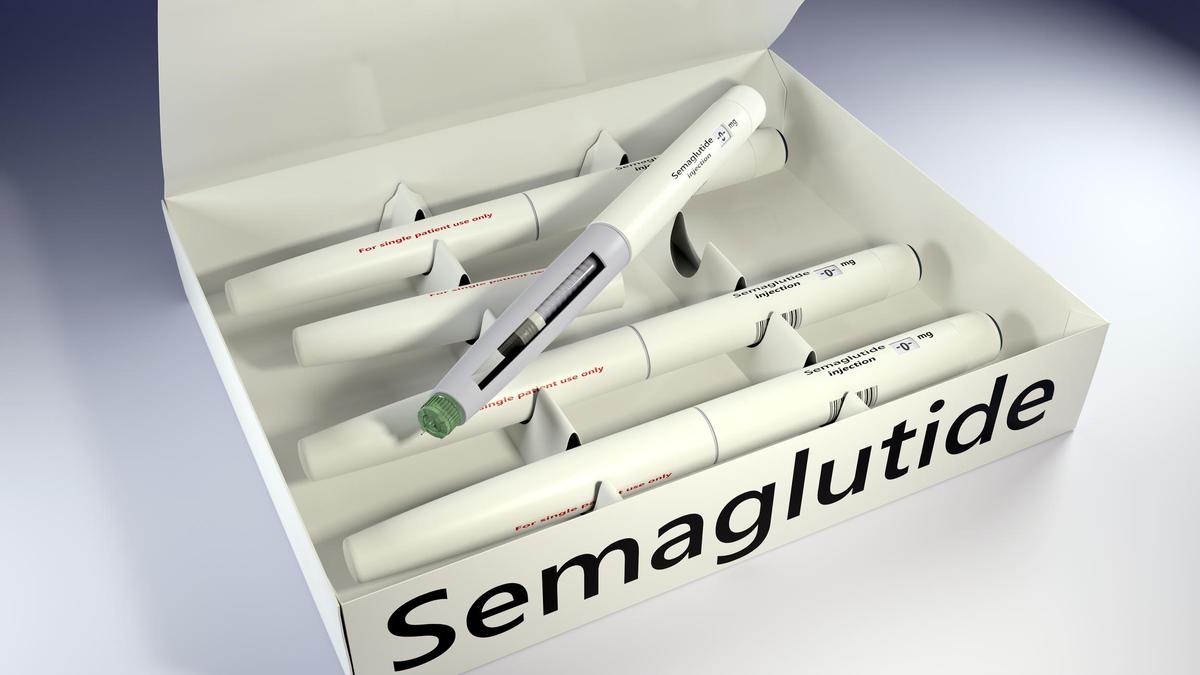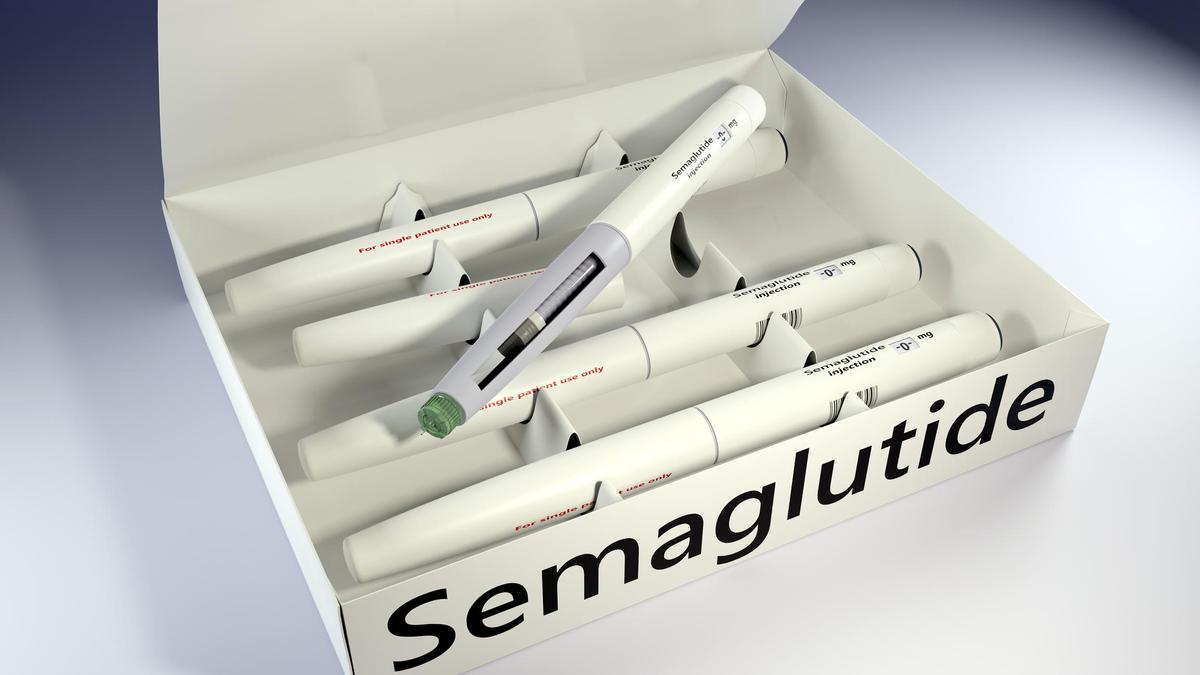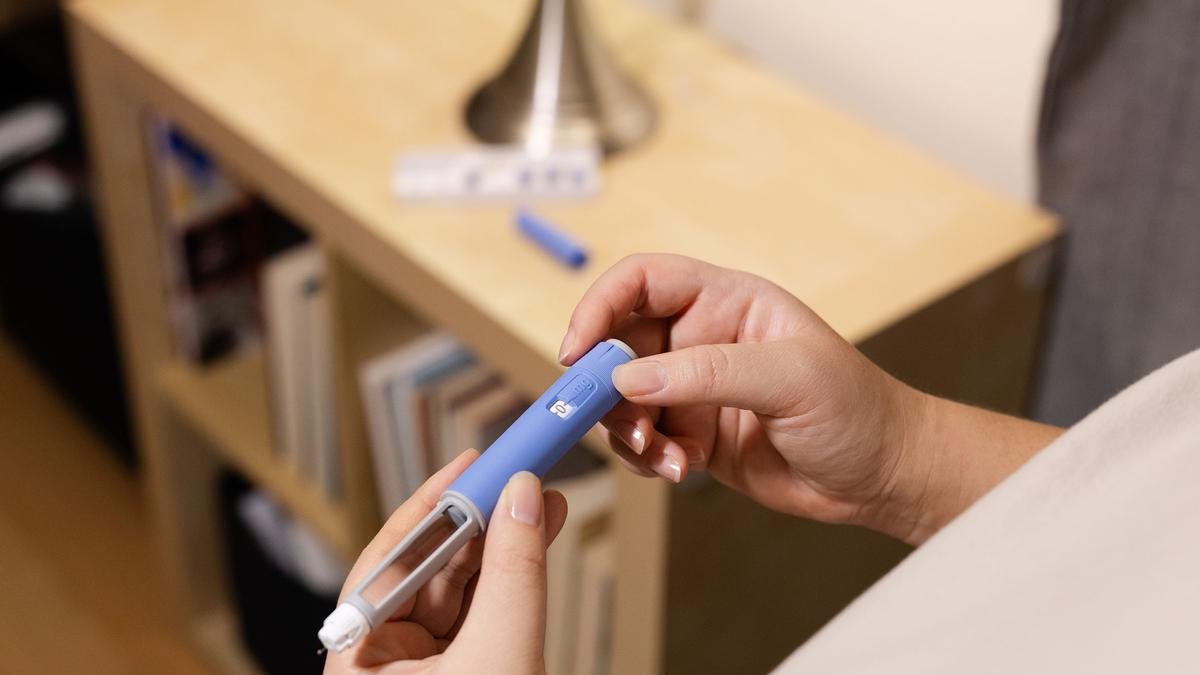
The Delhi High Court has asked the Central Drugs Standard Control Organisation (CDSC) to decide on a petition that has raised questions on grant of approval to Zydus Lifesciences for manufacturing and marketing semaglutide injections, which the company sells under brand names "Semaglyn", "Alterme" and "Mashema".Semaglutide is used for treatment of Type 2 Diabetes and weight loss.Jyoti Shrivastava, a diabetes patient, in her petition alleged that Zydus had departed from established global practice of using pre-filled, pre-calibrated pen devices with fixed dose increments and had opted for a uniform formulation lacking calibrated delivery safeguards.The product design, common prescribing information, and absence of indication-specific dose safeguards created genuine apprehension regarding safe administration of the drug, thereby exposing a patient to significant health risks, counsel Arjun Garg told the court.Globally, such medicines are sold in specially designed pens that automatically give fixed and safe doses to patients, he said, while seeking quashing of the approval granted to Zydus for Semaglutide Injection 15 mg/3 ml and also disclosure of the complete approval records and evaluation materials.Justice Purushaindra Kumar Kaurav said that in view of the nature of the controversy involved, “the court deems it appropriate to allow Shrivastava to file a detailed representation before the Central Drugs Standard Control Organisation, pointing out the difficulties which she has suffered and that similar other patients are likely to experience”.After receiving Shrivastava's representation, the CDSCO shall consider and decide it within a period of two months, the court said.Alleging that the approval given by CDSCO to Zydus is “arbitrary, unsafe, and violative of Articles 14 and 21 of the Constitution of India, the petitioner said that the regulatory authority had failed to adequately examine whether the approved formulation aligned with the clinically validated titration-based framework forming the basis of Semaglutide's safety and efficacy.Zydus has launched the medicine in a single high-strength formulation, where patients themselves have to manually calculate and select the required dose using a reusable pen and extract the dosage from a cartridge, the petition said, adding that this creates risk of overdose, underdose, wrong administration, confusion between diabetes and weight loss use, and severe health complications.While Type 2 Diabetes Mellitus and chronic weight management are distinct therapeutic indications requiring separate titration schedules, dosing pathways, maintenance doses, and clinical evaluation, Zydus had commercialised a common formulation and delivery system across both indications, despite approval recommendations being based upon separate clinical studies and indication-specific data, Shrivasta said.
Zydus Semaglutide approval: Delhi HC directs CDSCO to decide on patient safety concerns
The Delhi High Court has asked the Central Drugs Standard Control Organisation to review a petition challenging Zydus Lifesciences' approval for semaglutide injections. A diabetes patient raised concerns about the drug's delivery system, alleging it deviates from global standards and poses health risks. The court has directed the CDSCO to consider the patient's representation within two months.
402 words~2 min read