INJECTING CONFIDENCE. Dosage is key to semaglutide use
| Photo Credit:
Олег Буянов
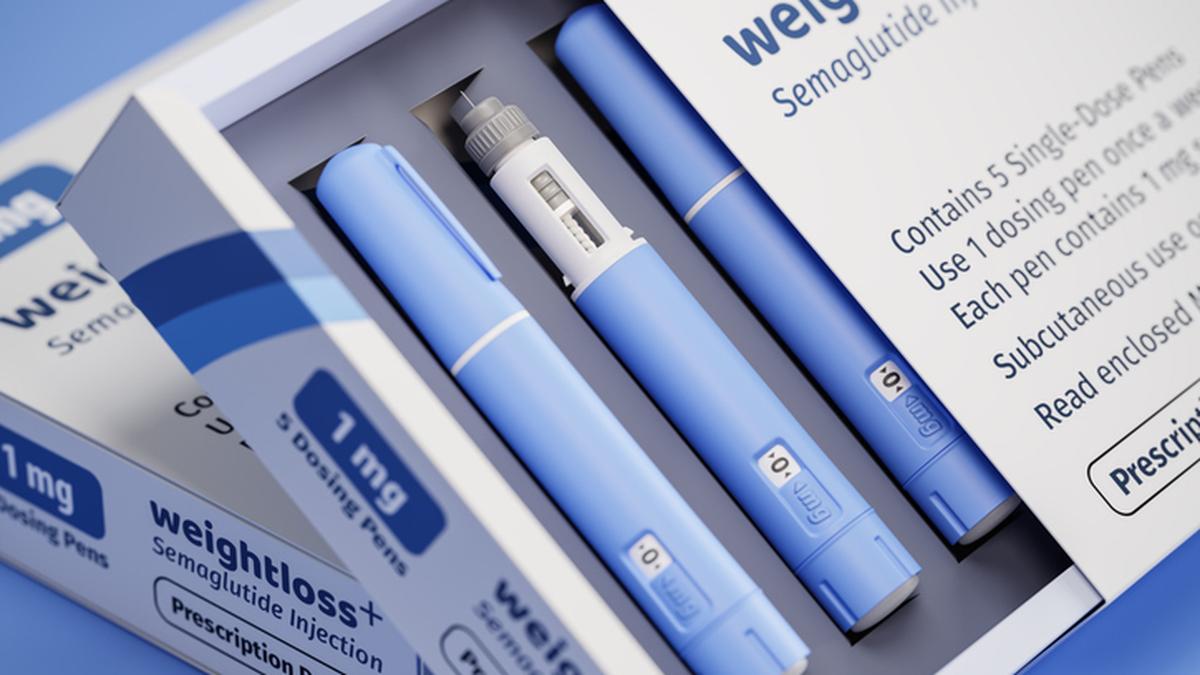
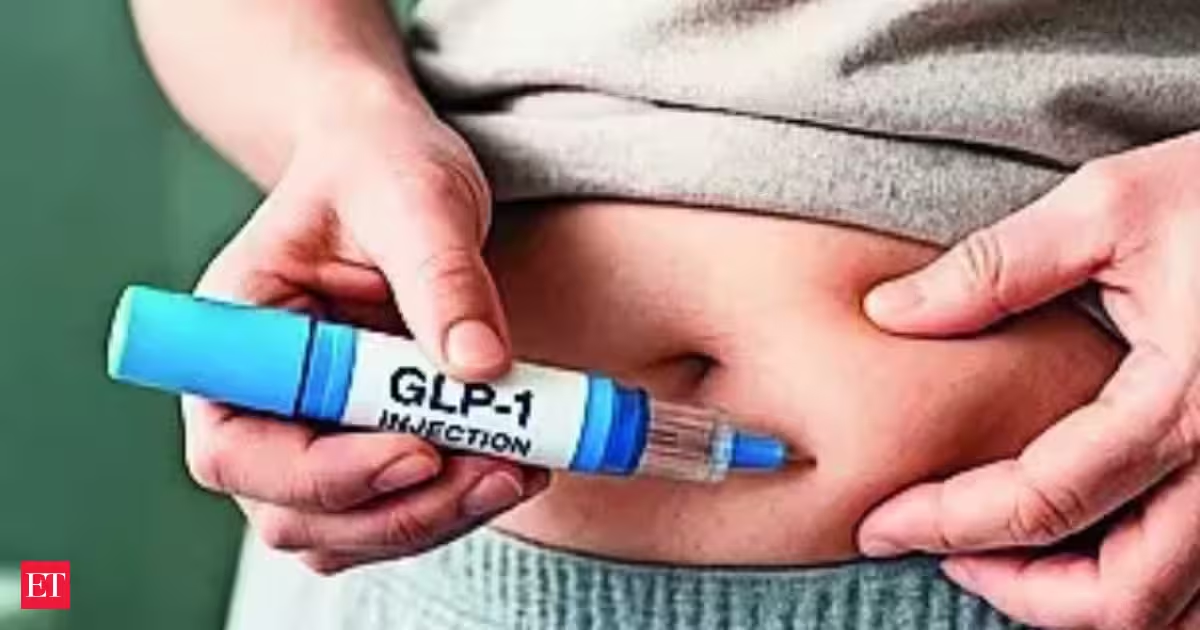
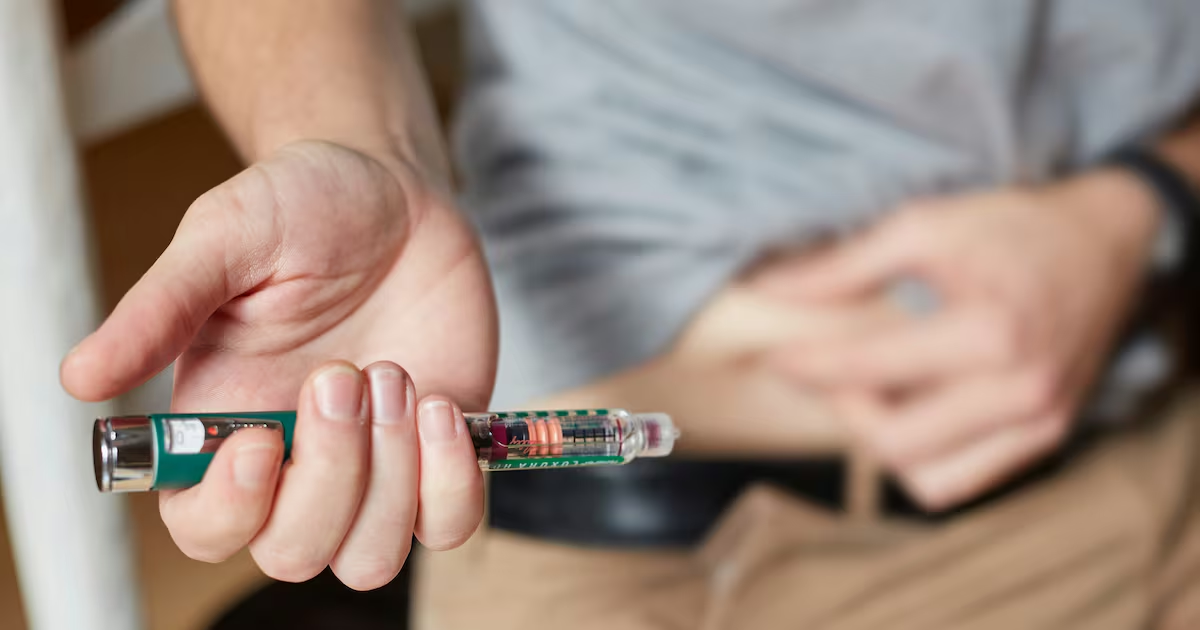
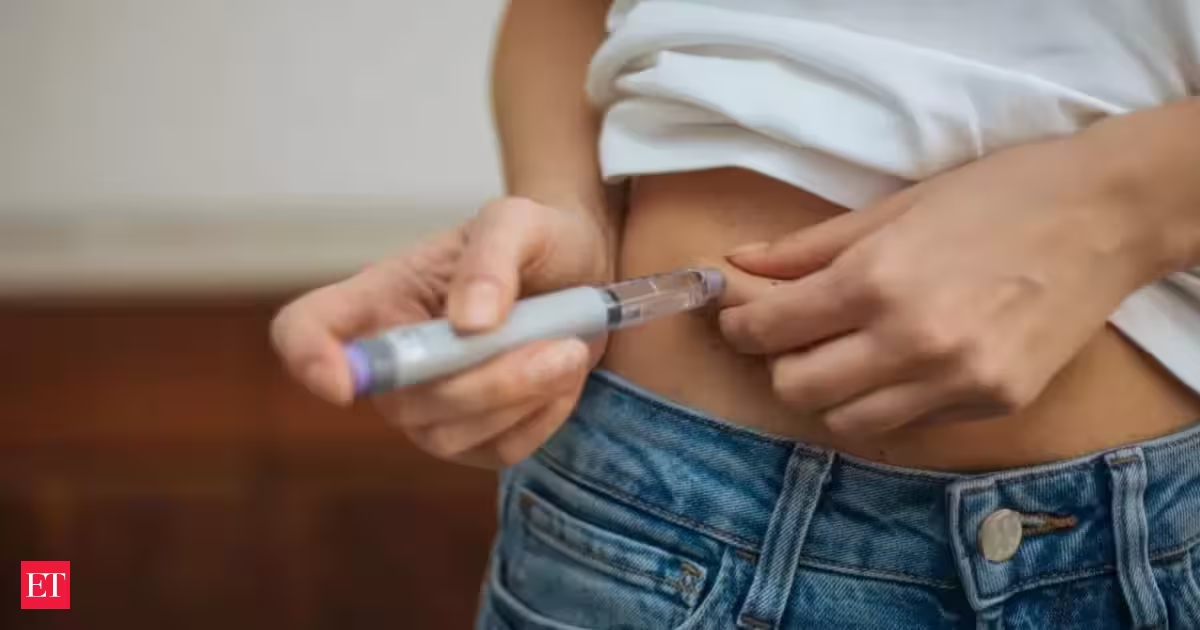
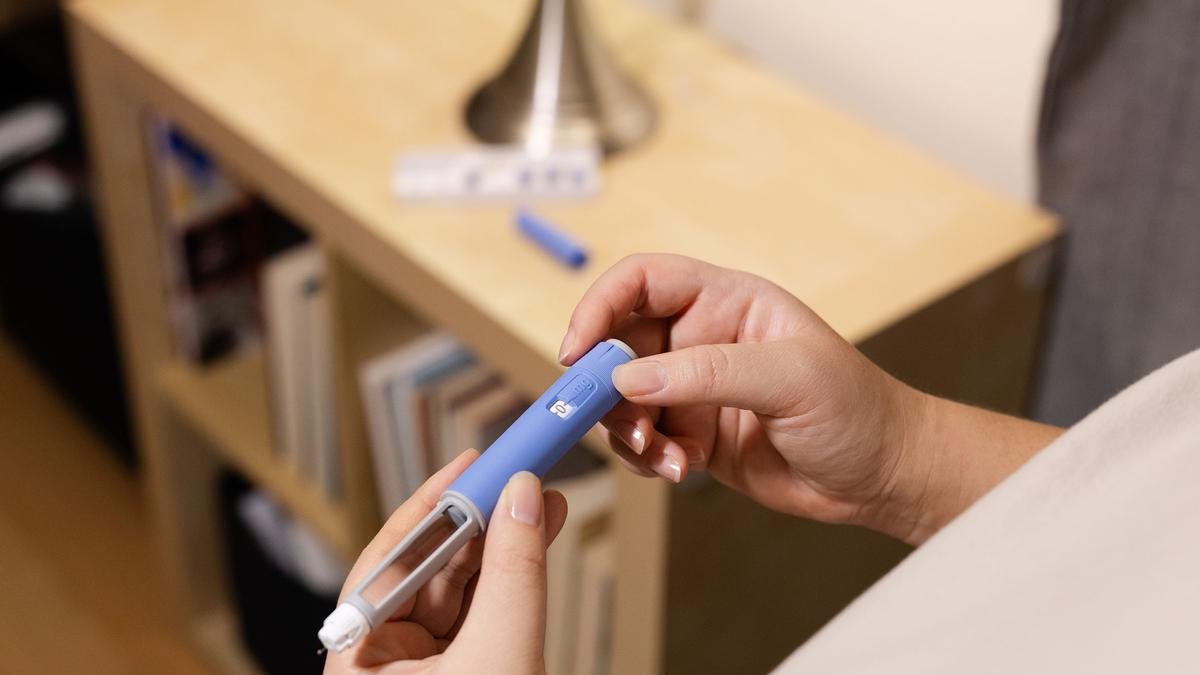
The arrival of generic semaglutide in India was expected to make obesity and diabetes treatment more affordable and accessible. Many believed that once patents expired, the market would rapidly shift towards lower-cost alternatives. Surprisingly, that hasn’t happened.Despite competitive pricing, the biggest hurdle to adoption has been not the medicine but how it’s delivered.Semaglutide is a peptide that requires precise administration. Unlike a tablet, it cannot be swallowed. It is injected once a week using specially designed delivery systems. There lies the confusion.Today, different manufacturers offer semaglutide in reusable pens, disposable pens, pre-filled pens, pre-filled syringes and even vials. Each device has its own loading method, priming process, dose selection mechanism and injection technique. For doctors who prescribe several different brands, remembering every device is challenging. And if the doctor is uncertain, it becomes difficult to confidently educate patient.Patient education is key for injectables to succeed. Multiple devices leave patients confused — some may not prime the pen correctly, others may dial the wrong dose, and some may struggle with changing the cartridges or needles. This reduces confidence in the treatment and slows adoption.Then there is storage and in-use shelf life — this, too, varies between products. For example, the in-use shelf life recommendation for Ozempic pens is 42 days , while Mounjaro pens are discarded 30 days after first use. These recommendations are based on formal stability studies submitted to regulators. Some of the newer reusable pen systems in India are designed for use over several months, after replacing the cartridges. These devices are convenient and potentially economical, but there have been questions about long-term in-use stability, particularly if the medicine remains inside a cartridge for prolonged periods under varying storage conditions. Such questions require answers from stability studies conducted by manufacturers and reviewed by regulators.Another concern of physicians — each time a pen is reused, a fresh needle pierces the cartridge. Over extended periods of use, clinicians ask whether the repeated punctures, storage conditions and handling could influence sterility or product quality. These are scientific questions that are addressed through stability and microbiological validation studies before regulatory approval.Dose accuracy is another concern. Semaglutide is highly effective, but dosing must follow a gradual escalation schedule. Accidentally administering a higher dose than intended can increase gastrointestinal side effects such as nausea, vomiting and dehydration. When patients use multi-dose devices, education becomes essential to minimise dosing errors.None of this means generic semaglutide will fail. Quite the opposite. As device designs become more standardised, educational programmes improve and clinicians gain confidence, uptake is likely to accelerate.The future of generic semaglutide in India depends on affordability and simplicity, consistency and confidence. The easier the device is to understand and the more uniform the delivery systems become, the more comfortable will the doctors be in prescribing them and the more confident the patients using them — a key factor in the next phase of India’s obesity and diabetes treatment journey.(The writer is a diabetologist and obesity physician and founder of Zandra Healthcare. Views are personal)Published on July 13, 2026