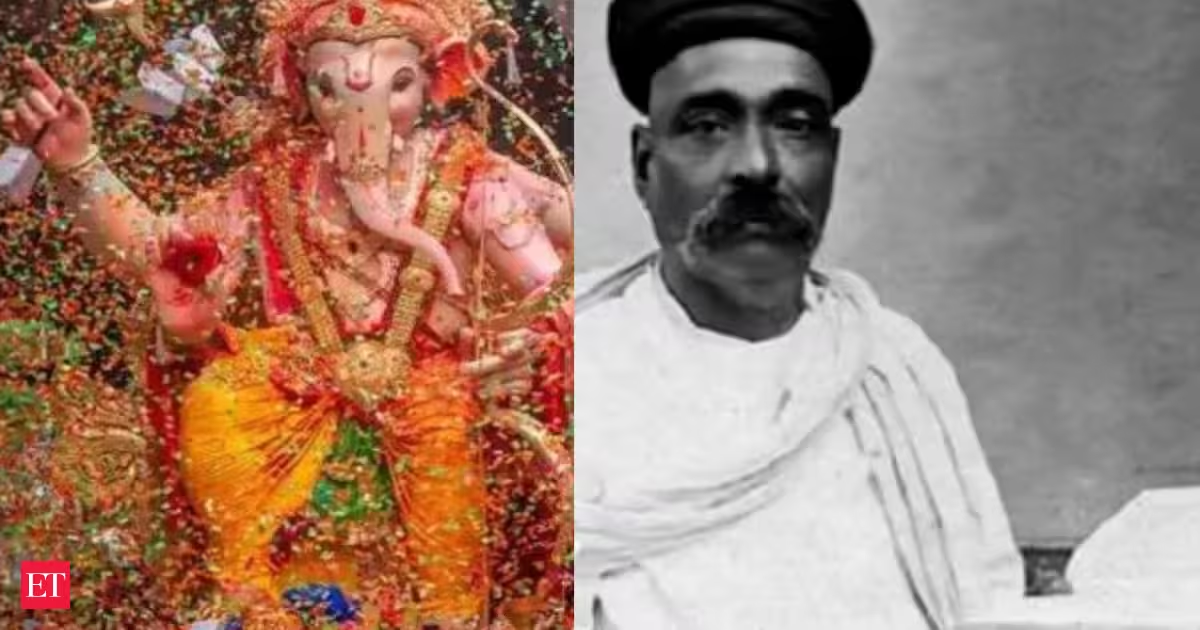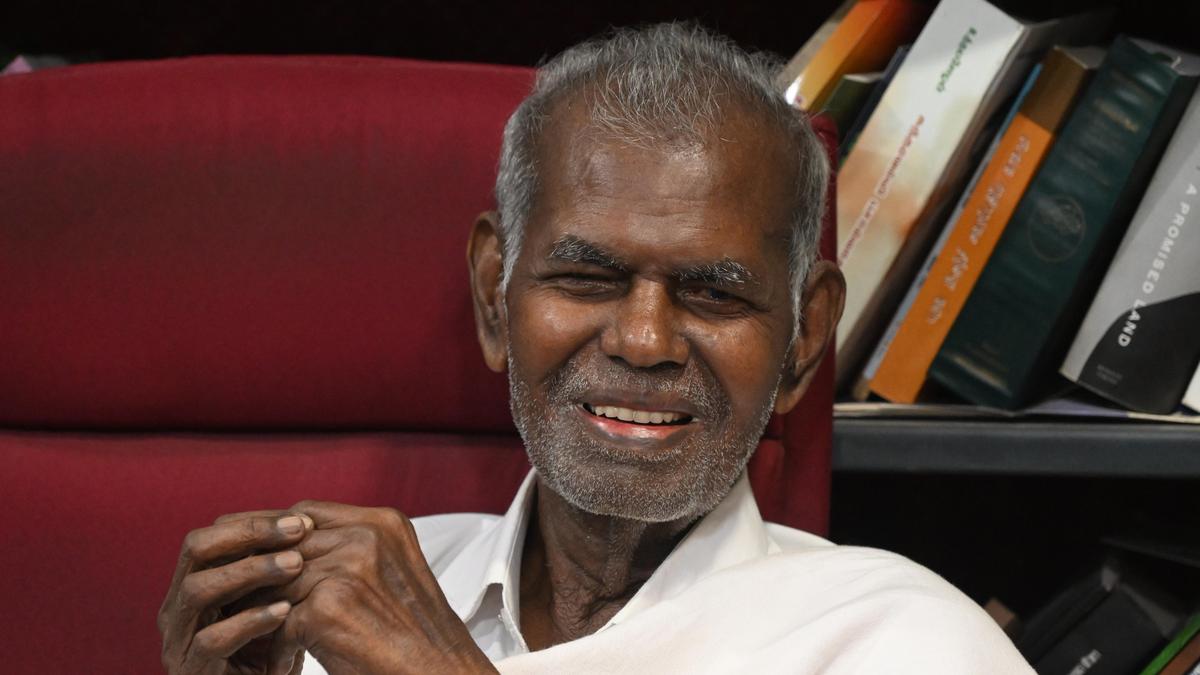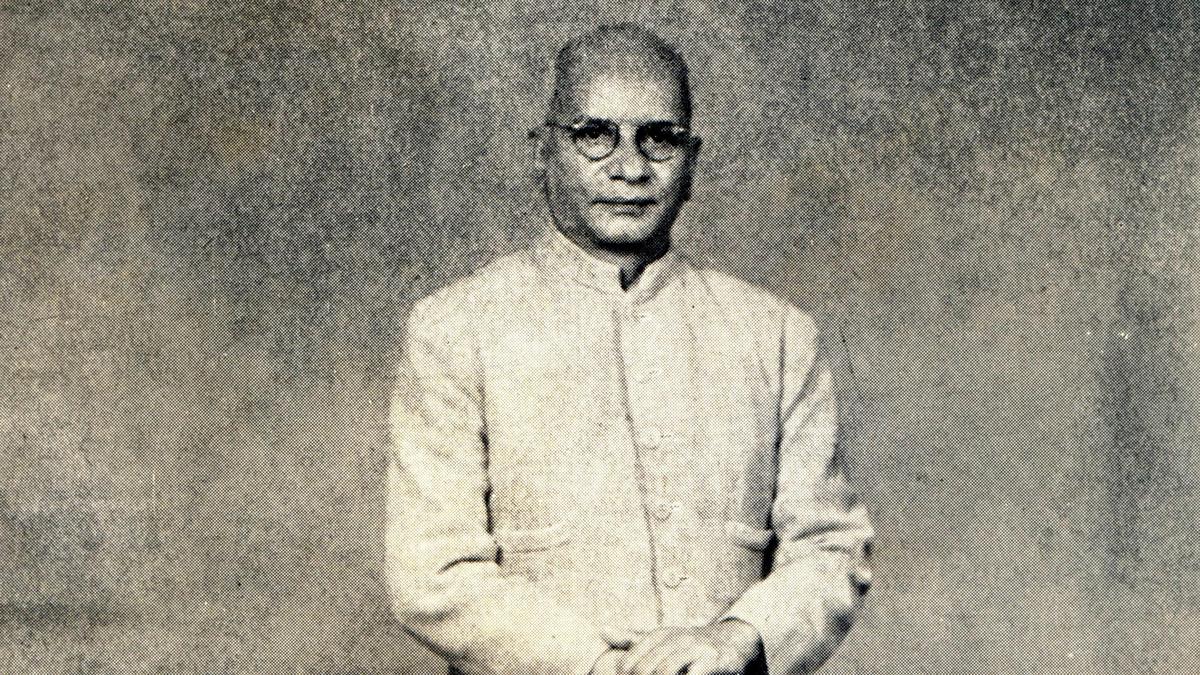
P. Varadarajulu Naidu (1887-1957), whose 139th birth anniversary falls on June 4, 2026, was called the Bal Gangadhar Tilak of south India, as his accomplishments in instilling the national spirit, in public speaking and journalism were as exemplary as those of Tilak.Just as Tilak of Maharashtra was one of the political triumvirate in the north (the other two being Lala Lajpat Rai from Punjab and Bipin Chandra Pal from Bengal), Naidu too was a member of another triumvirate in the south — T.V. Kalyanasundaram (Thiru.Vi.Ka) and E.V. Ramasamy (Periyar). His services in the area of journalism require a mention here: he was the editor for two Tamil weeklies — Prapanchamitran and Tamil Nadu — apart from launching the English daily, Indian Express, in 1932.Like Tilak who was charged with sedition for his articles in Kesari, Naidu was also tried for the same charge for his speech on the political situation in Madurai on August 18, 1918. Though initially he was found guilty and awarded 15 months’ rigorous imprisonment, he was later acquitted by the Madras High Court on appeal. In his defence, three legal luminaries — C. Rajagopalachari (Rajaji or CR), K. Srinivasa Iyengar and Alladi Kiishnaswami Iyer — appeared in the court and eventually, secured his release in April 1919. Rajaji had appeared for him even before the trial court.Naidu went to Madurai not for any political work but to express solidarity with agitating workers of Madura Mills. In his statement before the trial court, he pointed out his addresses were meant for helping the collection of funds for the benefit of the workers, who were on a strike for the hike in wages, according to a report in The Hindu on November 6, 1918.The political content in Naidu’s speech turned out to be controversial but the context was that the British government was making attempts to bring in constitutional reforms. A year later, the Government of India Act, 1919, came into effect, paving the way for the establishment of the “dyarchy” system, by which responsibility for certain functions of the government in the provinces was transferred while control over others remained with the British. Naidu had pointed out to the trial court that it was not only his “right” but also his duty to facilitate “popular education and free and frank discussion” on the subject of constitutional reforms.
Varadarajulu Naidu, the relentless freedom fighter and doyen of journalism
Explore the legacy of P. Varadarajulu Naidu, a pivotal freedom fighter and journalist, known as the Tilak of South India.
1,087 words~5 min read