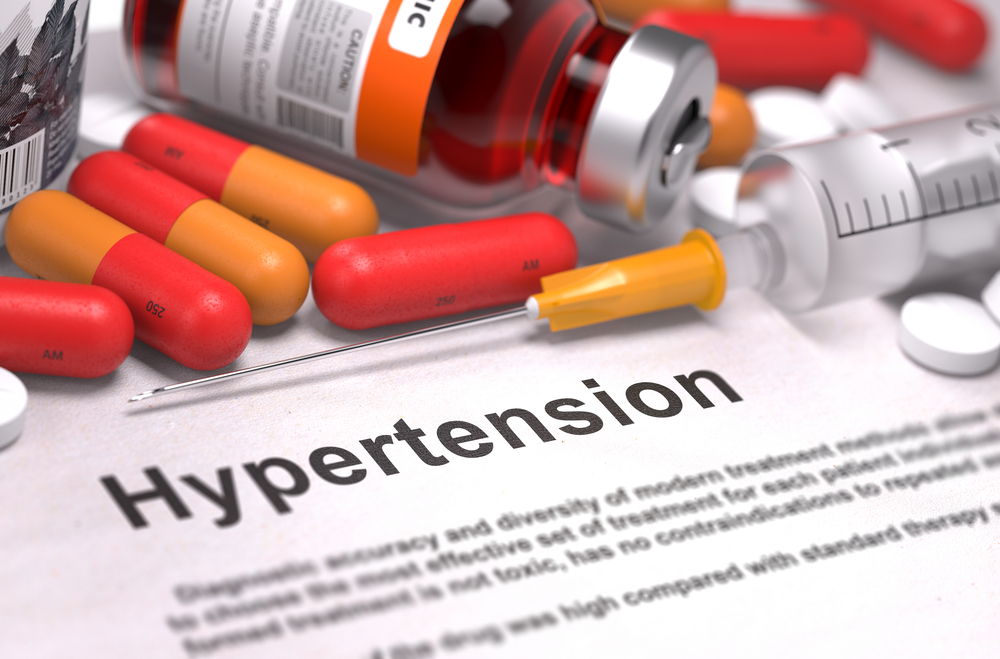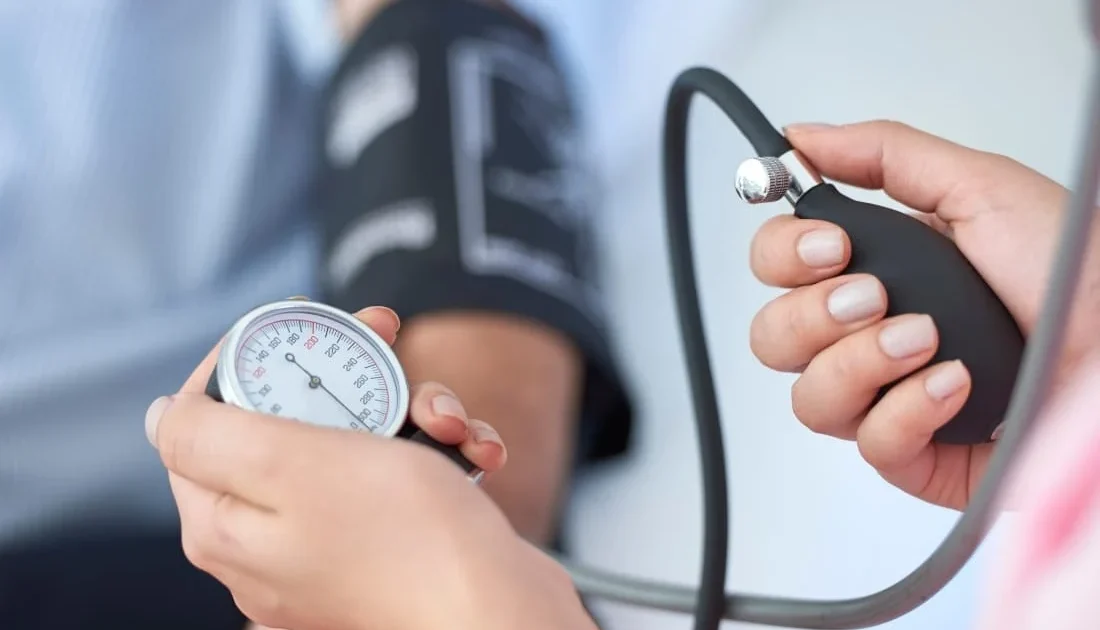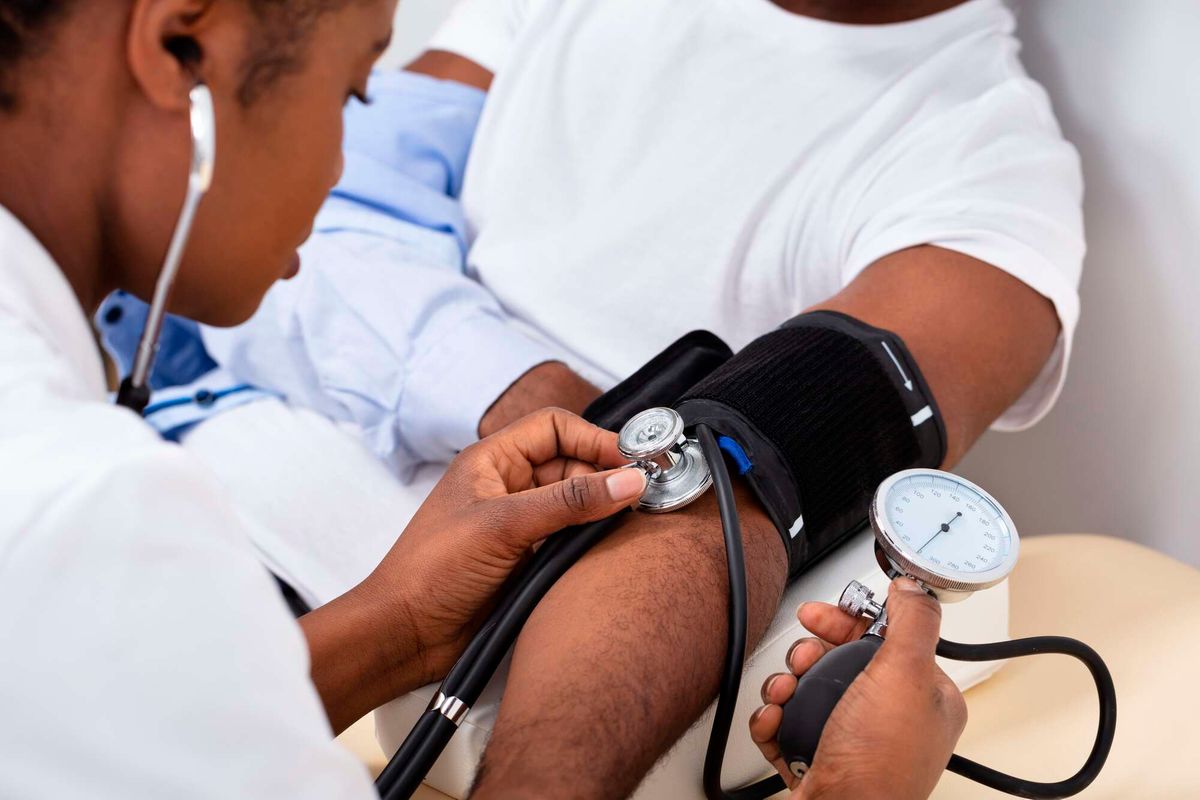
Somewhere in Jigawa, a community health worker is waiting for the blood pressure cuffs that never arrived. In Mushin, a patient has rationed her last tablet of Amlodipine for the third consecutive month. These are not edge cases; they are the lived reality behind Nigeria’s headline health numbers. When the Presidency released the 2026 federal budget for health – a record N2.48tn, signed into law by the President—it was easy to feel a cautious optimism. But for the estimated 38 per cent of Nigerian adults living with hypertension (four in 10, per the Federal Ministry of Health and Social Welfare’s 2025 State of Health of the Nation report), the figure on paper matters far less than whether those trillions ever reach the facility level.
Hypertension is no longer a “silent killer” in Nigeria; it is a loud, fiscal emergency. It is an economic tax that drains the productivity of our workforce and the savings of our elderly. With the current prevalence rates, we are looking at a national heart that is struggling to pump against the resistance of underfunding and policy inertia.
The N2.48tn allocation represents roughly 4.2 per cent of the total 2026 budget. While nominally higher than 2024 levels, we remain far from breathing at full capacity under the 15 per cent Abuja Declaration target, a commitment African heads of state made in Abuja in 2001—now 25 years unanswered. When adjusted for inflation and the weakened Naira, this “record” allocation barely treads water.