June 3, 2026
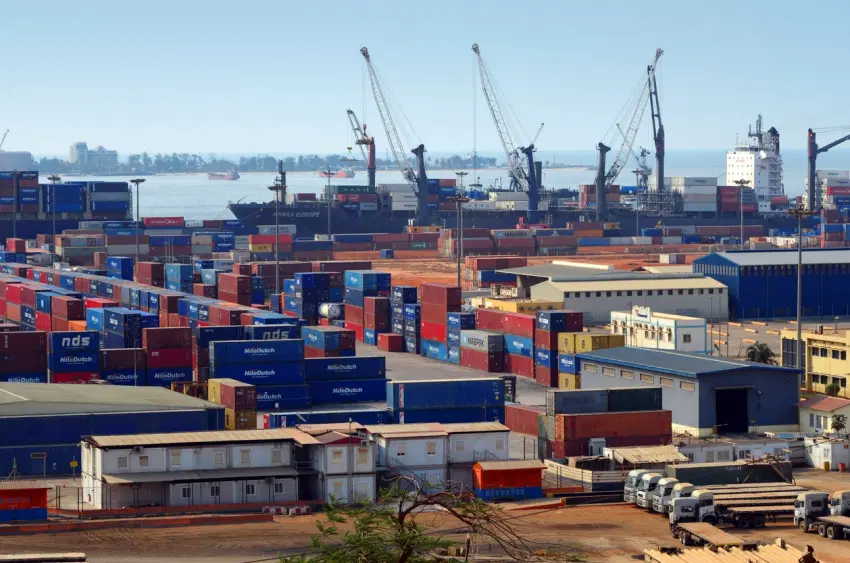
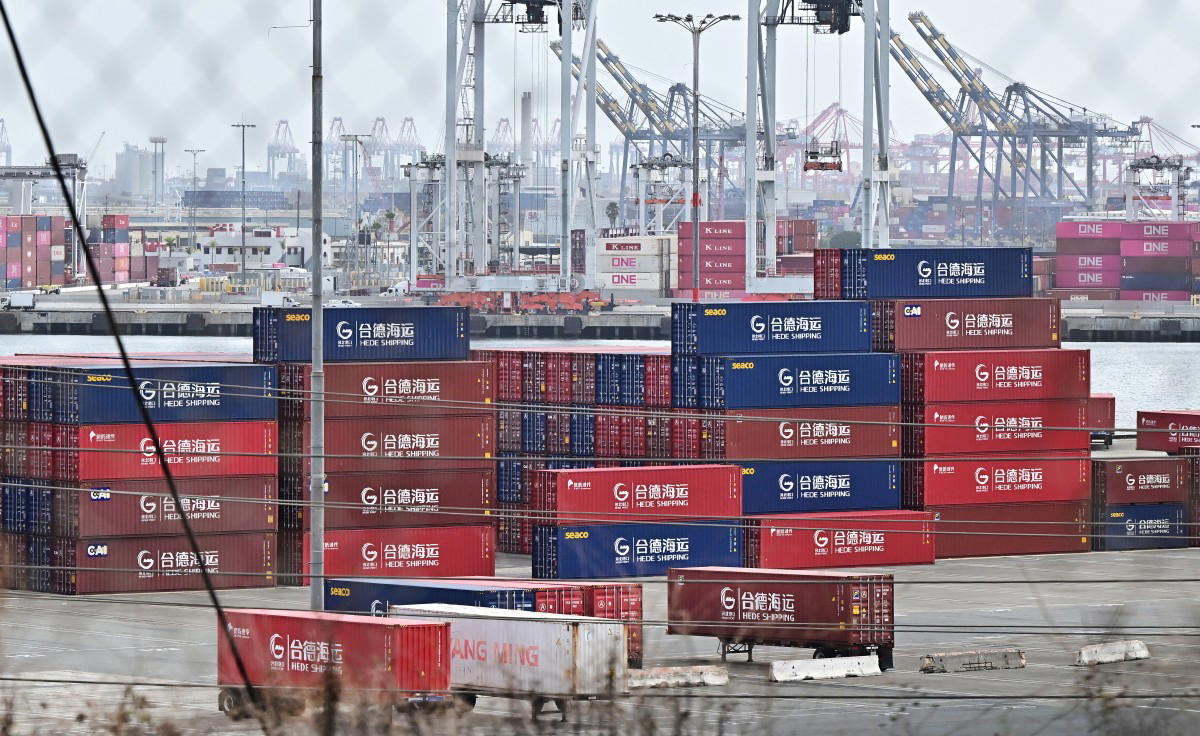
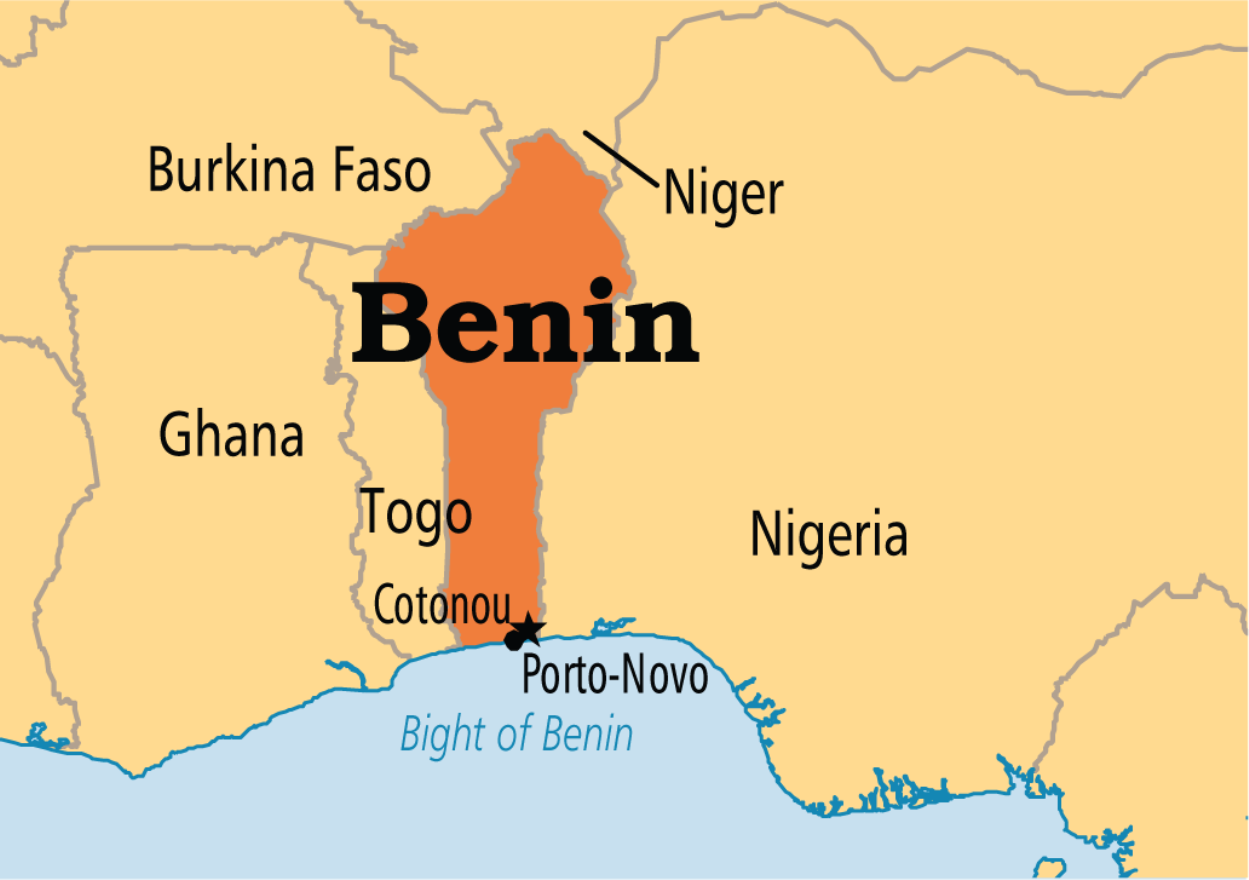
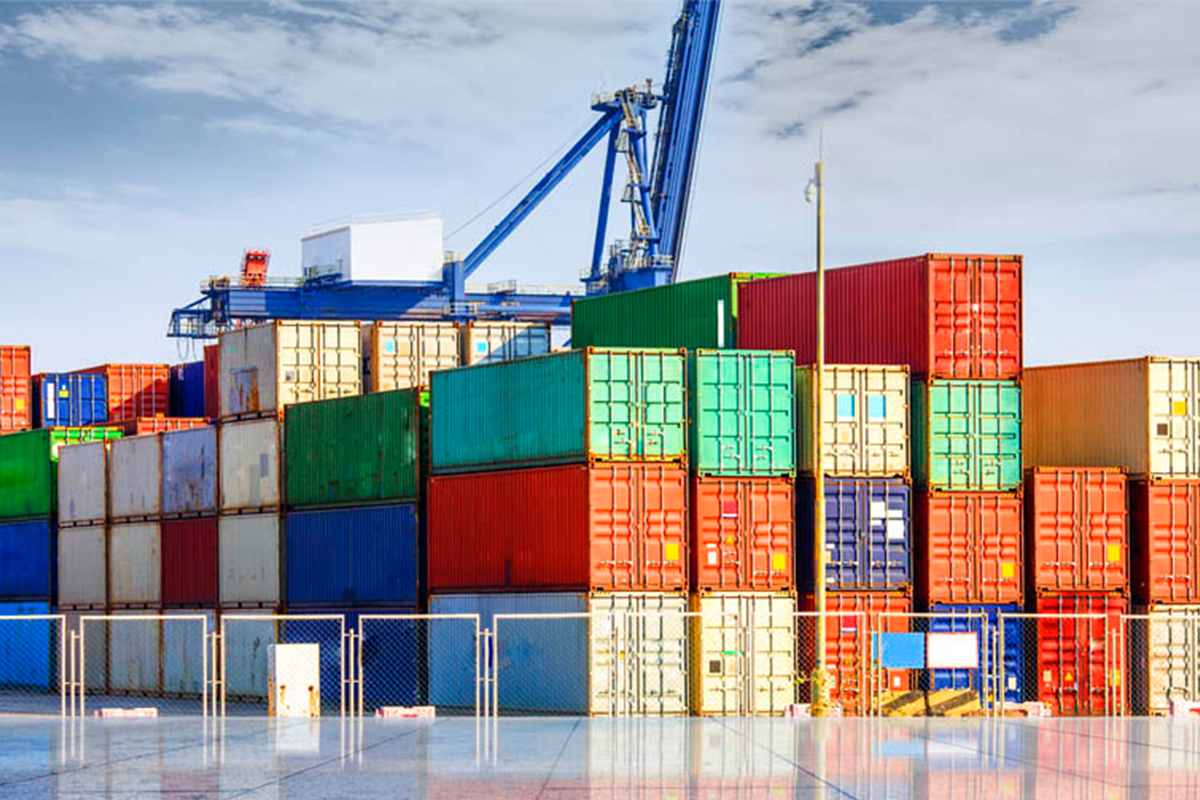
Clearing a 20-foot container in Cotonou ports, Benin Republic costs N7–8 million versus N14–15 million in Nigeria. A 40-foot container costs N13–14 million in Benin versus N19–20 million, sometimes hitting N25 million in Nigeria’s ex-bonded terminals. Importers save N3–4 million per box by routing through Cotonou.
This stark N18 million gap reveals a crisis eating Nigeria’s manufacturing base alive, especially as many of the containers hold raw imported materials. Four devastating impacts emerge from these differentials. First, Nigerian manufacturers face crippling input costs, making finished goods uncompetitive against regional rivals who import cheaper. Second, cash flow strangulation occurs as capital remains trapped in stranded cargo for weeks.
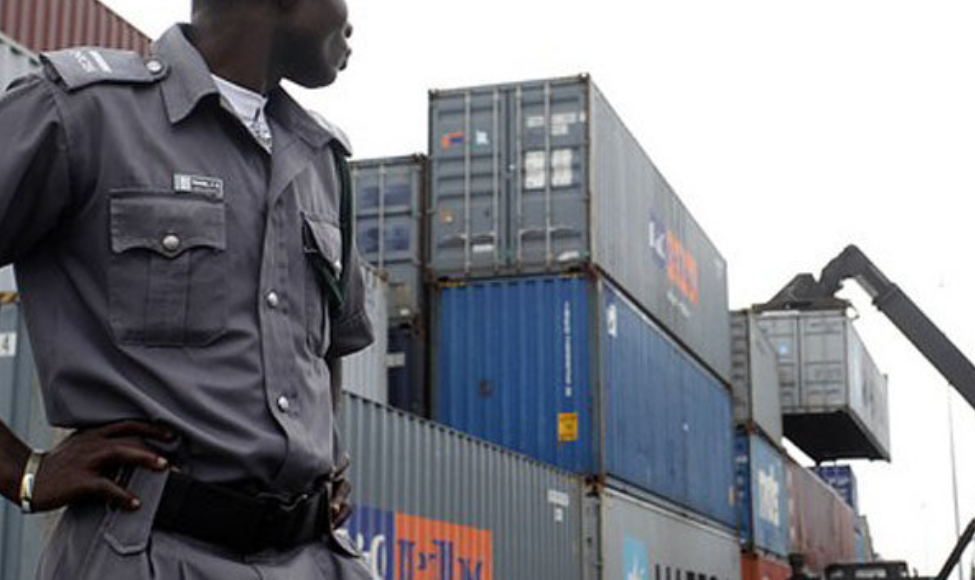
Also, government revenue hemorrhages as trade diversion means billions in duties and taxes flow to Cotonou instead of Apapa. Foreign direct investment flees, as investors view Nigeria’s port inefficiency as an unacceptable risk premium that undermines entire supply chains. This cost differential also fuels rampant smuggling. When legitimate clearance costs double, traders turn to the Benin corridor, paying informal fees to move goods under the radar into Nigeria. Smuggled goods bypass customs duties entirely, depriving the Nigerian treasury of billions annually while undercutting honest importers who pay full levies.