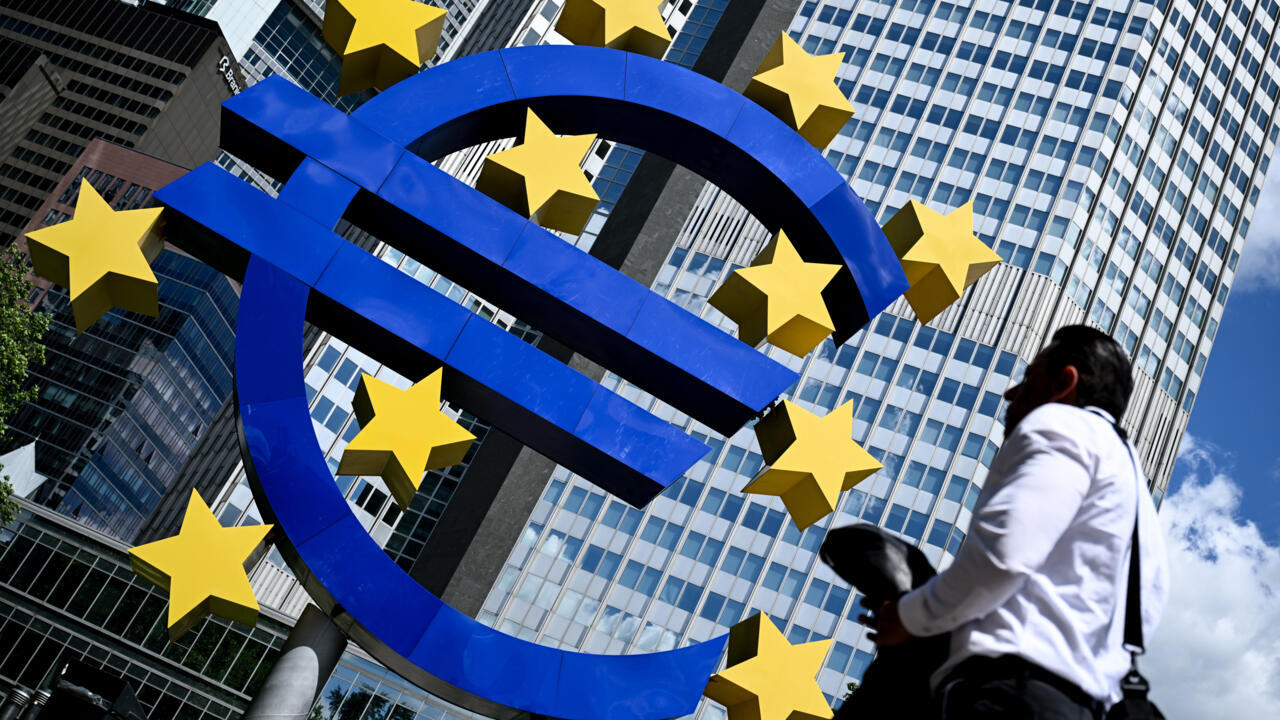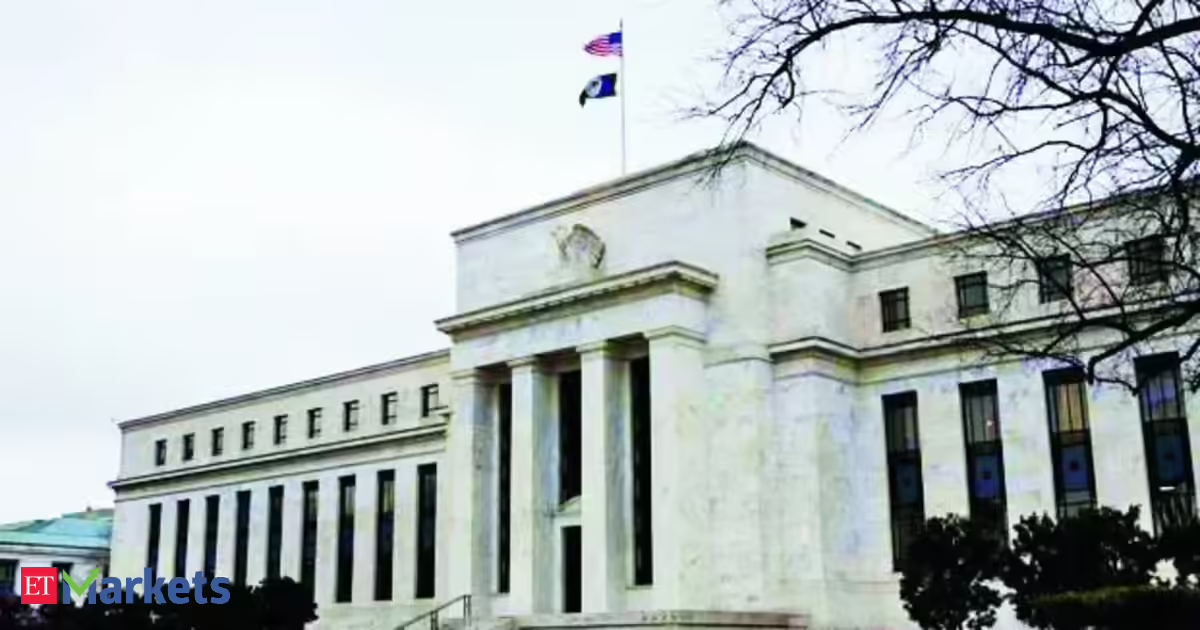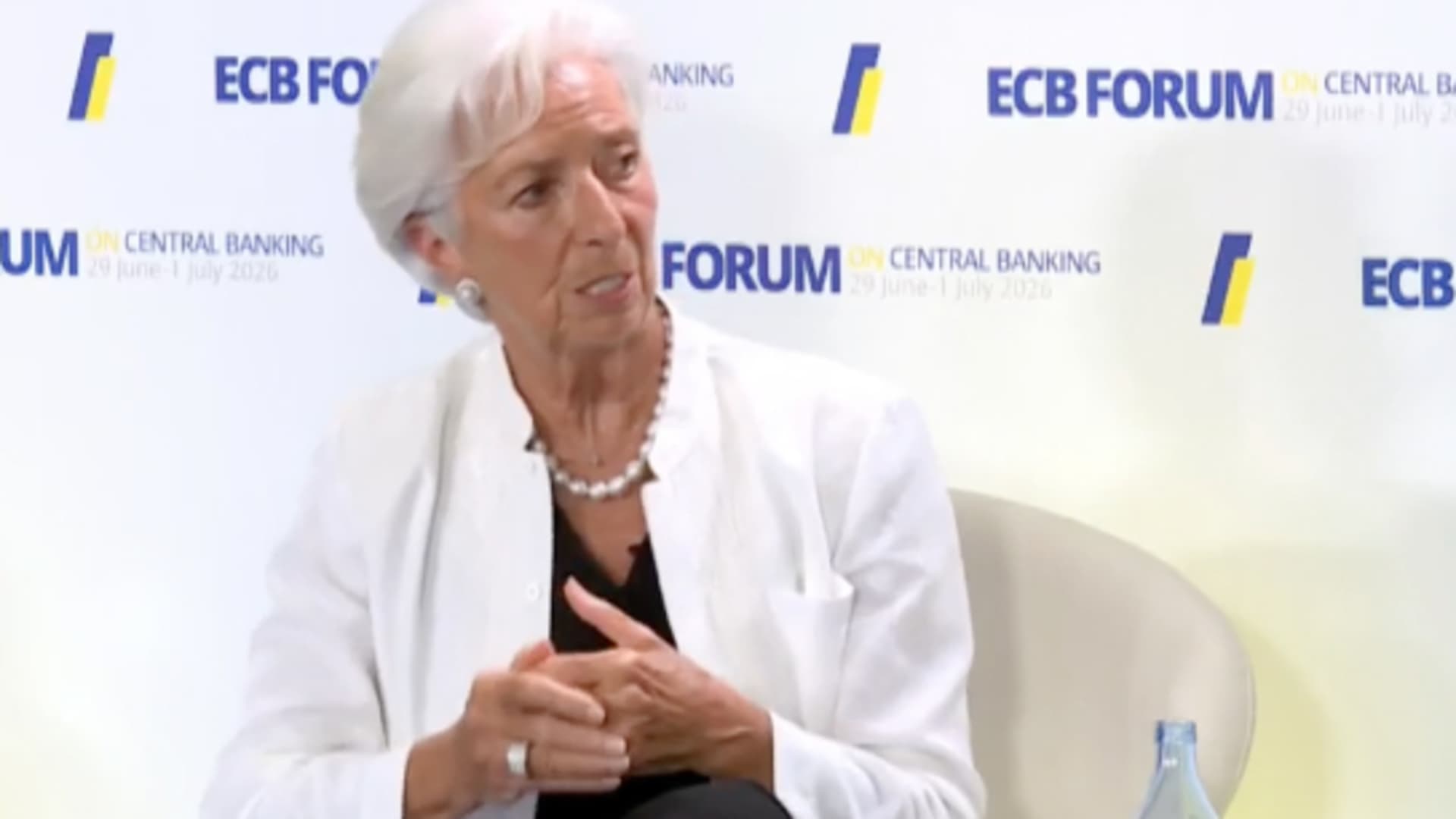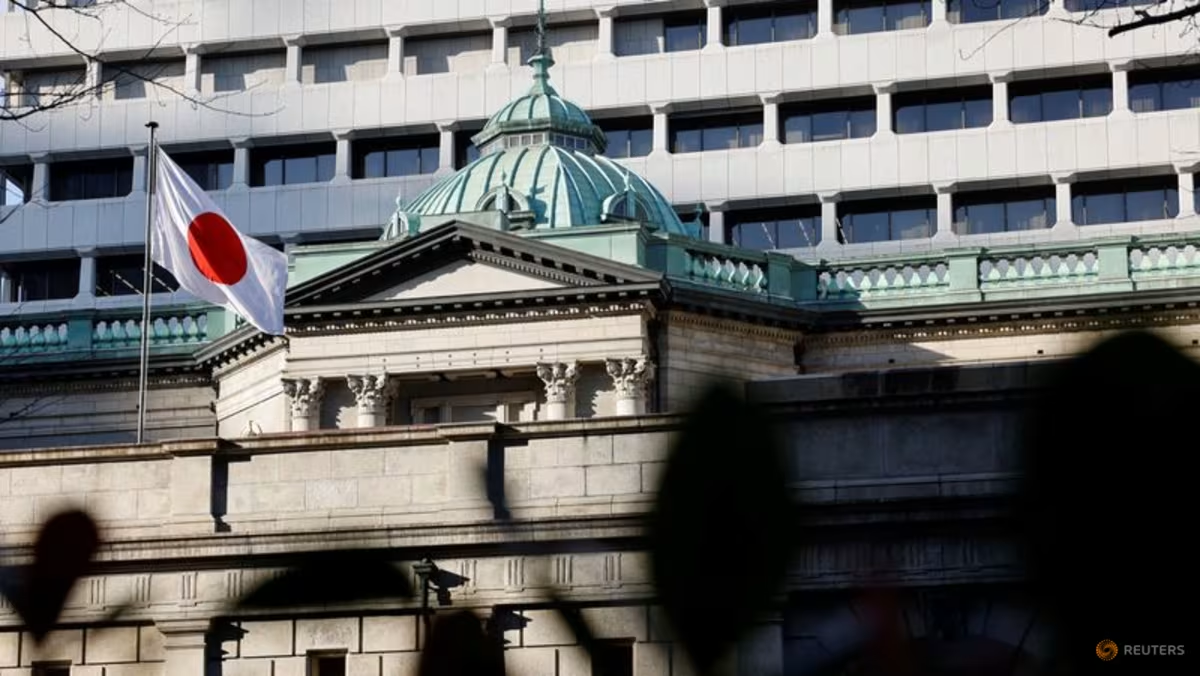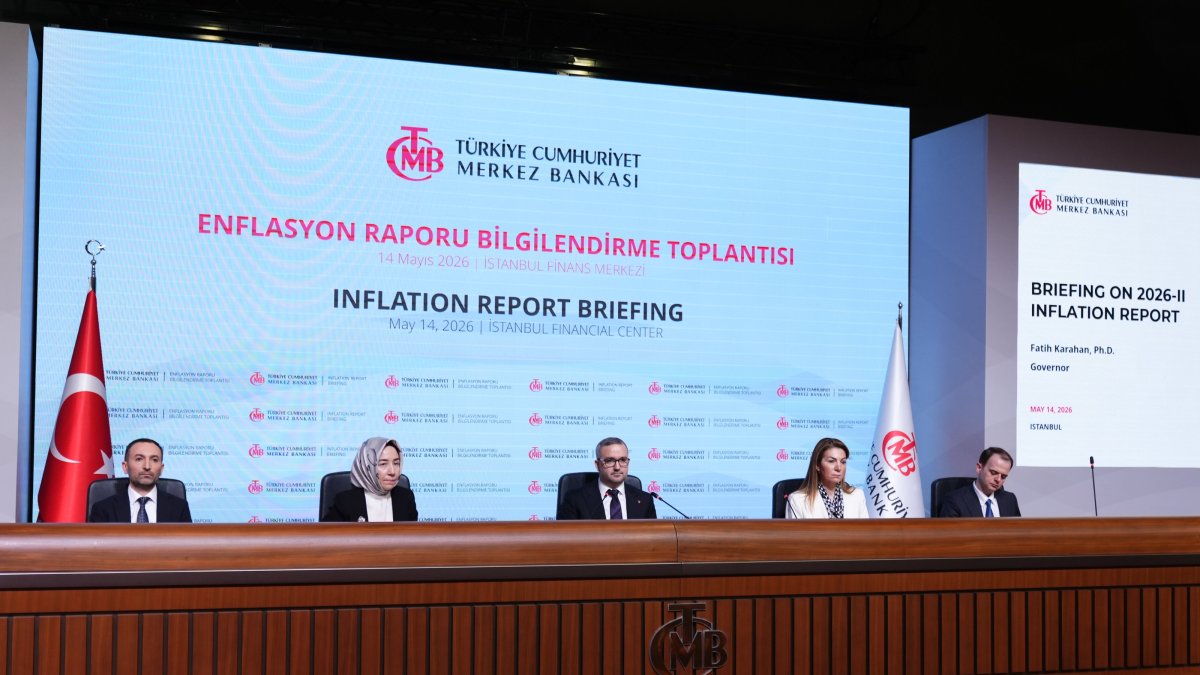
We’re heading into central bank rate-setting season: June edition. The biggies on the calendar include Canada on June 10, the European Central Bank on June 11, the Bank of Japan on June 16, the U.S. Federal Reserve on June 17, and the Bank of England on June 18.Before the start of the Iran war, and the resulting closure of the Strait of Hormuz and a dramatic spike in oil prices, most central banks were comfortable holding interest rates steady or even cutting them. That was when inflation was falling closer to the banks’ long-term inflation targets.But now, with inflation rising and spreading from energy to food to services to manufactured goods all over the world, all bets are off for lower rates. Instead, rate hikes are in the air, starting with the ECB next week.Next, all eyes will turn to the Fed and its first meeting with the new chair, Kevin Warsh — a potential interest-rate wild card — at the head of the table.With inflation in Europe surging higher, the ECB is returning to the playbook it successfully used to fight inflation after COVID, said Daniela Hathorn, a senior market analyst at Capital.com.“The ECB has done a pretty good job to the point where they managed to get inflation down to 2%, which is that holy threshold that most central bankers want to keep,” she said.That means the ECB has some wiggle room, Hathorn added, “to be able to hike rates now, just to make sure that they’re staying ahead of the curve.”European central bankers aren’t the only ones eyeing higher rates, said Jennifer Lee, senior economist and managing director at BMO Capital Markets. “The Bank of Japan. Who’d have thunk that inflation is finally picking up after how many decades. And the Bank of Japan has been raising rates,” she said.Futures markets predict the U.S. Federal Reserve will hold rates steady at its meeting this month — and in July, September, and October, not hiking rates until December at the earliest. That could prove risky, said former Fed economist Claudia Sahm. “The year-over-year inflation is kind of getting close to 4%, that’s like twice the Fed’s target,” she said.The challenge is to predict how long this rapid acceleration in prices will last.“And that’s an important question for the Fed. Because if we think it’s going to be persistent, then they probably should be raising rates and trying to slow that inflation down,” Sahm said.That’s something other central banks seem ready to do right now. This disconnect between the Fed and its major-economy counterparts is relatively new, said Jennifer Lee.“I remember back in the day, when it was always the Fed leading the way, if the Fed raised rates everyone raised rates, if the Fed cut, everyone was cutting,” she said.Now, Lee said, it’s each central bank for itself. “They have to do what’s right for their economies, for their inflation rates. And I think this trade war sort of set everyone off in a different direction,” she said. As for whether Lee thinks the new Fed Chair, Kevin Warsh, will be influenced by other central banks’ rate decisions? “I don’t know if he’s going to care. I mean, all the commentary that we’ve heard from him, I don’t think he does,” she said.One voice he probably does care about is President Trump, said Daniela Hathorn.“He was appointed by Trump, we know that Trump has been calling for lower rates for a while. Of course, you can’t ignore the data,” she said.Hathorn warned holding out for rate cuts in the face of resurgent inflation could undermine the Fed’s global credibility.
Central banks for the world's major economies meet to set rates this month
Until the start of the Iran war, most central banks were comfortable holding interest rates steady, or even cutting them. But things are different now.
601 words~3 min read