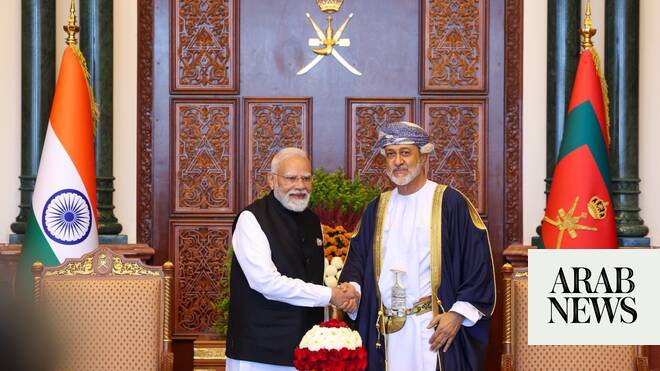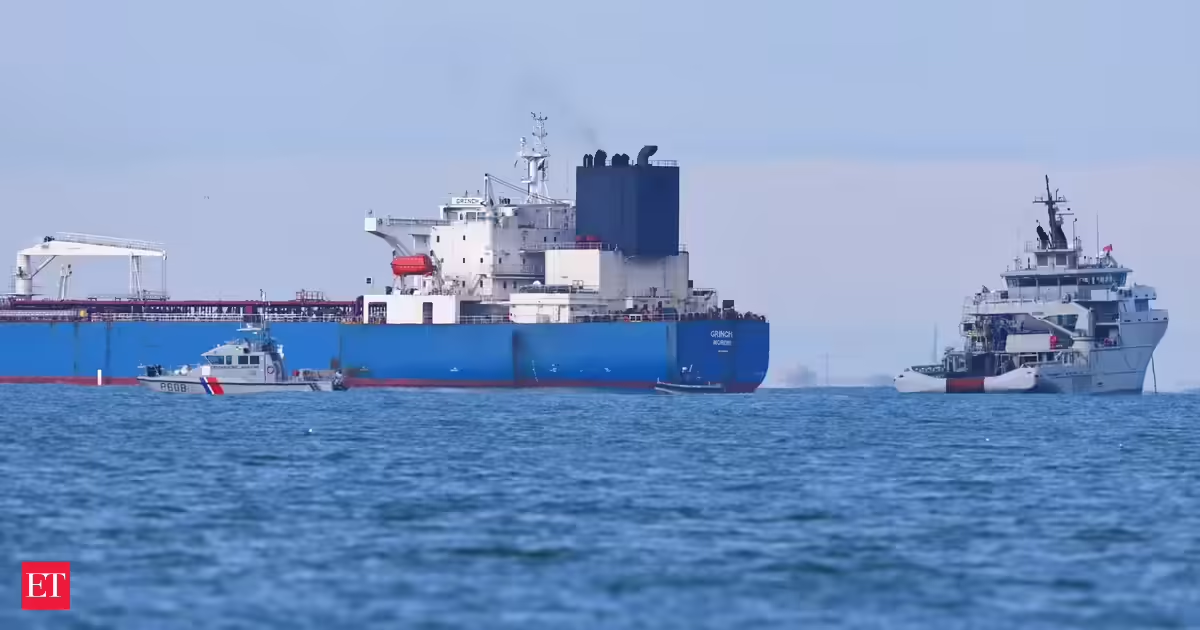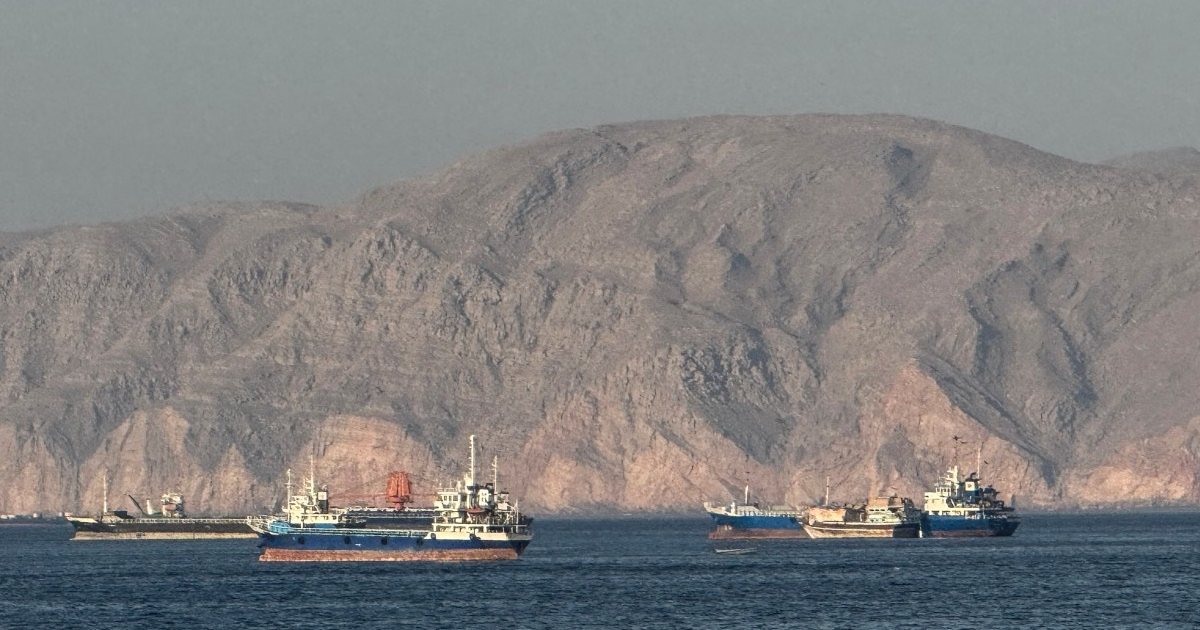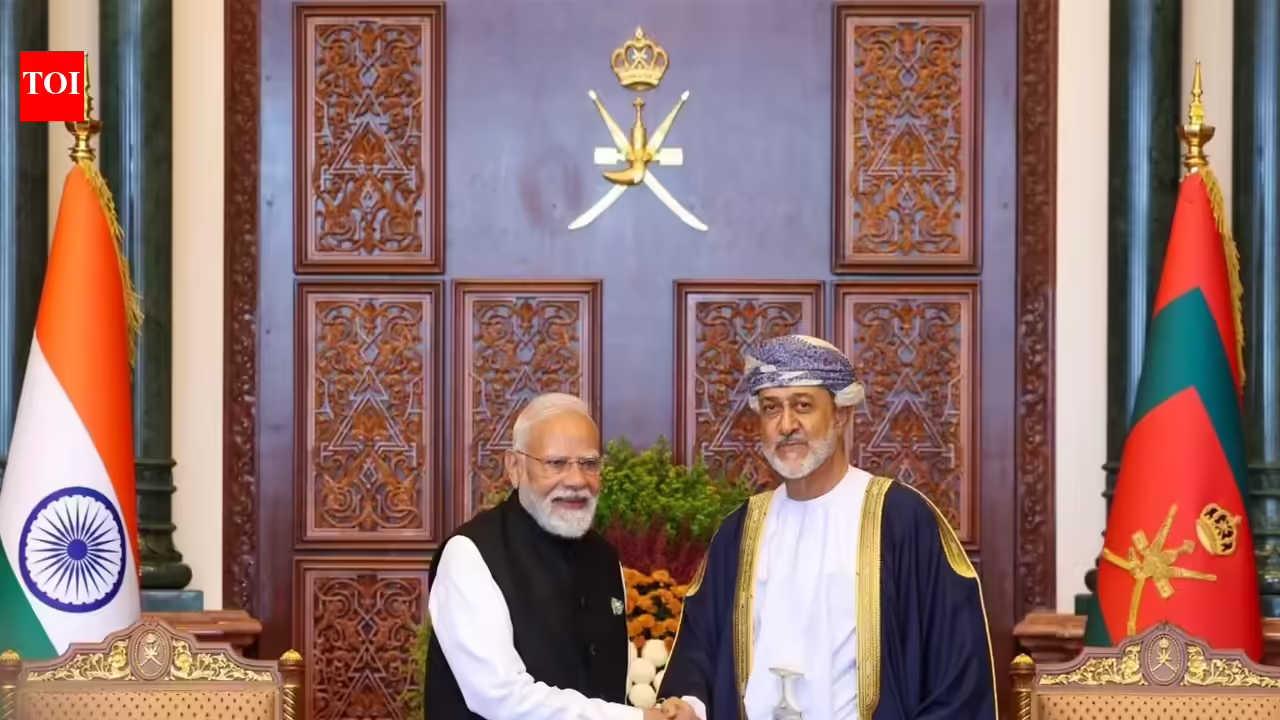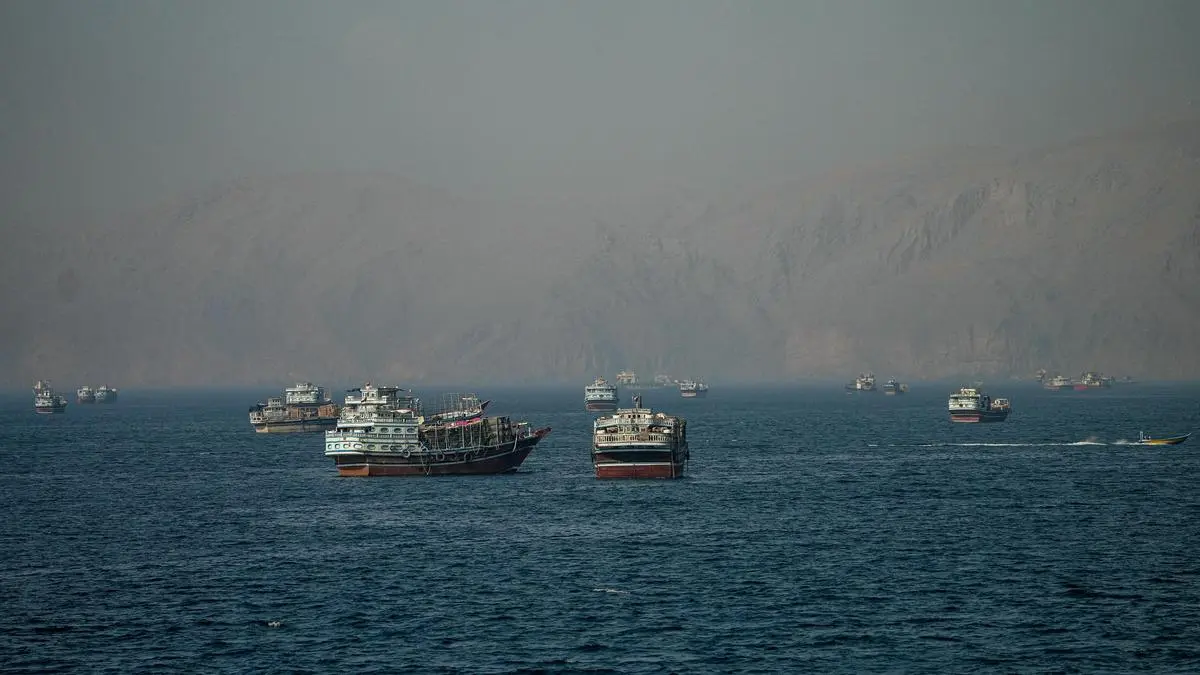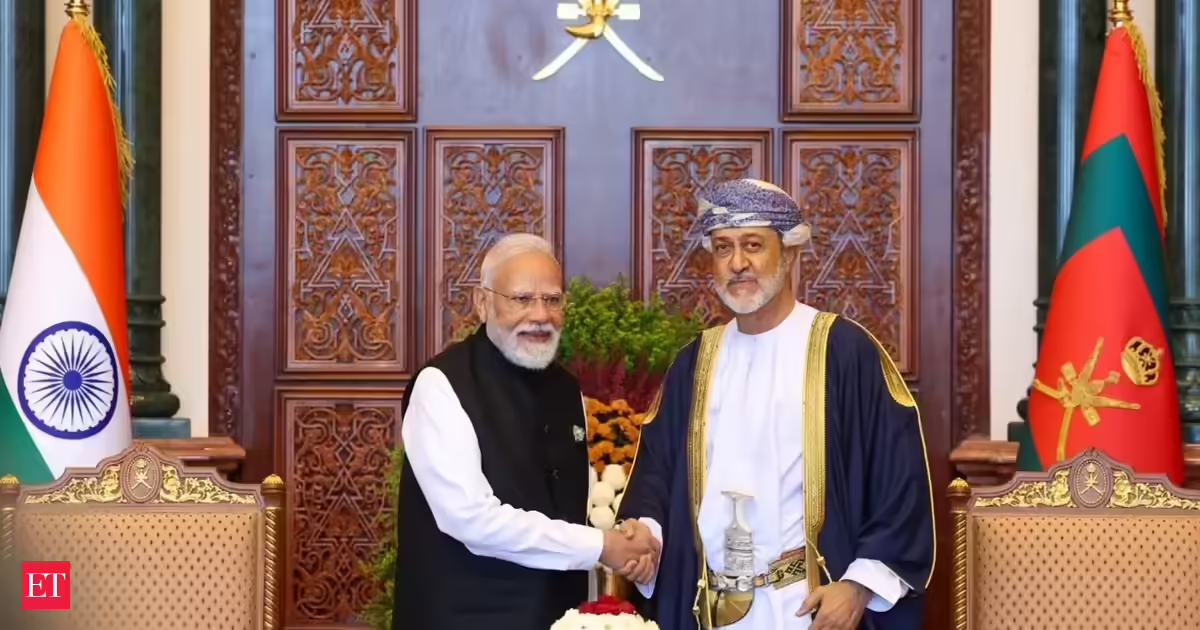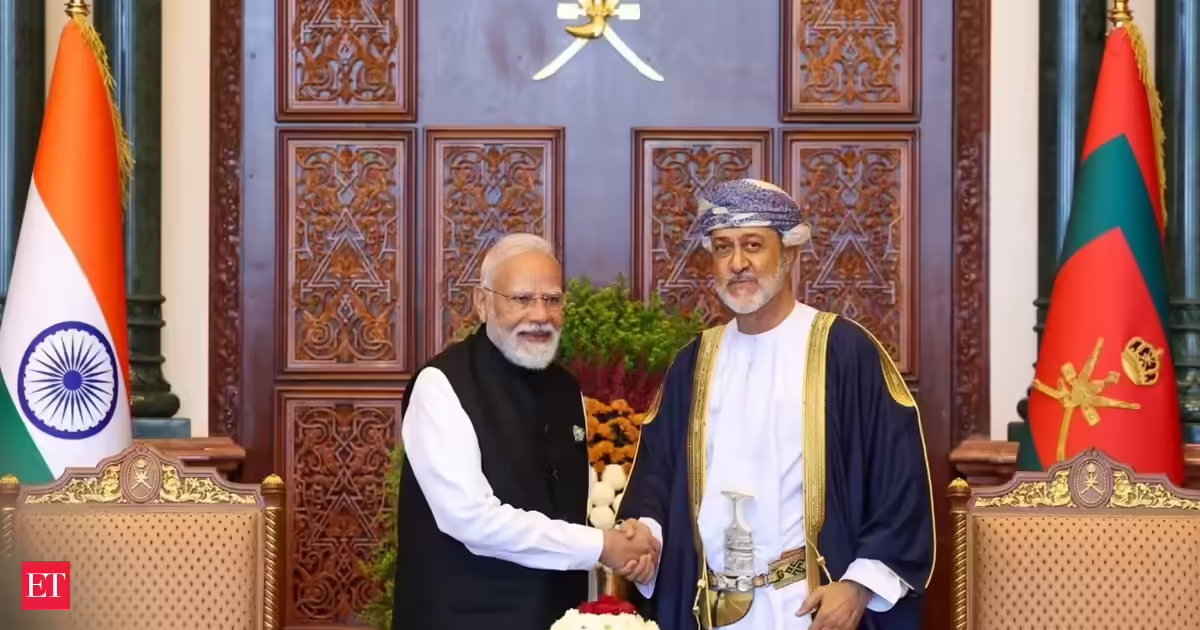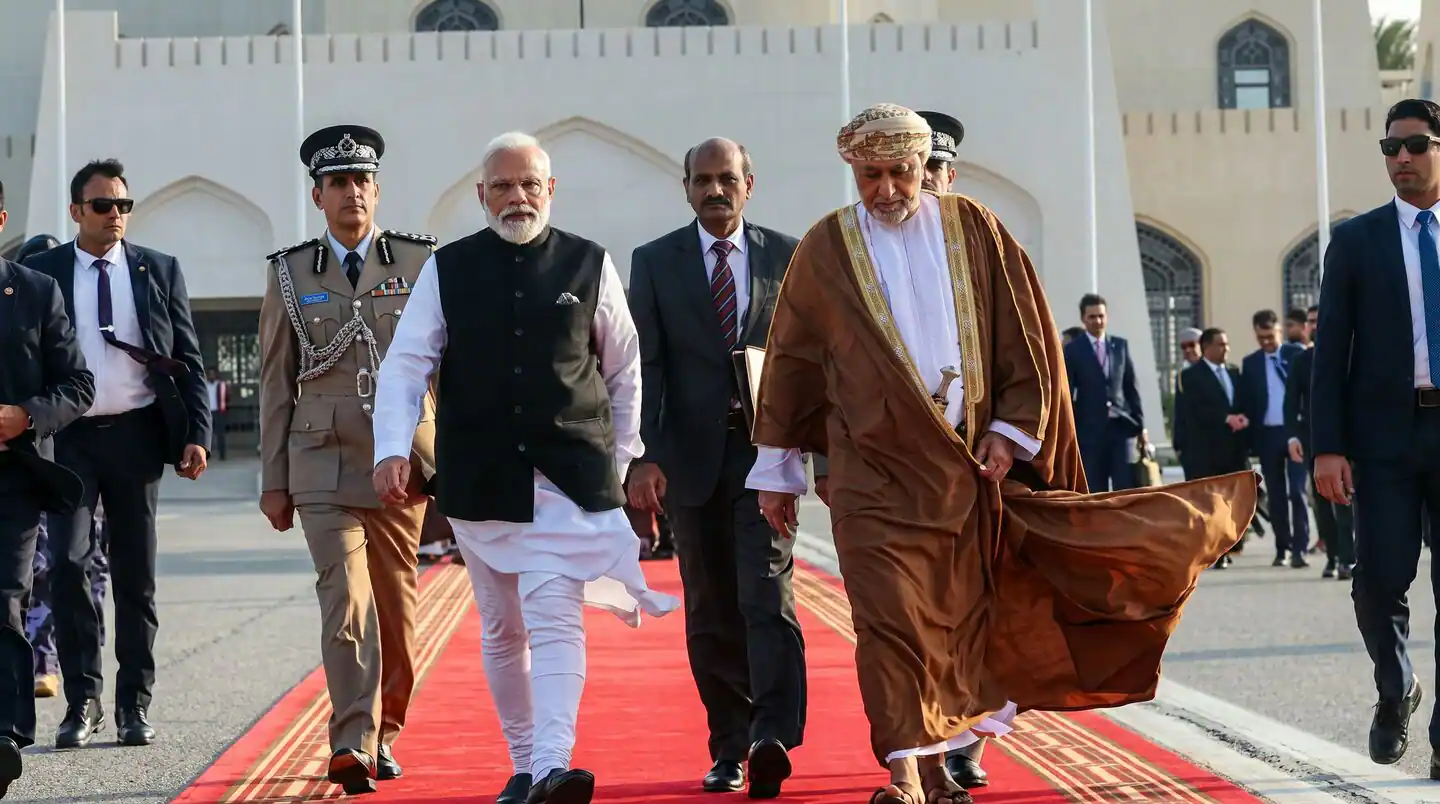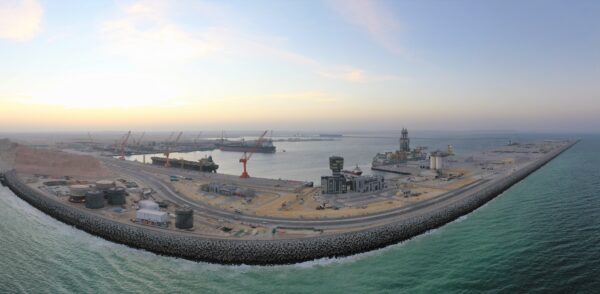
Late last year, when India and Oman officially signed the Comprehensive Economic Partnership Agreement (CEPA), there was no war with Iran cutting off the Strait of Hormuz, and the advanced timing of this now is turning out to be more fortuitous than initially expected. The agreement came into effect on June 1st, just in time to give India access to Oman’s trade routes as an alternative to Hormuz. The pact, ratified by the Omani Sultan in February this year, will see Oman eliminate customs duties on 98% of its tariff lines, giving immediate preferential access to Indian exports, including textiles, leather, pharmaceuticals, engineering goods, and agricultural products. The Strait of Hormuz funnels nearly 45% of India’s crude imports, 55% of LNG shipments, and 90% of its LPG imports, making its closure a heavy burden for New Delhi. Most recently, on Tuesday, Iran threatened to completely seal it off due to Israel’s ceasefire violations in Lebanon. Iranian media claimed on Tuesday that 24 tankers have traversed the strait in 24 hours, primarily headed toward Asian markets, which are highly dependent on Gulf energy supplies despite soaring insurance and shipping costs.Despite ongoing ceasefire and diplomatic negotiations between the US and Iran, most shipping executives and insurers continue to view the waterway as too dangerous to navigate without a definitive peace agreement. Thankfully, Oman’s primary ports such as Duqm, Sohar and Salalah are located outside the Strait, directly on the Arabian Sea, granting India a secure energy supply route.Set OilPrice.com as a preferred source in Google here.Oman's geographical positioning allows India to collaborate on vital energy infrastructure, including deepwater pipeline projects and expanded Liquefied Petroleum Gas (LPG) and crude storage hubs. Given Oman’s proximity, expanding regional crude and LPG storage infrastructure becomes a major element of India’s energy security. India relies heavily on West Asian crude and LPG, and establishing supplementary storage networks serves as a buffer against global supply chain disruptions. Indeed, India is advancing a proposed ~$4.8-billion undersea pipeline that will transport up to 31 million metric standard cubic metres per day (MMSCMD) of natural gas from Oman directly to Gujarat. Stretching roughly 2,000 km across the Arabian Sea at depths reaching 3,450 meters, this project allows India to bypass the volatile Strait of Hormuz. State-run energy firms such as GAIL, Indian Oil Corporation (IOC), and Engineers India have been tasked with preparing and fast-tracking the detailed feasibility and execution reports. While technically demanding due to extreme deep-sea conditions, the project is viewed as a critical step in achieving long-term national energy security and price predictability. By transporting gas directly, India expects to save up to $1 billion annually. And the deal gives India duty-free access for vital shipments, making Oman an emergency gateway. In the meantime, the Indian Navy has expanded its maritime escort operations near the Gulf of Oman in a bid to safeguard energy lifelines outside of enclosed Persian Gulf waters. Over half a dozen naval ships including Visakhapatnam-class destroyers like the INS Shivalik and INS Nanda Devi have been stationed east of the Strait of Hormuz. On its part, Oman stands to benefit from the India-Oman Comprehensive Economic Partnership Agreement (CEPA) through accelerated economic diversification, enhanced foreign direct investment, and greater integration into global supply chains. Currently, Oman’s economy remains heavily reliant on oil and natural gas, which account for approximately 32% of the country's Gross Domestic Product (GDP) and up to 85% of total government public revenue.By relying on Oman as a primary re-exporting and logistics hub, India will boost Oman’s maritime revenue and create local supply chain jobs. The deal will also jumpstart Oman’s Vision 2040 industrial goals, drawing new investment into non-oil sectors. Indian businesses can now hold up to 100% foreign direct investment (FDI) in major Omani service sectors, fostering technological transfer and strengthening local infrastructure. Oman has committed to wide-ranging market access across 127 service sub-sectors, enabling Indian experts in IT, architecture, healthcare, and finance to operate more freely, transfer skills and establish regional headquarters.India’s energy security is heavily concentrated around the single chokepoint of Hormuz. For decades, that knowledge was simply accepted as an unavoidable cost of doing business in the Gulf. Oman gives India options, making the late 2025 deal now look prescient. The immediate impact of the CEPA will be measured in trade volumes and investment flows, but the long-term value is enormous, with the deal making Oman much more than just a trading partner. Instead, the sultanate is emerging as one of the few Gulf states capable of serving as a genuine bridge between India’s growing energy needs and an increasingly uncertain Middle East.By Alex Kimani for Oilprice.comMore Top Reads From Oilprice.comPakistan Inflation Accelerates to 11.7% on Oil and Gas Import ShockRystad: U.S.-Iran Re-Escalation Could Drive Oil To $180 By AugustBP Starts Production at Trillion-Cubic-Foot Gas Prize In Azerbaijan
India’s Oman Bet Looks Timely As Hormuz Crisis Deepens | OilPrice.com
India’s trade agreement with Oman has gained strategic importance amid disruptions in the Strait of Hormuz.
801 words~4 min read