Introduction: The Transition Dilemma
For a frontend developer with 7–8 years of experience, the allure of backend development is understandable. The shift promises deeper system-level insights, broader career paths, and a chance to break free from the perceived stagnation of frontend work. However, this transition is not a lateral move—it’s a reconfiguration of both technical focus and mindset. Without a structured approach, the risk of misalignment, burnout, or skill gaps is high. Here’s why: the backend demands a system-first mindset, where scalability, security, and performance optimization overshadow the user interface concerns that dominate frontend work.
The Skill Transfer Trap
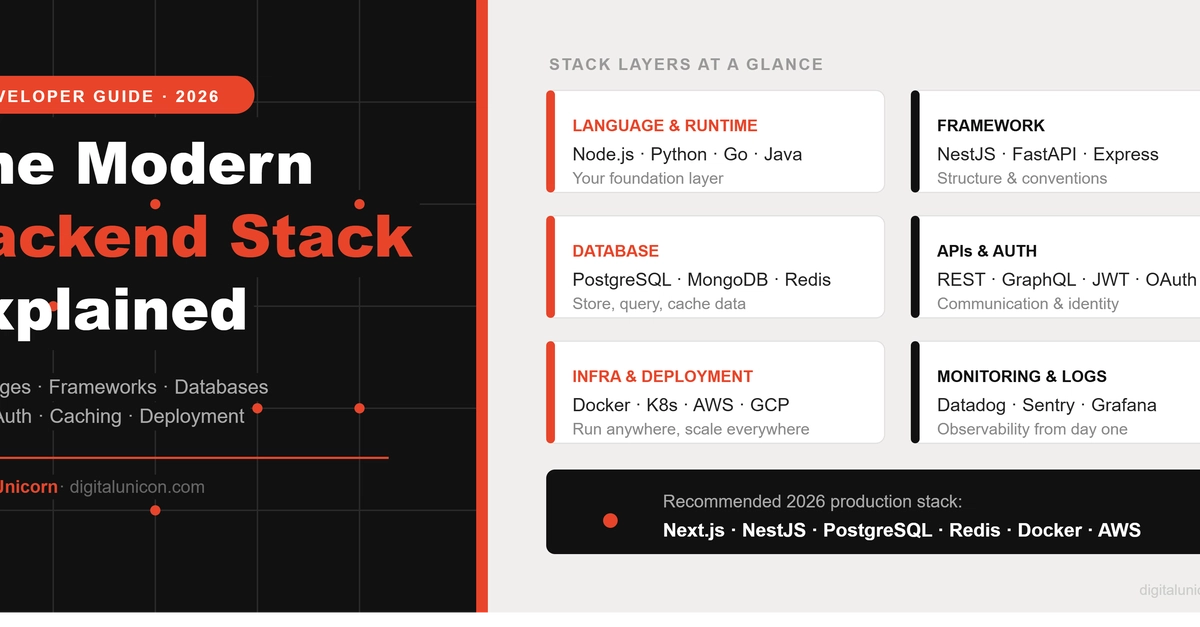
Frontend developers often assume their JavaScript/TypeScript expertise will seamlessly translate to backend work. While true for Node.js—a natural fit due to shared language—this transferability breaks down in stacks like Python or Go. The mechanism of risk here is overconfidence in transferable skills. For instance, API integration knowledge is valuable, but backend APIs require server-side logic, database management, and system design—skills not inherently developed in frontend roles. Rule: If transitioning to Node.js, leverage JavaScript/TypeScript; for Python/Go, expect a steeper learning curve in system-level programming.