Weight loss is known to reduce the need for joint replacement surgery in overweight or obese people with knee osteoarthritis (OA), and glucagon-like peptide-1 (GLP-1) receptor agonists are an established way to lose weight.This study of health records demonstrated that use of GLP-1 drugs was associated with reduced arthroplasty rates, with longer exposure leading to correspondingly lower rates.Reasons for initiating GLP-1 drug therapy were not known, however, and weight loss was not tracked over time, so the mechanisms underlying the observed associations remain unknown.
People with knee osteoarthritis (OA) who used GLP-1 receptor agonists were less likely to undergo knee replacement surgery, an analysis of a large records database indicated.
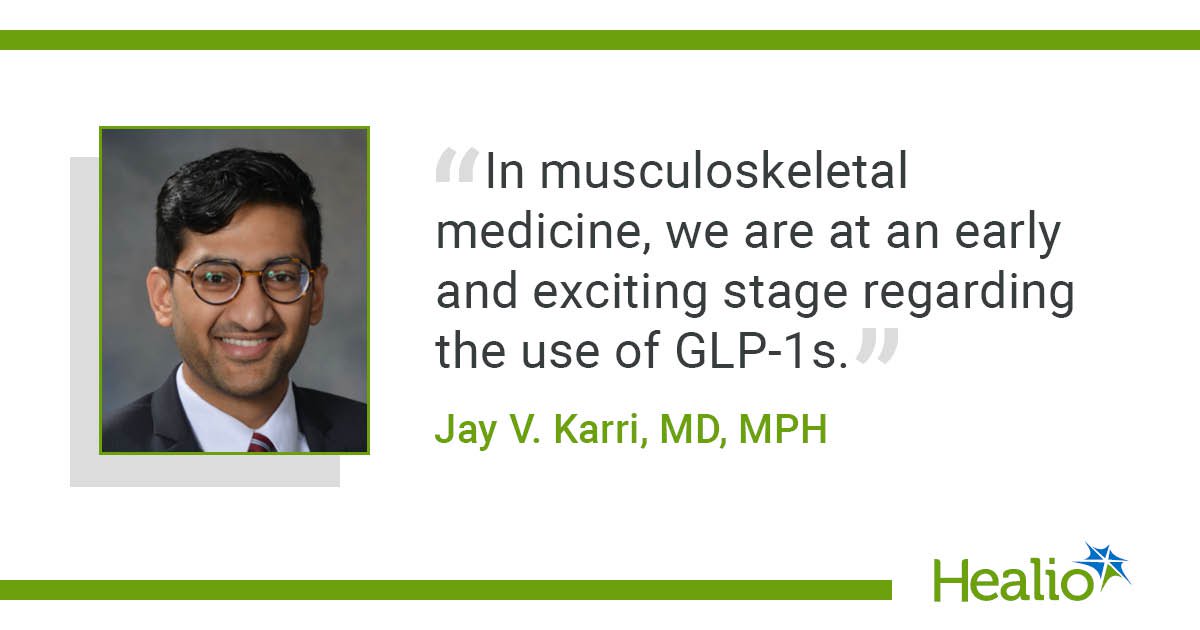
Compared with otherwise similar OA patients not taking GLP-1 drugs, the 8-year probability of undergoing knee arthroplasty was 2.8 percentage points lower among those who did use them for 1 year, according to Jay Karri, MD, MPH, of the University of Maryland School of Medicine in Baltimore, and colleagues.
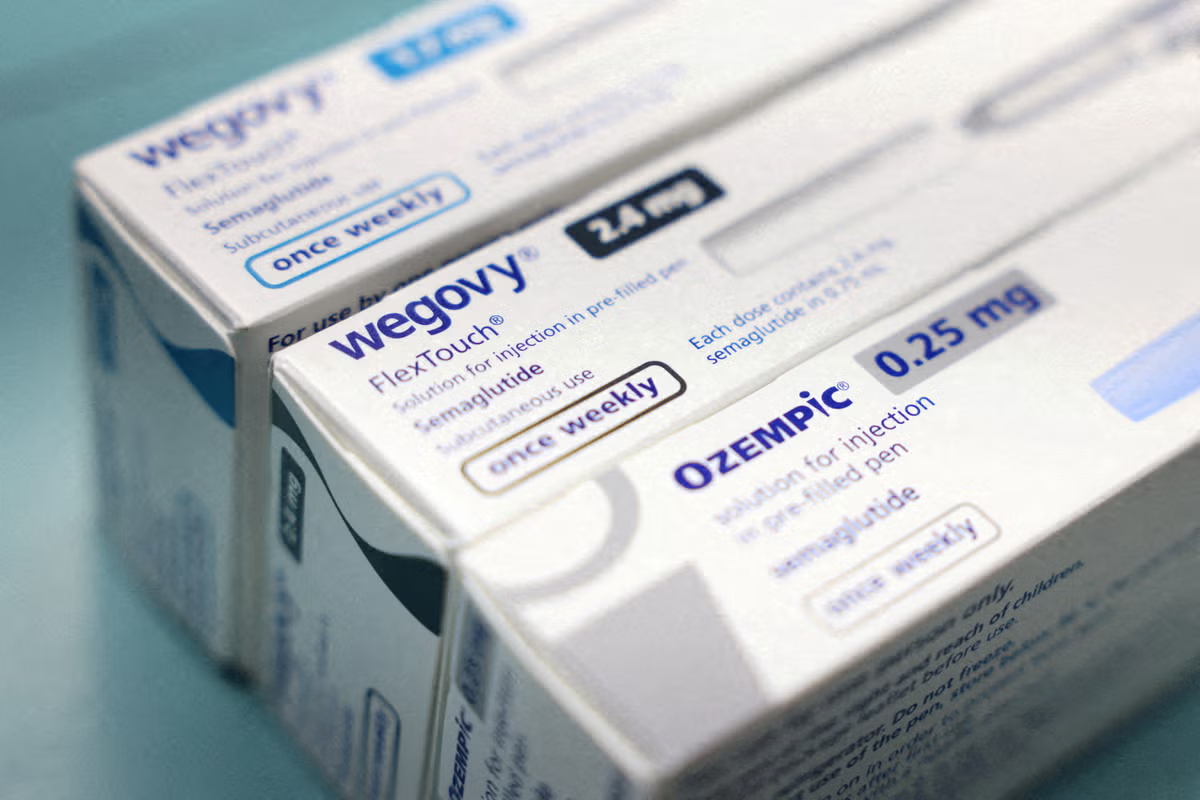
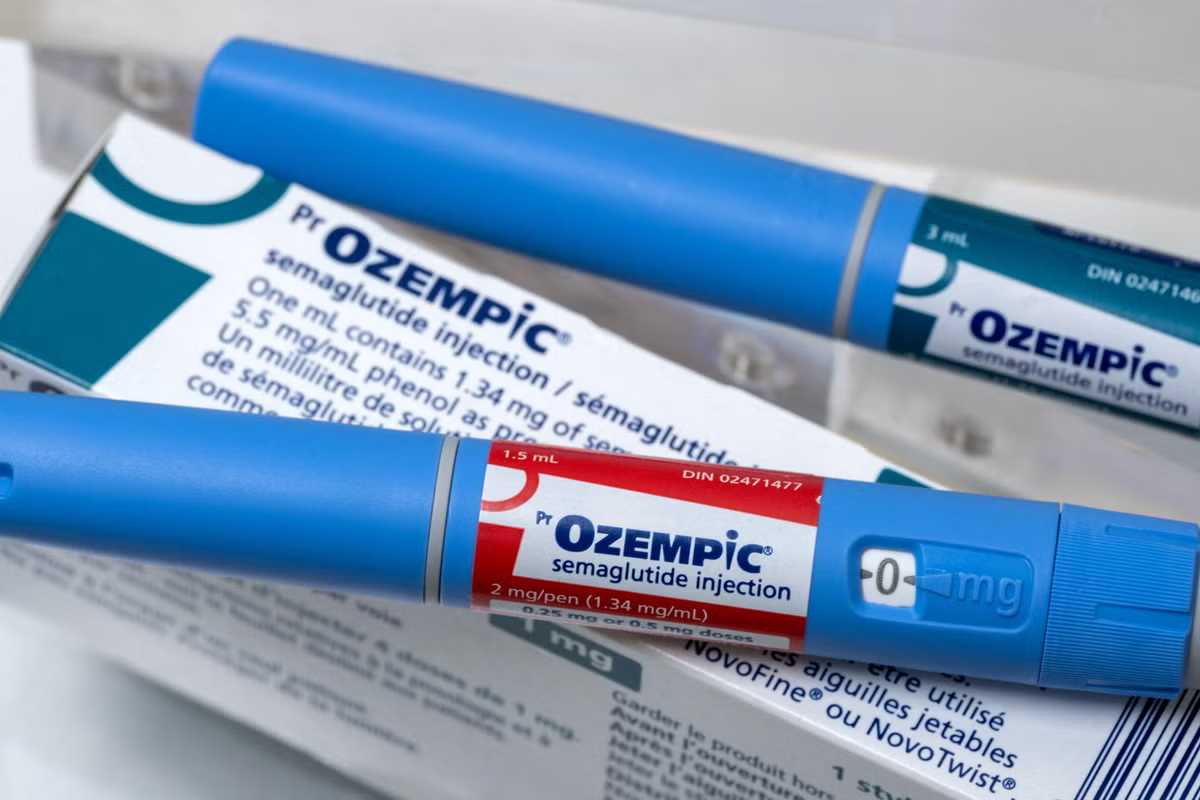
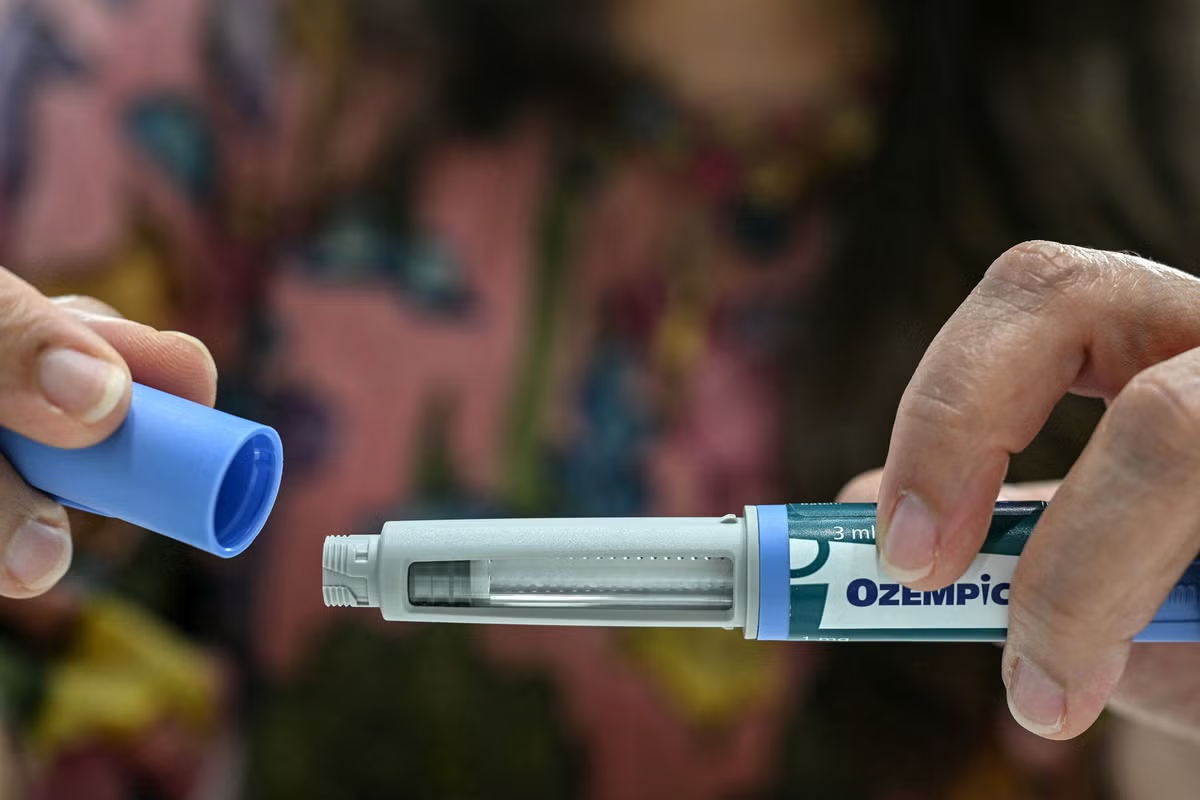
People taking newer GLP-1 drugs such as tirzepatide (Mounjaro, Zepbound) or semaglutide (Ozempic, Wegovy, Rybelsus) for 3 years had an even greater reduction in arthroplasty risk: 4.7 percentage points by year 8, the group reported in Regional Anesthesia and Pain Medicine.