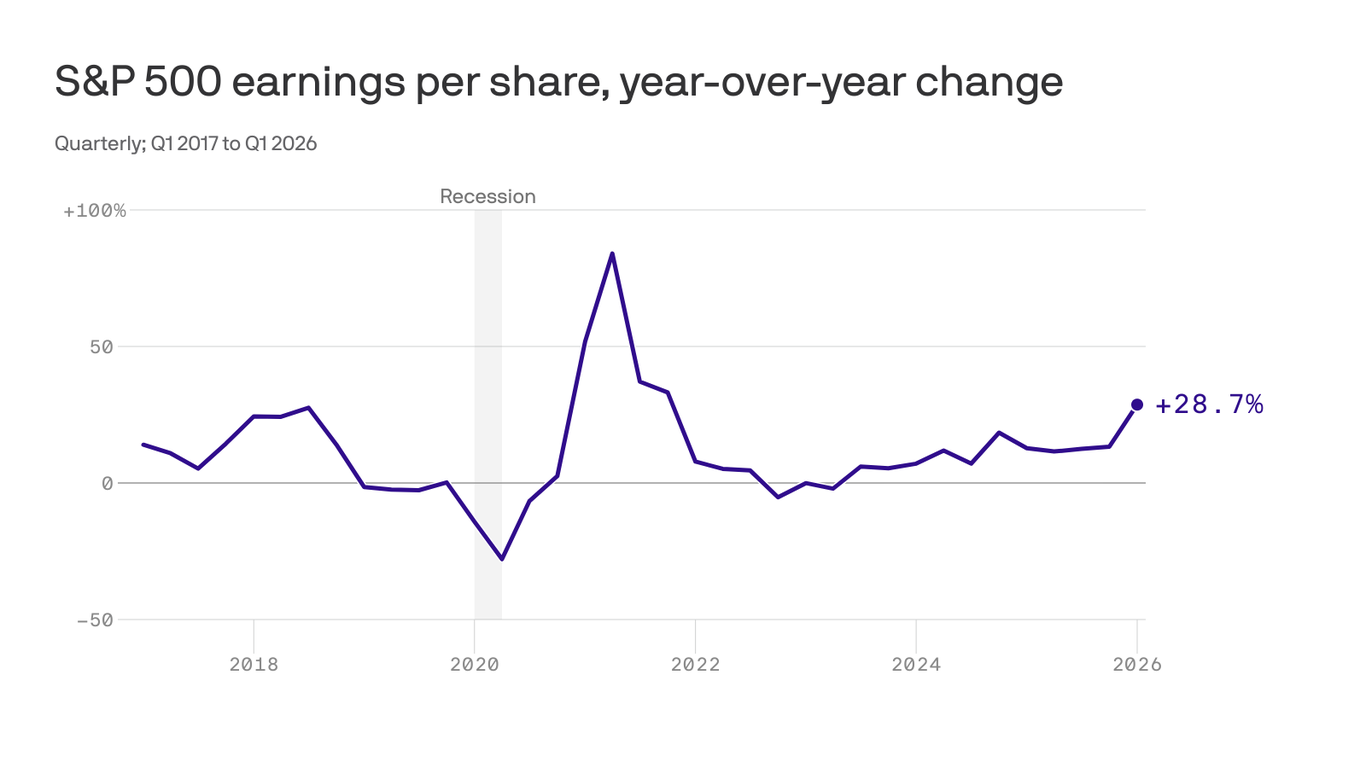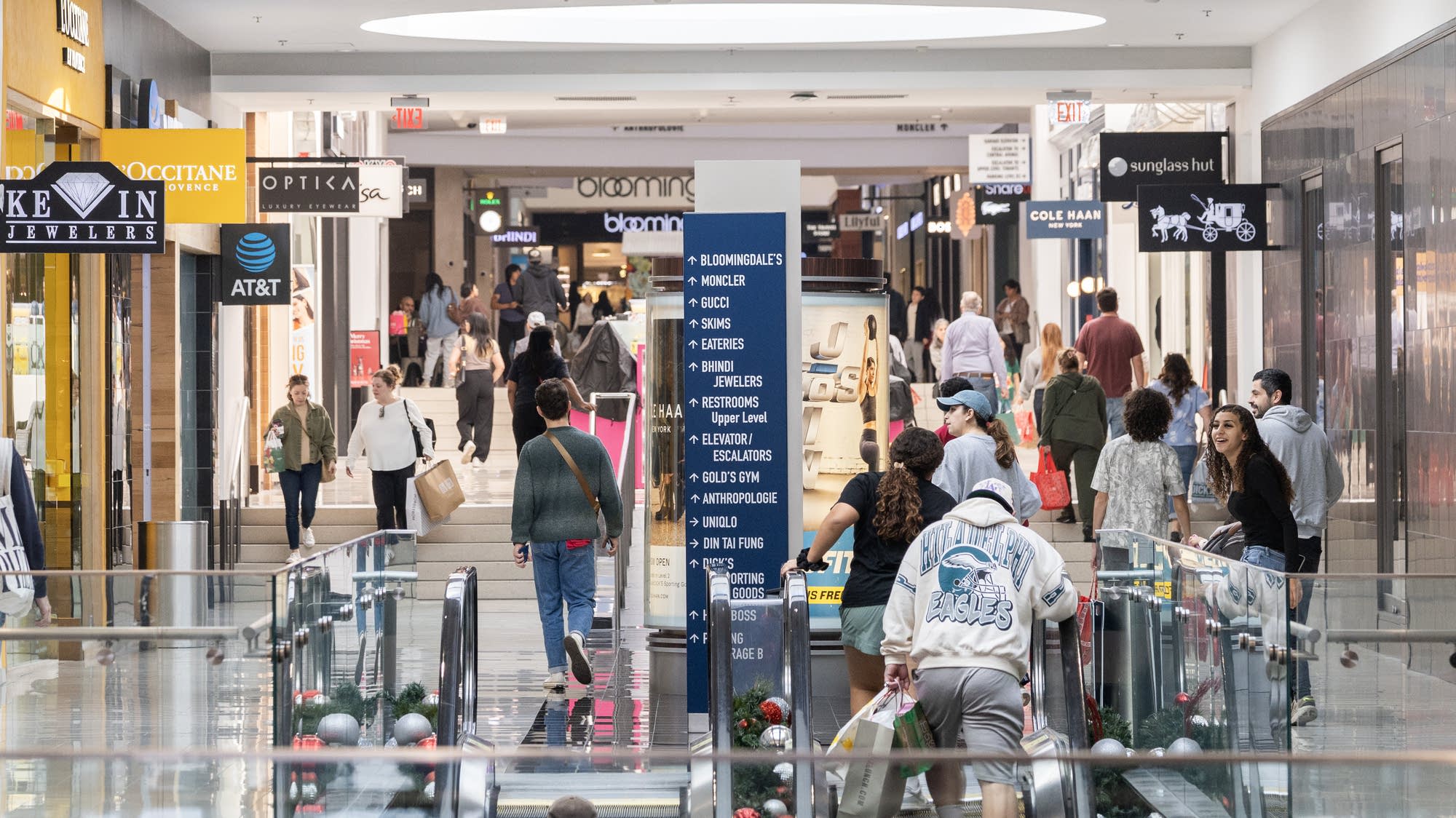
The first quarter earnings season just ended, and it was a strong one. The year over year earnings growth rate for the S&P 500 was 28.6%, according to the financial data company FactSet. But remember — the stock market is not the economy. So what do these first quarter earnings say about consumers?A single company’s earnings call isn’t going to reflect what’s going on with consumers. But listen to a lot of them, and you can learn something about how Americans are shopping. “Consumers have many levers when it comes to adjusting their purchases, said Ravi Dhar, director of the Yale Center for Customer Insights. He said people are looking at their choices and making tradeoffs.“For example, they can change the quantity. You know, I go out to eat, but I eat less of it. They can also change the quality. I decide not to go to Shake Shack, I go to McDonald’s,” he said.Shake Shack has cut its earnings forecast for the year and McDonald’s has surpassed expectations. That’s a trend across the economy — consumers are focused on finding value. But it doesn’t necessarily mean they’re spending less, said Chris Carril, lead restaurants analyst at KeyBanc Capital Markets.“It does make it harder to determine whether or not the macro is actually weighing on restaurant purchases,” he said.Consumers are making similar shifts when it comes to retail. David Swartz, a consumer equity analyst at Morningstar, said people are abandoning super-luxury brands for Coach bags. Instead of the department store, they’re going to TJ Maxx. And they’re trying to not give into temptation.“People will tend to visit stores less often and buy more when they’re there,” he said.Again, a change in spending habits but not necessarily a change in spending. Swartz said Americans are on edge — between high gas prices, low consumer sentiment, and a war.“Nothing is stable at the moment. But the bottom line is that consumer spending is better than what you might expect. And better than what a lot of these companies expected,” he said.So why are consumers acting cautious but still spending? It’s like people are waiting for the other shoe to drop. Ravi Dhar at Yale says that “other” shoe is income. Be it a stock market crash, a housing market crash, or, most consequential, a job market crash.“It’s really do I have a job? Am I making enough money today? Which allows me to spend on the different things that I’d like to spend on,” he said. Consumers are likely to keep spending pretty steadily, Dhar said, until they can’t.
What can companies' first quarter earnings reports tell us about consumer spending?
When you look at how individual companies are faring, it's clear that consumers are choosing value over luxury right now.
427 words~2 min read