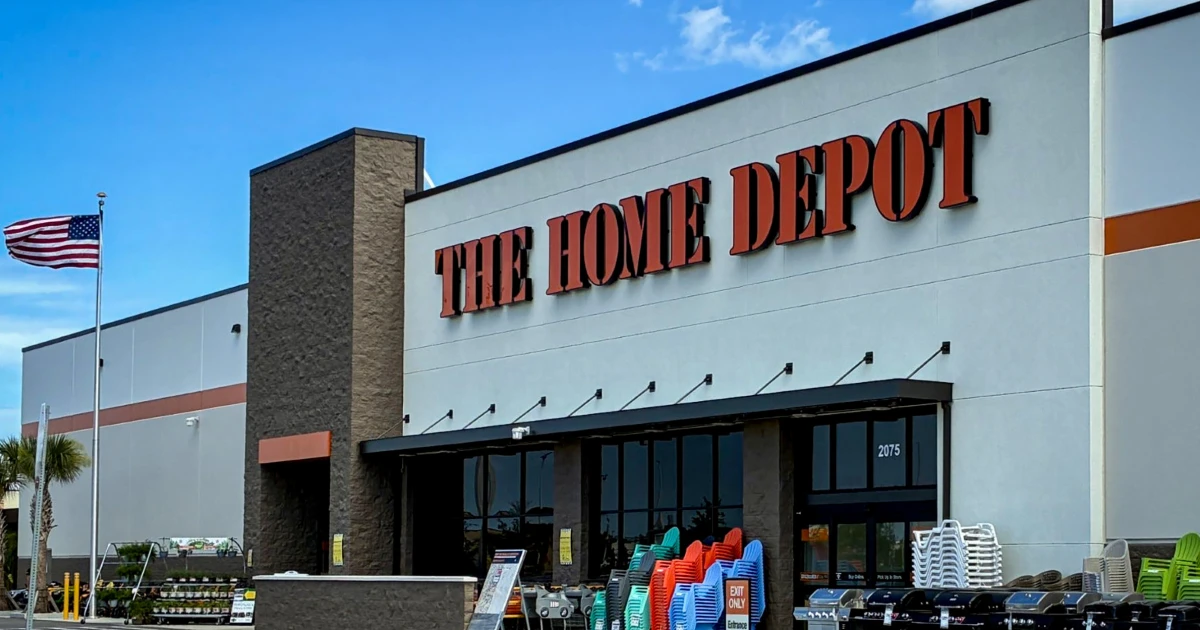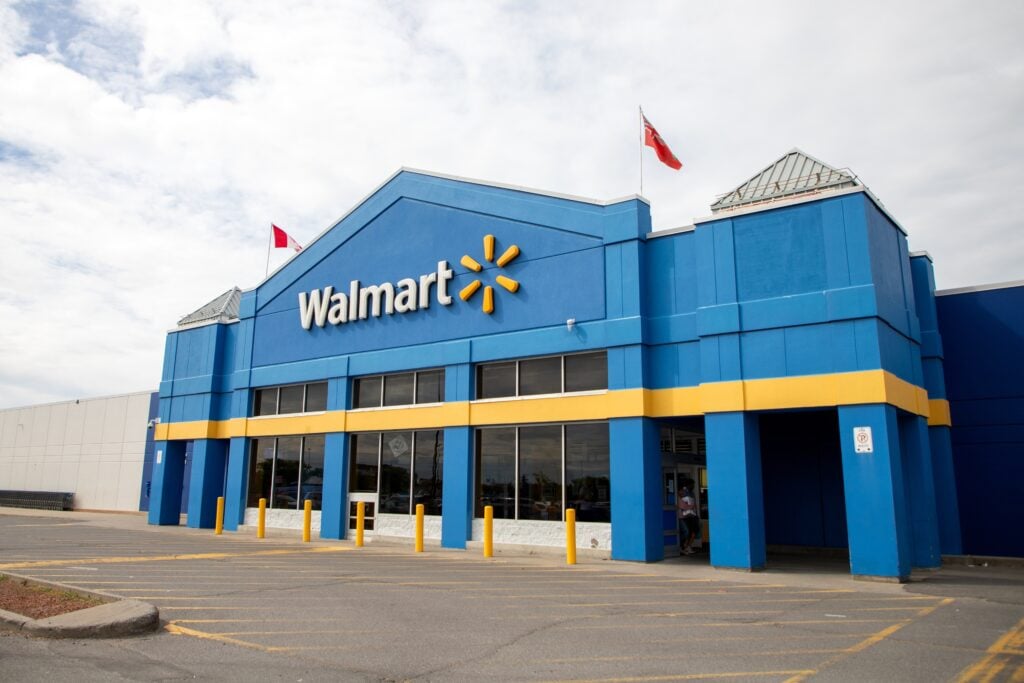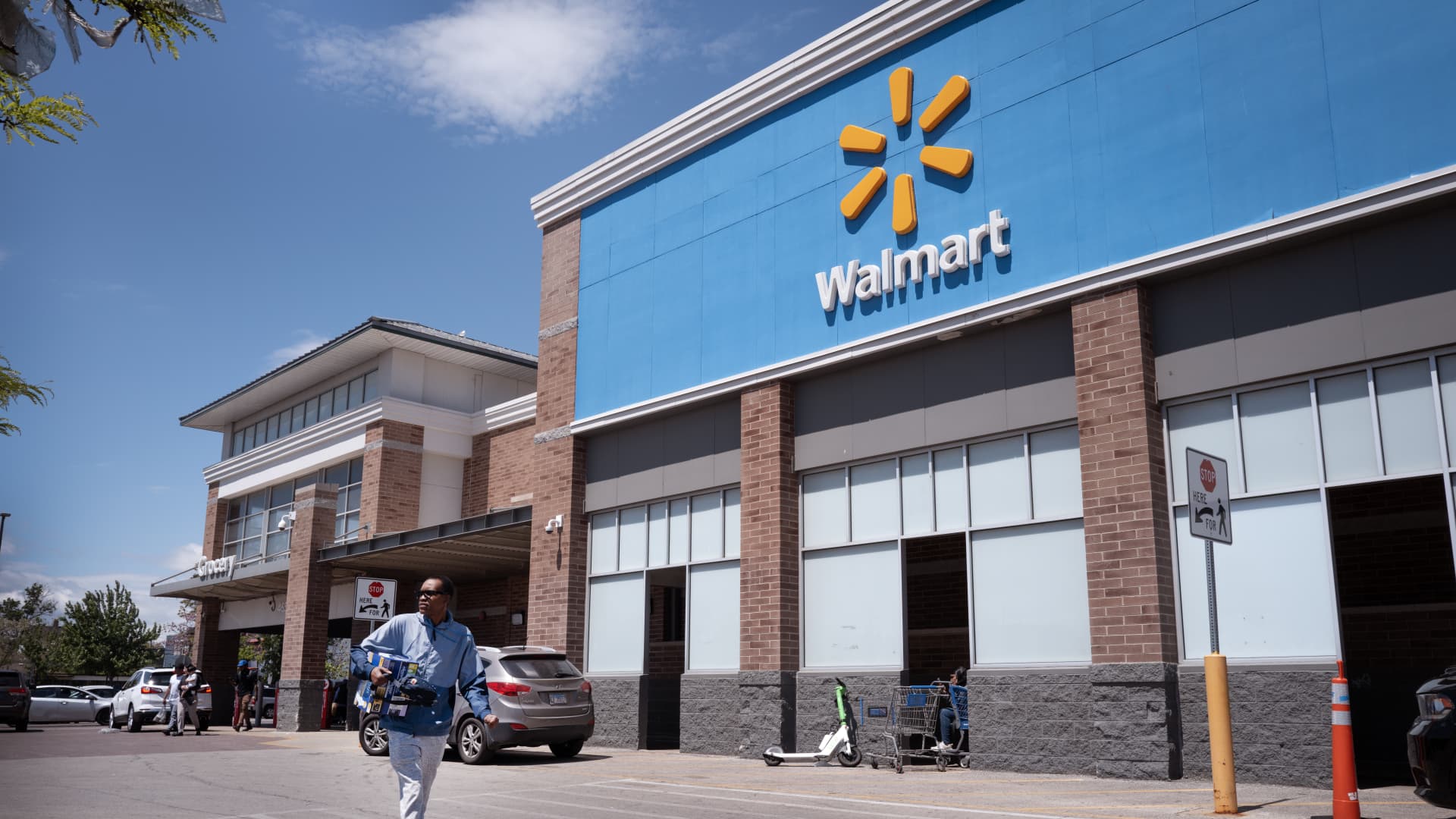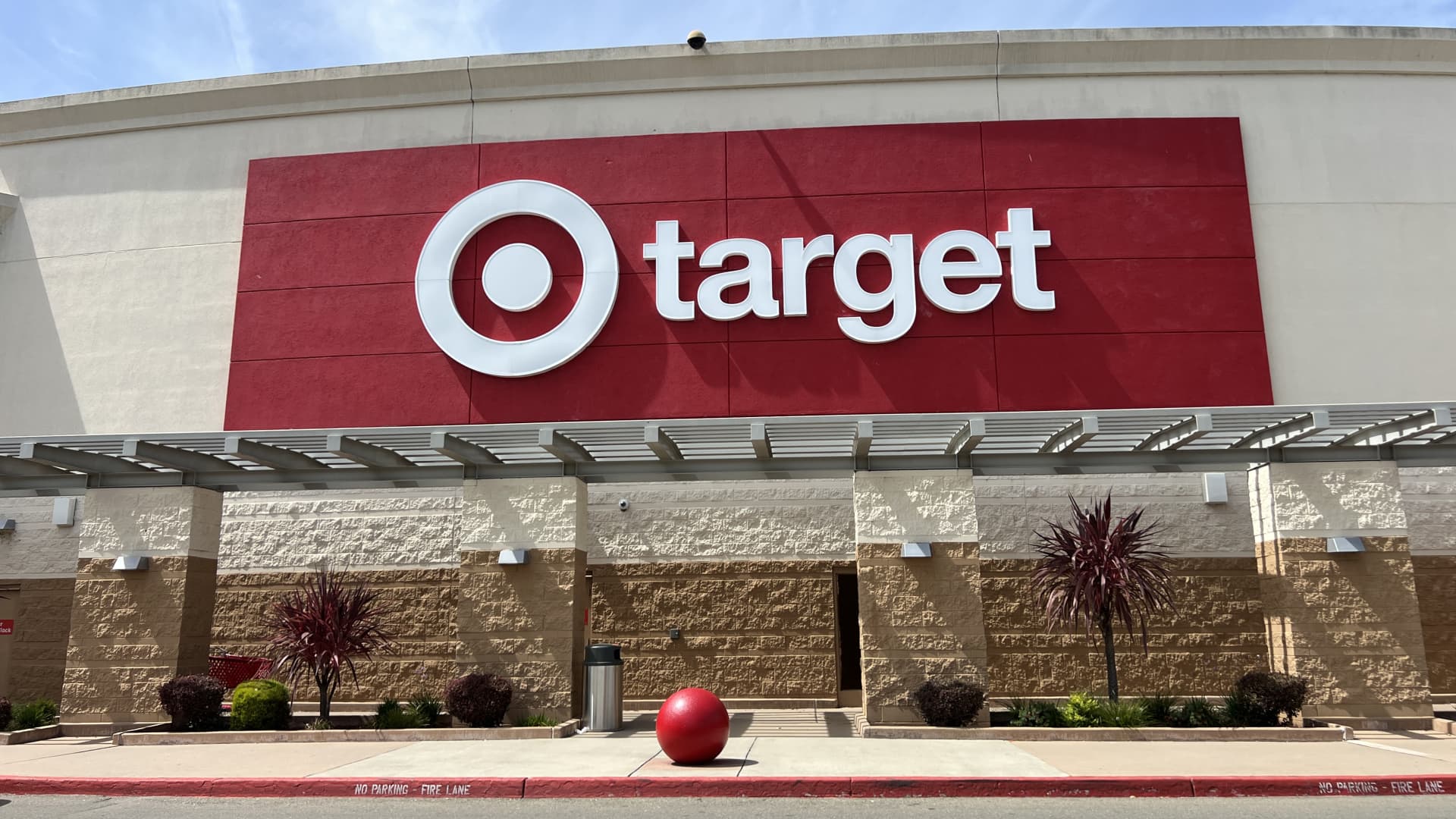
In the coming days, Walmart, Target, TJ Maxx, Home Depot, Lowe’s and others will tell shareholders and the public how they did in the first quarter of the year.The big week for retail earnings comes at a time when the markets have been doing quite well and investors have generally been happy, but consumers are showing signs of strain.There’s a phrase economists, analysts, and companies have used to describe consumers month after month, and at this point, year after year: “Resilient but still choiceful.”“And I think that those words are still going to be used to describe the consumer,” said Mari Shor, a retail analyst at Columbia Threadneedle Investments.She said big picture, consumers are still spending. But look closer and it’s mostly just wealthier Americans keeping retail sales strong.“So when we look at the high level economic data a lot of that is reflecting strength at the high end and not necessarily across the income spectrum,” Shor said.It’s why even a stellar earnings season doesn’t necessarily equal a strong consumer economy.“When we say, ‘They’re still spending,’ it’s a pretty macro view that I think gets blended across a lot of things and just suppresses some noise,” said Sonia Lapinsky, a managing director of the retail practice at Alix Partners.The noise is where the real information is right now. What will companies say about the spending categories people are pulling back on? What types of stores are consumers shopping at?“If consumers are really stretched they’re going to buy the necessities and they’re going to go where they think they can get the best deal,” Lapinsky said.But these first quarter earnings might not give us the full economic picture. It covers some time before the war started and it includes tax season. Returns this year were, on average, up 10%. It’s why Mark Zandi, chief economist at Moody’s Analytics, will pay attention to what retailers say about future pricing.“What kind of pricing power retailers have. Can they pass through? Are they passing through?” he said.As in, do companies think consumers can handle paying more? Zandi said ongoing inflation, higher borrowing rates, and gas prices could mean lower-income consumers might not have much more room to keep spending.“I mean they’re hanging tough, they’re hanging in there. Those tax cuts really bought them some time. But they’re running out of time,” he said.If the economy keeps on the path it’s on, Zandi said we could see a shift from consumers in the coming months or even weeks.
What retailers' quarterly earnings can tell us about consumer moods
What companies say about future pricing can tell us how much consumers can really afford.
413 words~2 min read