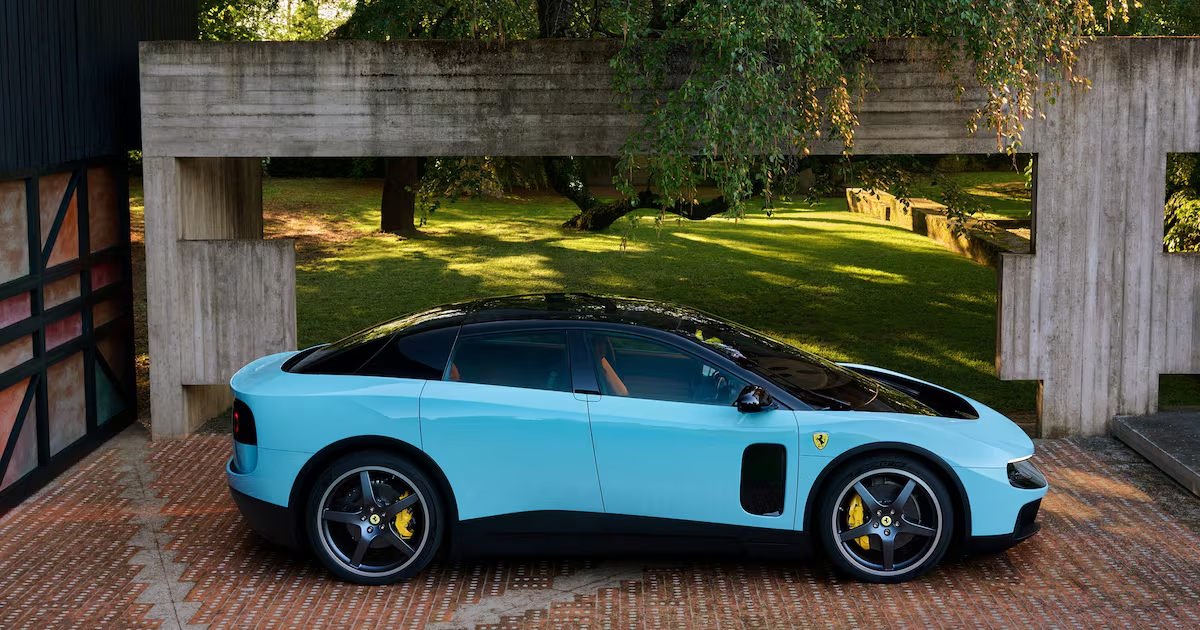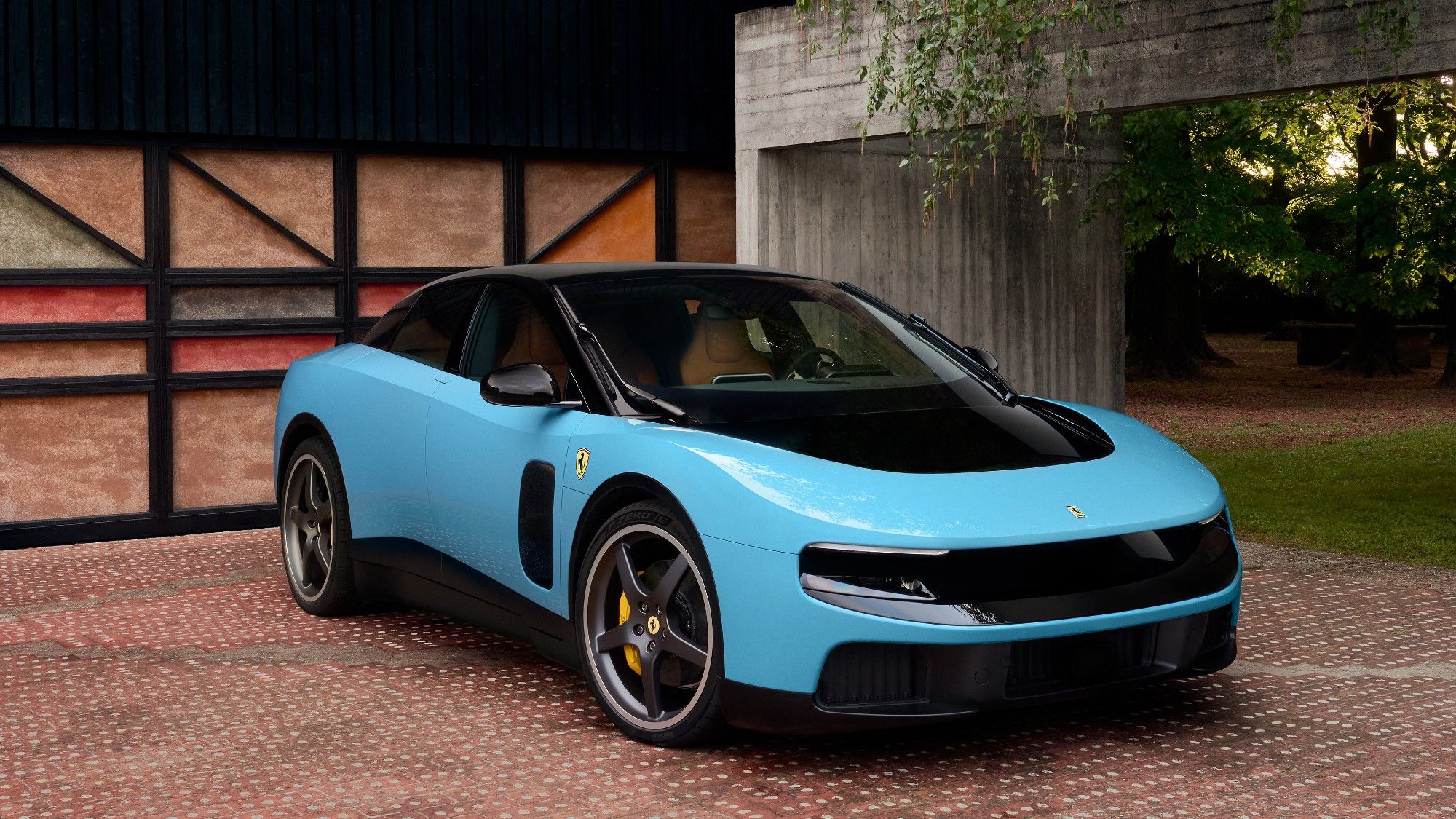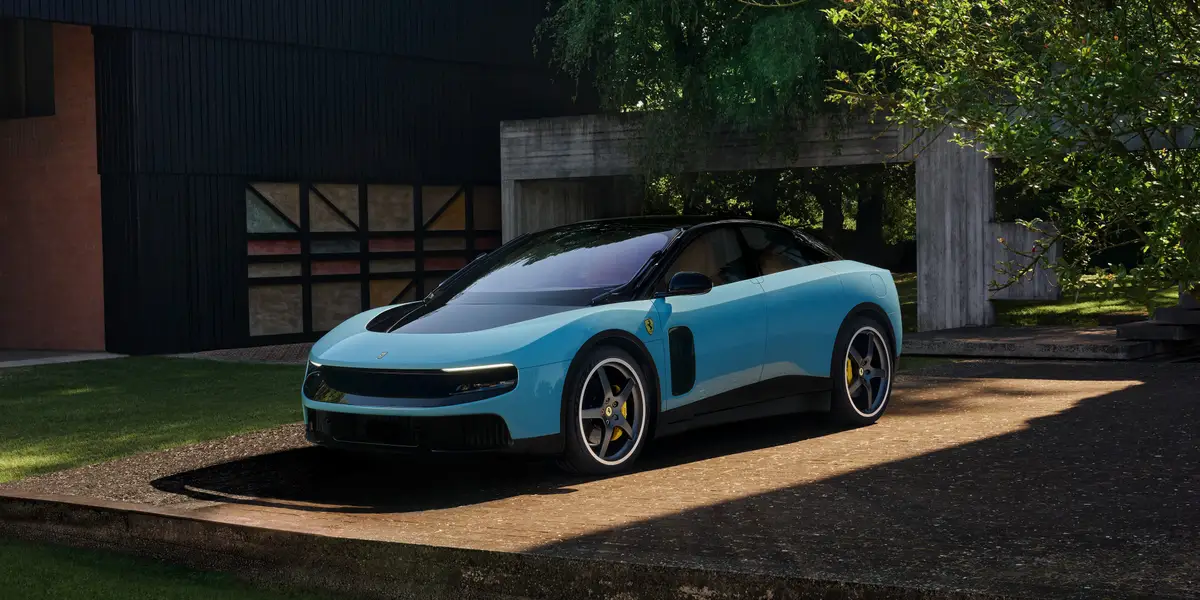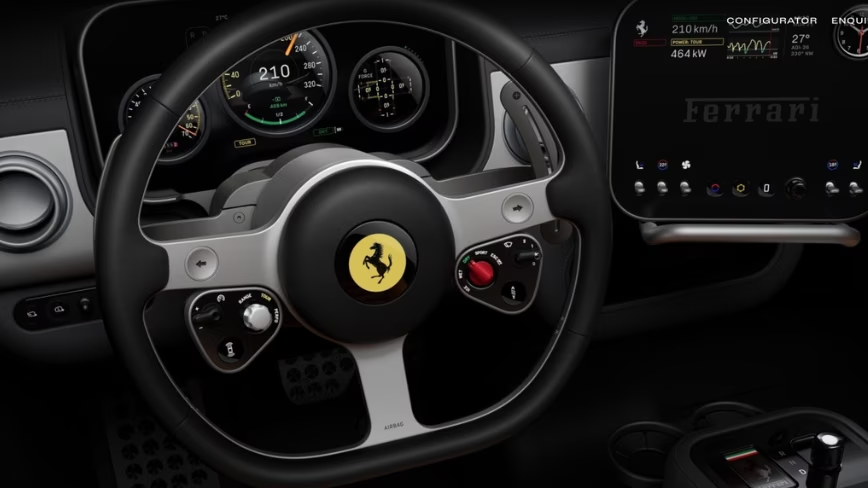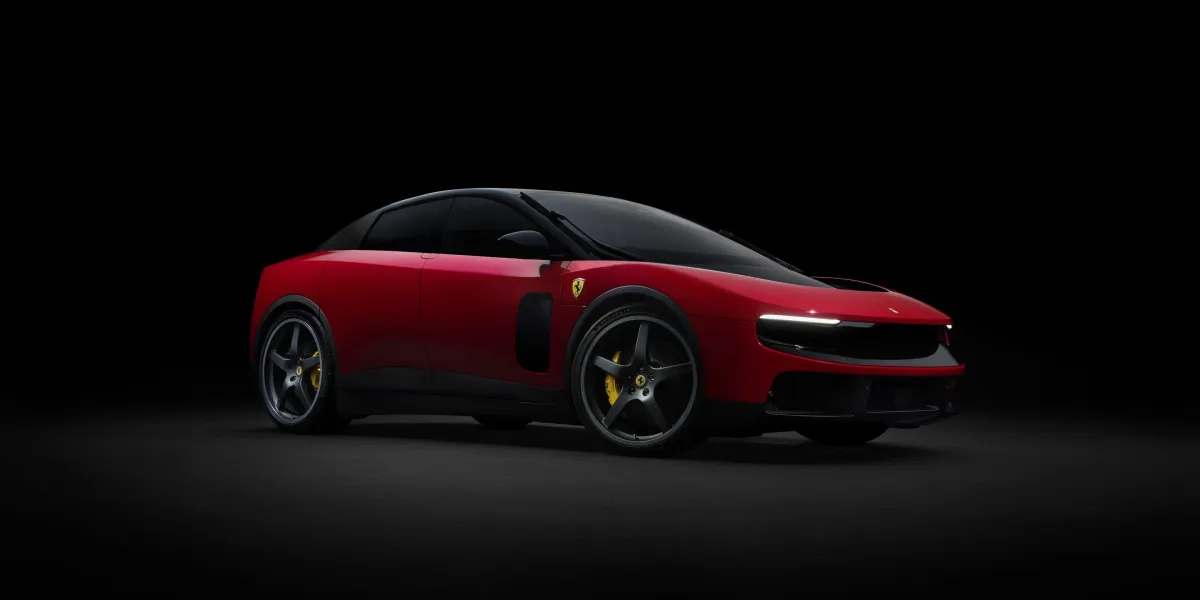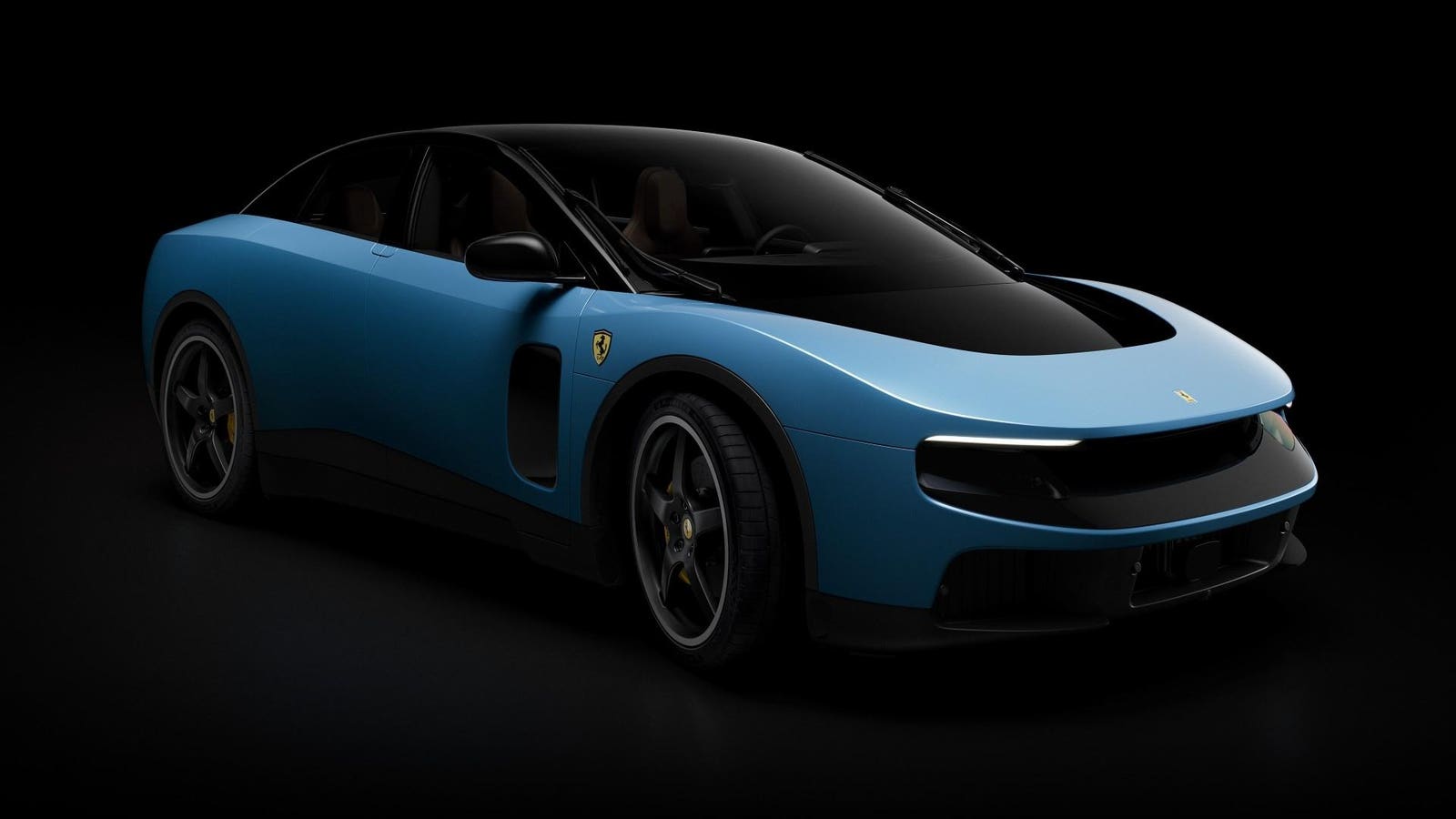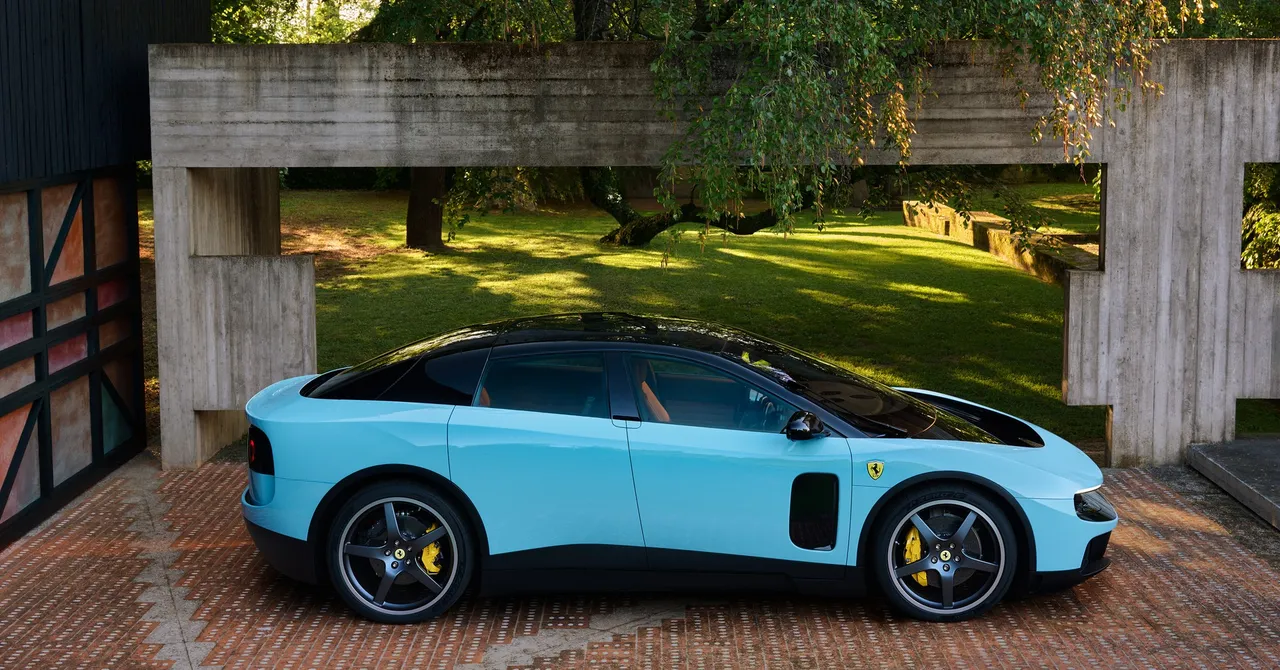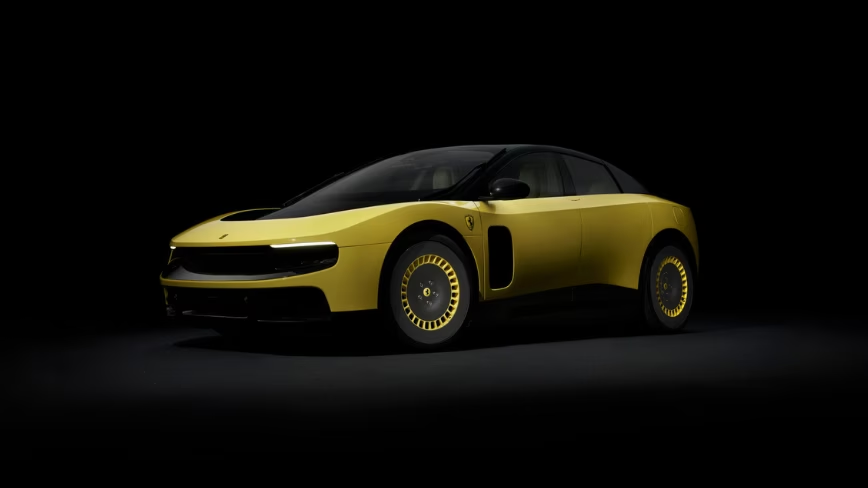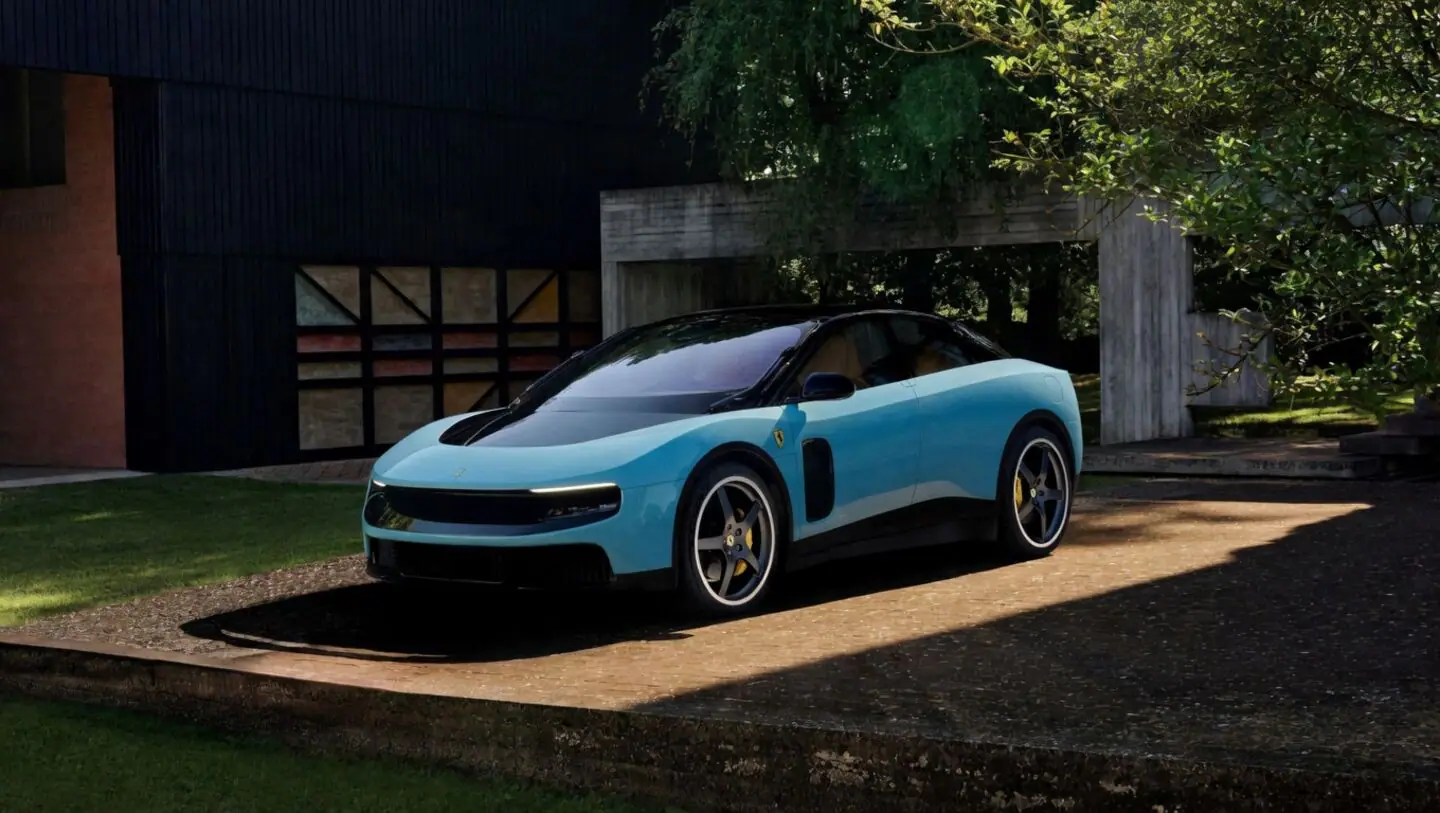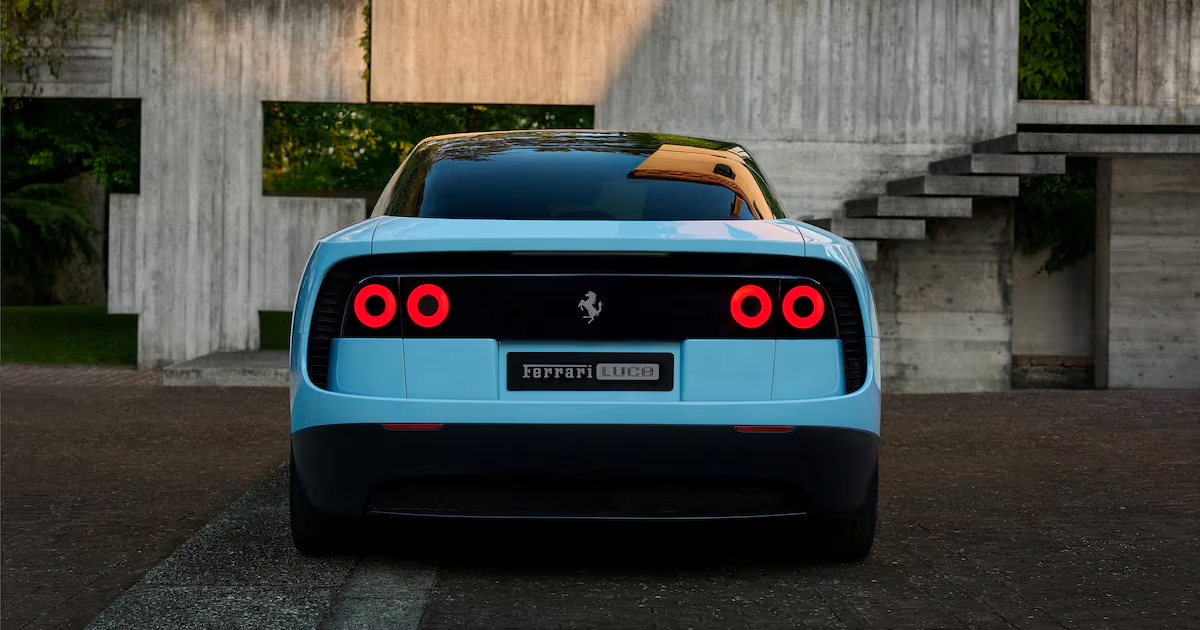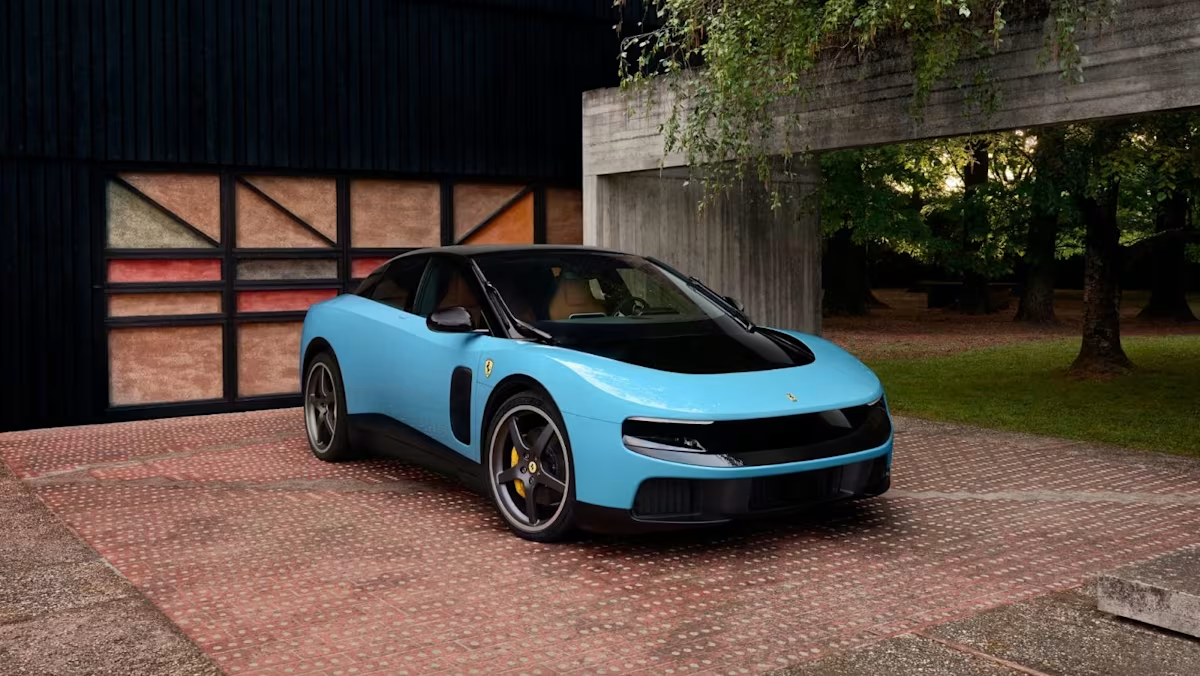
Investors’ response to Ferrari’s long-awaited all-electric Luce was damning: the company’s shares fell 8.4 per cent on Tuesday (May 26), and have been edging back only slowly. The four-door five-seater, designed by Sir Jony Ive of Apple fame, elicited derision from the internet community: one meme suggested it might be powered by the spinning of company founder Enzo Ferrari in his grave.Pundits may be right or wrong about the commercial appeal of the Luce — a snip at €550,000 (US$640,464; S$818,598). But investors’ reaction was miles off track. Ferrari’s valuation, which has come back to earth with a bump over the past year, stacks up even if the Luce turns out to be a dead end, and even if the sports-car maker never figures out a workable electric vehicle strategy. Its new venture is therefore an option with limited downside.The Luce will probably not be pulling up at a kerb near you any time soon. Analysts expect sales of fewer than 800 a year, at most 6 per cent of the roughly 14,000 cars Ferrari usually sells. Loyal Ferrari customers may help contribute to this trickle, in part because it would keep them in the queue for its limited edition supercars.In any case, Ferrari can make however many Luces the market demands. Its state of the art e-building has lots of spare capacity which can be turned to any model. And as demand across its range of cars always exceeds supply, Ferrari can rev up sales of other cars should its EV sputter. Ferrari’s projected earnings per share growth of 5.5 per cent a year to 2030 looks safe either way.Most importantly, the stakes are low for Ferrari’s core business. The company is small enough that EU requirements for carmakers to increase their output of EVs and hybrids don’t apply. Ferrari can sell internal combustion sports cars for as long as customers want them and, given the global drift away from pursuing net zero carbon emissions since the Luce project launched in 2022, that could be a very long time.All of that underpins Ferrari’s valuation: on a multiple more than 24 times forecast 2030 earnings, its share price is much richer than other high-end carmakers but in line with luxury group Hermes. It arguably has the luxury edge over the French fashion house: while Hermes makes less than half its income from unobtainables like its Birkin handbag, Ferrari gets more than 80 per cent of its income from cars and parts.Besides, for all the strong opinions it provokes, the Luce may actually be successful, broadening the exclusive marque’s customer base to a new cohort of Palo Alto super-rich. Ferrari’s new design is not to everyone’s taste, but the carmaker has little to lose by taking it for a spin.This article was originally published in The Financial Times.© 2026 The Financial Times
Ferrari’s first electric car spooked investors, but the Luce may be less risky than it looks
The all-electric Ferrari Luce has drawn memes, doubts and a sharp share price fall, but the luxury carmaker may have more room to experiment than the market suggests.
474 words~2 min read