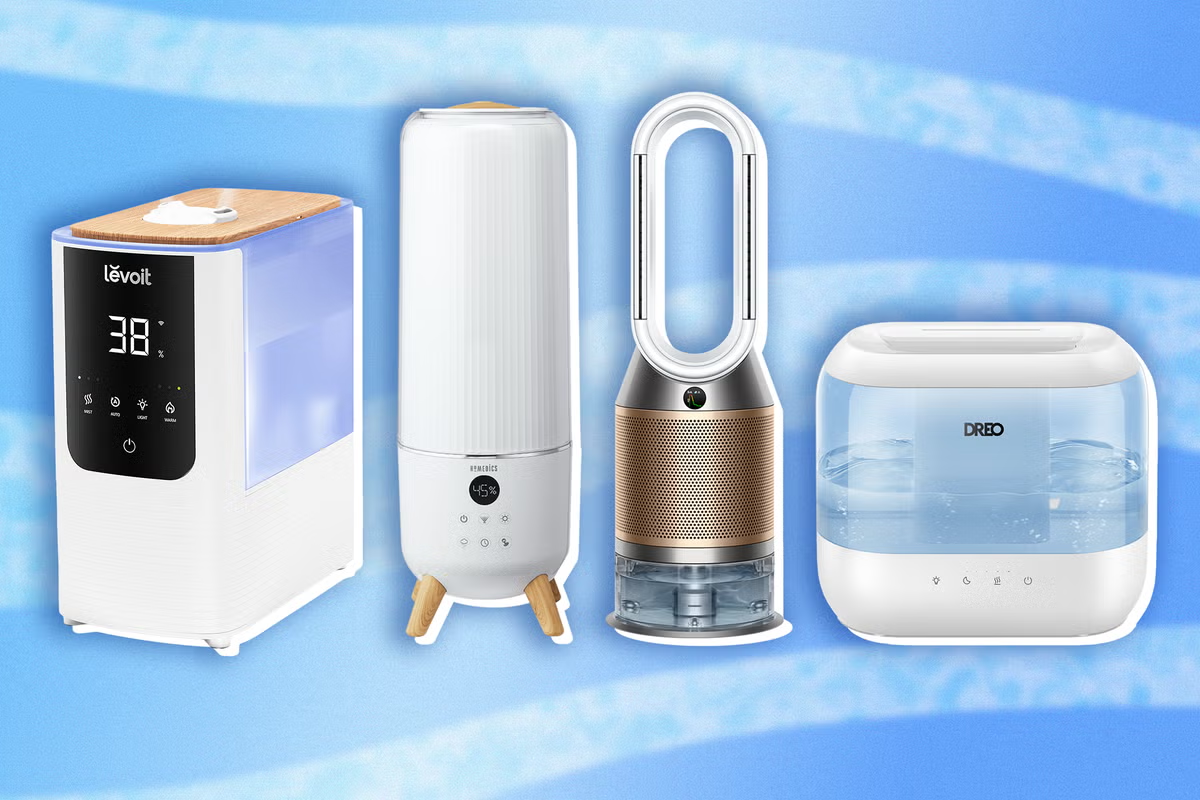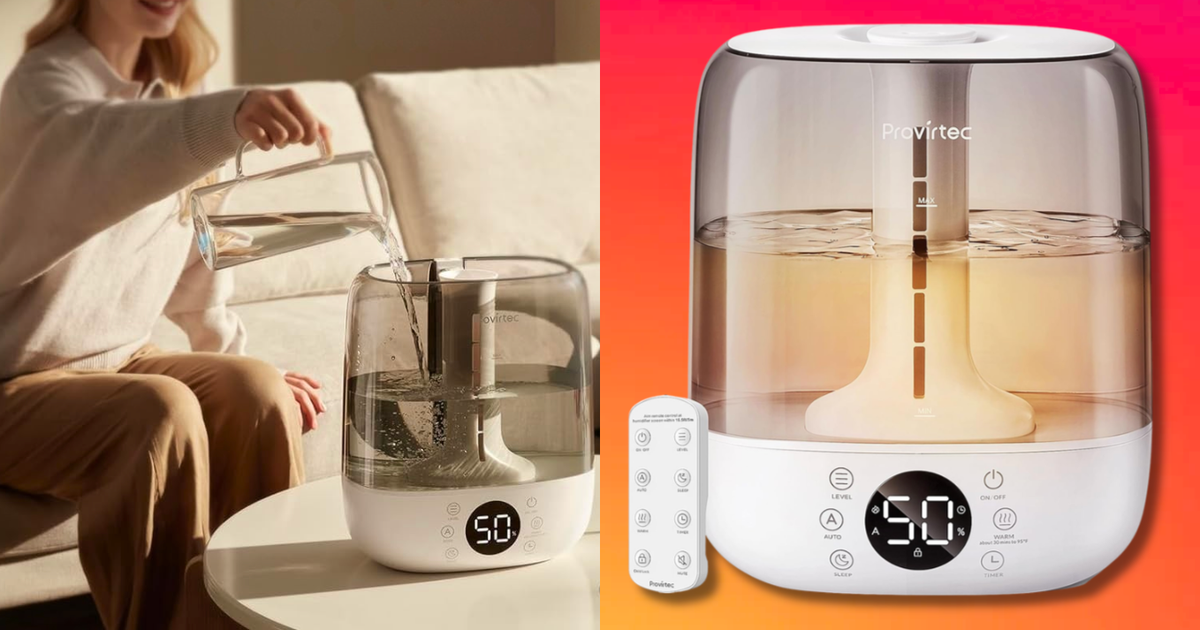
Capacity
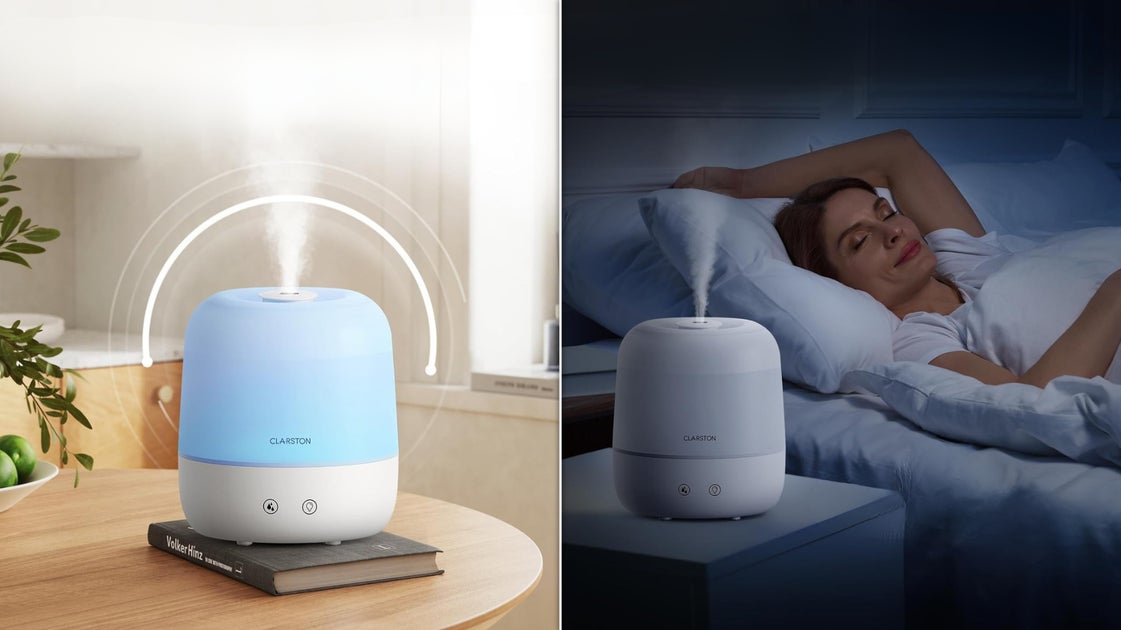
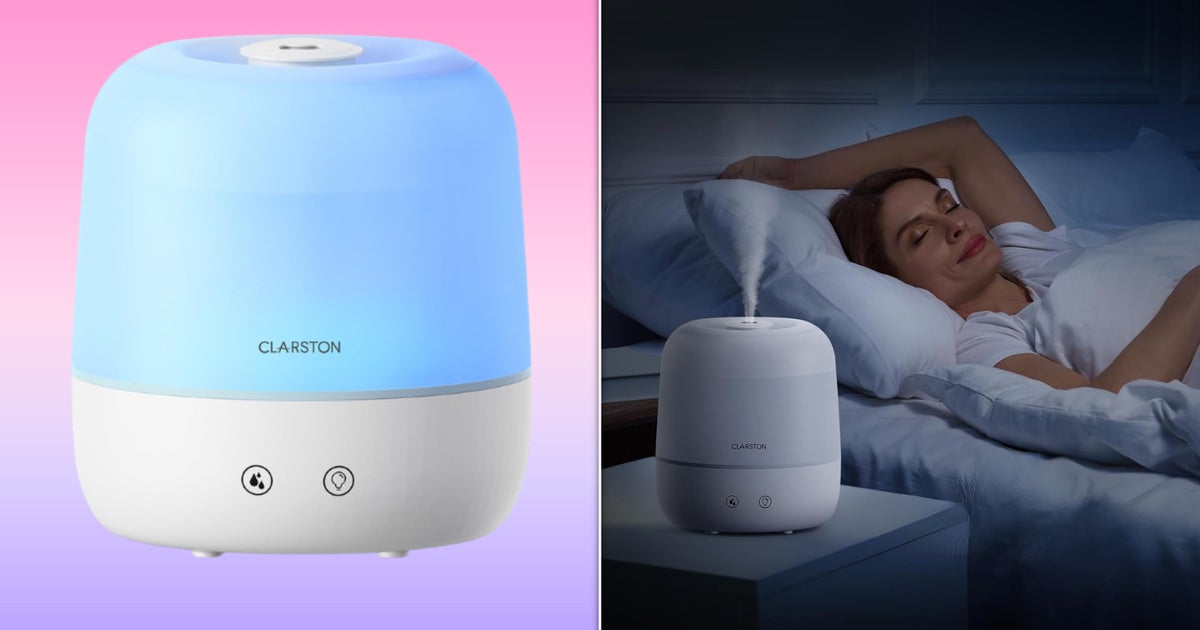
You want something that’s going to last all day between refills — or at least all night. To that end, we’re looking for a capacity of at least three-liters or, better yet, over one gallon. Smaller options can be fine for specific applications — like bedside aromatherapy. But most people are better off going bigger, because that typically also means the hole for accessing and filling the reservoir will be big enough to stick your hand inside in order to get at every nook and crevice that mold or mildew could possibly take root in. You might be able to get away with a smaller-capacity model in a compact bedroom for use only at night, but the minor difference in footprint size is not typically worth the tradeoff of potentially running out of water in the middle of the night.
Type
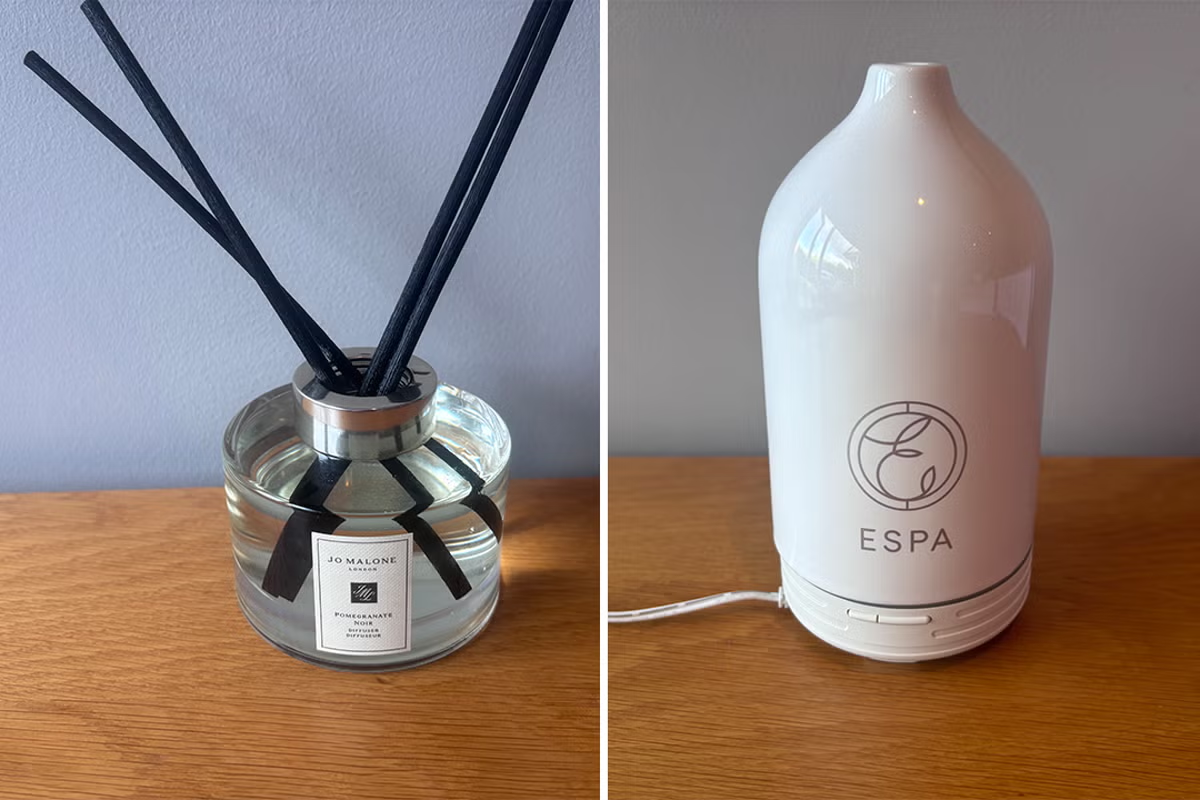
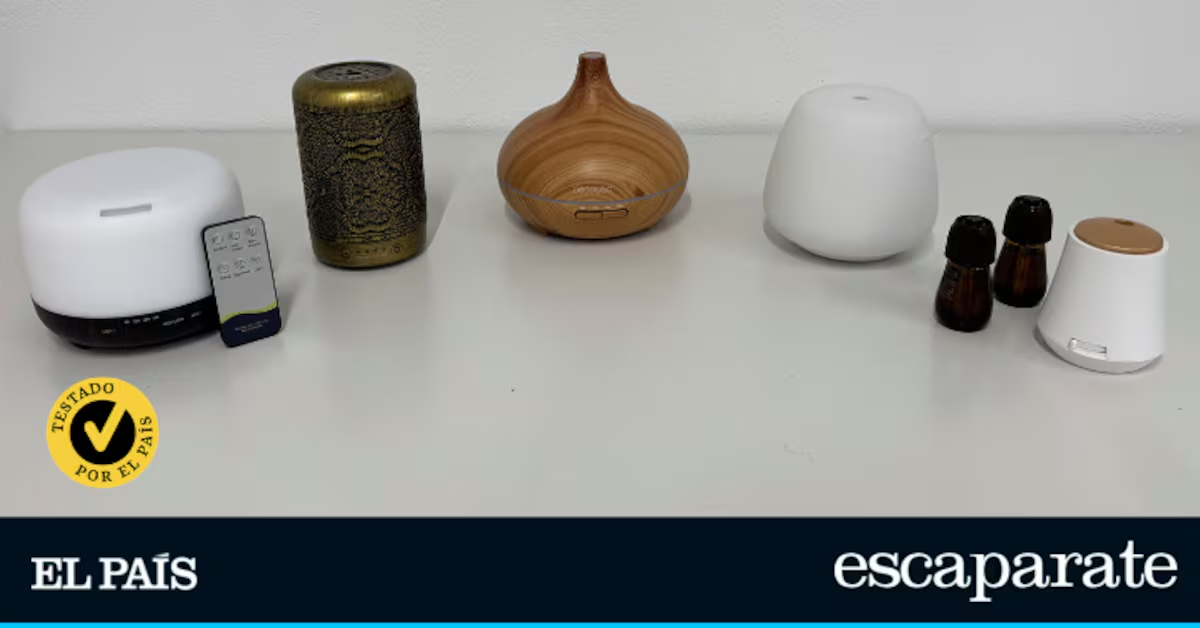
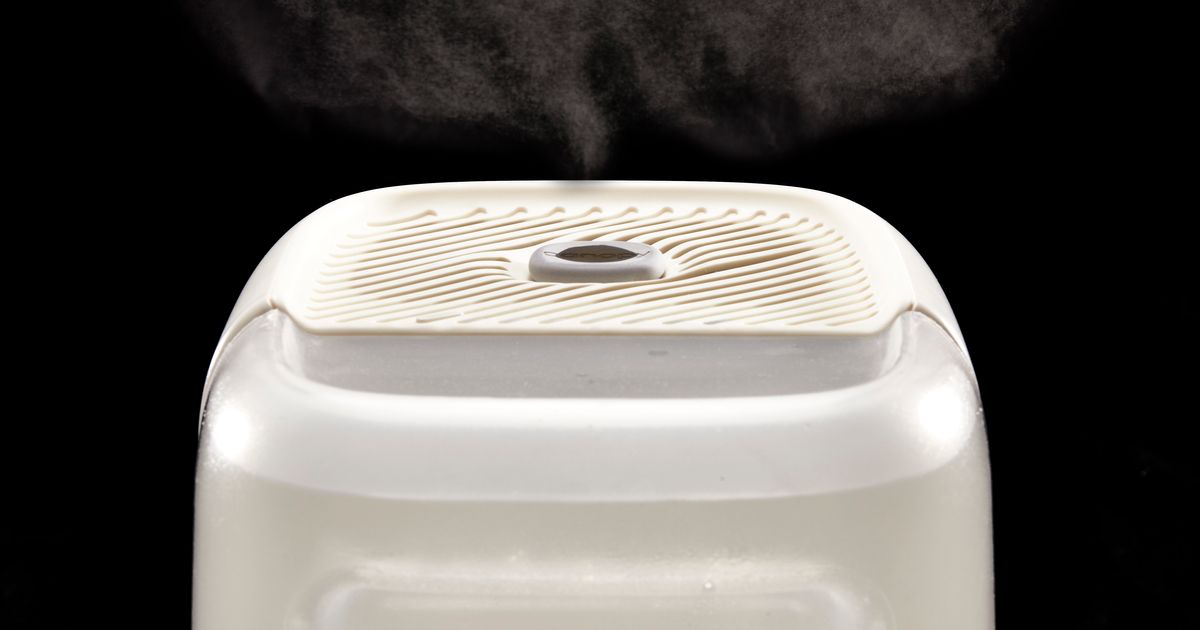
There are good arguments to be made for evaporative and warm-mist humidifiers, but for most people, ultrasonic is the way to go. These humidifiers operate in near silence by vibrating a small pool of water until it vaporizes and is able to be dispersed out of a spout and off into your home’s atmosphere. The biggest downside to this approach is that anything that’s in the water will also go into the air, including naturally occurring minerals from your tap water and any residual dirt, grime, or funkiness that makes its way into — or grows inside — the unit. That’s why it’s so important to clean it regularly. “Not daily, but every other day,” according to Dr. Levin, adding that “weekly is the max.” As for the minerals, particularly mineral-heavy tap water can cause white dust to settle onto surfaces near the unit’s spout. You can get around it by using bottled water or reverse-osmosis-filtered water. Some units also come with optional cartridges that can mitigate this effect.