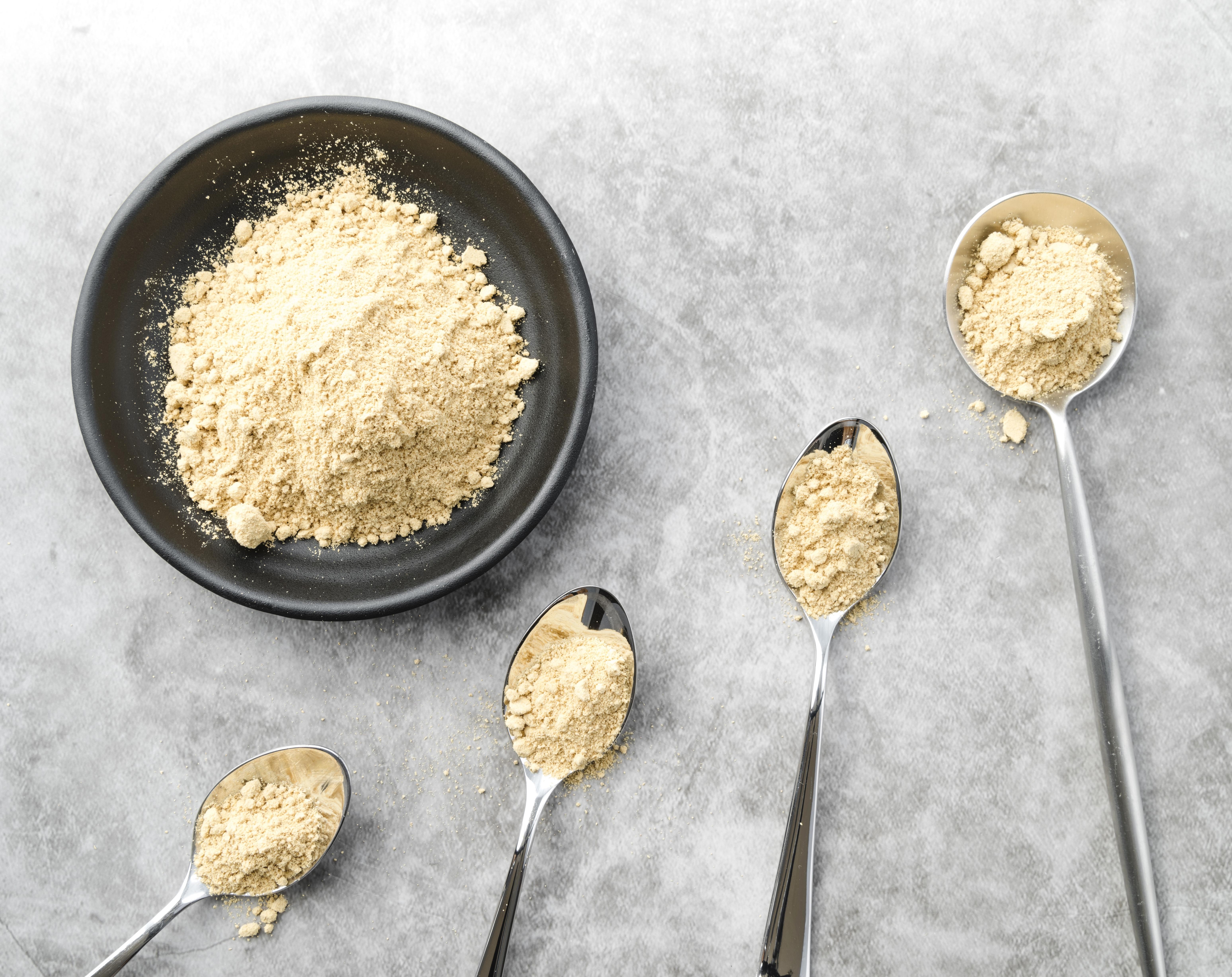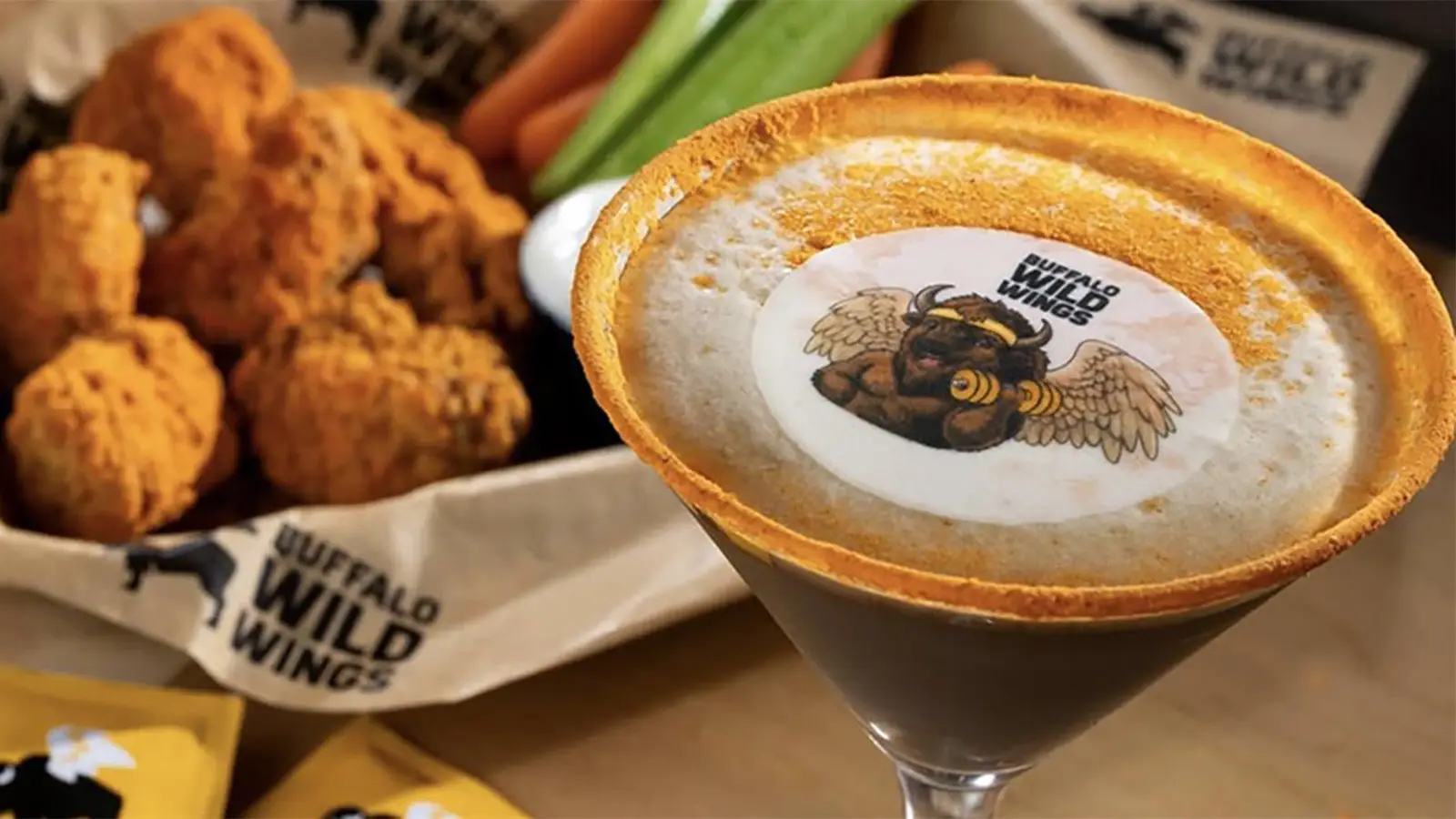
Buffalo Wild Wings now offers an unusual new drink: "Espresso Proteini." Marketed for National Espresso Martini Day, the $12 drink includes 10 grams of Muscle Milk protein powder with a signature Buffalo dry rub rim.
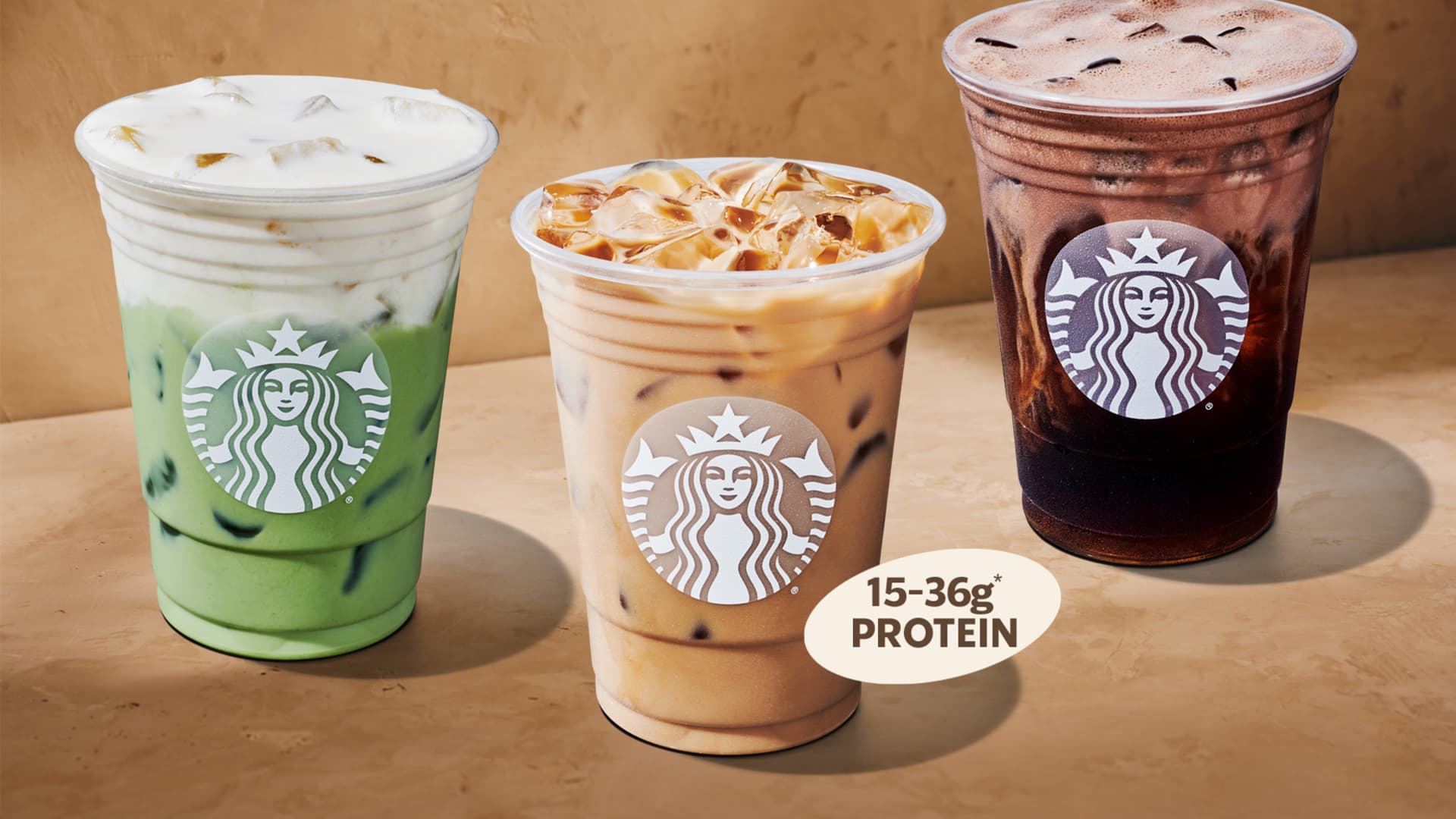
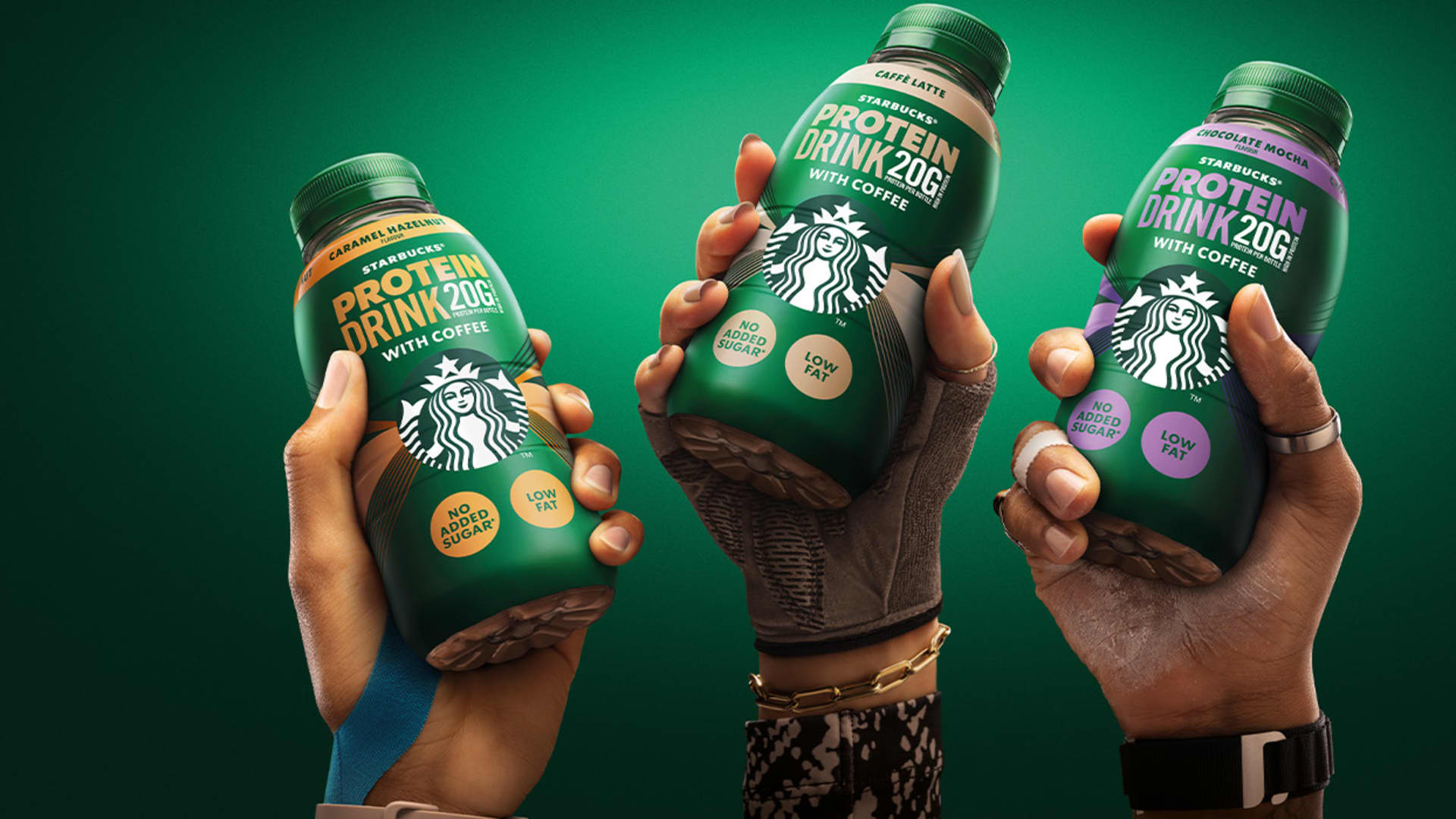
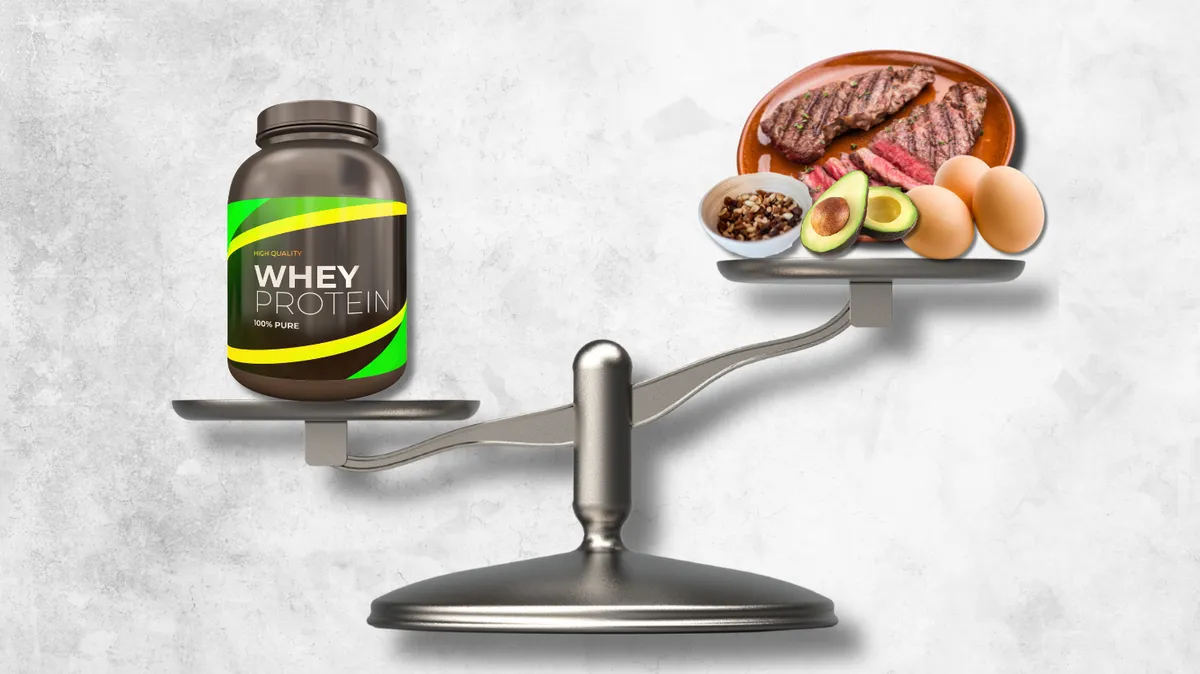
While the drink may seem extreme, it is not an outlier. Starbucks now features protein cold foam and Dunkin' touts its protein milk. Mars candy has reformulated some candy bars to boast 20 grams of protein. Cottage cheese and protein powder have surged in popularity. Protein has, in essence, become a marketing centerpiece.
As protein takes center stage in American diets, we risk overlooking a more pressing public health problem: widespread deficiencies in essential nutrients that protein alone cannot fix.
The rise of "proteinization," as some critics have termed it, is multifactorial. Social media and fitness influencers promote high-protein diets as shorthand for health while championing "healthier physiques." Post-pandemic, more Americans are prioritizing wellness, often equating it with muscle gain, fat loss, and body positivity. The growing use of GLP-1 medications has accelerated the focus on body composition as weight loss has become more accessible, affordable, and quicker. For the food industry, protein is easy to quantify, market, and sell.