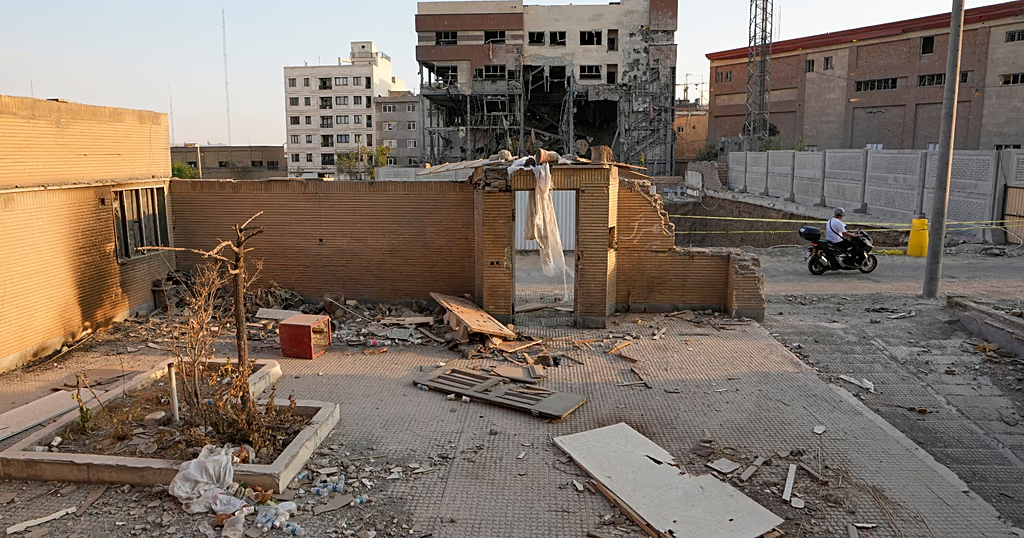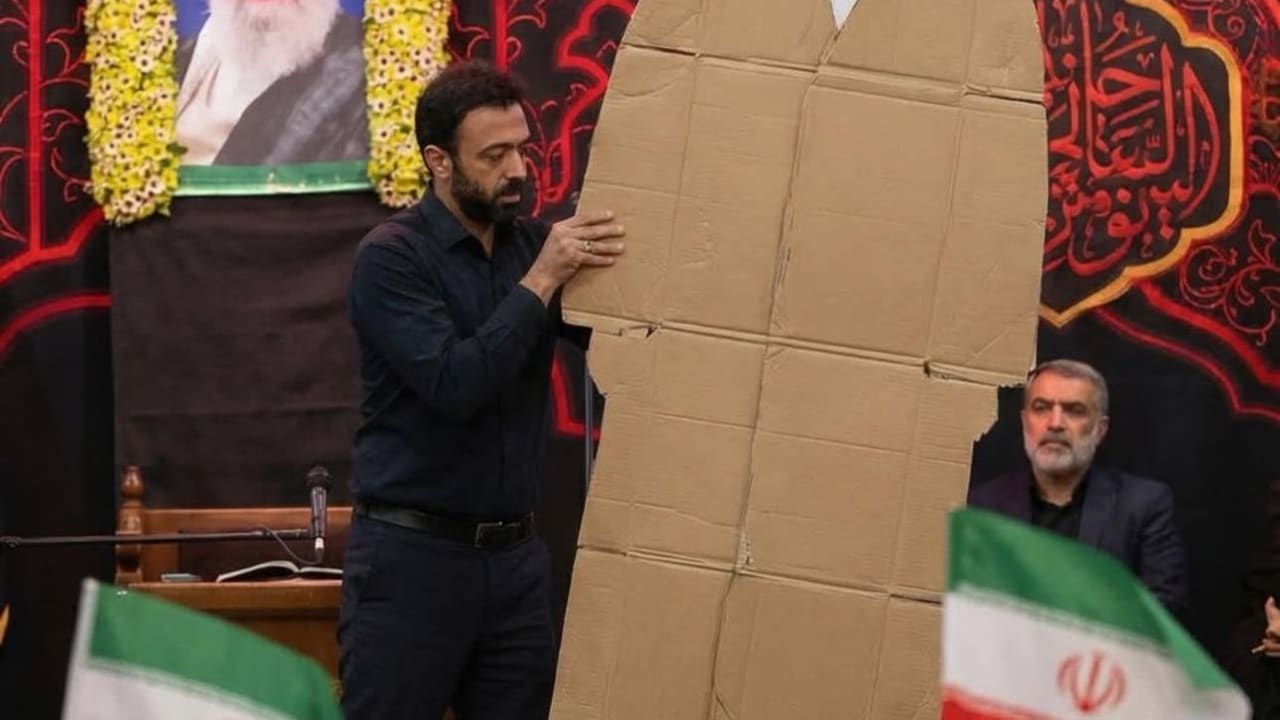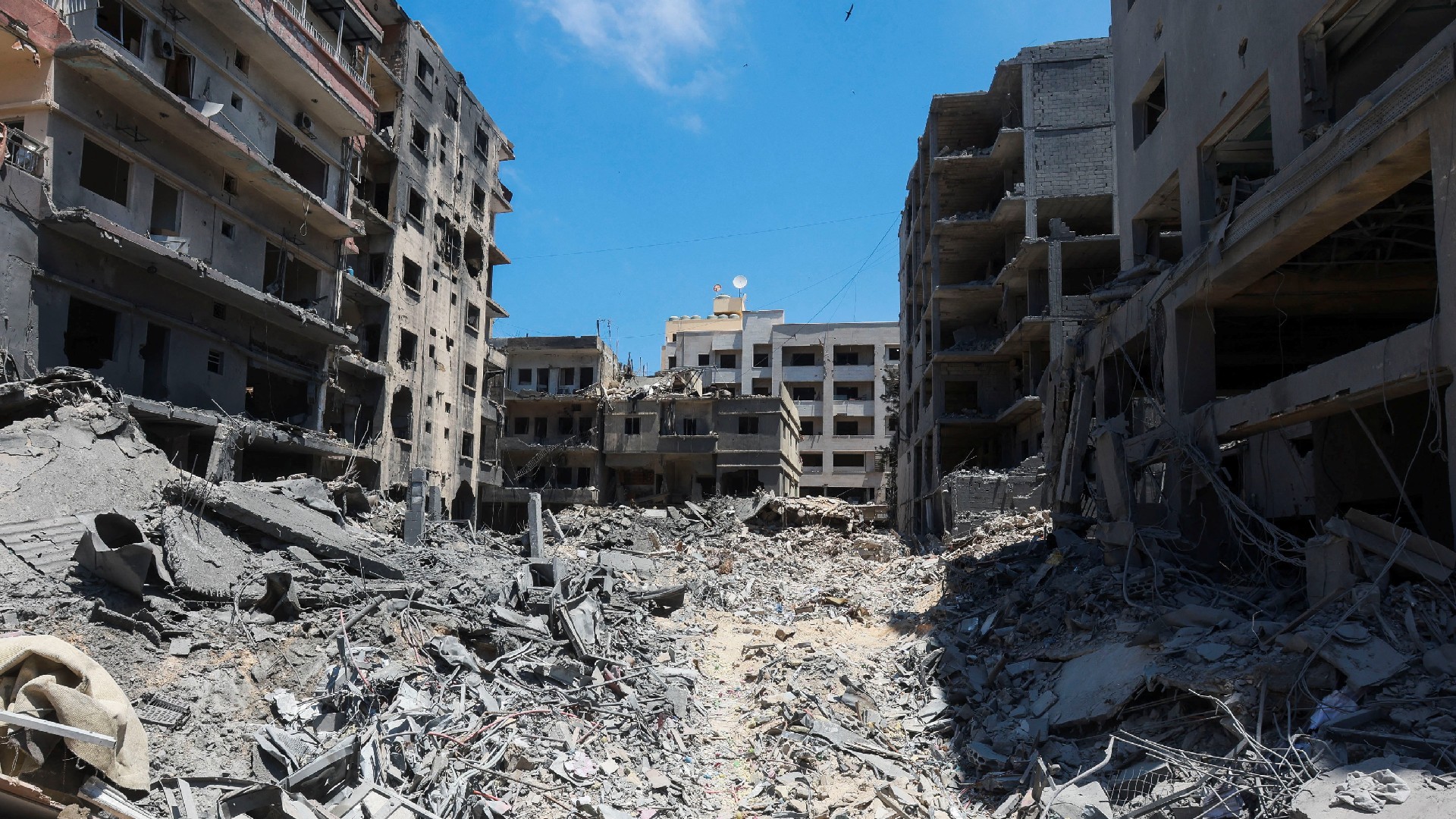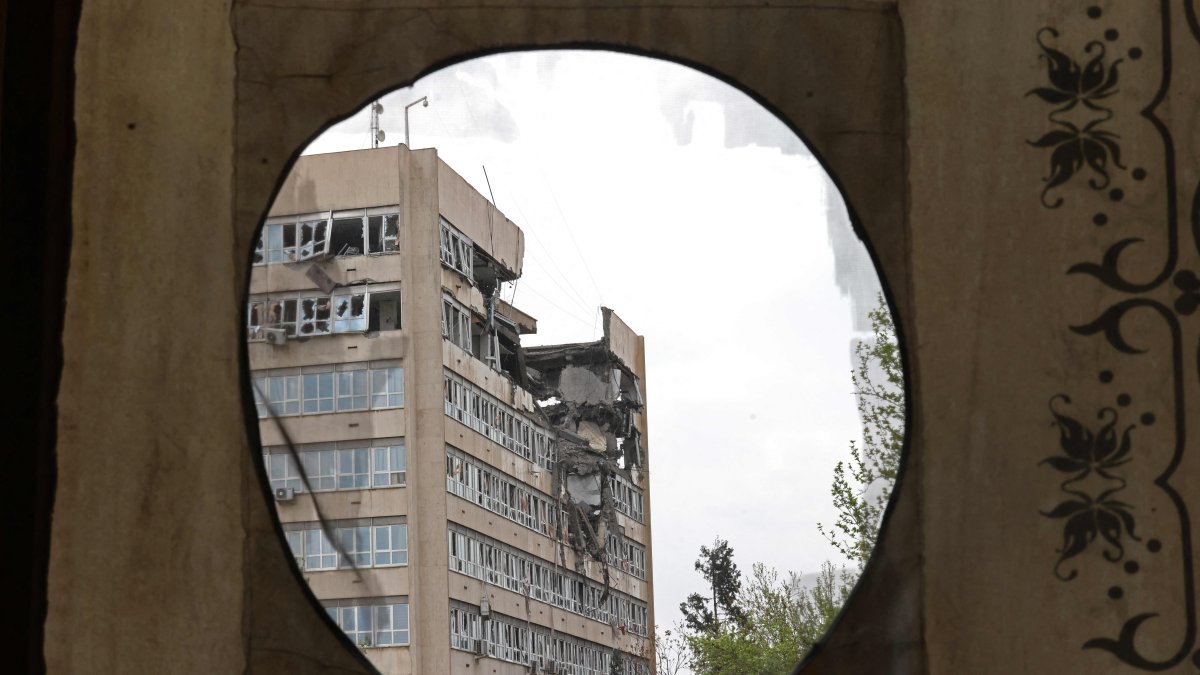
Iran is fighting two wars at once, and they are not separate conflicts but two faces of the same one. The first is the military war now playing out in the air and across the country’s industrial heartland. The second is already being set in motion by these same strikes, yet it will become fully visible and will truly be lived, only after the guns fall silent. It is the war of the aftermath, the economic collapse, the social strain and the political reckoning that the destruction leaves behind. Iran may well survive the first. The second will be longer and harder, and it is the one that may decide the fate of the system.
First war: The siege
Iran is currently fighting a defensive war. Judging by the statements of the United States and Israel and what has surfaced in open sources, the campaign was waged from the very first day with the aim of regime change. As far as can be discerned, the working assumption was that if the entire leadership tier, Khamenei included, were decapitated, the system would unravel on its own.
This was not an improvised idea, and its traces can be followed back well before the current conflict. Eyal Zamir, before becoming Israel’s chief of the general staff, set out much of the underlying logic in “Countering Iran’s Regional Strategy,” the paper he wrote for the Washington Institute in 2022. There, he defined the Islamic Revolutionary Guard Corps (IRGC) as Iran’s center of gravity, argued that the regime would disintegrate from within if that center were struck, and called for an escalation that included targeted operations against the IRGC’s command structure. Both during the 12-day war and in its aftermath, the strikes appear to have followed this template closely, hitting the IRGC directly, severing its chain of command and thinning its senior ranks.