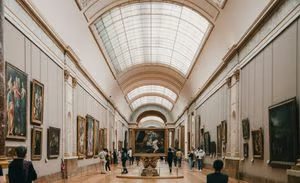
DAT VO / Unsplash
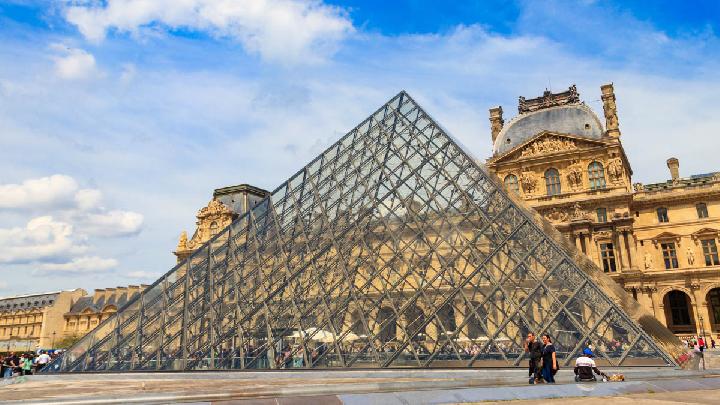
A great museum does more than store significant objects. It builds an argument about why those objects matter, constructs an environment in which that argument becomes persuasive, and leaves visitors with a changed relationship to whatever subject they came to encounter. The buildings that house the best museums often make their own argument before a visitor crosses the threshold: the Louvre’s glass pyramid, the Natural History Museum’s Romanesque Revival facade, the Tate Modern’s converted power station. Architecture and collection reinforce each other at institutions that have earned their reputations over generations, and the experience of visiting them differs from anything a photograph or a digital collection reproduces.
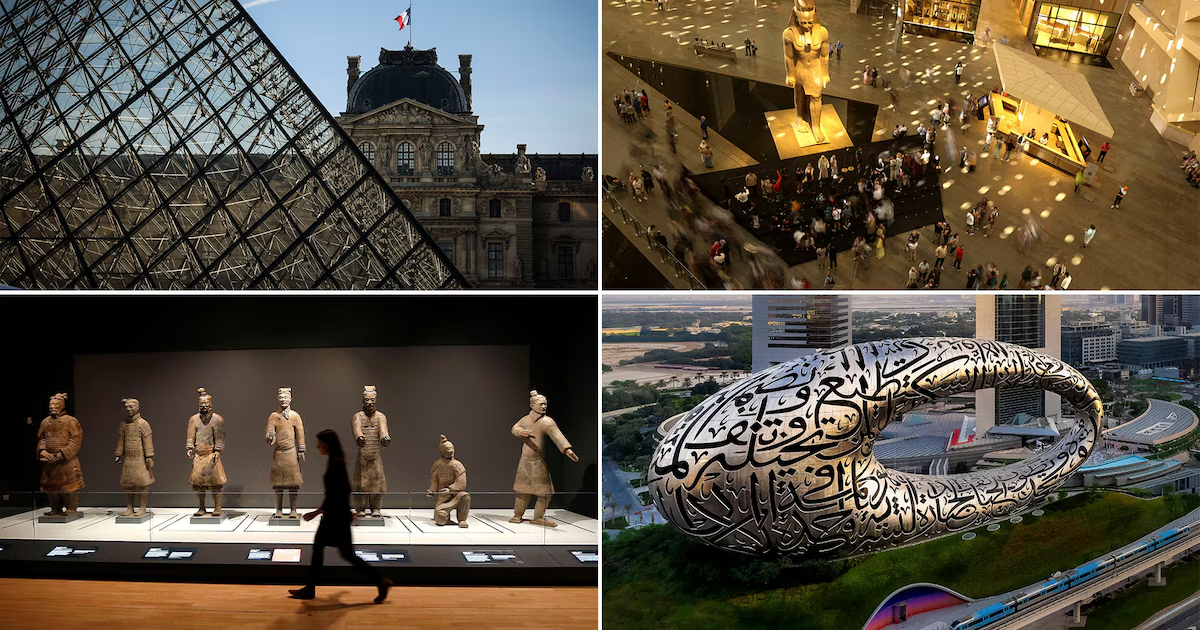
The geographic concentration of great museums in certain cities reflects history more than accident. Collections followed power: imperial capitals attracted art, loot, scientific specimens, and cultural artifacts from territories that larger nations absorbed, traded with, or conquered. London, Paris, Vienna, and Washington, D.C. hold collections assembled over centuries by institutions with the resources and political reach to acquire at a scale that smaller cities could not match. More recently, purpose-built institutions and specialist museums in unexpected locations have expanded the map of where serious collecting happens, giving travelers reasons to seek out museums in cities that the traditional grand tour itinerary overlooked.