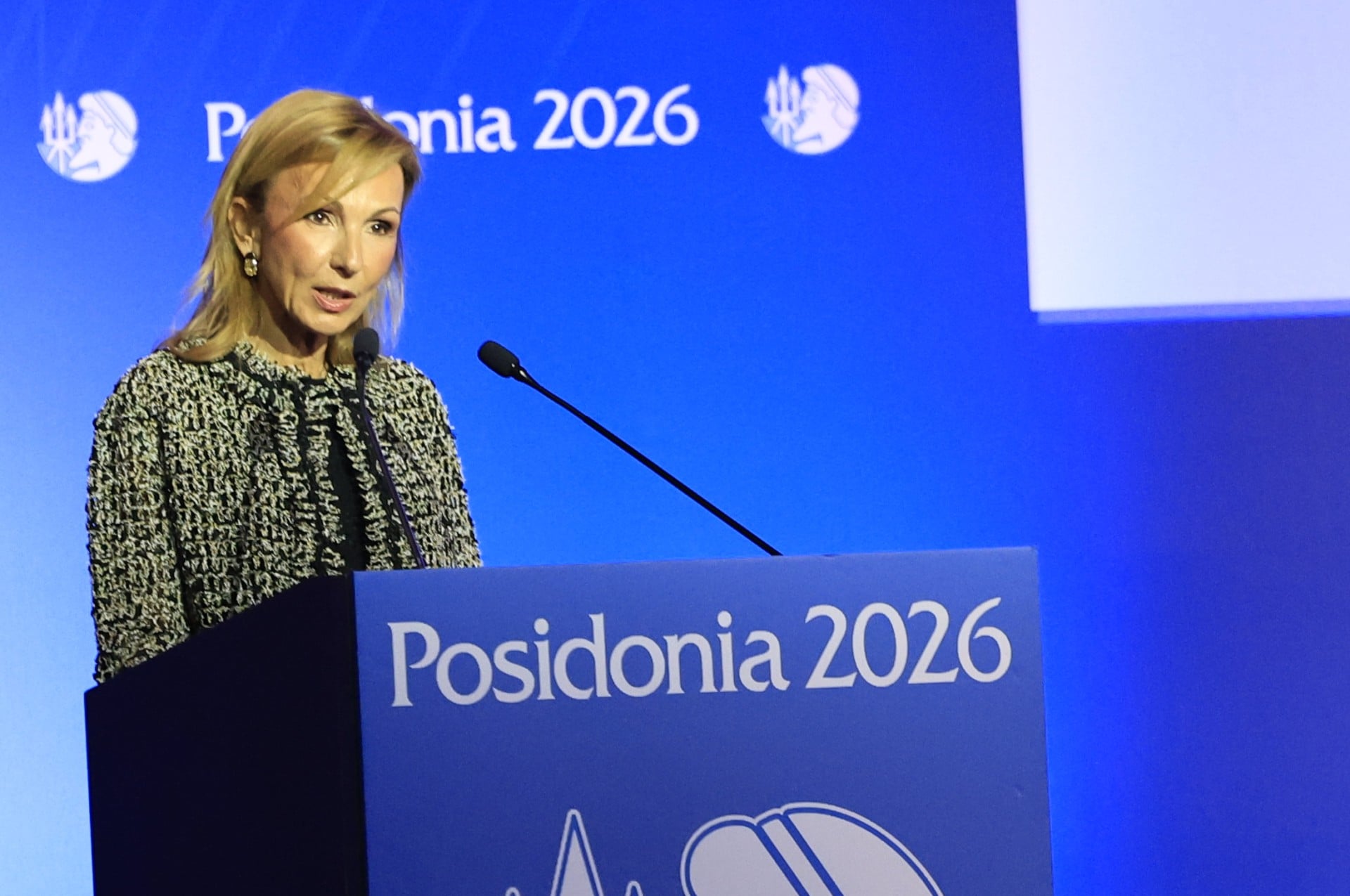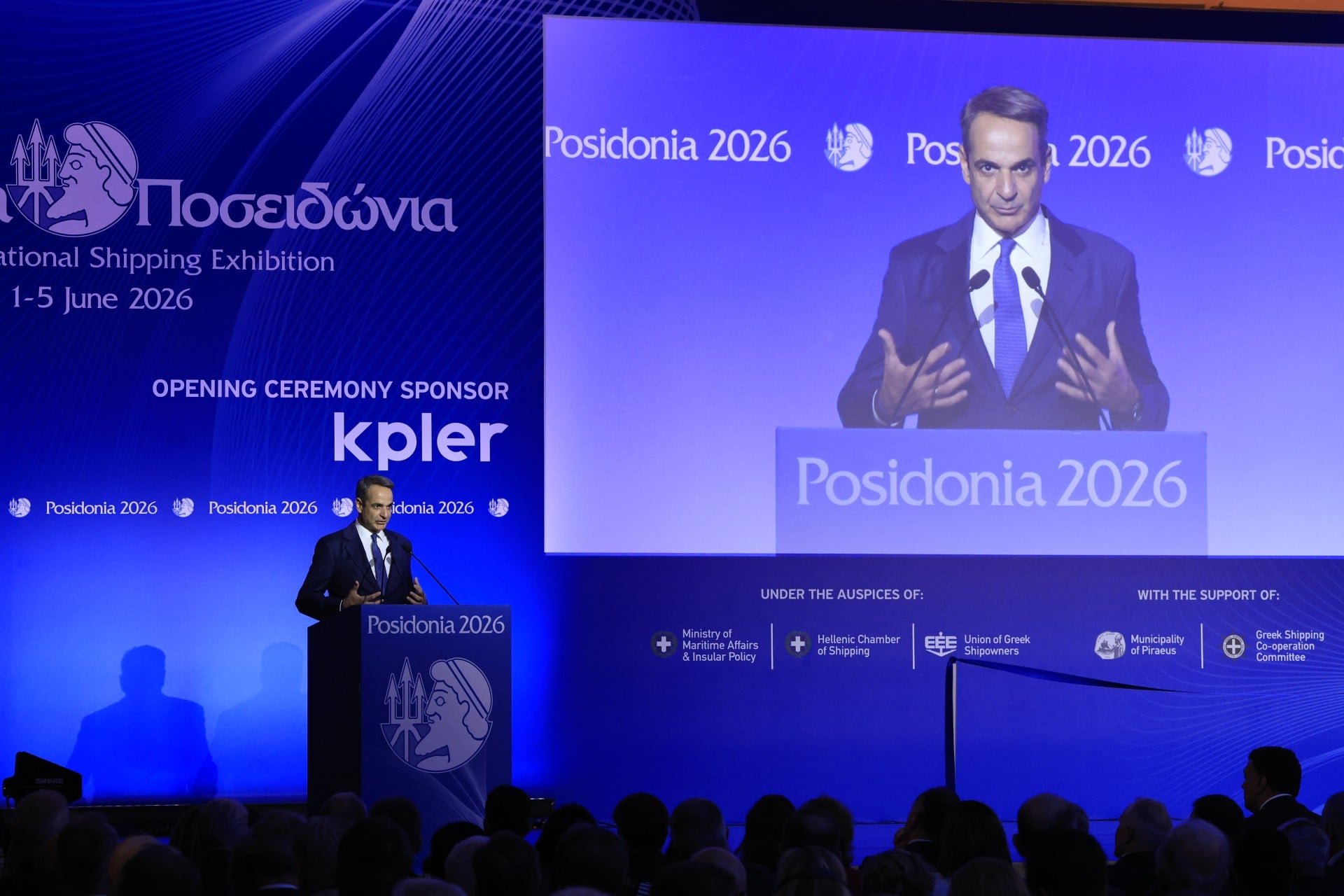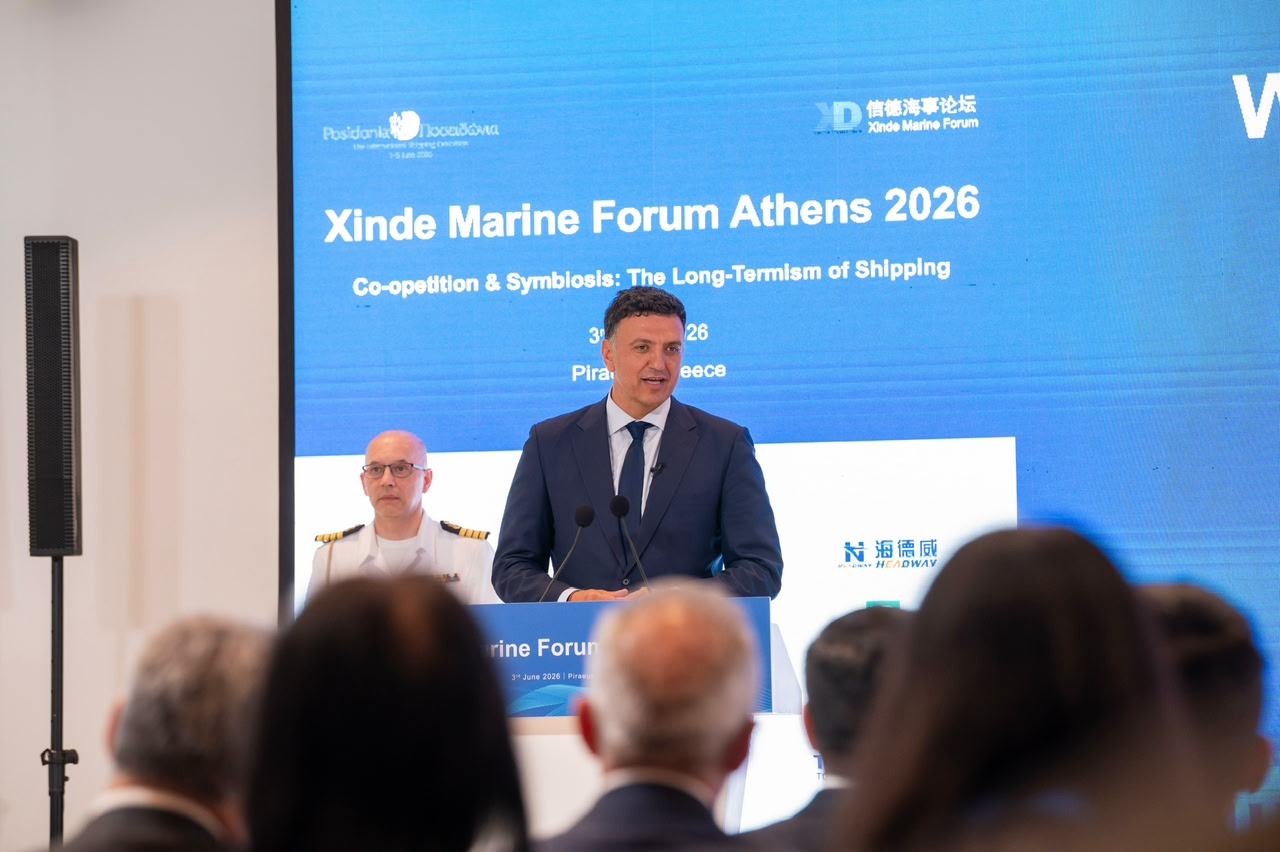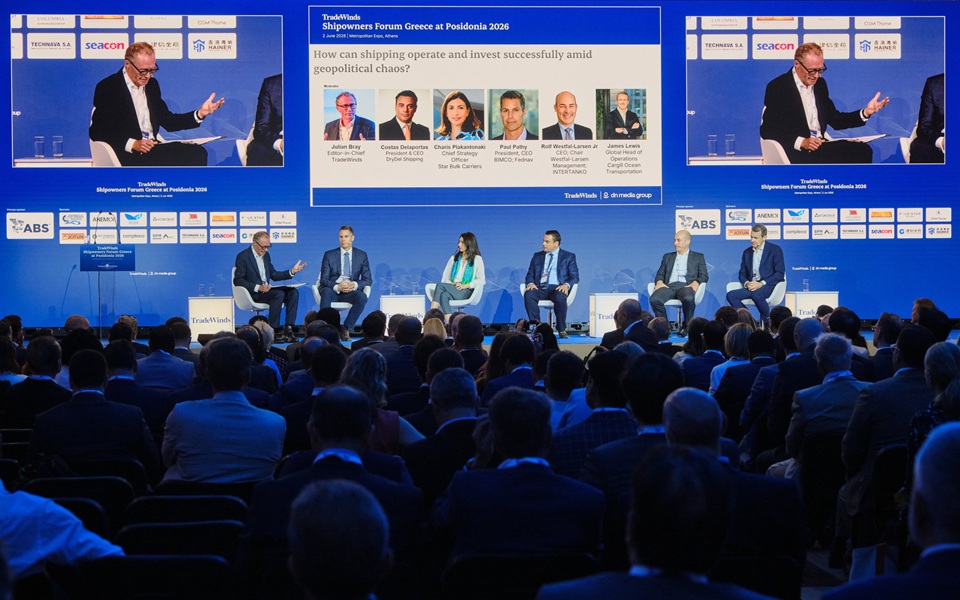
Tuesday, or Day 2 of Posidonia 2026, i.e. the first full day after Monday’s launch, saw the major conference hosted by international shipping journal TradeWinds discuss the geopolitical and environmental challenges the industry is facing and assessed its remarkable resilience in adversity.
Setting the tone for the debate of the “TradeWinds Shipowners Forum” at the Metropolitan Expo was the 10-data-point snapshot of the industry at the moment offered by Clarksons Research Managing Director Steven Gordon.
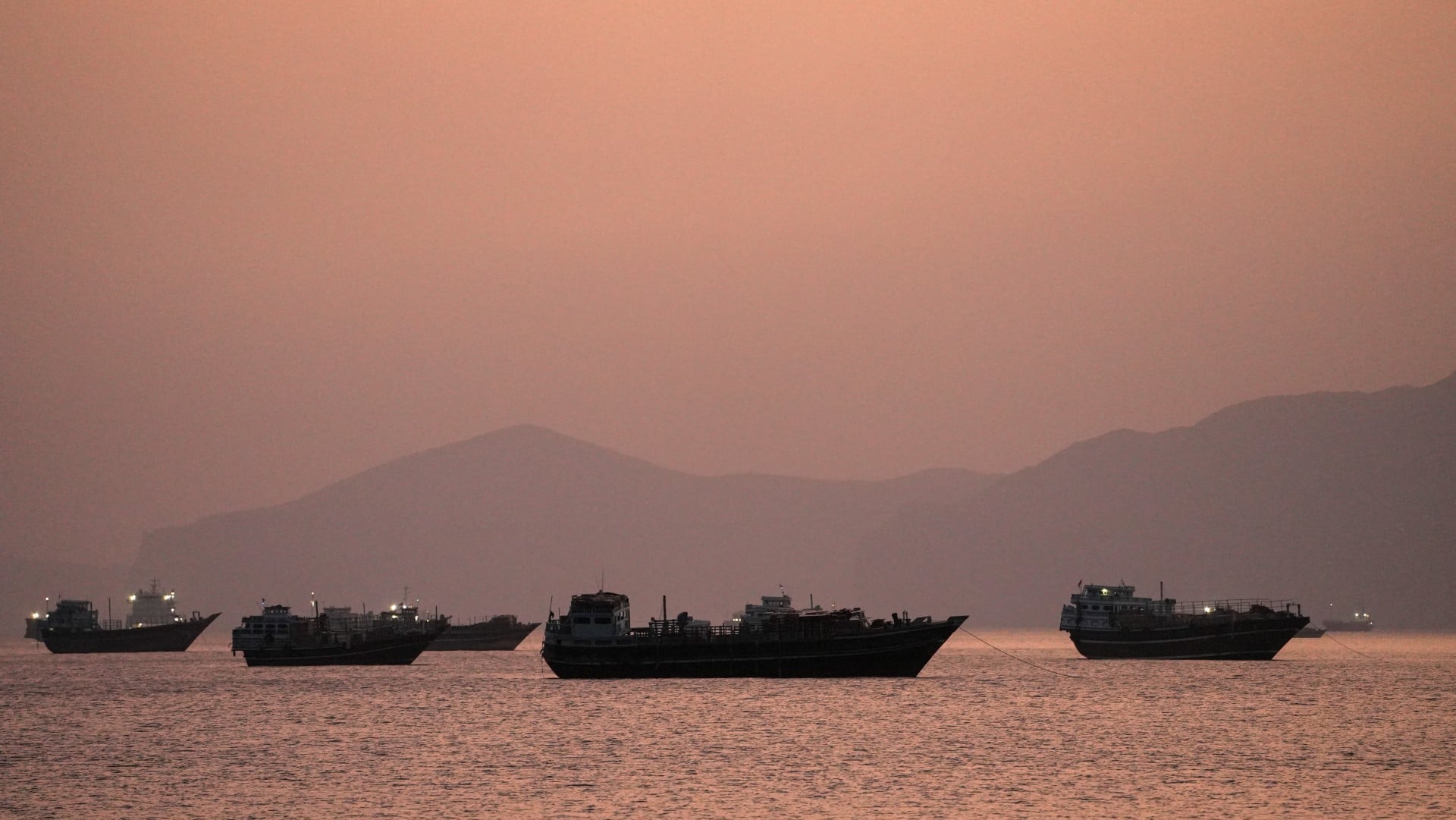
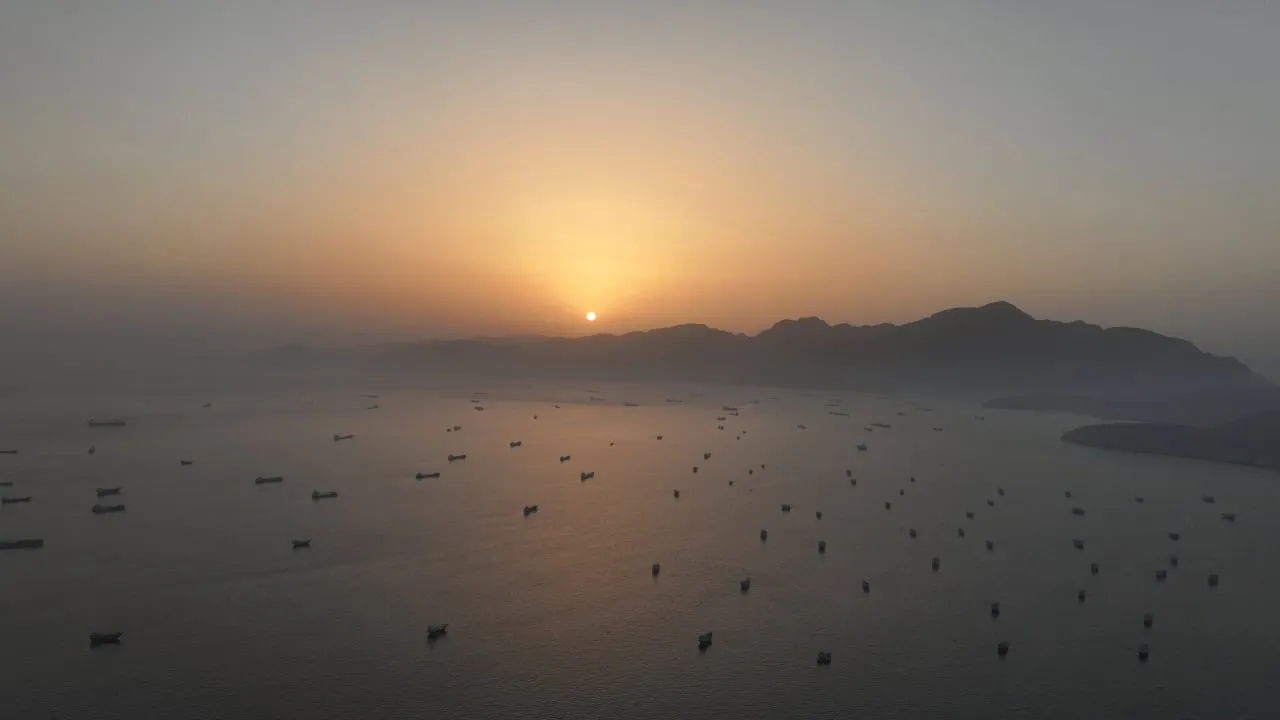
The world fleet and its order book now stand at a combined value of $2.4 trillion — a measure of the industry’s sheer scale — yet that capital is being deployed against a backdrop of deepening geopolitical stress. Transits through the Strait of Hormuz have fallen by 95%, with an estimated 1.5 billion barrels of oil lost during the ongoing crisis; some 7 million barrels per day and 2% of the global fleet by tonnage remain trapped inside the Gulf, including 8% of the world’s VLCC fleet and 3% of its VLGC fleet.
Meanwhile, due to the domino of geopolitical conflicts from Ukraine, Houthi and Iran war disruptions, the average distance of seaborne trade has grown by 10% since 2019 — a structural shift that continues to absorb tonnage and reshape trade geography.