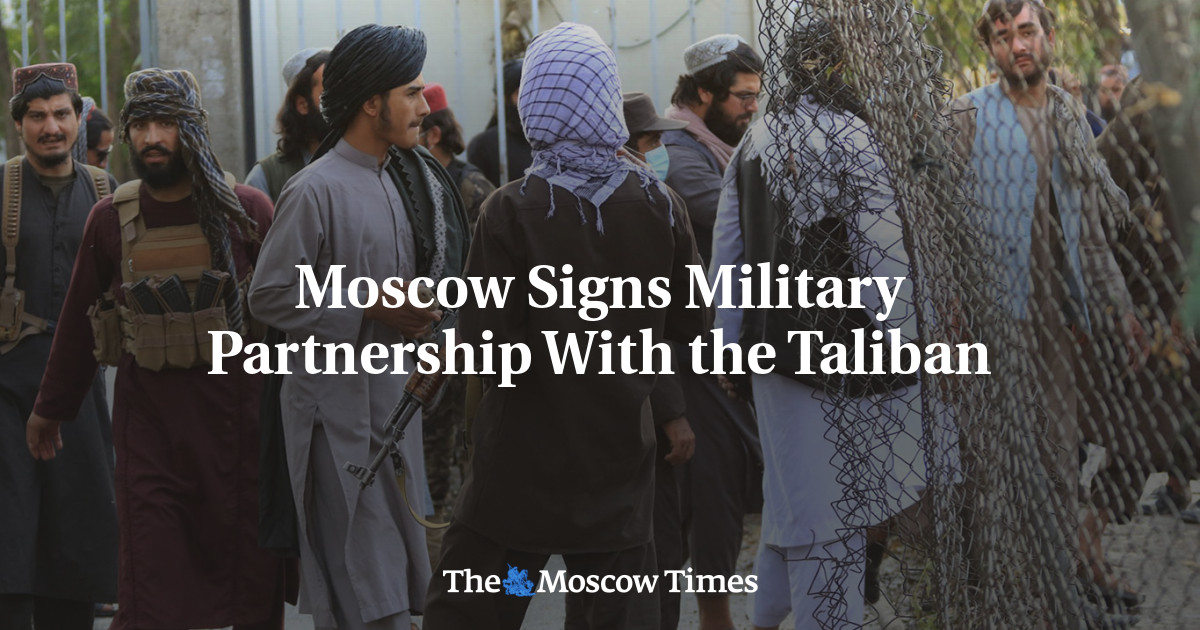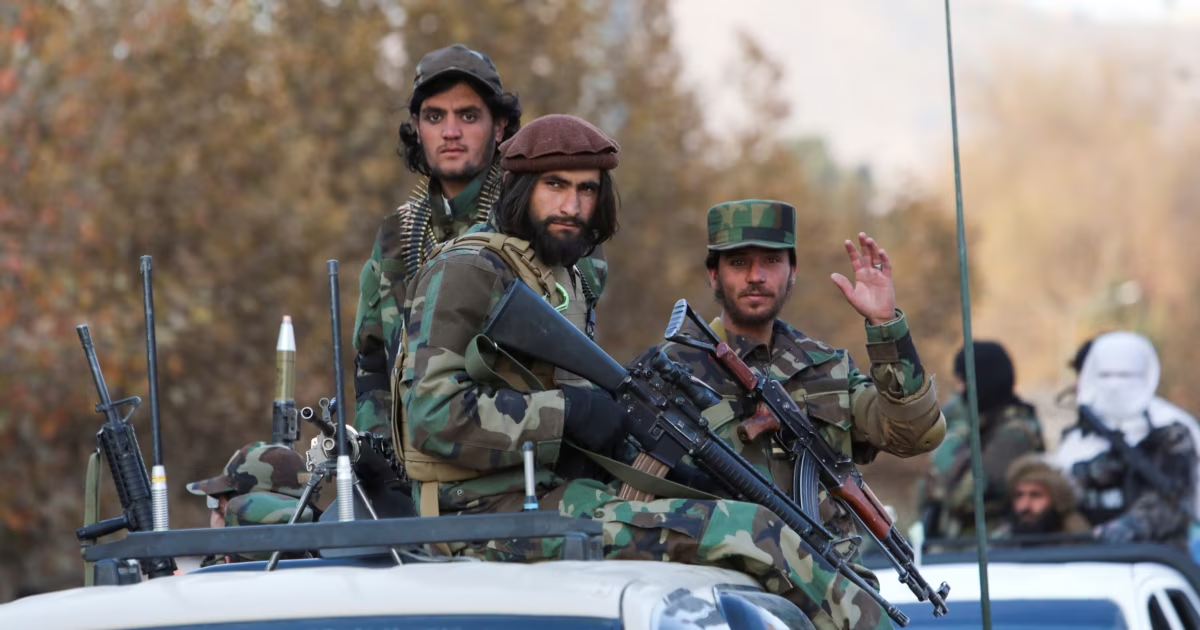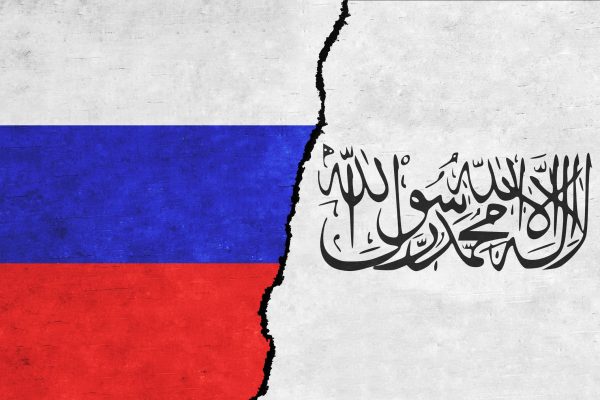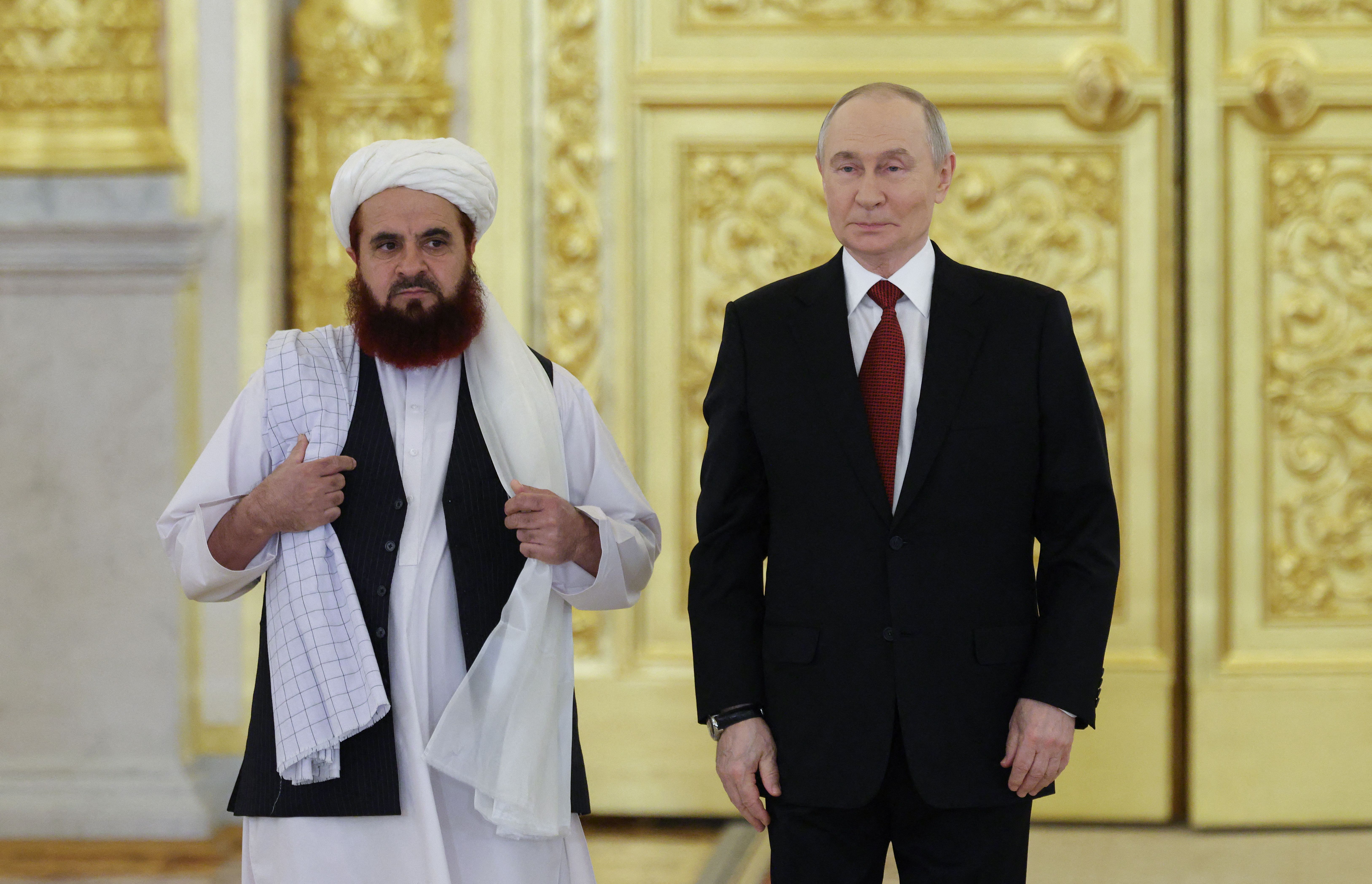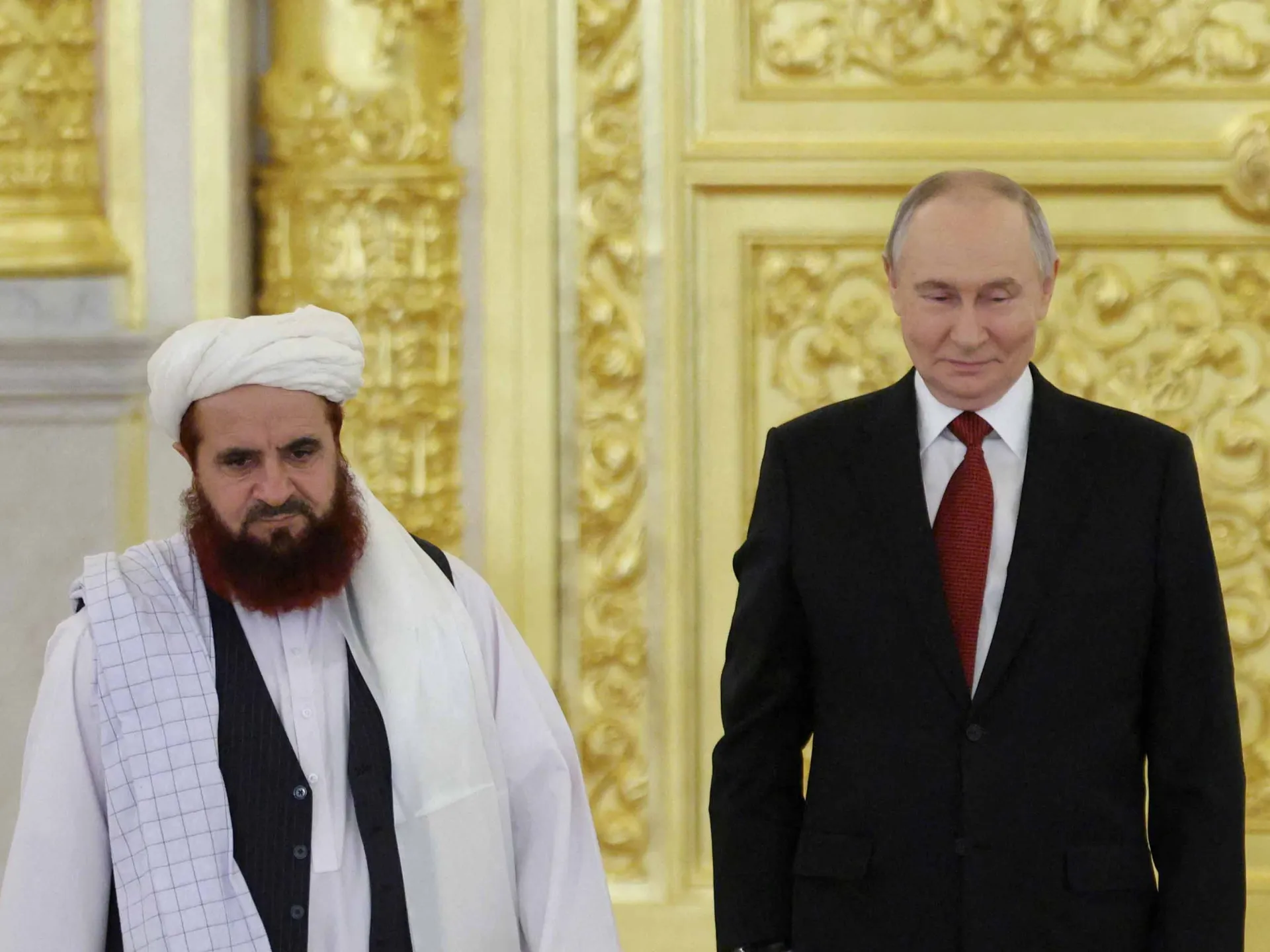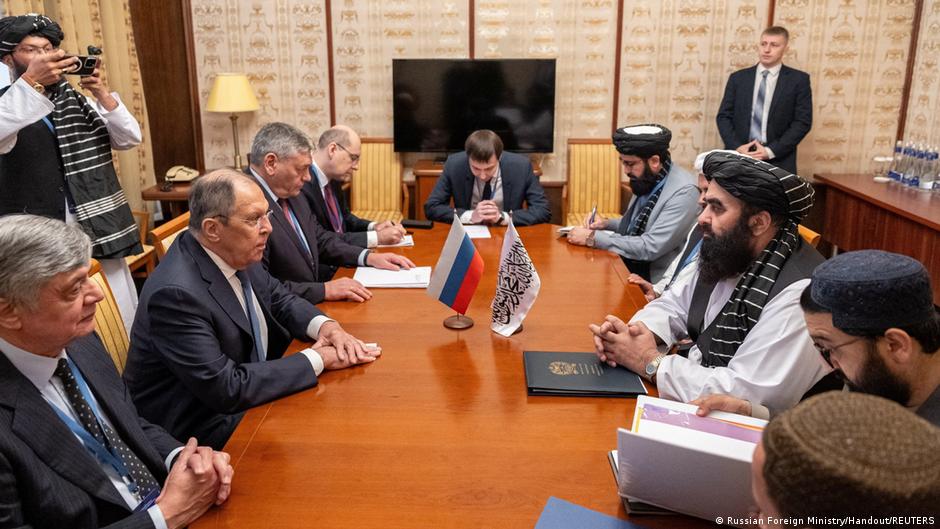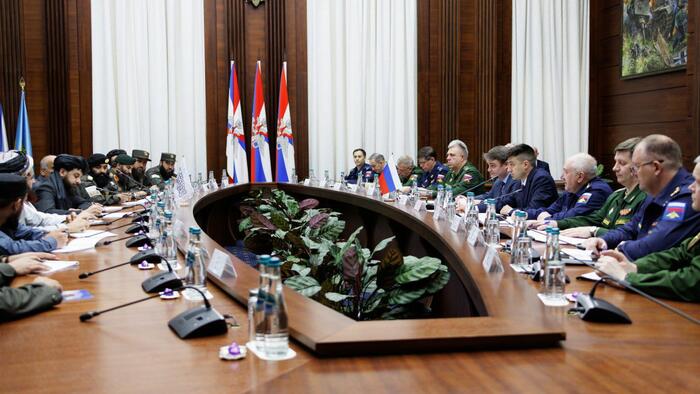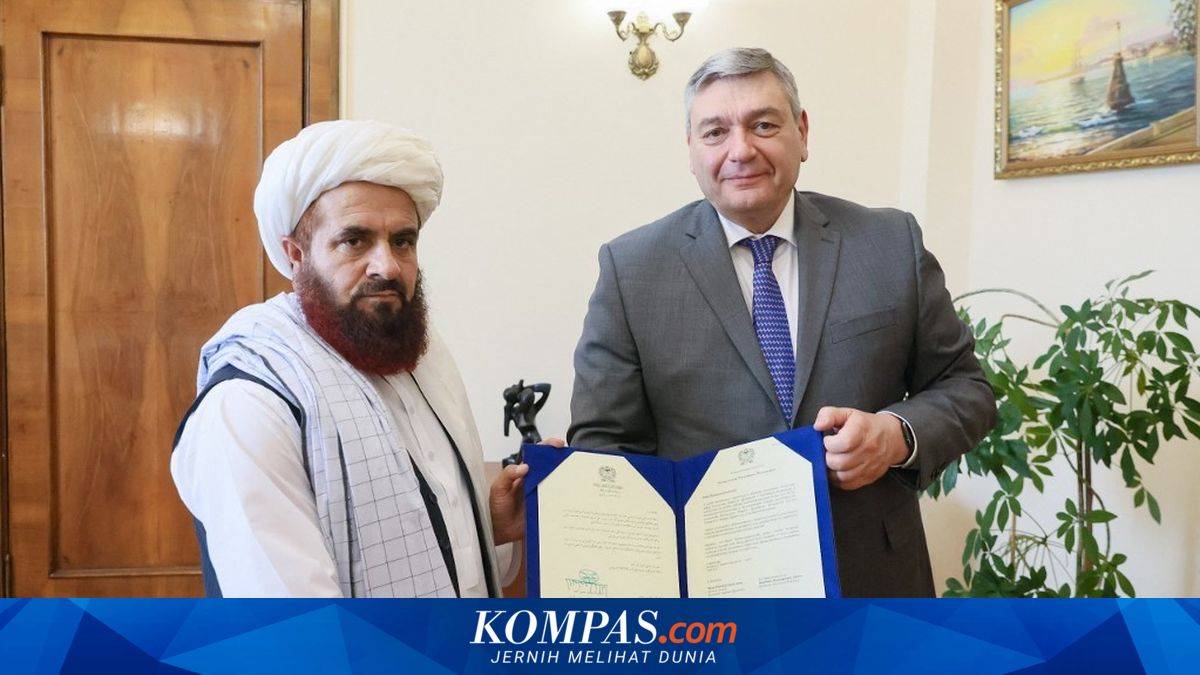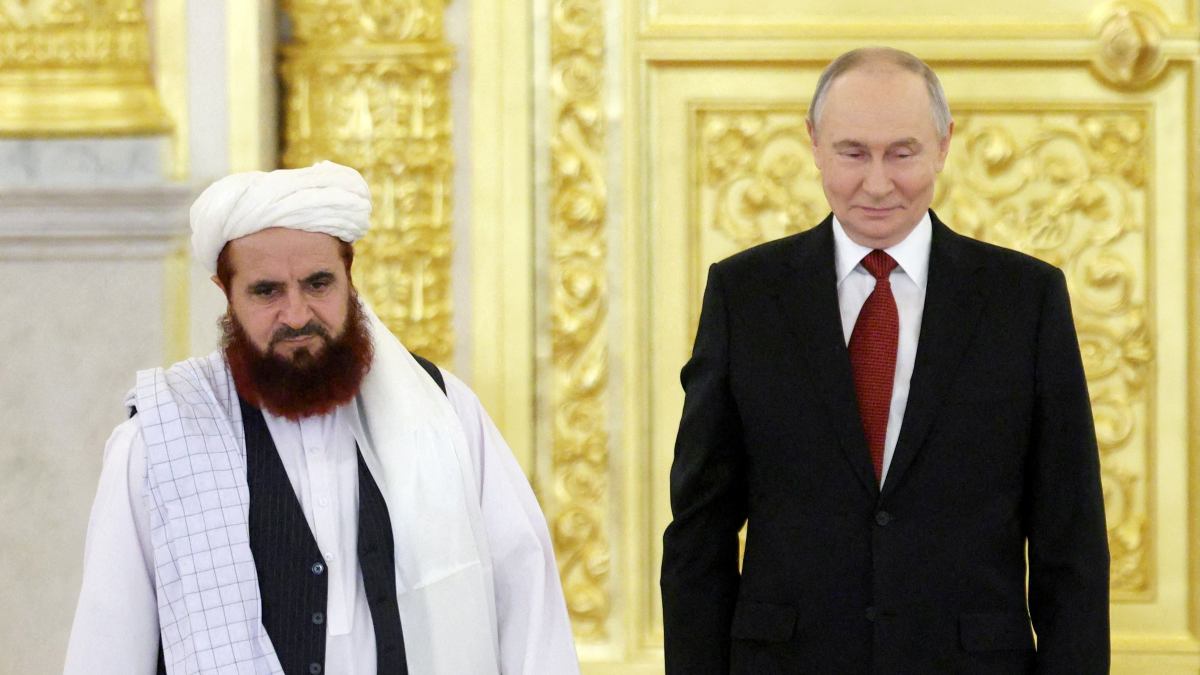
On May 14, Sergei Shoigu, secretary of the Russian Security Council, announced that Russia and Afghanistan’s Taliban would establish a formal partnership in areas including security, trade, and humanitarian assistance. Buried in the announcement was a long-term aim to create migrant labor agreements between the two nations. Shoigu and other Russian commentators cited certain grievances with the former U.S. presence in Afghanistan, shared concerns about Islamist groups, and Russia’s eagerness to secure new allies. The stated rationale is not without basis, but the migrant labor provision points toward a different explanation that is easy to miss without further examination of the domestic situation in Russia.
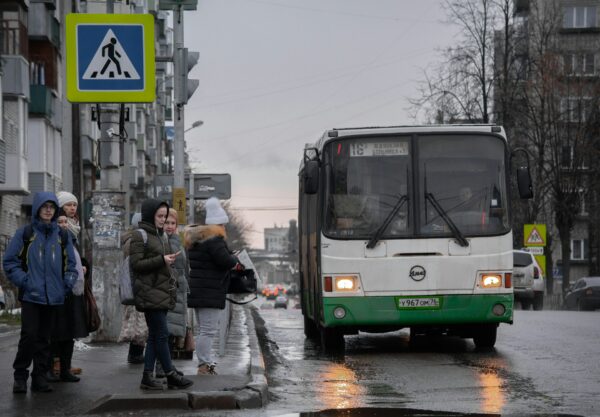
The war in Ukraine has reached a difficult moment for Russia. Officials do not acknowledge the situation as unfavorable, but the battlefield record tells a different story. Russia has sustained 1.2 million casualties since the onset of the war, has begun losing some territory, and now faces a Ukrainian military capable of striking Moscow itself, more than a thousand kilometers from the front. Losses have strained the military and accelerated a labor force contraction that was already underway before the first shots were fired, pulling working-age men out of the economy at a rate the country was already poorly positioned to absorb.