TL;DROpenAI expanded Codex from a coding tool into an enterprise work platform with Sites (hosted web apps), Annotations, and role-specific plugins connecting 62 business apps. Non-developers now make up 20% of 5 million weekly users and are adopting 3x faster than engineers.
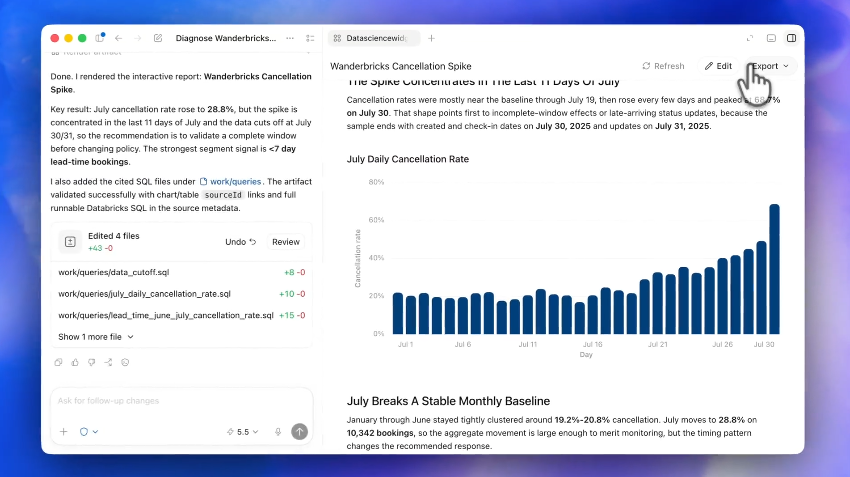
OpenAI announced a major expansion of Codex on Tuesday, transforming its AI coding agent into a broader enterprise work platform with three new capabilities: Sites, a feature that lets users create and share hosted interactive web applications; Annotations, an in-place editing tool; and six role-specific plugins that aggregate 62 popular business applications including Snowflake, Figma, and Salesforce with 110 automated skills built in. The update signals OpenAI’s ambition to make Codex the default interface for knowledge work, not just software development.
The most telling data point is the user composition. Non-developers, including financial analysts, marketers, operations staff, and researchers, now constitute approximately 20% of Codex’s 5 million weekly users and are adopting the platform three times faster than traditional engineers. The vibe coding phenomenon, in which non-technical users build applications through natural language prompts, is no longer a curiosity. It is becoming a measurable share of a product used by millions.