Carla Bassil’s machine learning-assisted device could improve food safety and human healthEach year about 49 million Americans experience food-borne illnesses, resulting in 128,000 hospitalizations and 3,000 deaths. But what if every refrigerator came equipped with an electronic nose that could sniff out spoilage, contamination and unsafe compounds in our food?
Now, Berkeley engineer Carla Bassil may be one step closer to making this a reality.
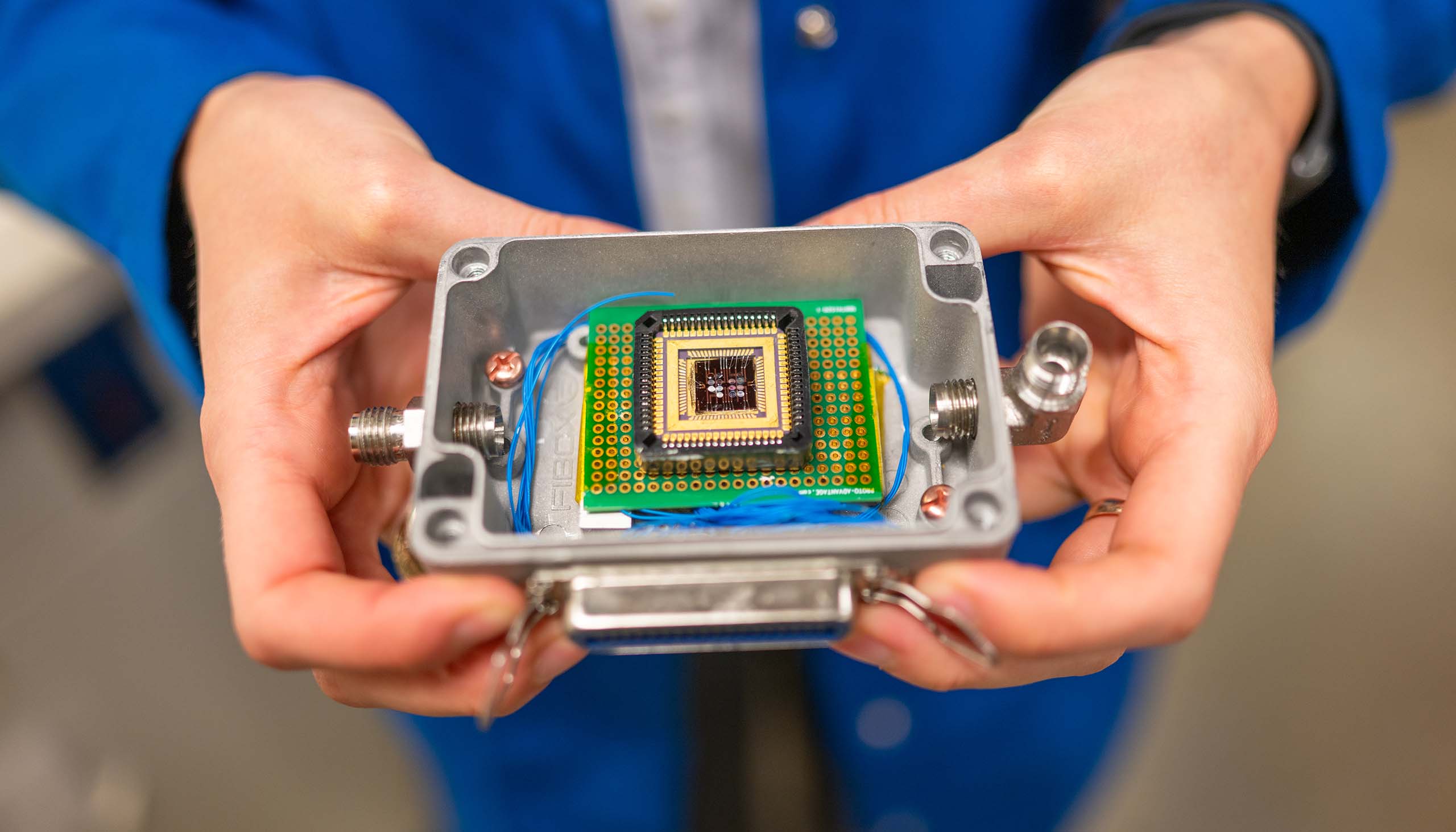
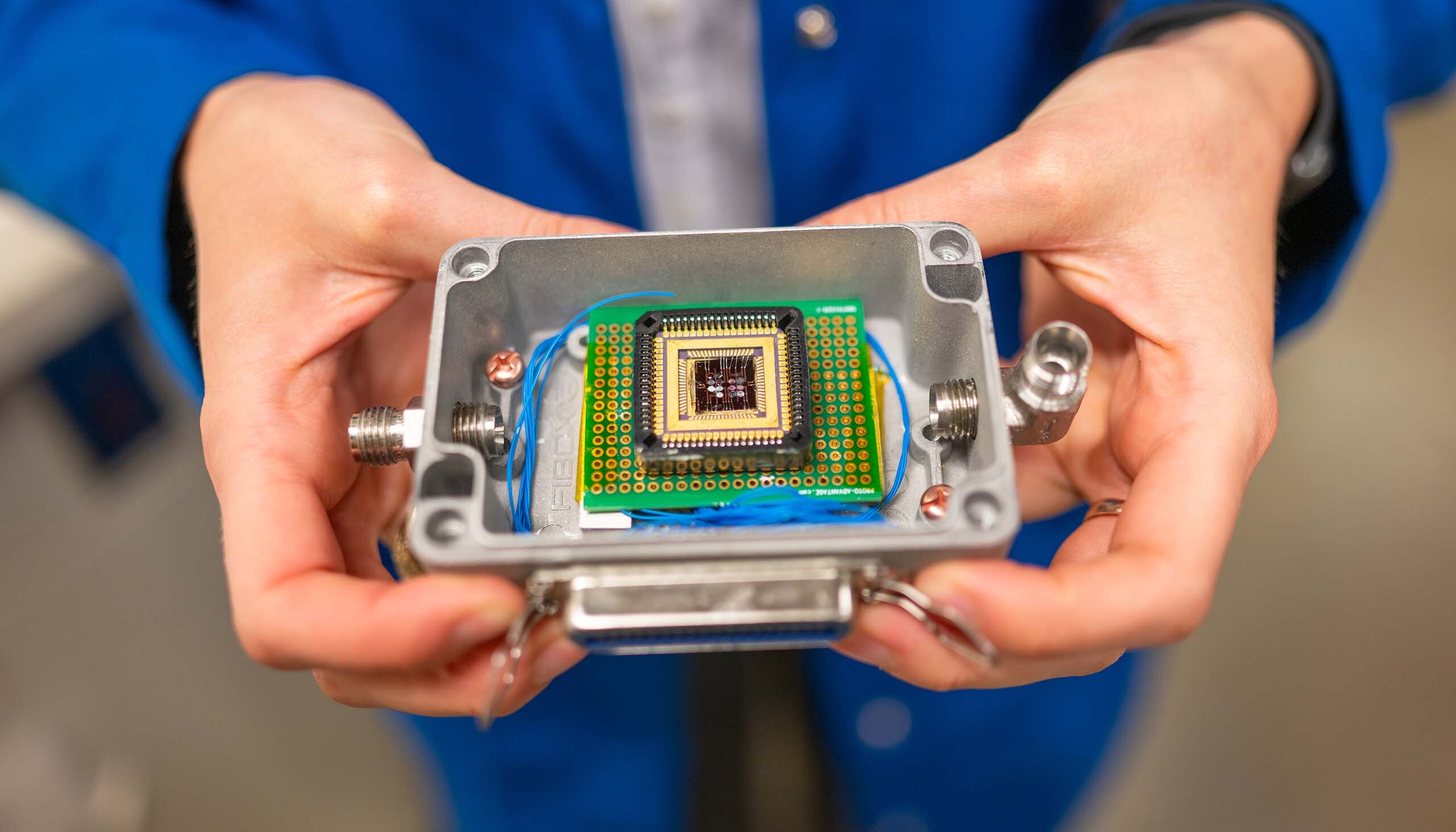
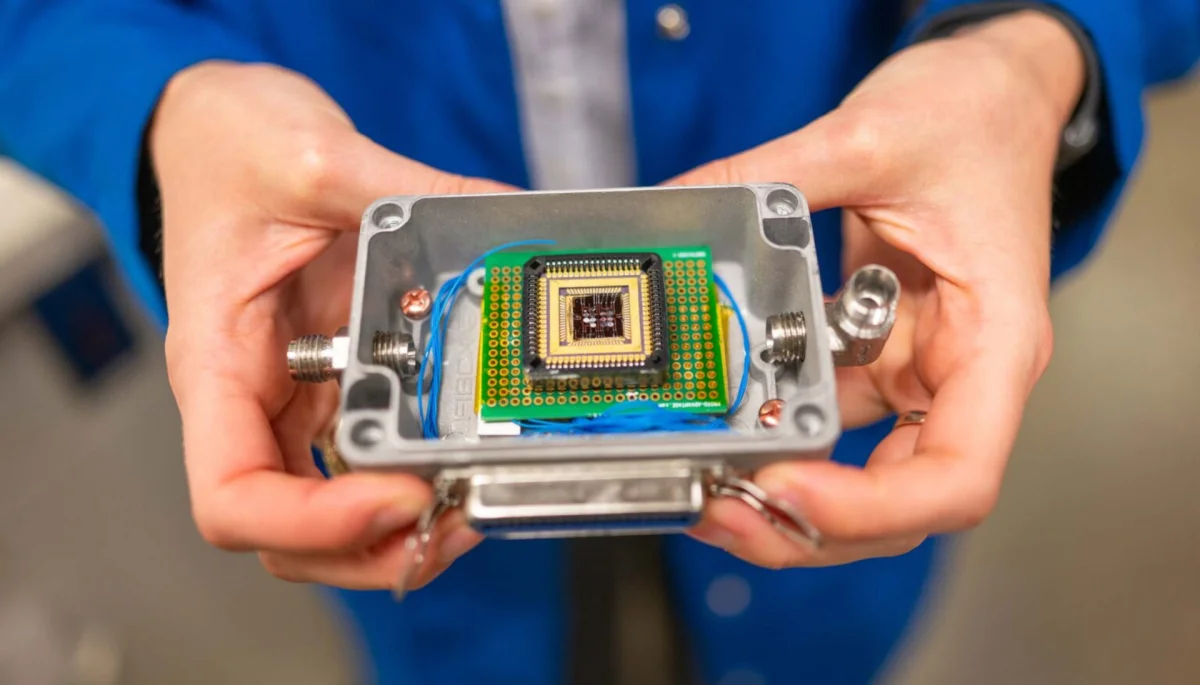
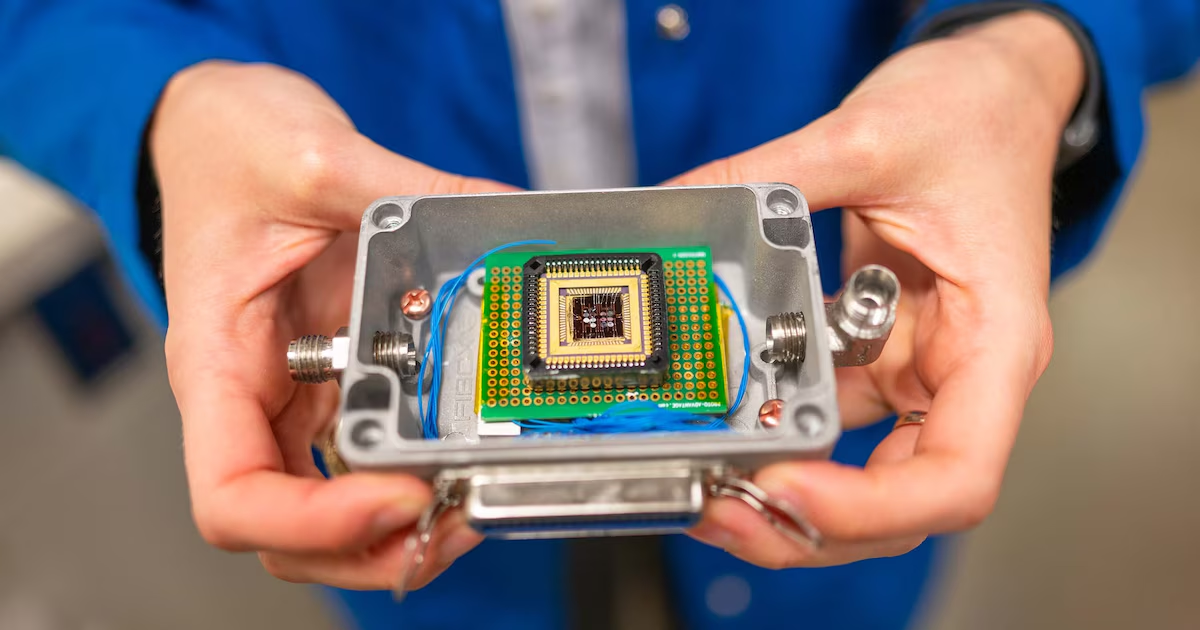
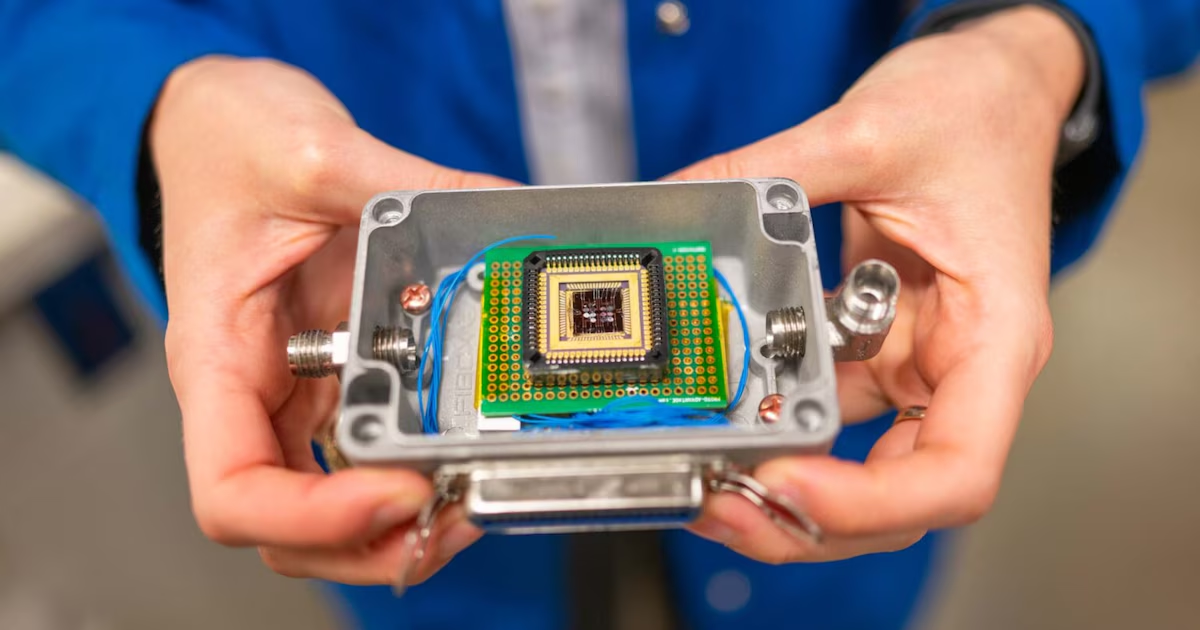
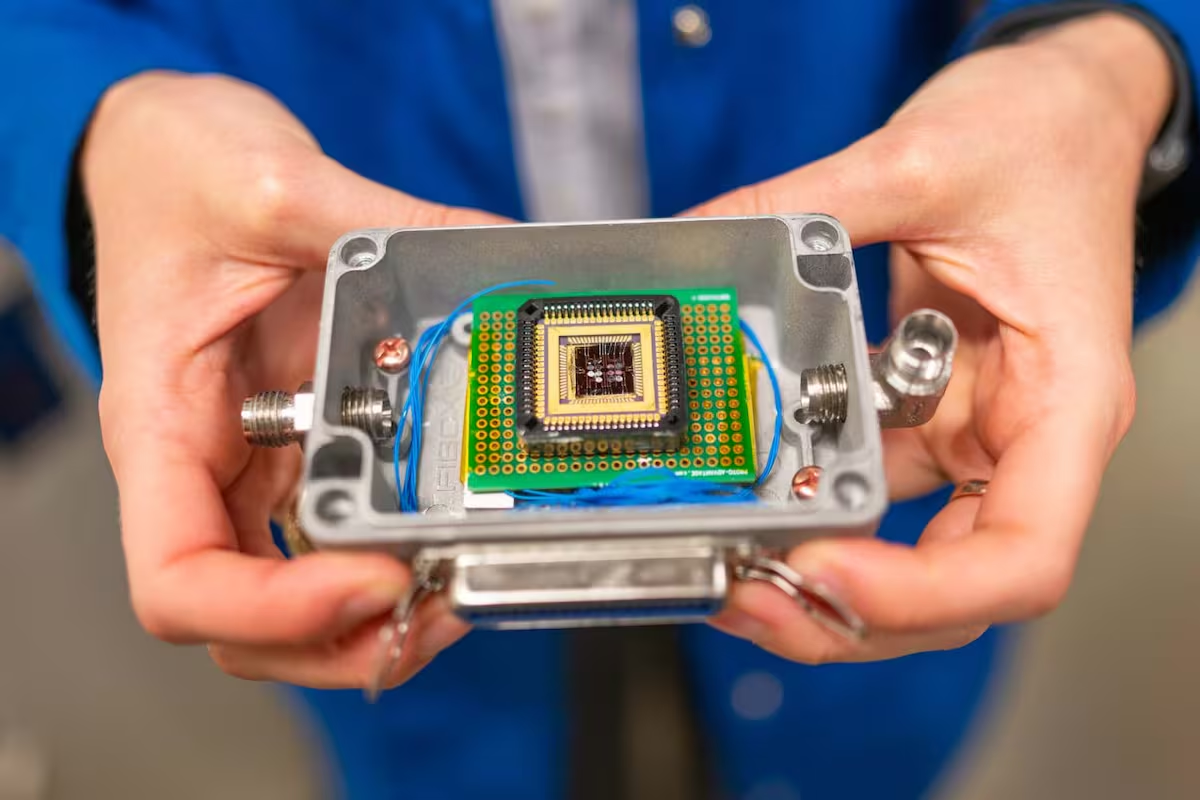
A Ph.D. student in electrical engineering and computer sciences (EECS), Bassil is developing multi-modal gas sensing technologies for food safety, human health and environmental monitoring. Her presentation on her latest concept — a machine learning-assisted gas sensor chip designed to improve food safety — earned her first place at this year’s UC Berkeley Grad Slam, followed by a second-place finish at the UC systemwide competition.
For Bassil, a young researcher and aspiring entrepreneur, the Grad Slam experience was both validating and inspiring. “A Ph.D. really is a marathon. You can go a very long time — in my case, three years — without visibility on your work or feeling like you’ve accomplished much,” she said. “To see that business leaders and the community recognize that my research is impactful and exciting helps strengthen my motivation. It serves as a reminder of why I’m doing this: to improve people’s lives through this technology.”