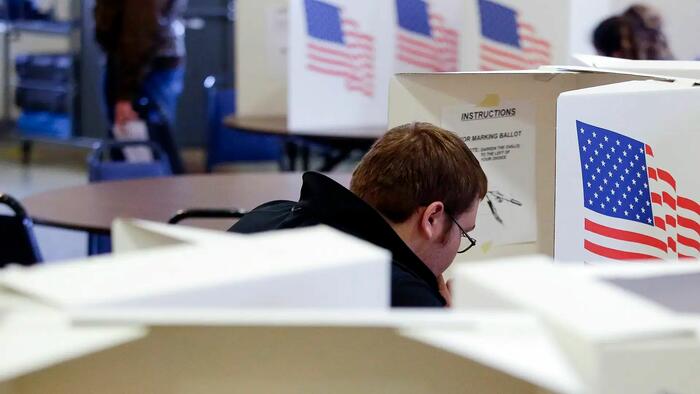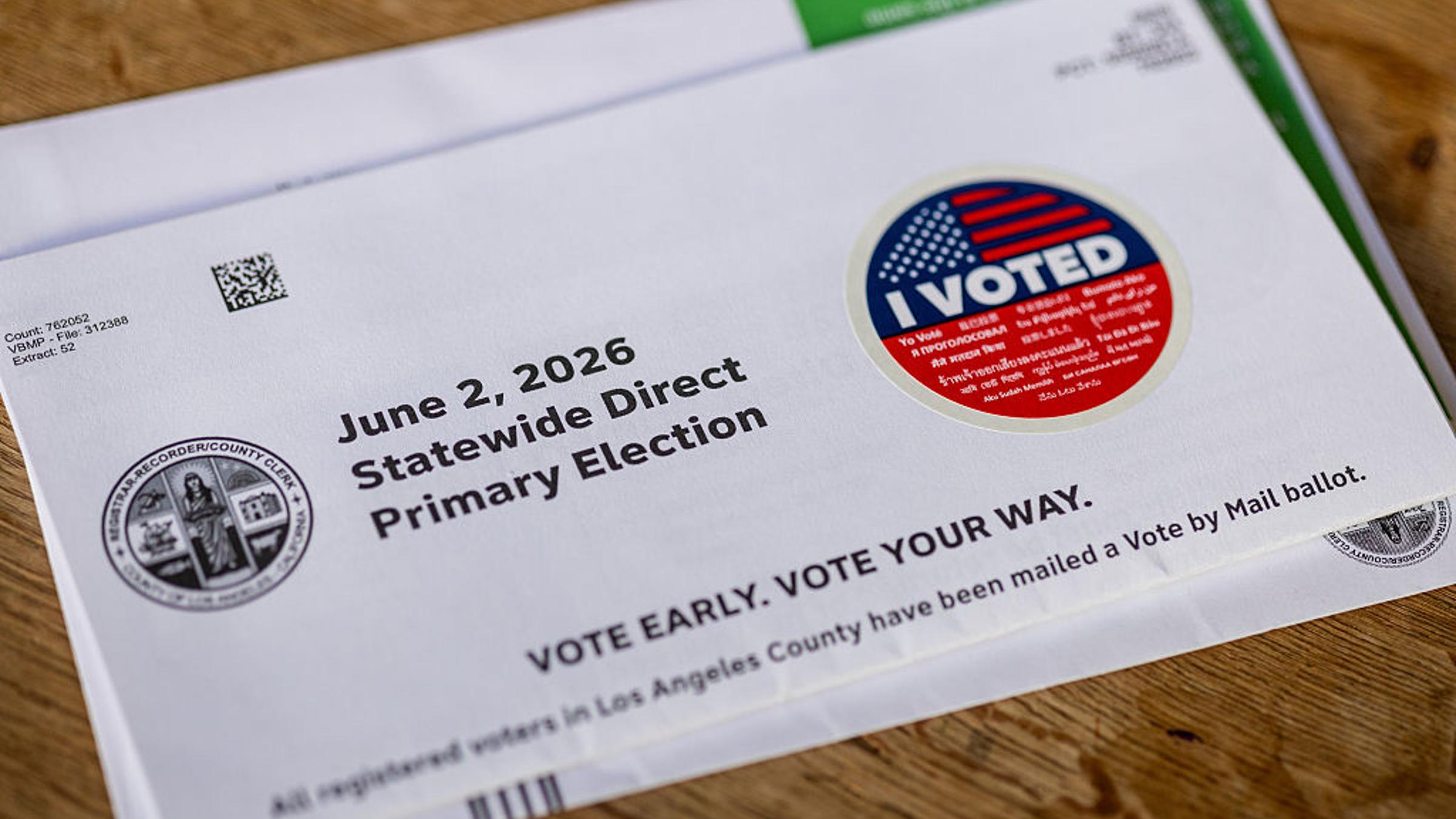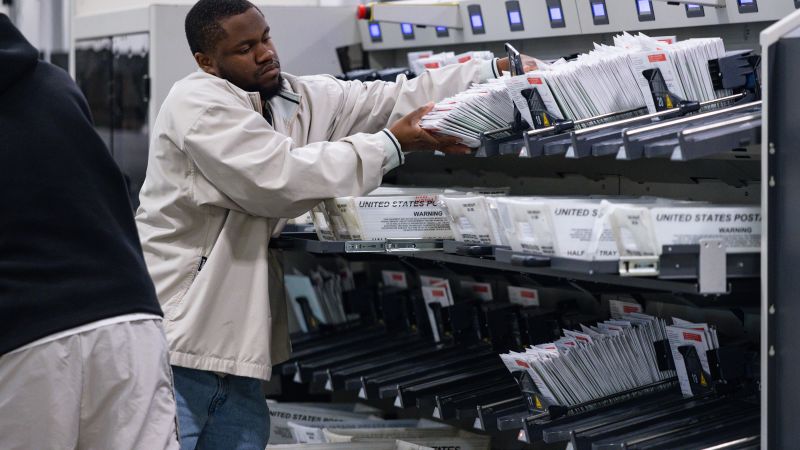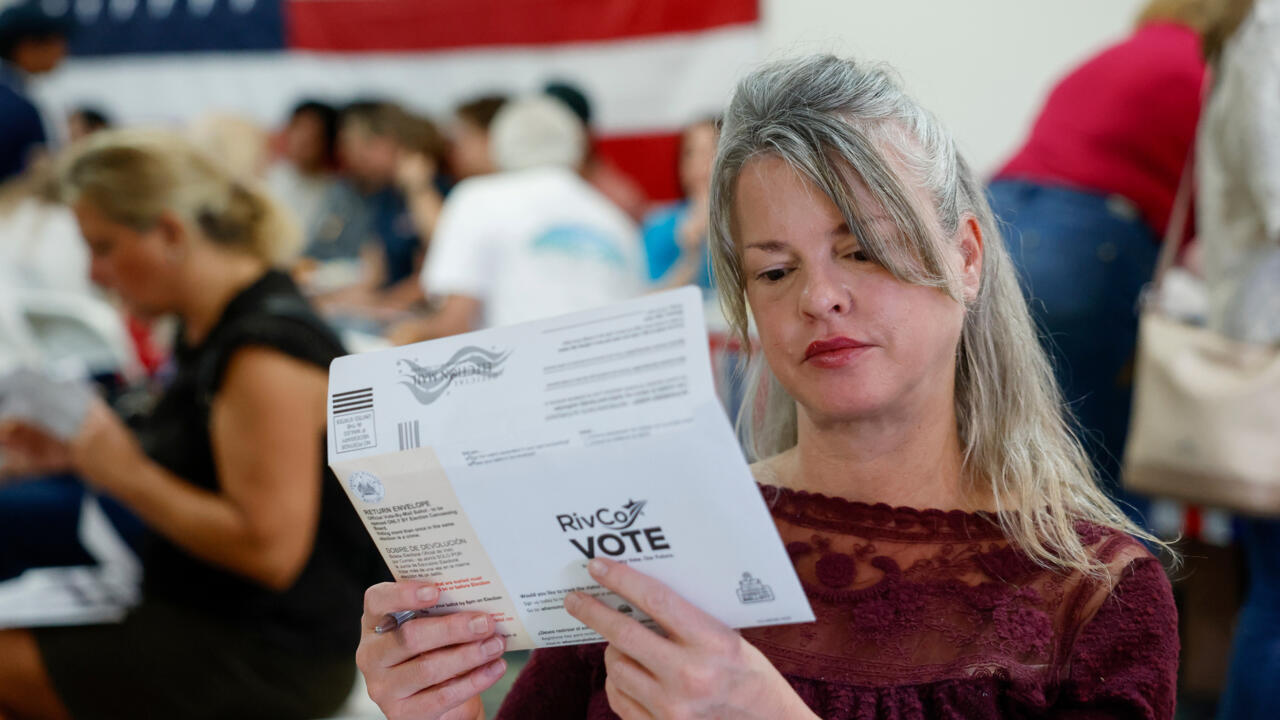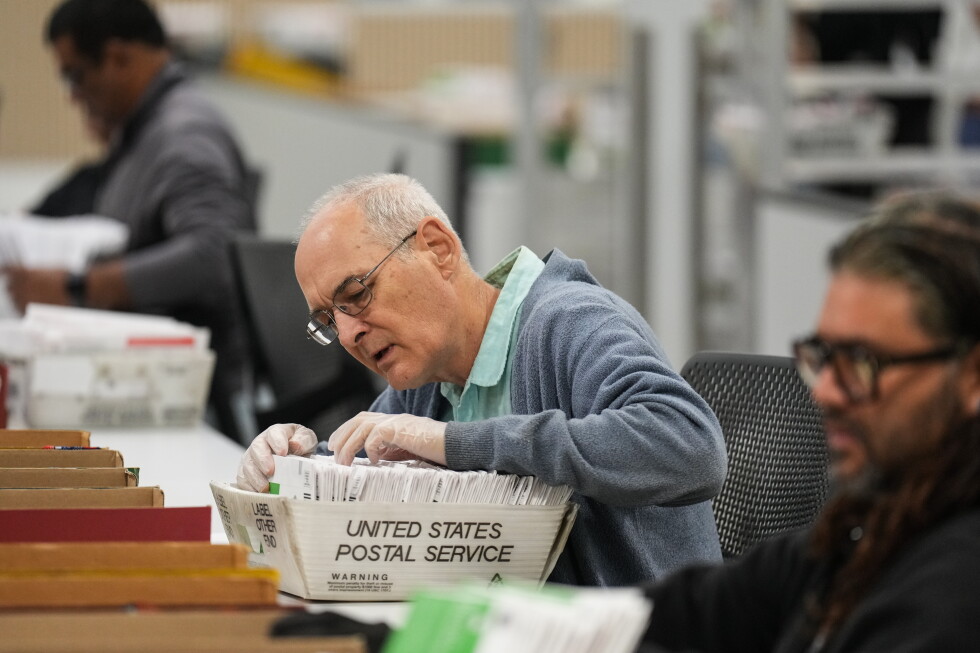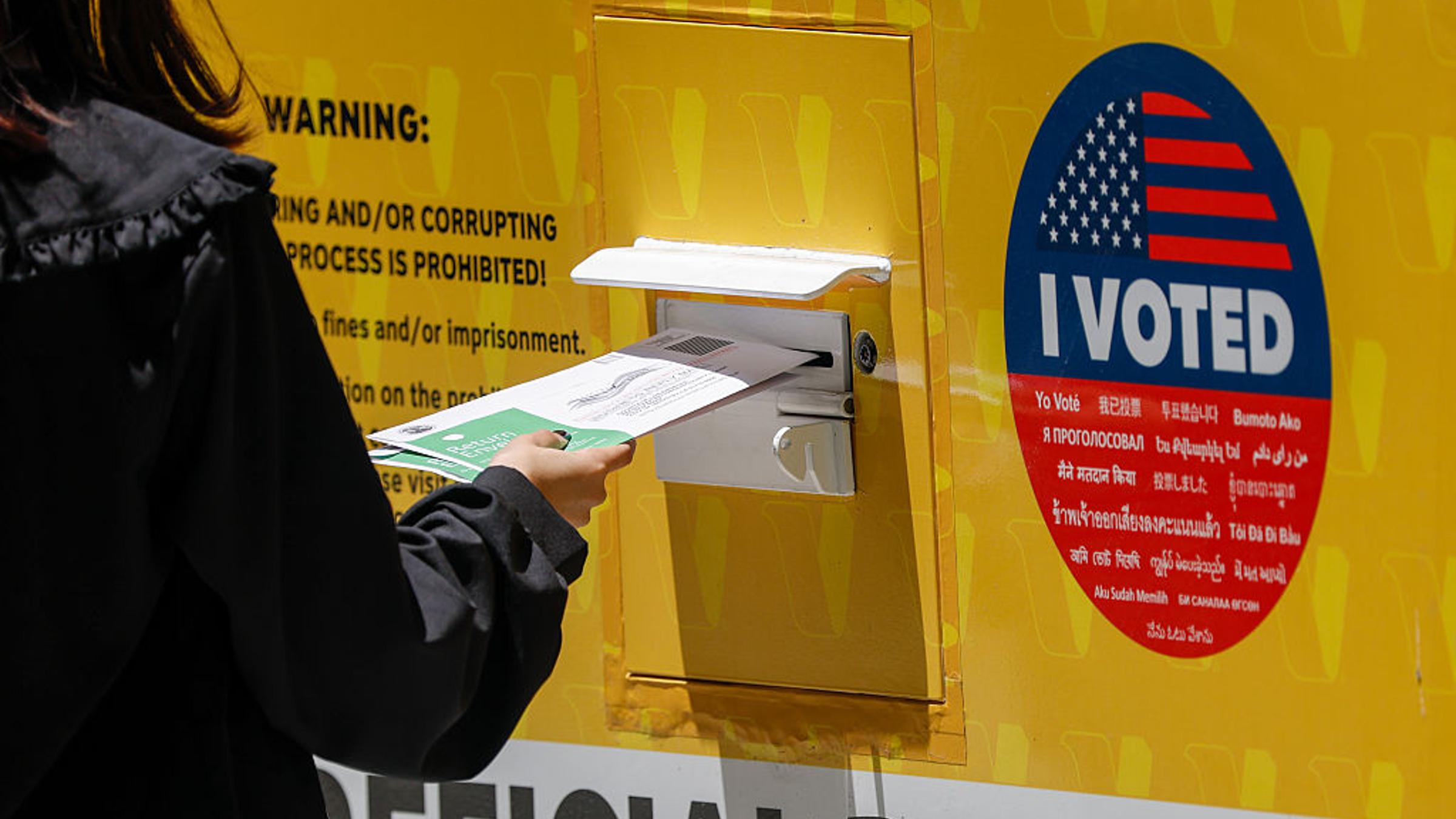
Californians are voting on Tuesday in the state’s primary election. But there could be a wait before all the results are in.The outcome of the primary in the race for Gov. Gavin Newsom’s successor in particular is the subject of widespread anticipation, with two candidates set to advance after months of tumult and uncertainty. After former Vice President Kamala Harris, who many expected to launch a bid for Newsom’s seat, announced that she wasn’t going to run, it seemed as though then-Rep. Eric Swalwell was the leading candidate in the crowded field of Democrats vying for the governor’s office. But with less than two months until the day of the primary, Swalwell ended his campaign following several reported allegations of sexual misconduct, which he denied. Swalwell’s exit sparked questions about which Democrat would emerge as the frontrunner in the race. Recent polling shows that Tom Steyer, a billionaire philanthropist who unsuccessfully ran for the White House in the 2020 election, and Xavier Becerra, the Biden-era Health and Human Services Secretary, are the leading Democratic contenders, and that Trump-backed Republican candidate Steve Hilton is another top candidate in the primary contest.California has what’s often called a “jungle primary,” or a “top-two primary” system, meaning that the two candidates who earn the highest number of votes move on to the general election in November—regardless of their party affiliation. That system has been a source of concern for Democrats in the dramatic gubernatorial race, as some have worried that the party could be locked out of the November election if the vote were to be split among the more numerous Democratic candidates. But California political experts told TIME that this outcome looks unlikely to occur in the blue state.Even as voters were headed to the polls on Tuesday, it remained unclear which of the three leading contenders could snag the coveted top two spots in the gubernatorial primary and move on to the general election—or even if another candidate might emerge from the field in a surprise outcome. And because California is known for being slow to count its ballots, voters might not get that answer on Tuesday night. In the 2024 election, control of the House wasn’t determined until about a week after Election Day, in large part because California was still tallying votes. The state finished counting ballots about a month after Election Day.Experts have attributed California’s notoriously long vote counting process in part to the popularity of mail-in voting in the state, as well as some of the efforts the state has made to facilitate access to voting. Every person who is registered to vote in California receives a mail-in ballot. If the ballot is postmarked by Election Day and reaches a county elections office within a week of Election Day, it will be counted. So if elections officials receive a mail-in ballot on or after Election Day, they have to do the work of processing and certifying the ballot later, which can in turn lead to a slower vote count.In the weeks leading up to the day of the primary election, some Democrats also suggested that they may hold off on sending in their ballots so they could see the results of last-minute polls and vote for the candidate in their party who was generating the most support right before or on Tuesday. Some experts told CalMatters that this method could flood elections officials with ballots on Election Day, potentially leading to delays in tallying up results.Last month, Newsom sent a letter to elections officials urging them to “do all that we can to tabulate votes quickly and accurately.”“We must acknowledge that the longer the voting count takes, the more mis- and disinformation spreads,” he said. “Time is of the essence in preventing election lies from taking hold.”
Why the Results of the California Primary Might Not Come in on Election Night
Californians are voting on Tuesday in the state’s primary election. But there could be a wait before all the results are in.
629 words~3 min read