By
June 2, 2026 / 2:12 PM EDT
/ CBS News
Add CBS News on Google
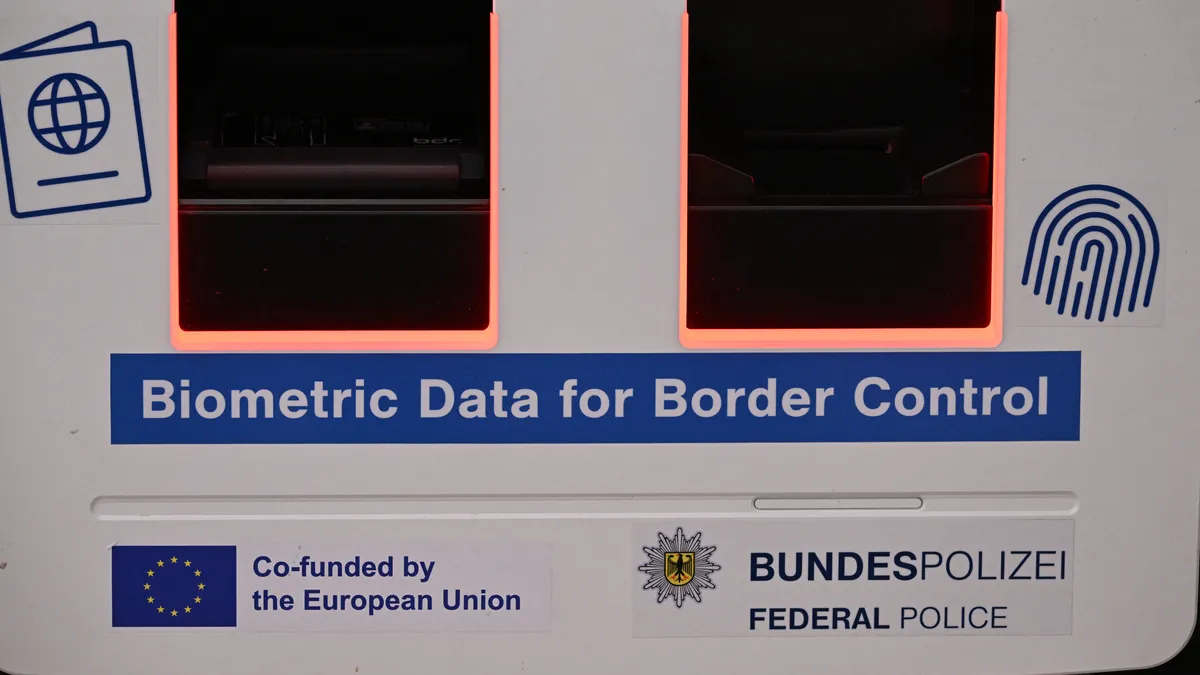
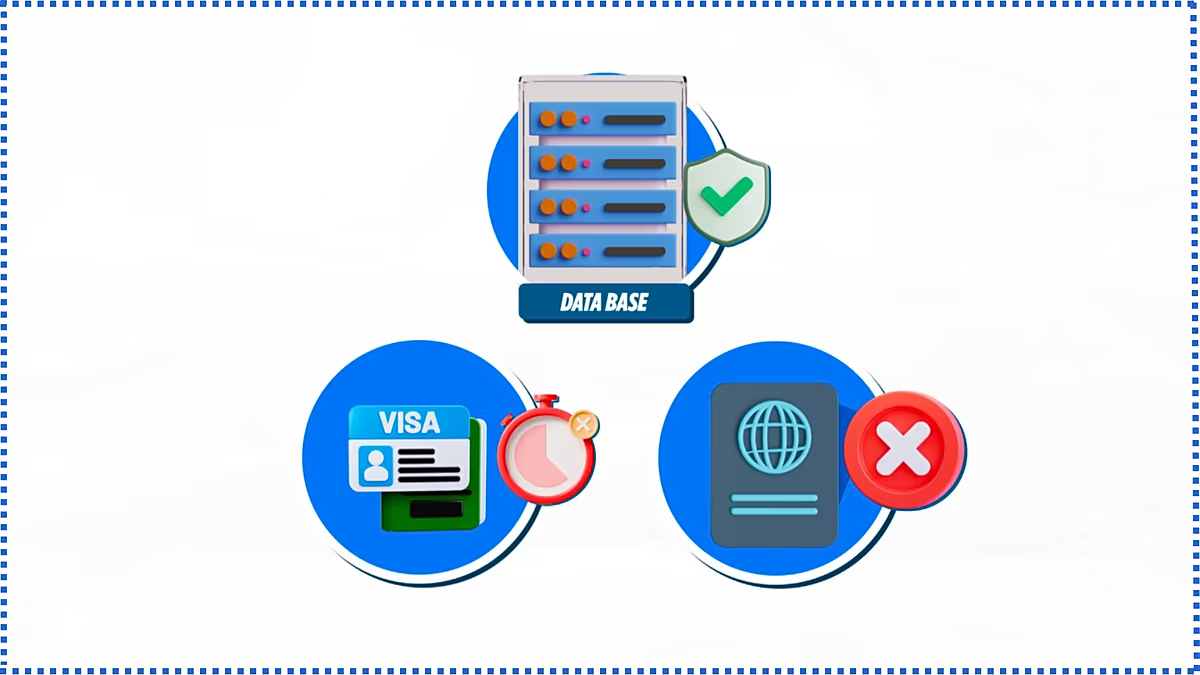
Gearing up for a trip to Europe this summer? Experts say to be prepared for potential disruptions as countries iron out wrinkles of the European Union's so-called Entry/Exit System, a new border management process that requires travelers to submit biometric data when they arrive in certain locations."The goal is for people to be able to move through immigration without needing to stop and have their passport stamped," Julian Kheel, CEO and founder of Points Path, a flight awards search engine, told CBS News. "Once the bugs are shaken out, I do think we'll end up with a faster process, but it could be a while before we get there."Here's what to expect if you're traveling to Europe soon. What is the European Union's new Entry/Exit System?The EU's Entry/Exit System (EES), which became fully operational in April, replaces passport stamps and aims to speed up border processing for travelers. The system requires Americans and other non-EU nationals to submit biometric data, including fingerprints and a facial scan, as well as passport details, upon arrival in certain countries overseas. That information is used to verify travelers' identity and track their entry and exit at border checkpoints — for example, when they leave the country to return to the U.S. or cross into other participating countries. Twenty-nine countries use the Entry/Exit System, mostly in the EU, except for Iceland, Liechtenstein, Norway and Switzerland. All participating nations are part of the Schengen Area, a group of countries that allows people in the zone to travel across borders freely without undergoing customs checks (Cyprus and Ireland are the only EU members that are not part of the Schengen Area)."The new system does not change your entry requirements as far as visas or how long you can stay in the Schengen Area. None of those rules has changed," Kheel explained. "This is simply recording your entry and exit in and out of the area."