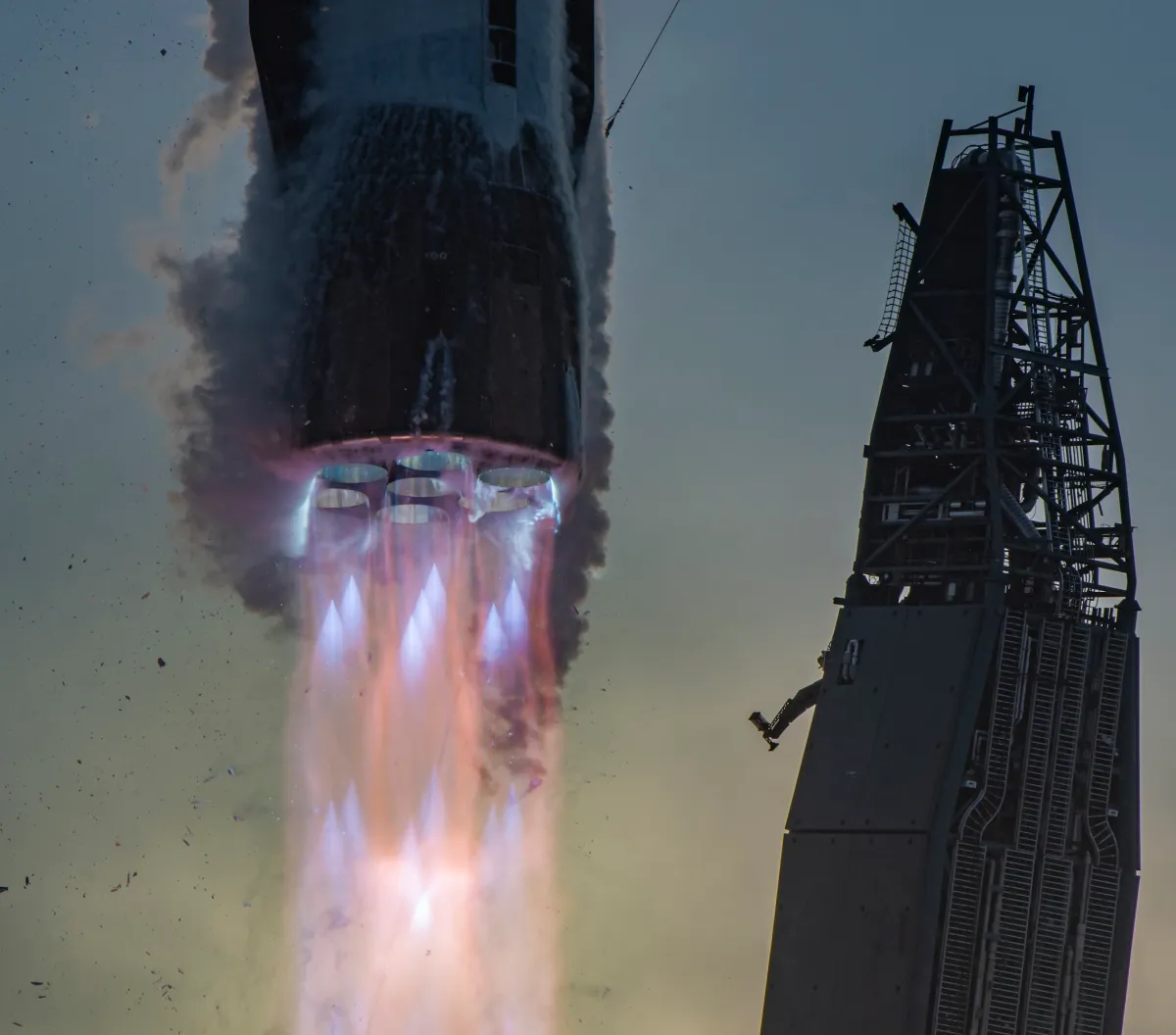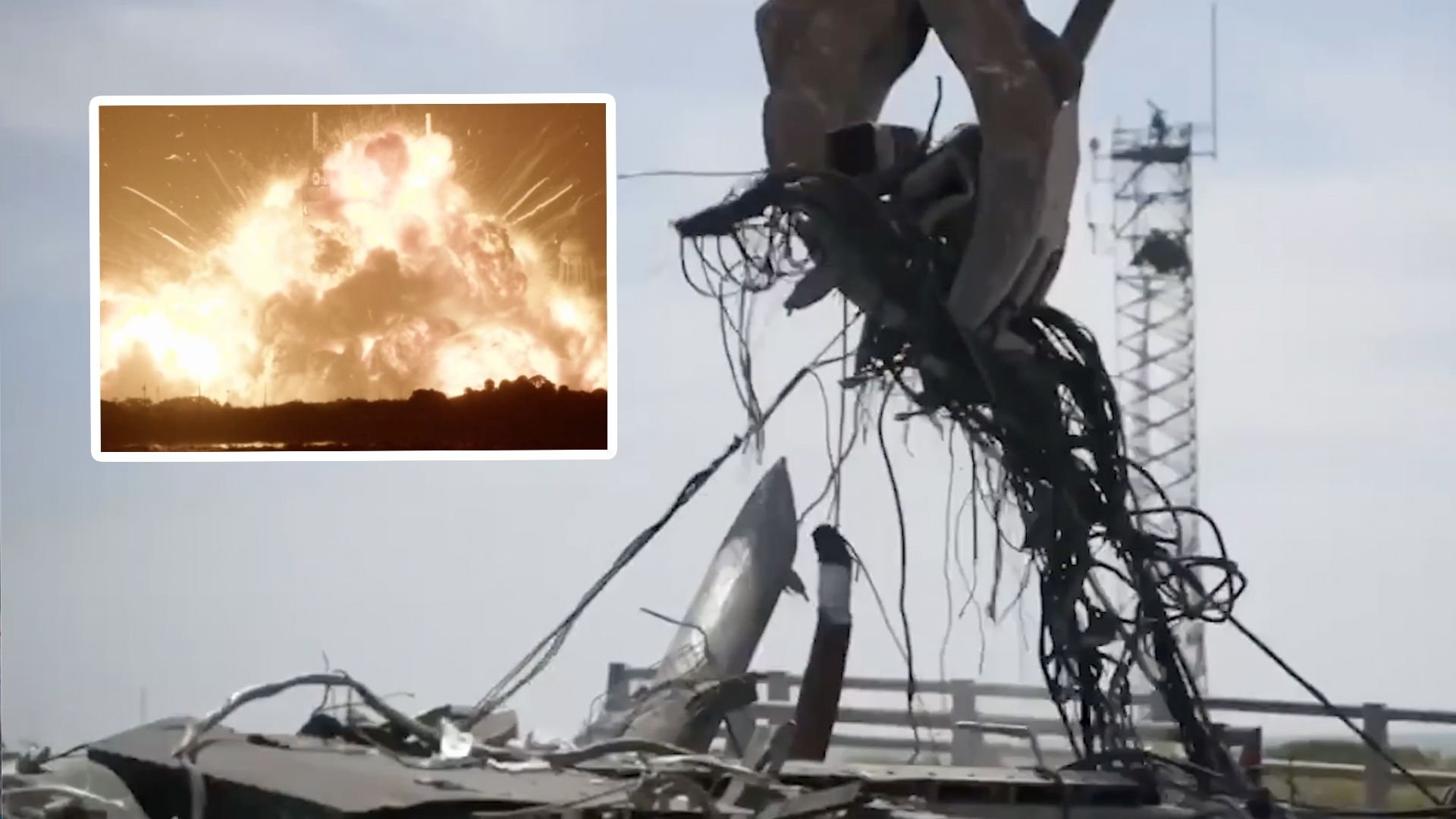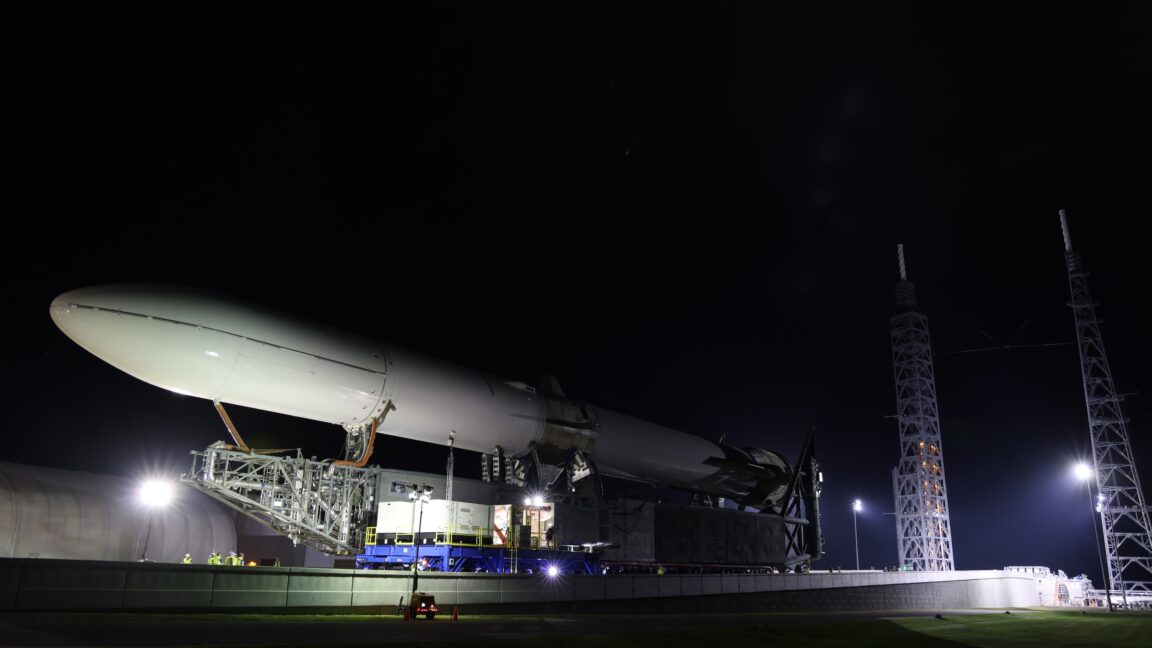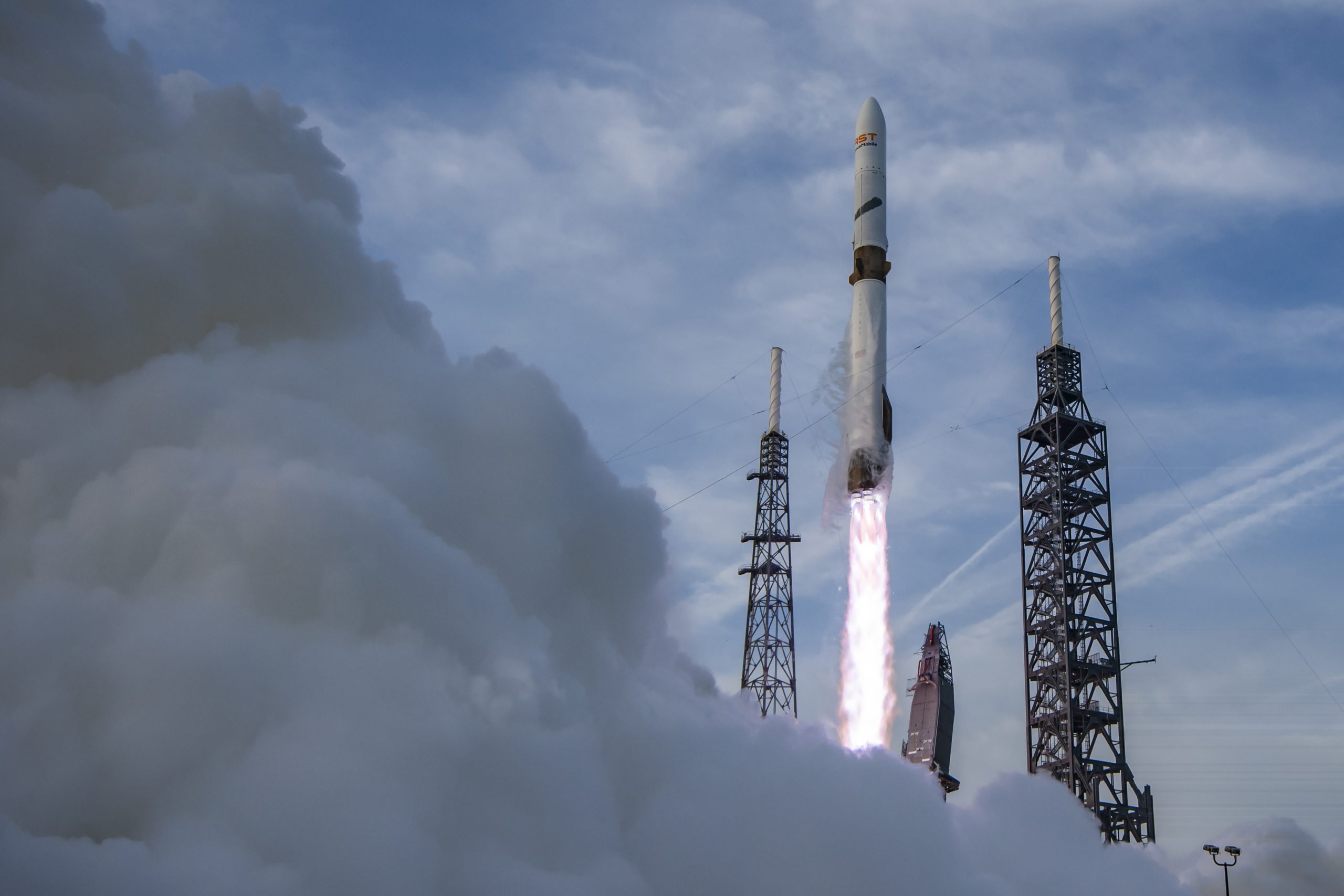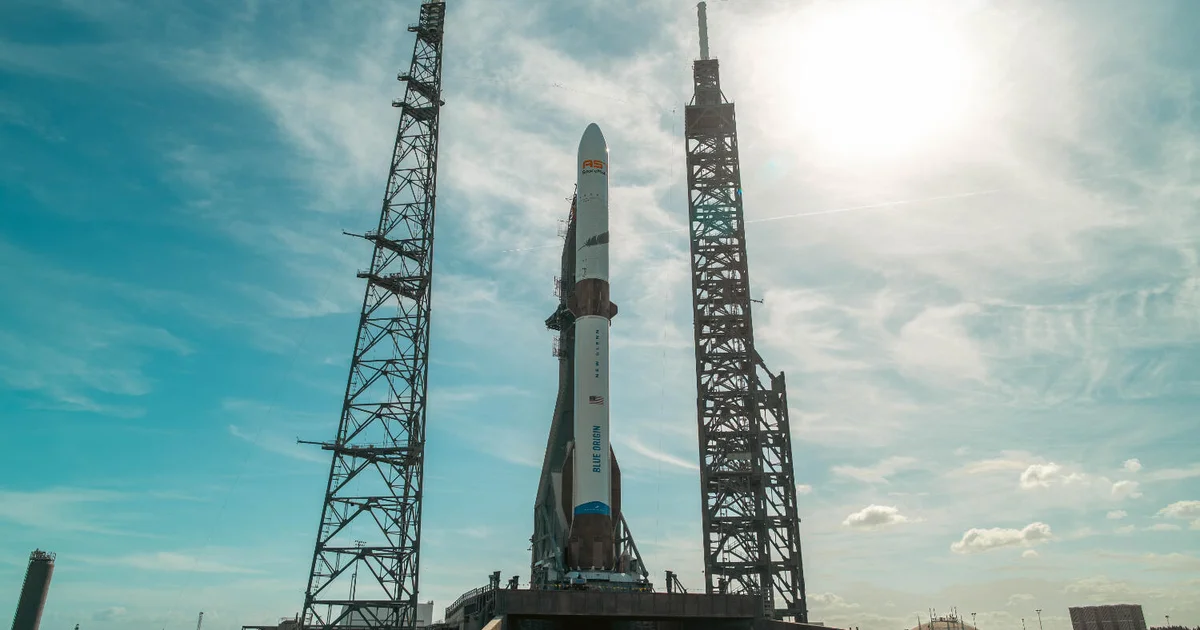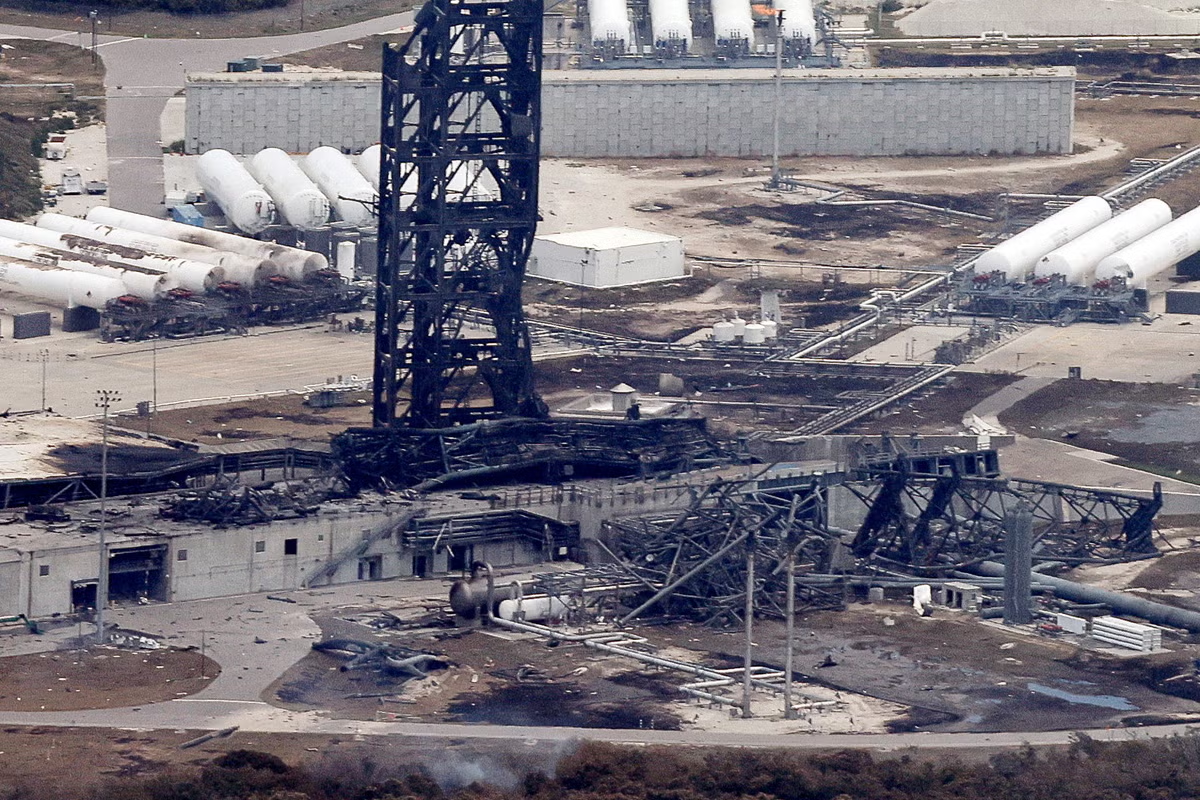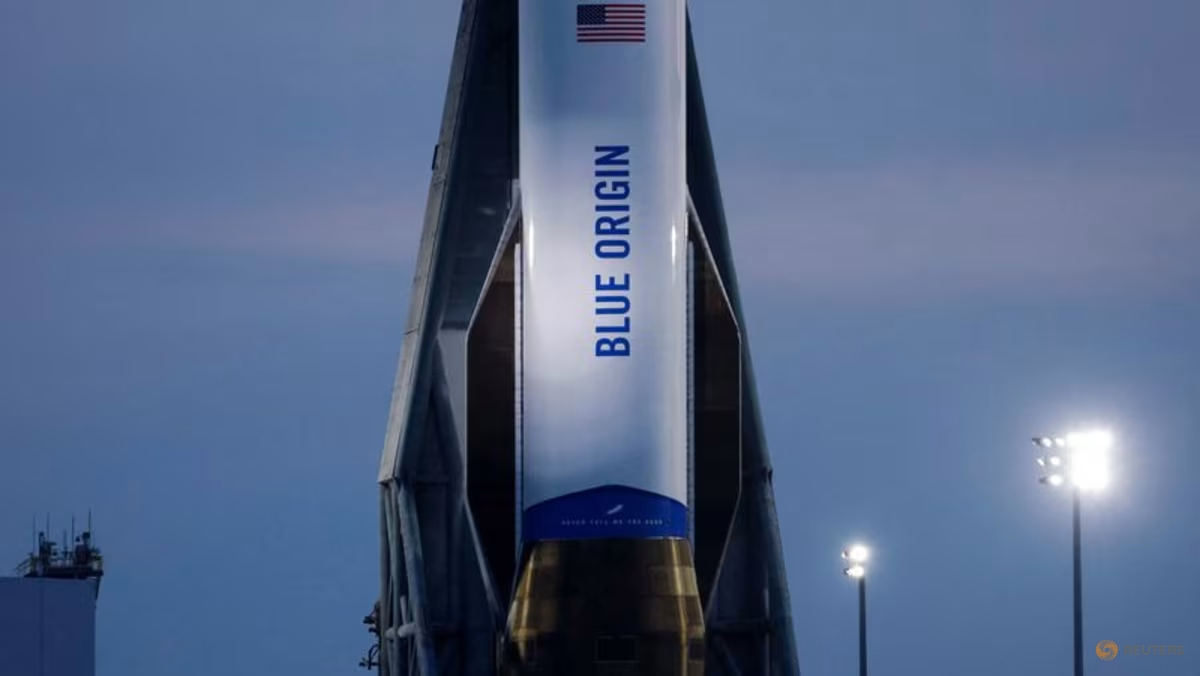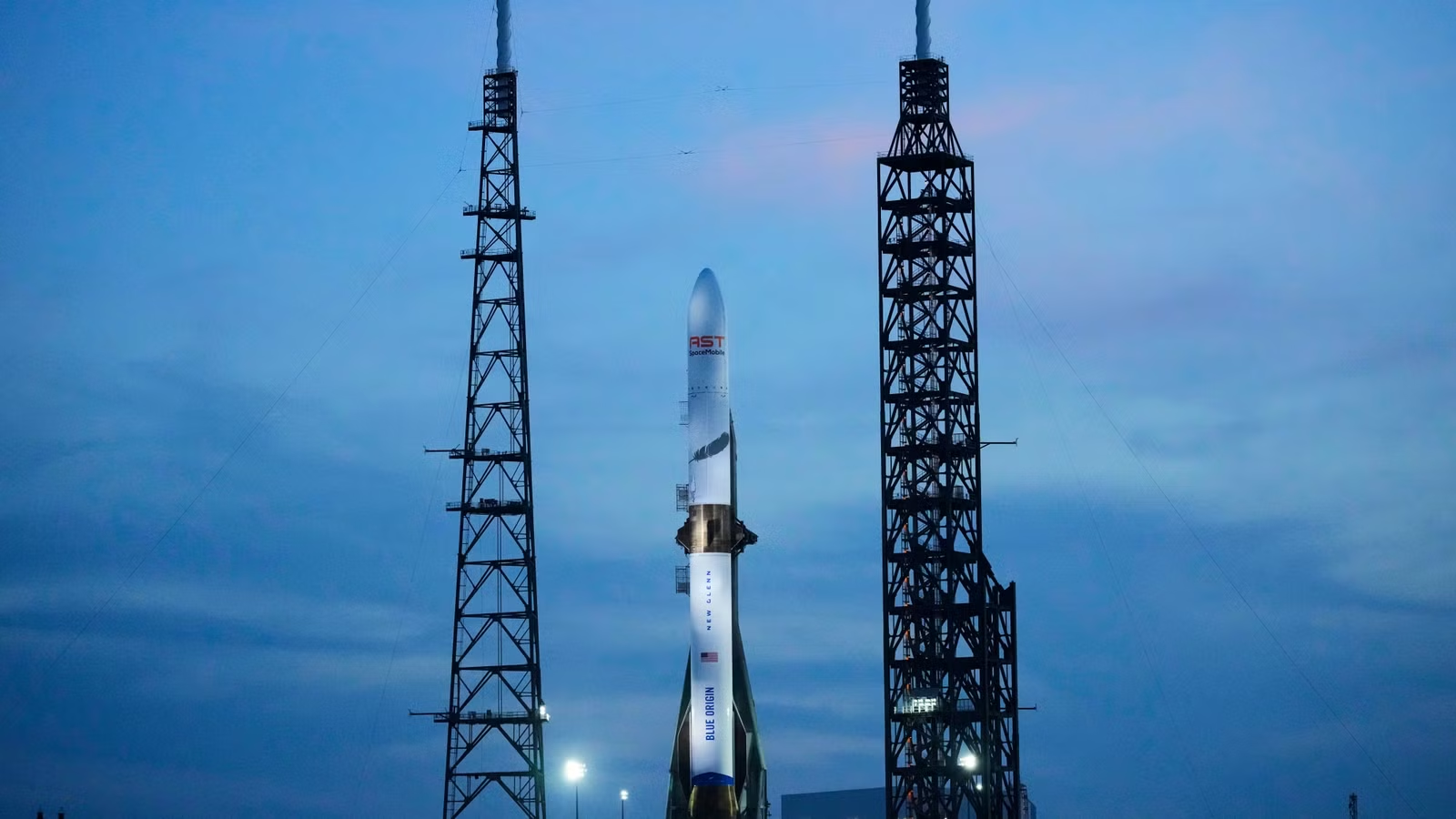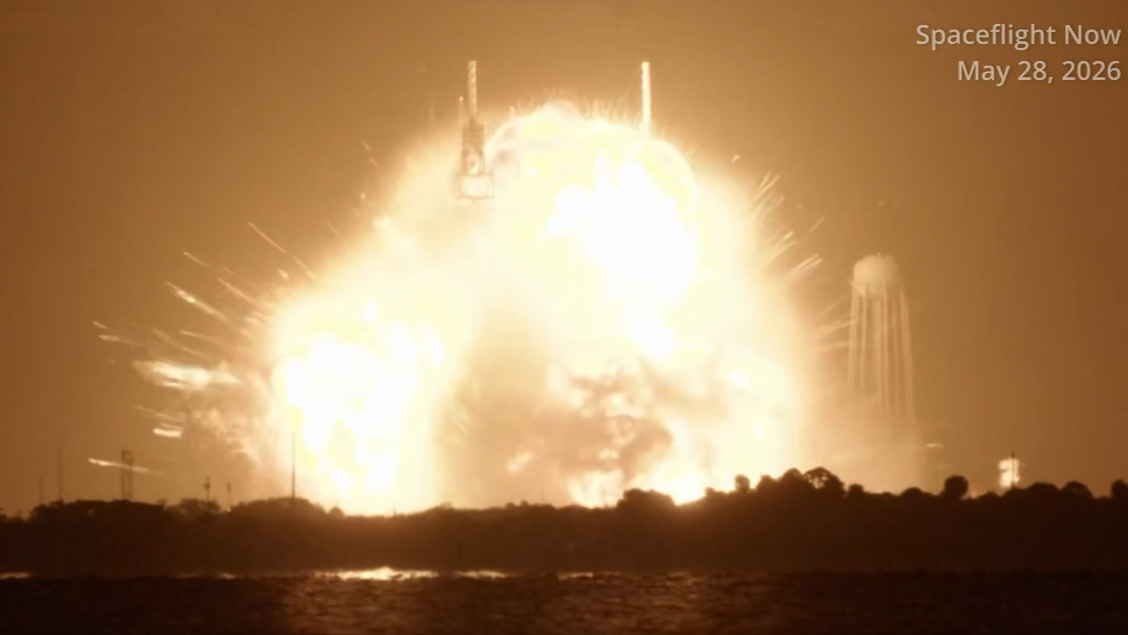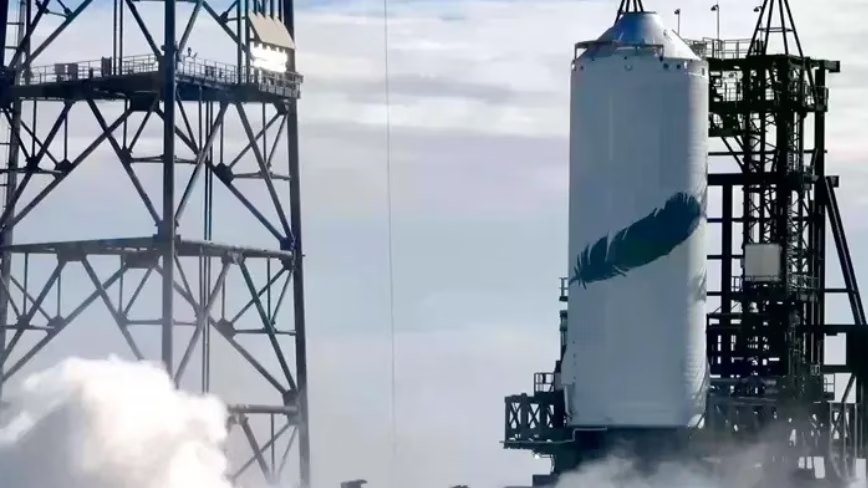
Blue Origin has disclosed that last week’s New Glenn rocket explosion at Cape Canaveral spared the launch pad’s fuel tanks and several other critical components, offering the company a faster path back to flight than the initial images of the blast suggested. CEO Dave Limp said the methane, hydrogen, and oxygen tanks “look to be in good shape,” the water tank is undamaged, and the support tower still standing can be repaired in place. A booster and other rocket hardware stored nearby also survived.
“We will fly again before the end of this year,” Limp said in a post on X, calling the assessment “a bit of good news.” The explosion, which occurred during an engine-firing test of New Glenn’s seven BE-4 first-stage engines, destroyed the lightning tower and the transporter-erector used to move and hoist the rocket, and sent shock waves across the state. The cause remains under investigation.
NASA’s Artemis problem
The timeline matters because NASA is depending on New Glenn. Just two days before the accident, the space agency awarded Blue Origin a contract worth hundreds of millions of dollars to use New Glenn rockets to launch a pair of lunar rovers ahead of the first Artemis moonwalkers. New Glenn is also required to launch Blue Origin’s Blue Moon lander, the vehicle that will deliver astronauts to the lunar surface for the first crewed moon landing since Apollo 17 in 1972.