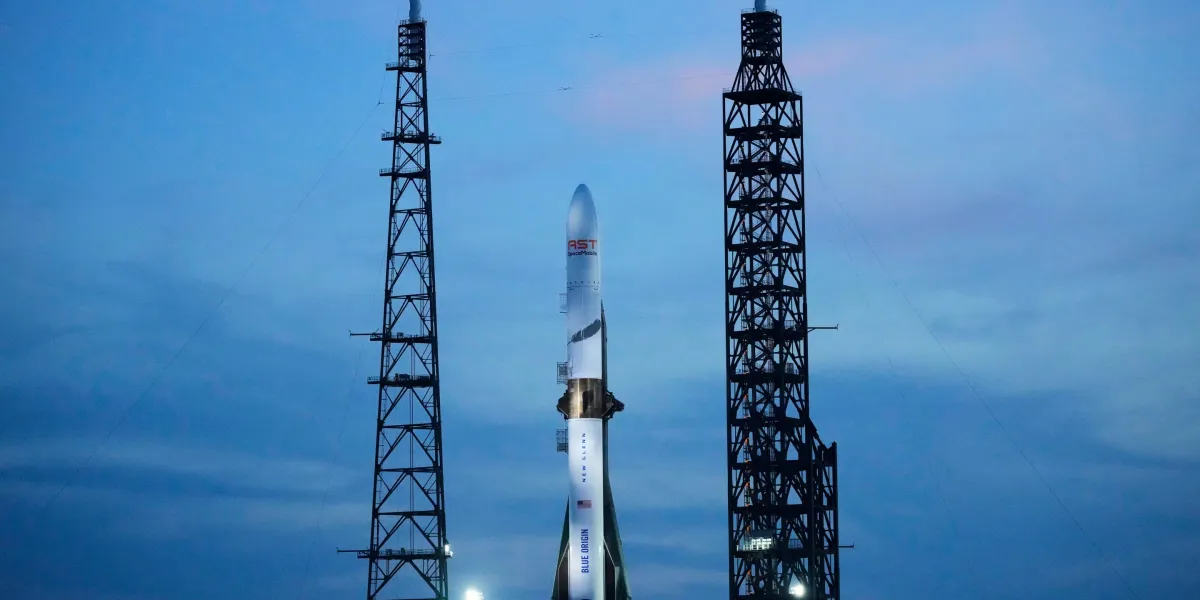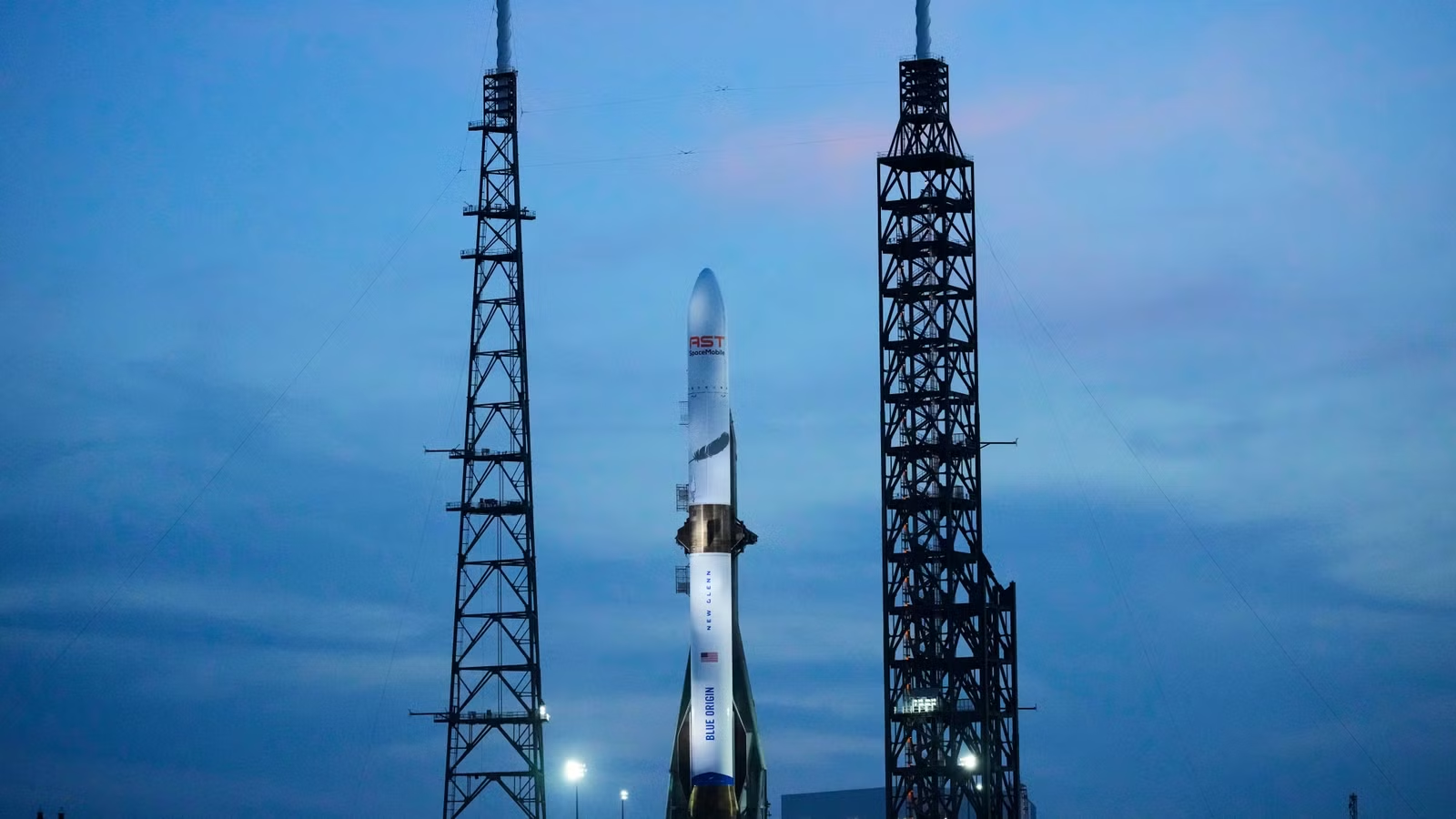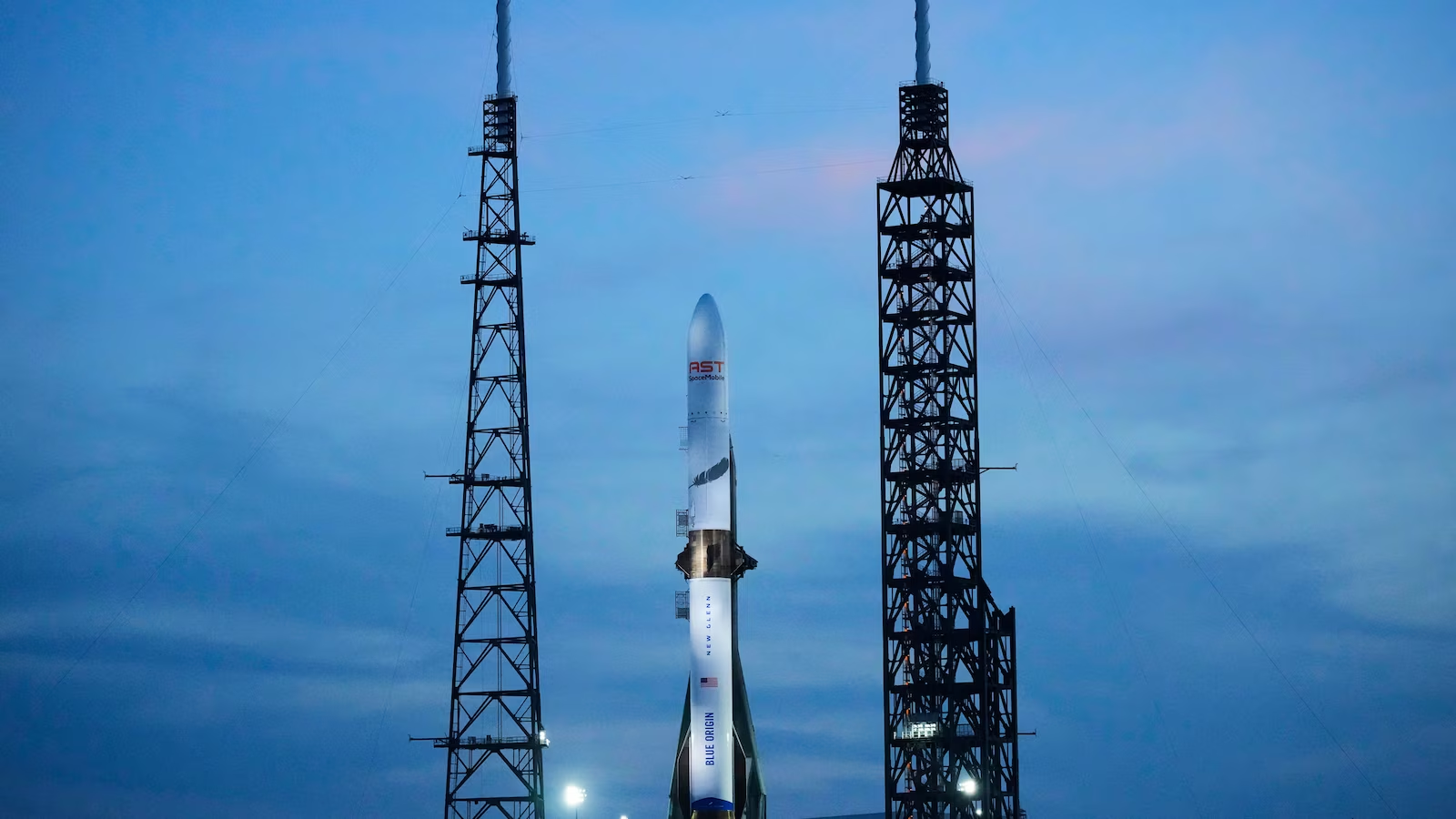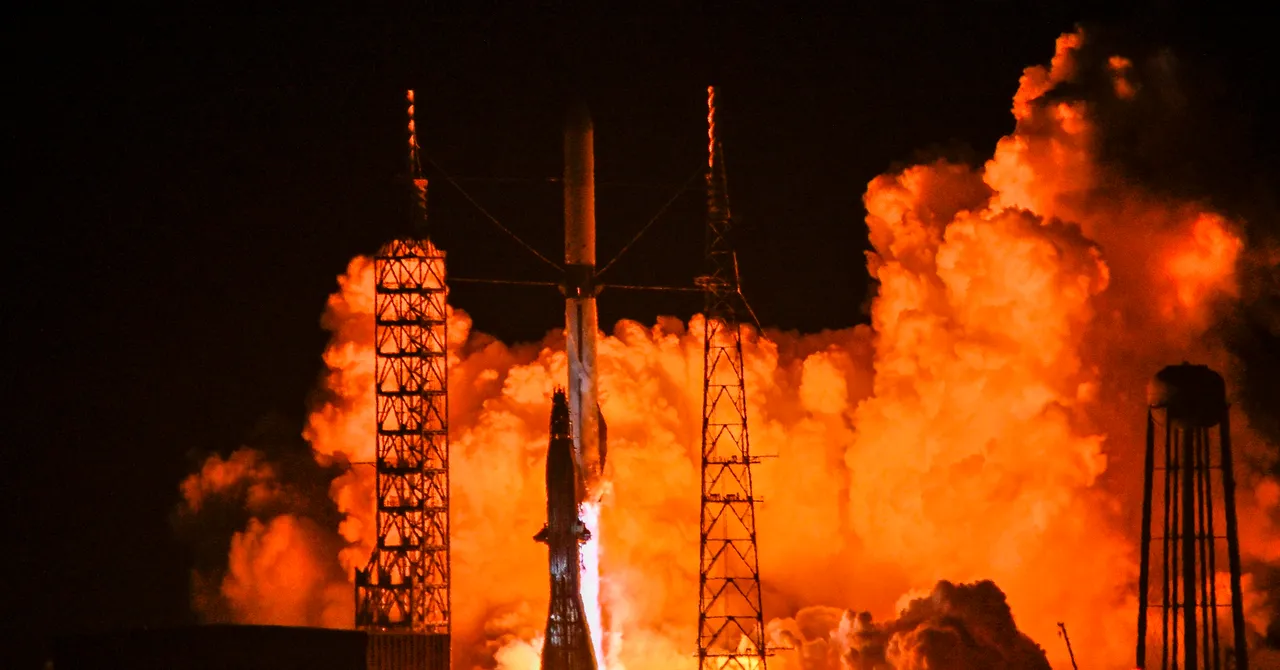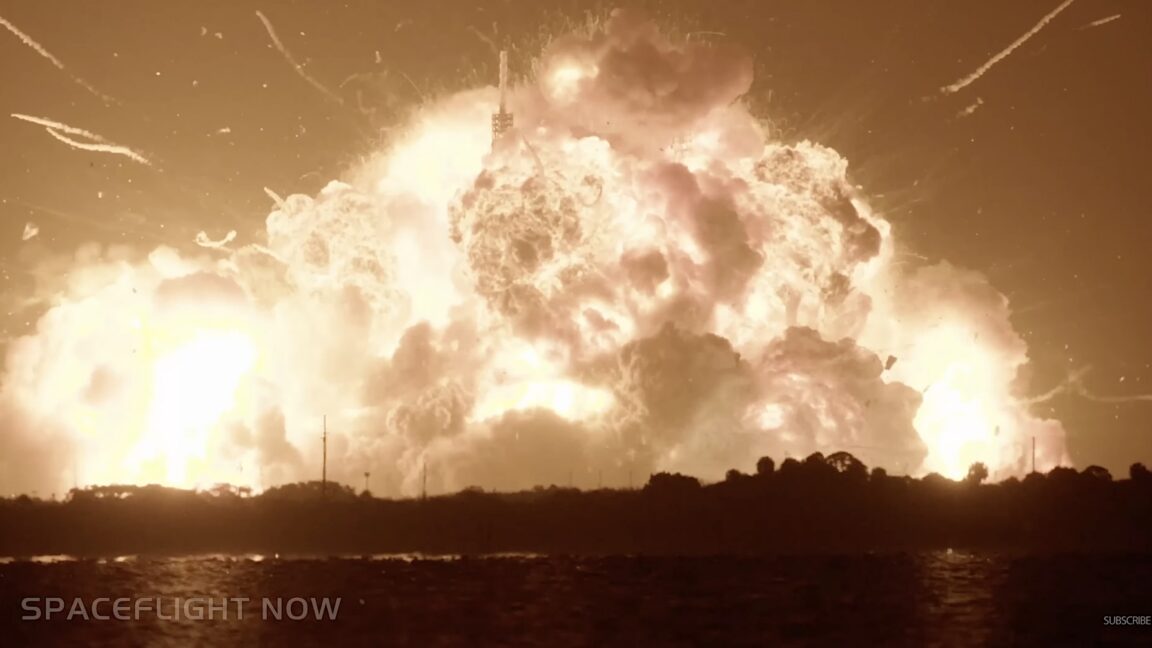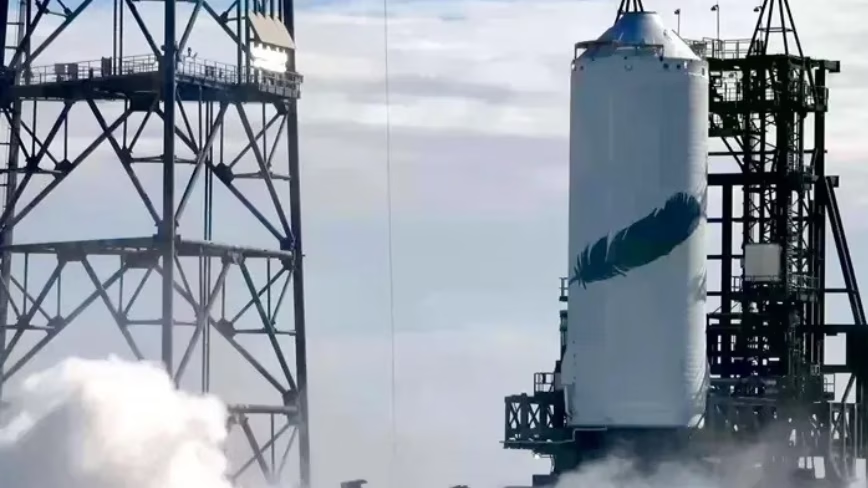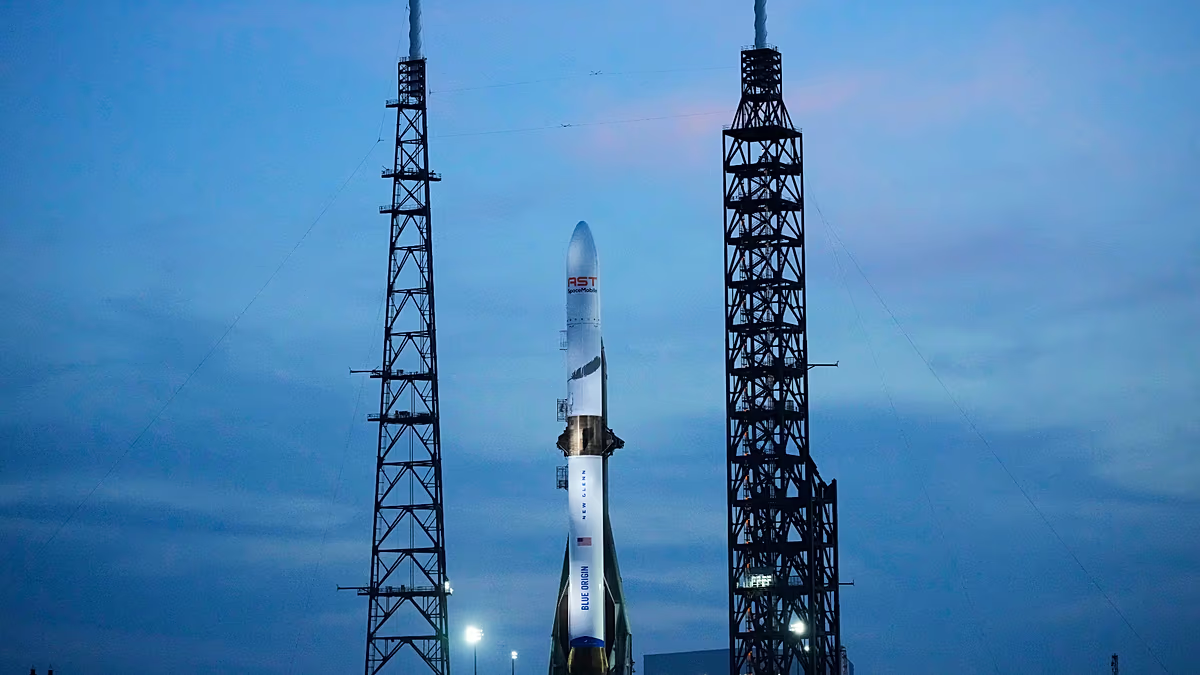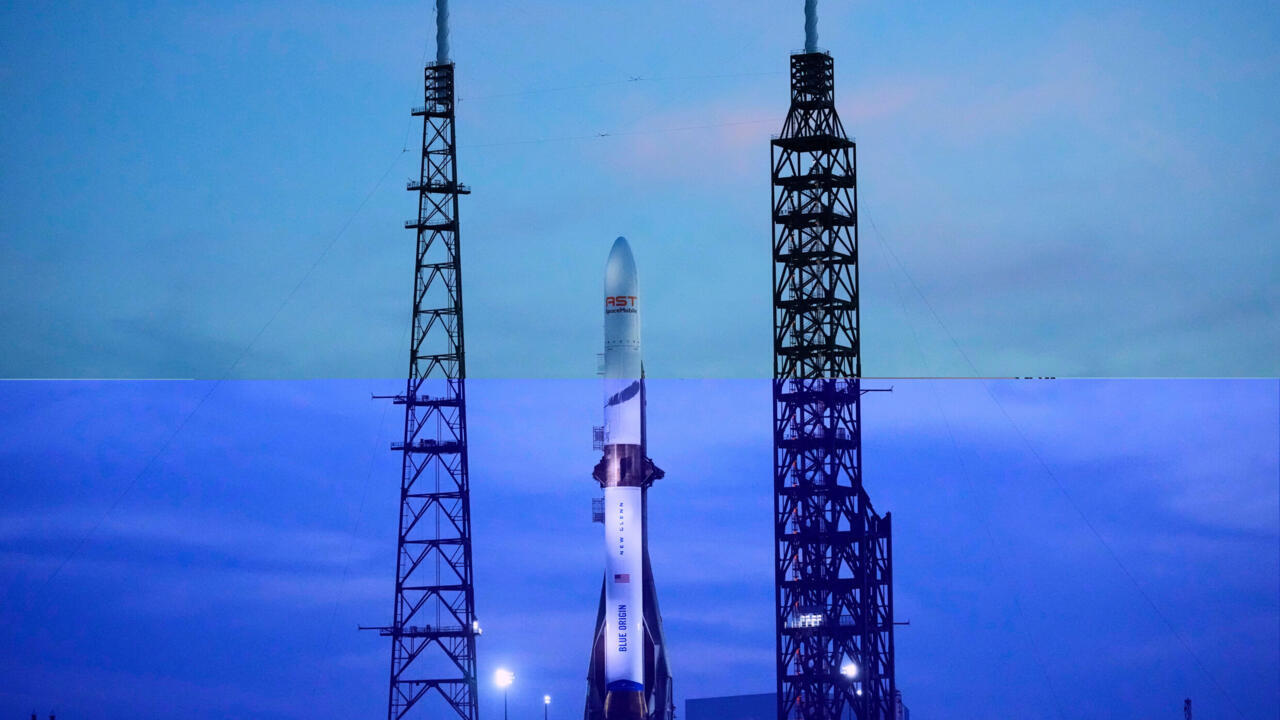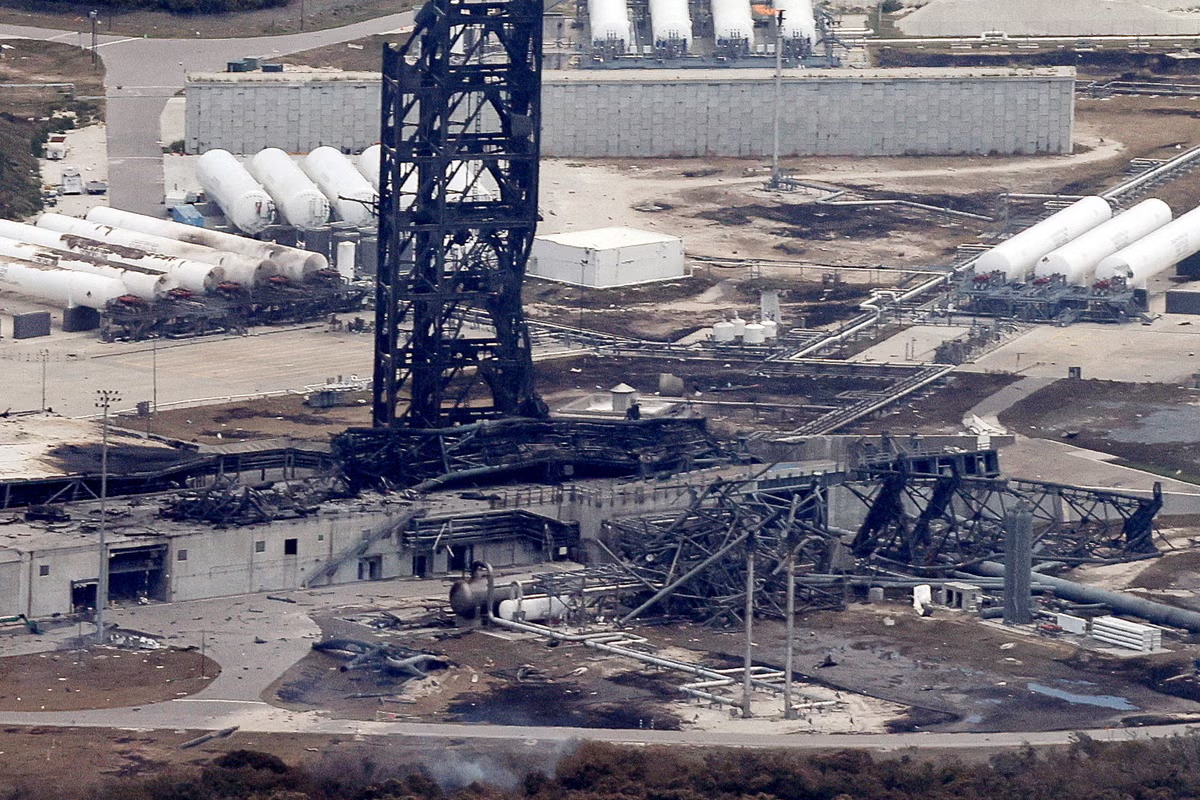
Blue Origin says critical fuel tanks and other vital components of its massive New Glenn rocket and launch pad were spared during last week’s explosion at Cape Canaveral Space Force Station. The incident, which saw the rocket blow up during an engine-firing test, sent shockwaves across the state but left key infrastructure intact, offering a "bit of good news" for the company and NASA's ambitious Artemis moon program.The explosion destroyed a lightning tower and the transporter-erector used to move and hoist the rocket, sending shock waves across the state. However, CEO Dave Limp said that the methane, hydrogen, and oxygen tanks, along with the water tank, appear to be in good condition. The support tower remains standing and can be repaired. A booster and other rocket parts housed nearby also escaped damage.Overall, this was "a bit of good news," Limp wrote in an X update, adding: "We will fly again before the end of this year." The cause is still under investigation.A Blue Origin New Glenn rocket explodes during an engine-firing test on Thursday, May 28, 2026, in Cape Canaveral (AP)Jeff Bezos, owner of Blue Origin, said right after the explosion, “Very rough day, but we’ll rebuild whatever needs rebuilding and get back to flying. It’s worth it.”The New Glenn rocket is pivotal for NASA's Artemis program, which aims for the first human moon landing since Apollo 17 in 1972, potentially as early as 2028. Just two days prior to the accident, NASA awarded Blue Origin a contract worth hundreds of millions of dollars, choosing New Glenn rockets to launch a pair of rovers to the moon ahead of the arrival of the first Artemis moonwalkers. New Glenn is also needed to launch the company's Blue Moon lander, used to get astronauts to the lunar surface.NASA Administrator Jared Isaacman said the space agency would "do all we can" to get the pad back in action as soon as possible "while staying extremely focused on progressing the lander." Blue Origin’s New Glenn reusable rockets — named after John Glenn, the first American in orbit — have only launched three times. It’s not nearly as big as SpaceX’s Starship, making test flights to the fringes of space from Texas. NASA has ordered up Starships, in addition to Blue Moon landers, to get Artemis astronauts to the lunar surface in the years ahead.
Blue Origin shares ‘a bit of good news’ after massive rocket explosion
Key infrastructure remains intact after the major mishap
390 words~2 min read