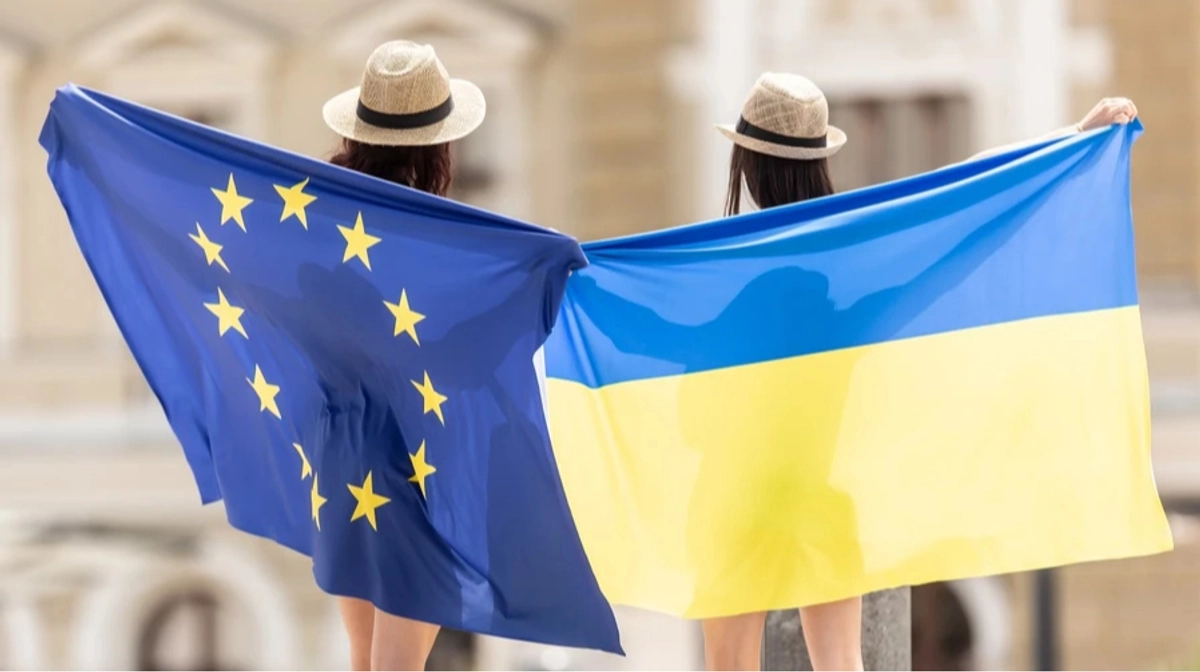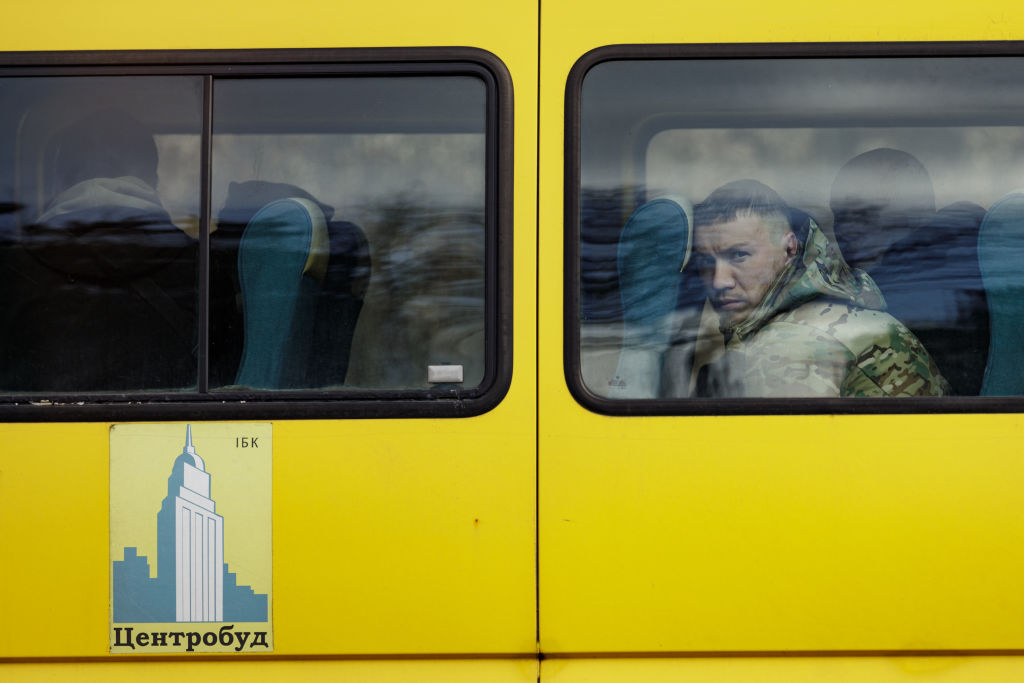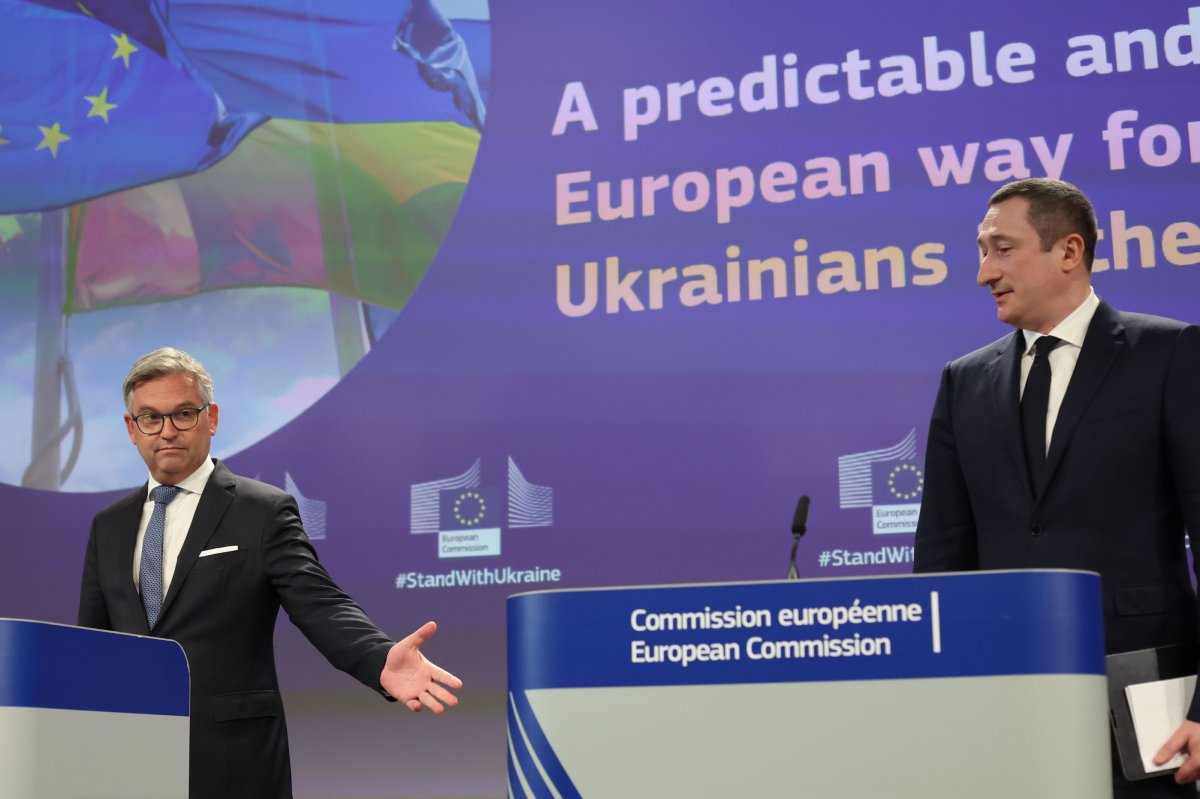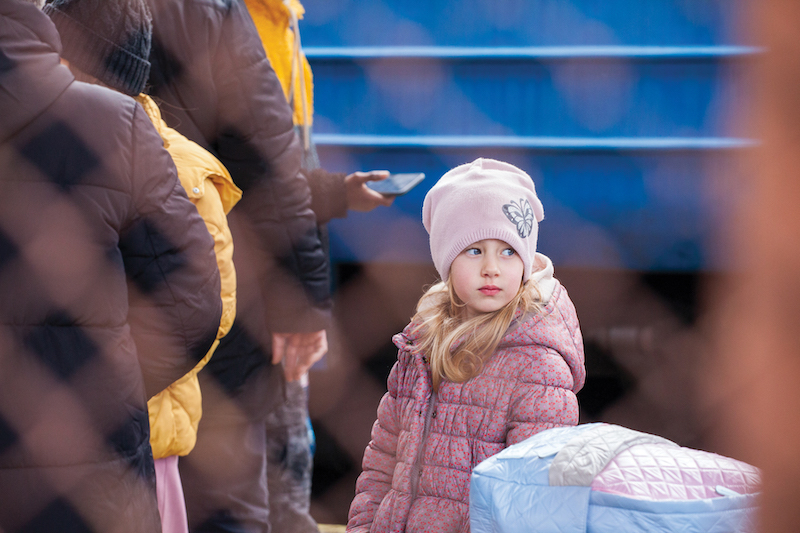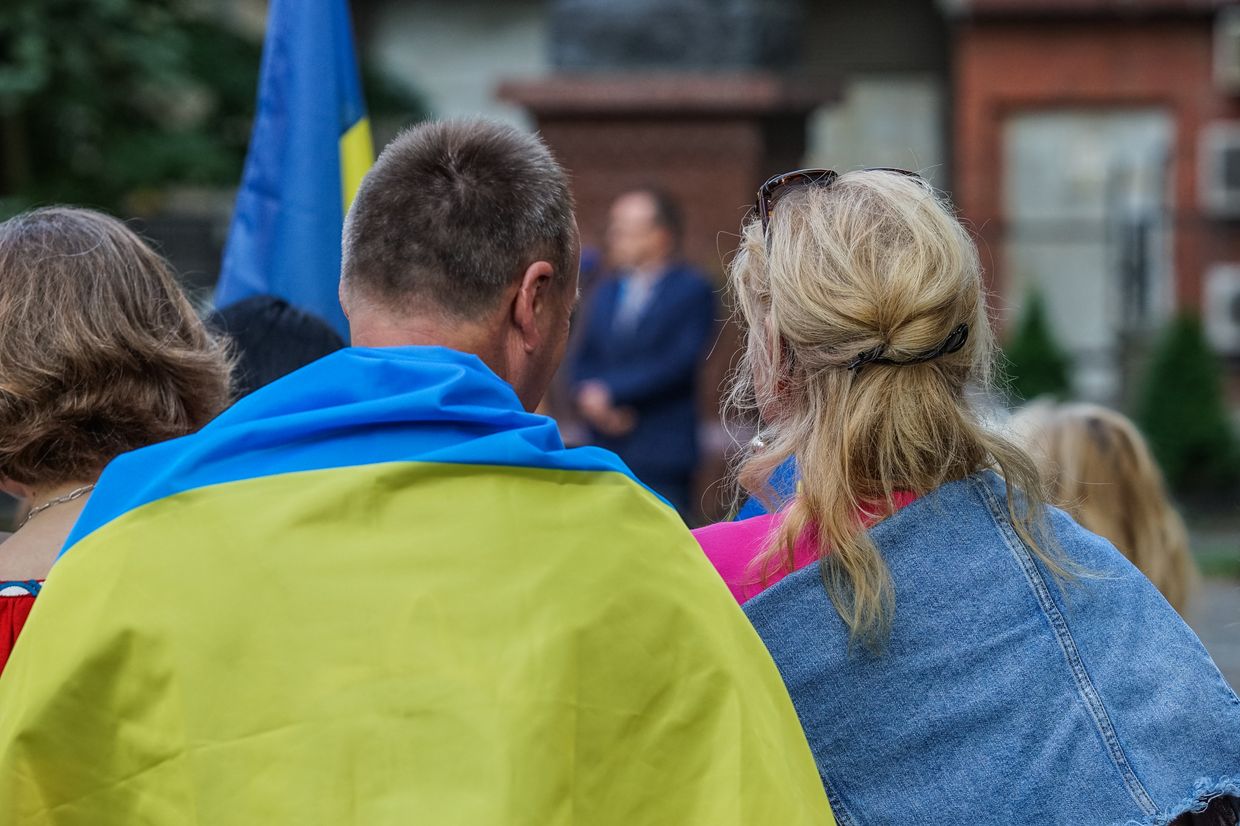
EU ministers are meeting on June 4 to discuss renewing Ukrainian refugee protections for a sixth time, but the renewal is accompanied by thorny questions over eligibility and how protections should work in the longer term.It also raises the issue of whether and when more than 4 million Ukrainian refugees staying in the EU should return to their homeland.The temporary protection measures in place, which must be renewed annually, leave Ukrainian refugees without long-term legal certainty. But many Ukrainian citizens have nevertheless laid down roots in their new homes, increasing the risk that Ukraine's 10% population loss could be permanent."Without recovering our human capital, it will be difficult to achieve this goal of Ukraine in the EU," said Oksana Diakun, Ukraine's deputy head of mission to the EU, at an event organized by the Eastern Partnership Civil Society Forum in Brussels, attended by the Kyiv Independent.That is why the EU's aim "is to create conditions in Ukraine for the populations to come back and contribute to the recovery, stability, and the future European Ukraine that I hope will happen very soon," said Marta Wytrykowska from the EU's diplomatic arm, the External Action Service, at the same event.However, it is not clear that Ukrainian refugees necessarily want to return. Less than half (43%) plan to do so, according to a January survey commissioned by the Center for Economic Strategy think tank.But they may soon have less choice in the matter. Several countries intend to tighten the temporary protection rules, which are now also up for debate at the EU level.Potential restrictions include distinguishing some regions of Ukraine as more dangerous and therefore eligible for protection than others, and potentially excluding men of military age — an idea reportedly supported by Poland, a country hosting the second-largest number of Ukrainian refugees.A senior EU official, ahead of the June 4 ministers' meeting, said that while the future legal status of Ukrainian displaced persons will be discussed over lunch, "we don't expect any decisions being taken."For that, Ukrainian refugees will have to wait until at least July. The fact that refugees are forced to wait every year led the Council of Europe's Human Rights Commissioner, Michael O'Flaherty, to criticize the current situation."Long-term solutions are needed to allow Ukrainians to plan their futures. Millions live in uncertainty, which exacerbates trauma," said O'Flaherty.A long-term perspective was also advocated for at the Eastern Partnership Civil Society Forum event.Marcin Walecki from the European Endowment for Democracy said that the number of scholarships offered to Ukrainian citizens to attend top universities, and the new skills they gain from working in the European market, should also make people think of a "brain gain" for Ukraine in the long term."We could argue that Ukrainians have already made it to the EU. They're just waiting for Ukraine to eventually join them there," he added. Editor's note: Got an opinion on anything you've read in the Kyiv Independent so far? Send it to letters@kyivindependent.com, and it may appear in our Letters section.
EU weighs future of Ukrainian refugees as some member states harden their stance
The EU is set to discuss extending Ukrainian refugee protections for a sixth time, amid thorny questions over whether and when more than 4 million refugees in Europe will return home.
499 words~2 min read