European Union's Commissioner for Migration Magnus Brunner. File
| Photo Credit: Reuters
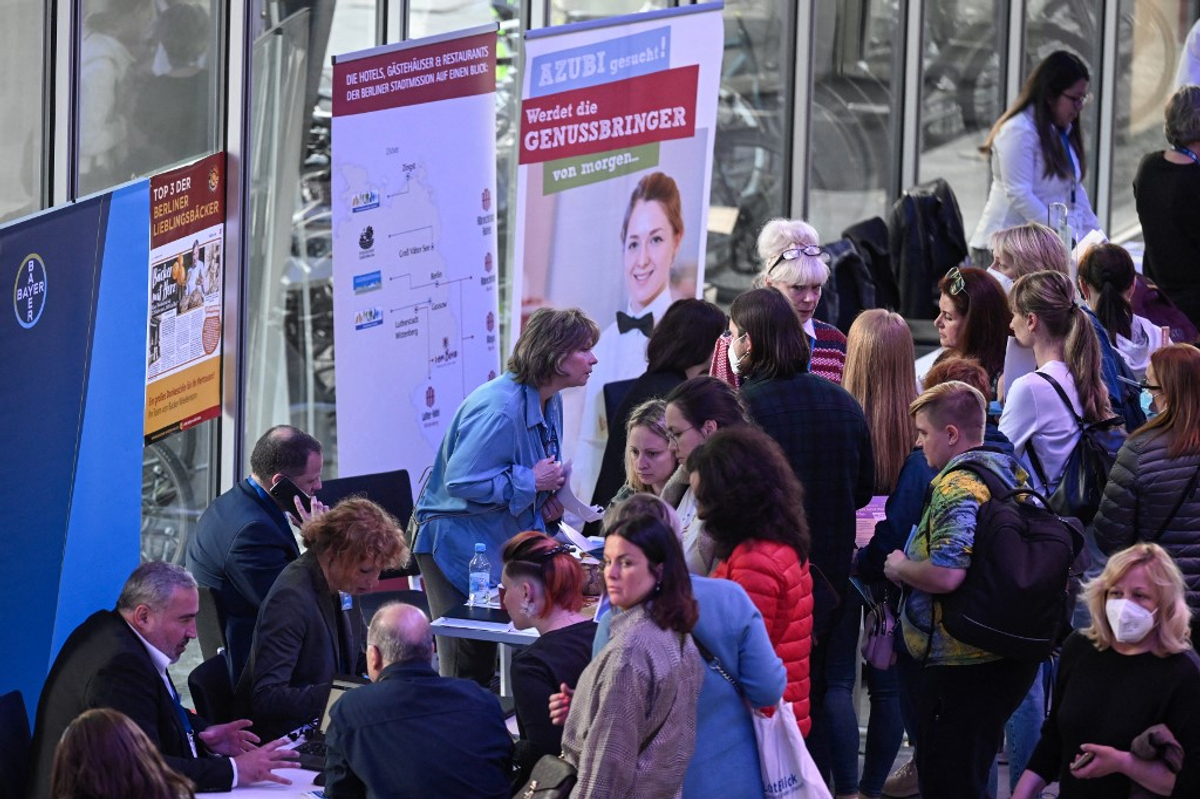
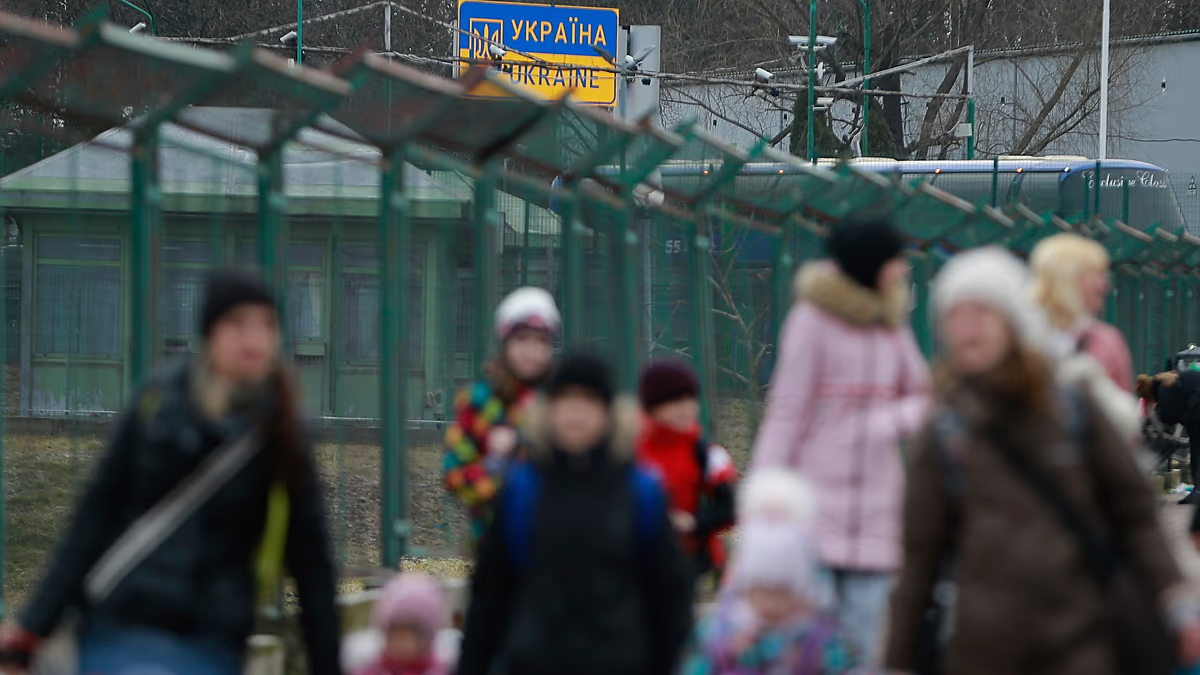
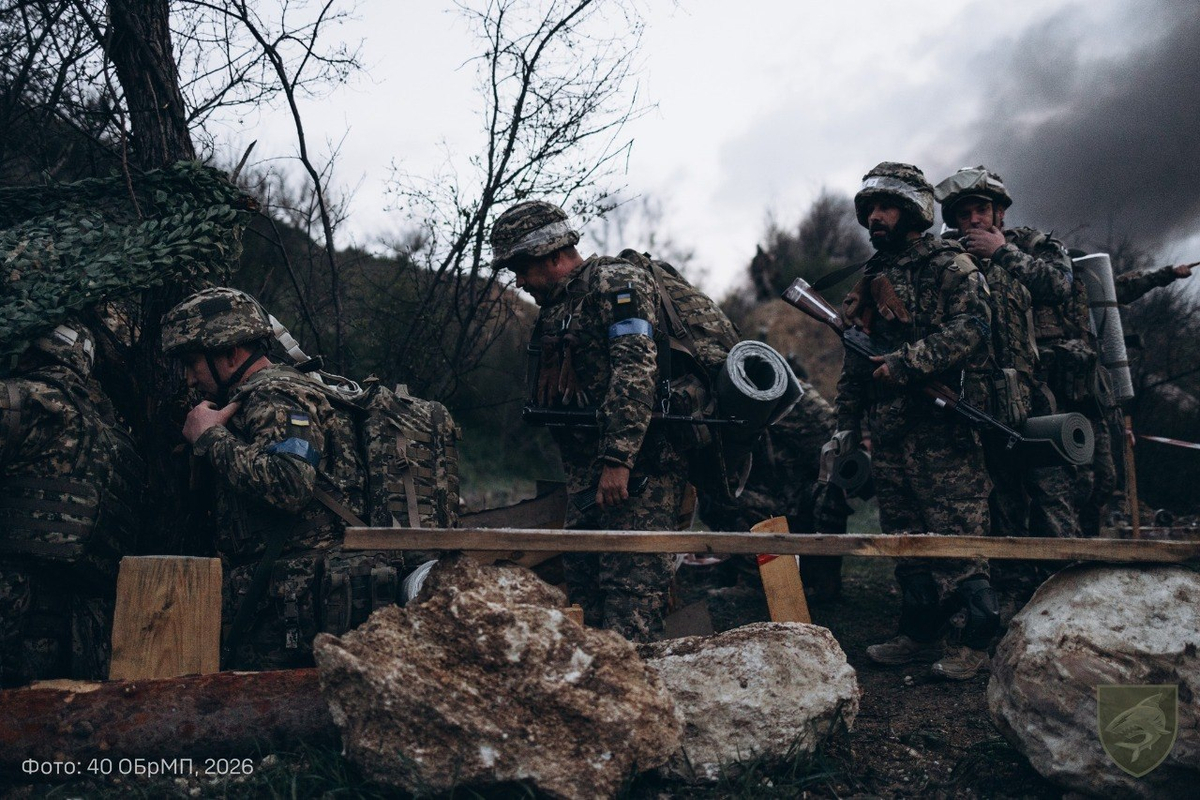
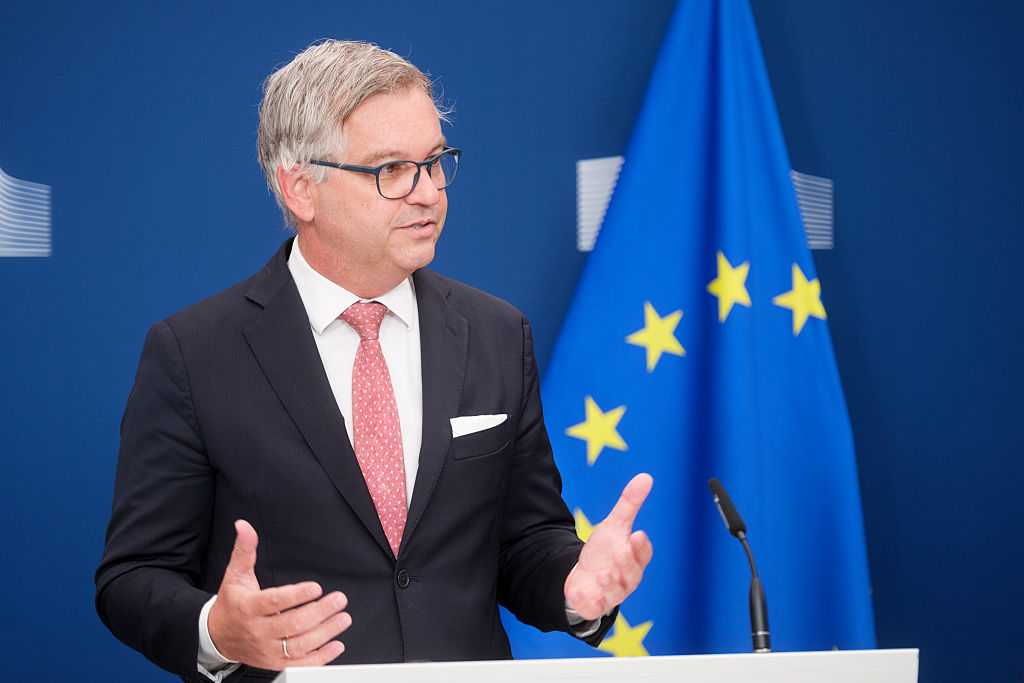
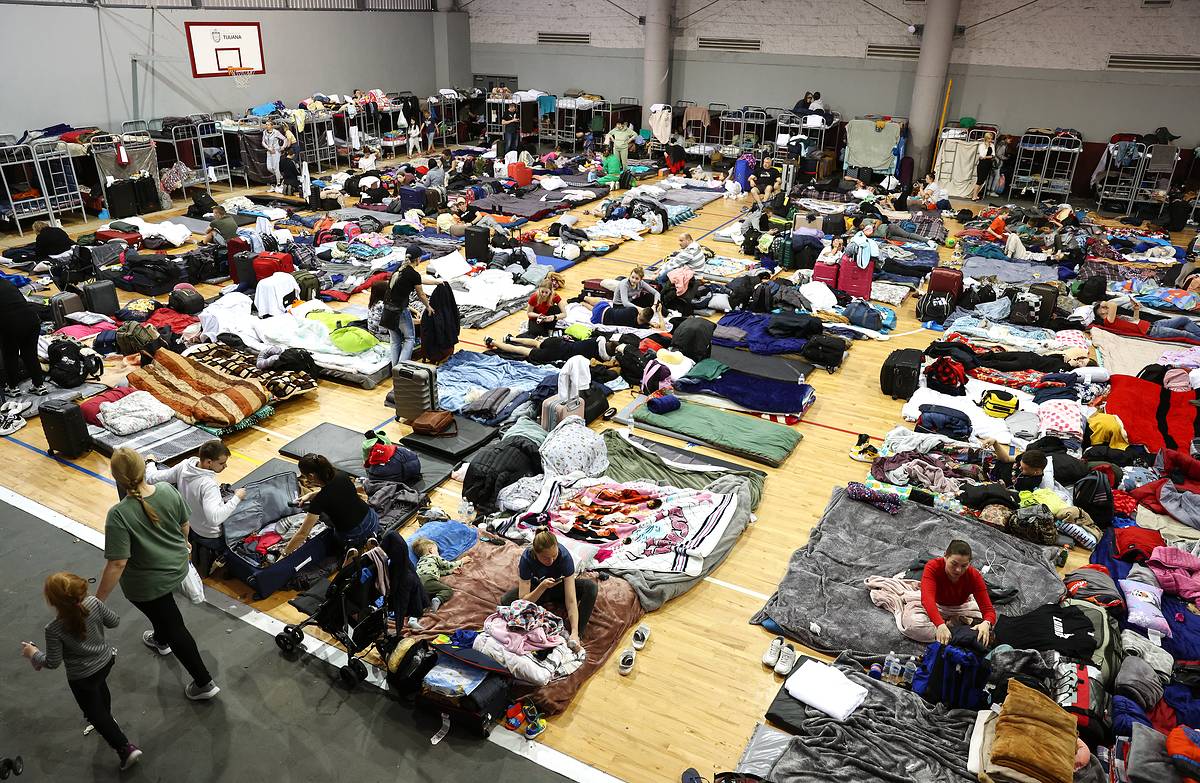
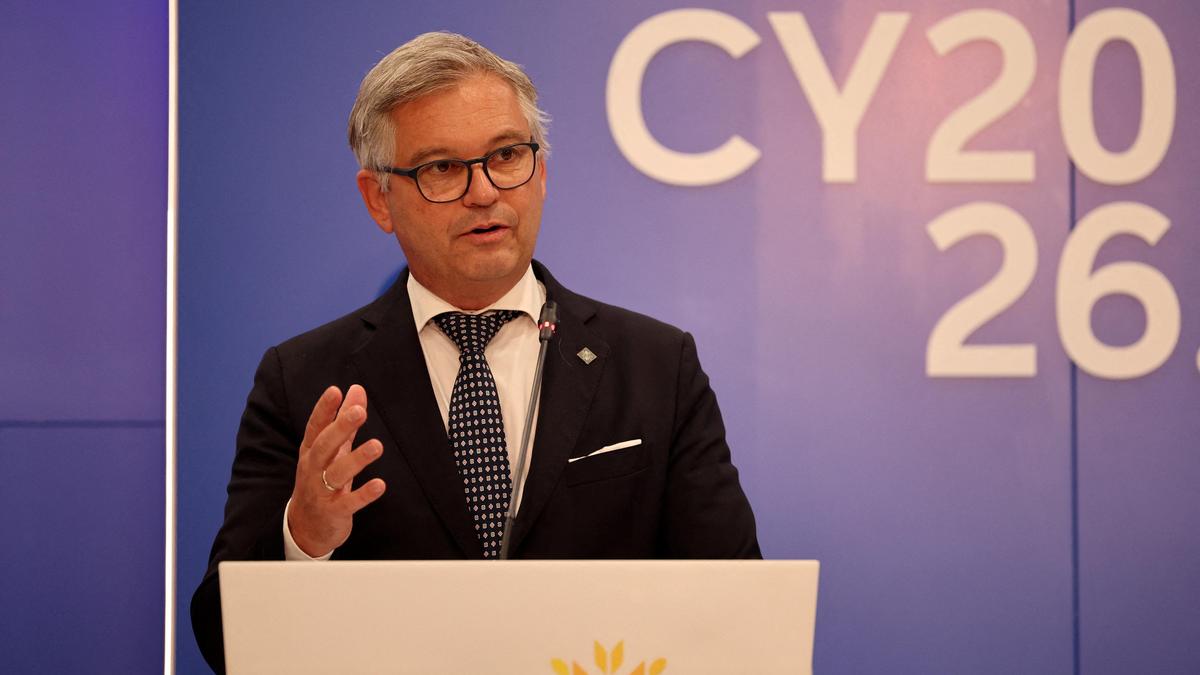
The EU on Friday (June 26, 2026) proposed stopping granting Ukrainian men of fighting age refugee protection to settle in the bloc, while extending the right beyond 2027 for others from the country.Brussels said the change follows a request from Kyiv, whose army has struggled with manpower shortages as Russia's war of invasion grinds into a fifth year."Our proposal provides that temporary protection should not be granted to newly arriving persons who are not allowed to leave Ukraine because of their military obligations," Magnus Brunner, the European Union's internal affairs chief told journalists.The 27-nation EU granted Ukrainians temporary protection after Russia's full-scale invasion in 2022, a measure rolled over several times and currently set to expire next March.About 4.4 million people currently benefit from the scheme, which grants them residence permits, the right to work, and access to medical assistance, social welfare and education.Under the commission's proposal the welcome will be extended until March 2028, including for military-age men already living in the bloc.But newcoming males aged 23 to 60 — who are prohibited from leaving the country under Ukraine's martial law — will be excluded from the scheme once the plan is adopted by EU member states, the commission said, noting that, however, they will still be able to apply for asylum.Brussels said it will also develop a pilot programme to support Ukrainians who wish to return home with practical support in areas such as jobs, housing, and education."As the war continues, our support must also continue," Mr. Brunner said, adding that the commission's proposal took into account "Ukraine's evolving defence needs and recovery needs.""This is something the Ukrainians asked us to do," he said of the decision to limit protection for men of fighting age.Adult men account for about 27% of all Ukrainians currently benefiting from EU protection, with women making up 43% of the total and minors another 30%, according to EU data.Germany, Poland and the Czech Republic host the largest communities. Published - June 26, 2026 10:05 pm IST