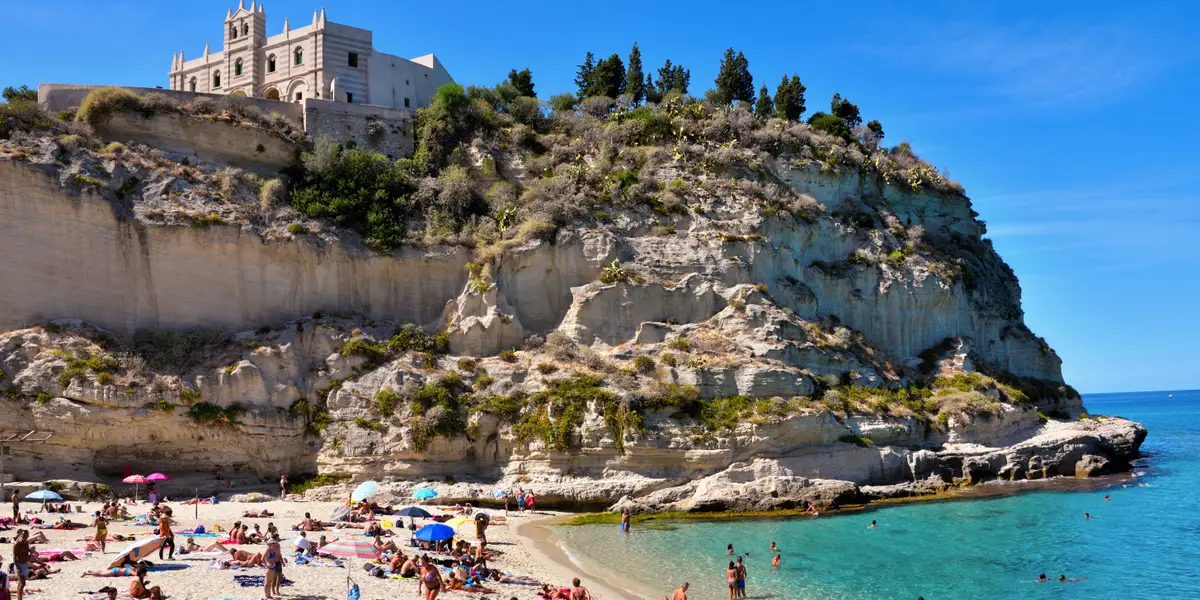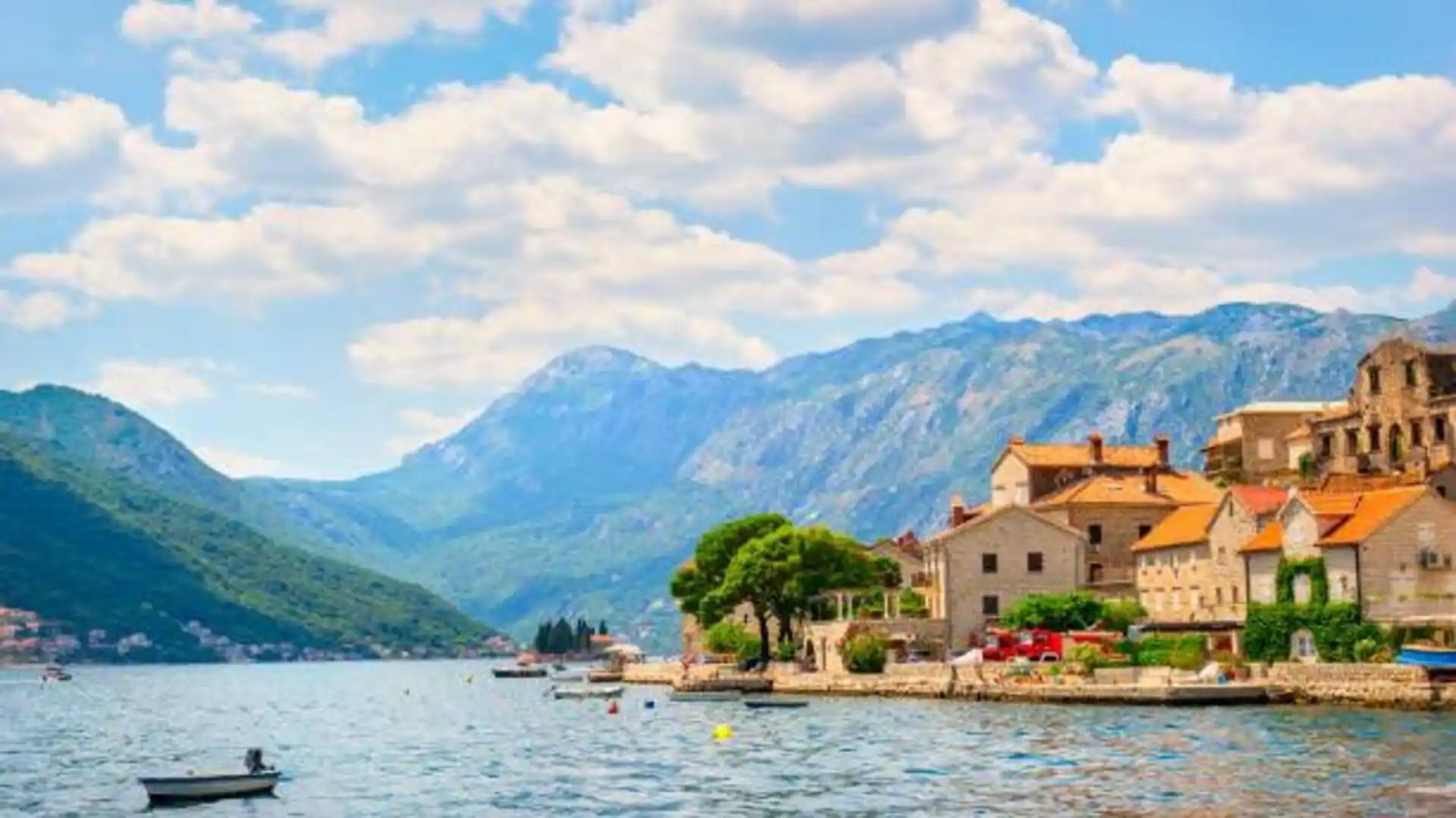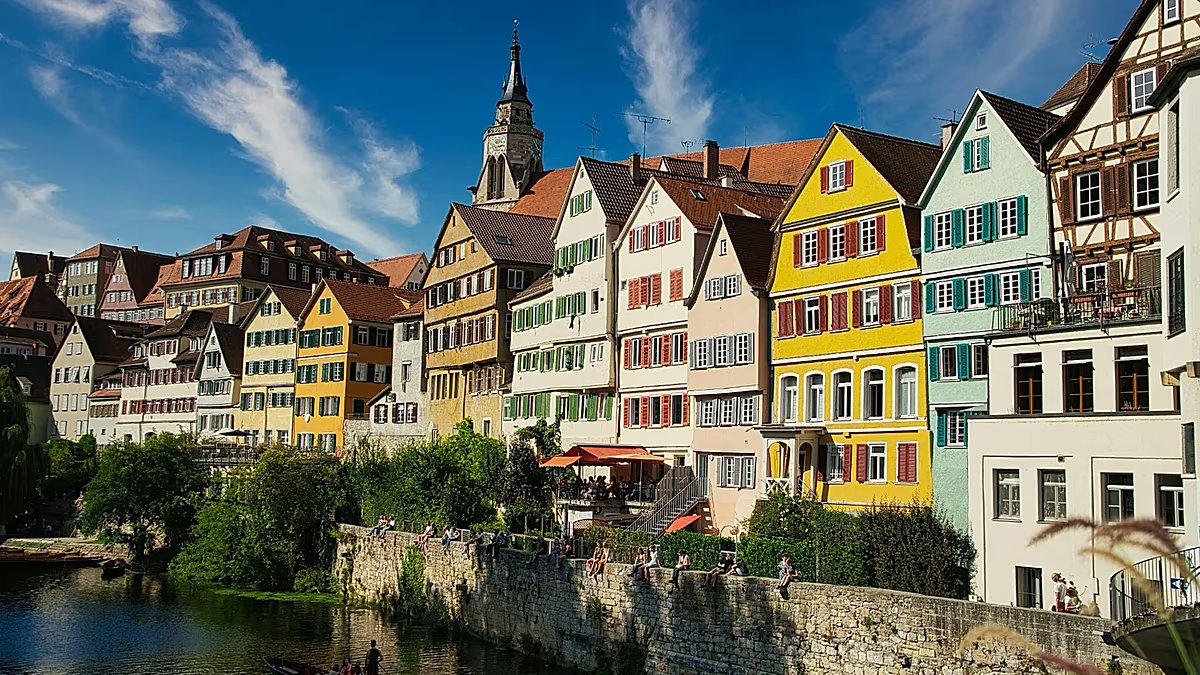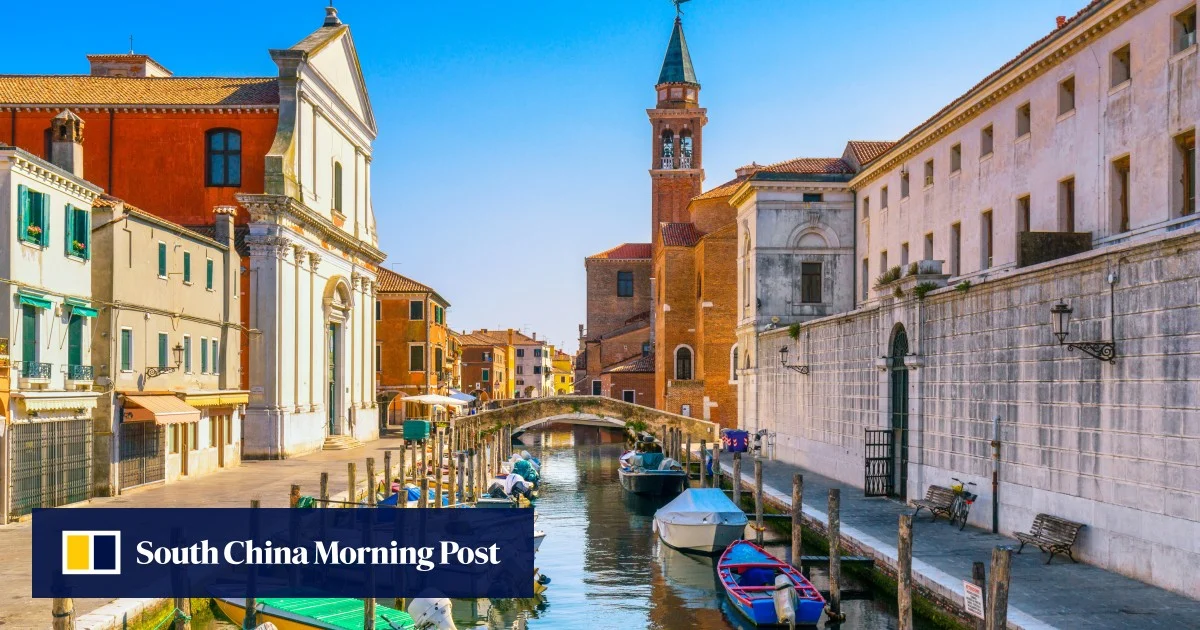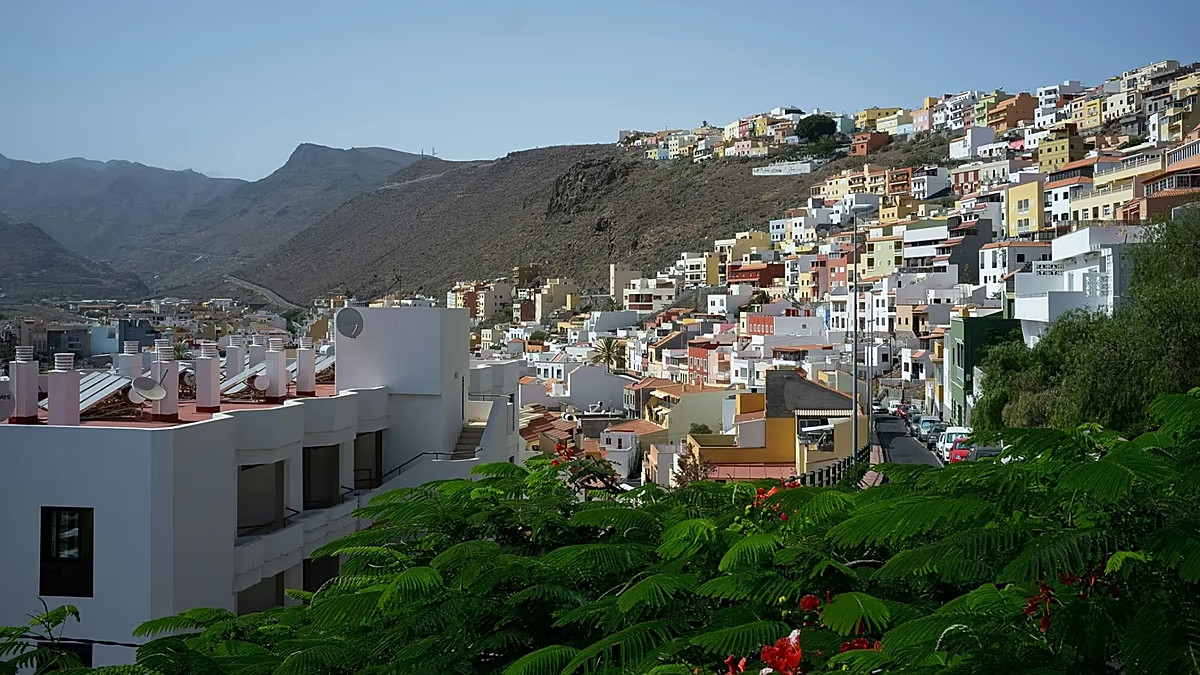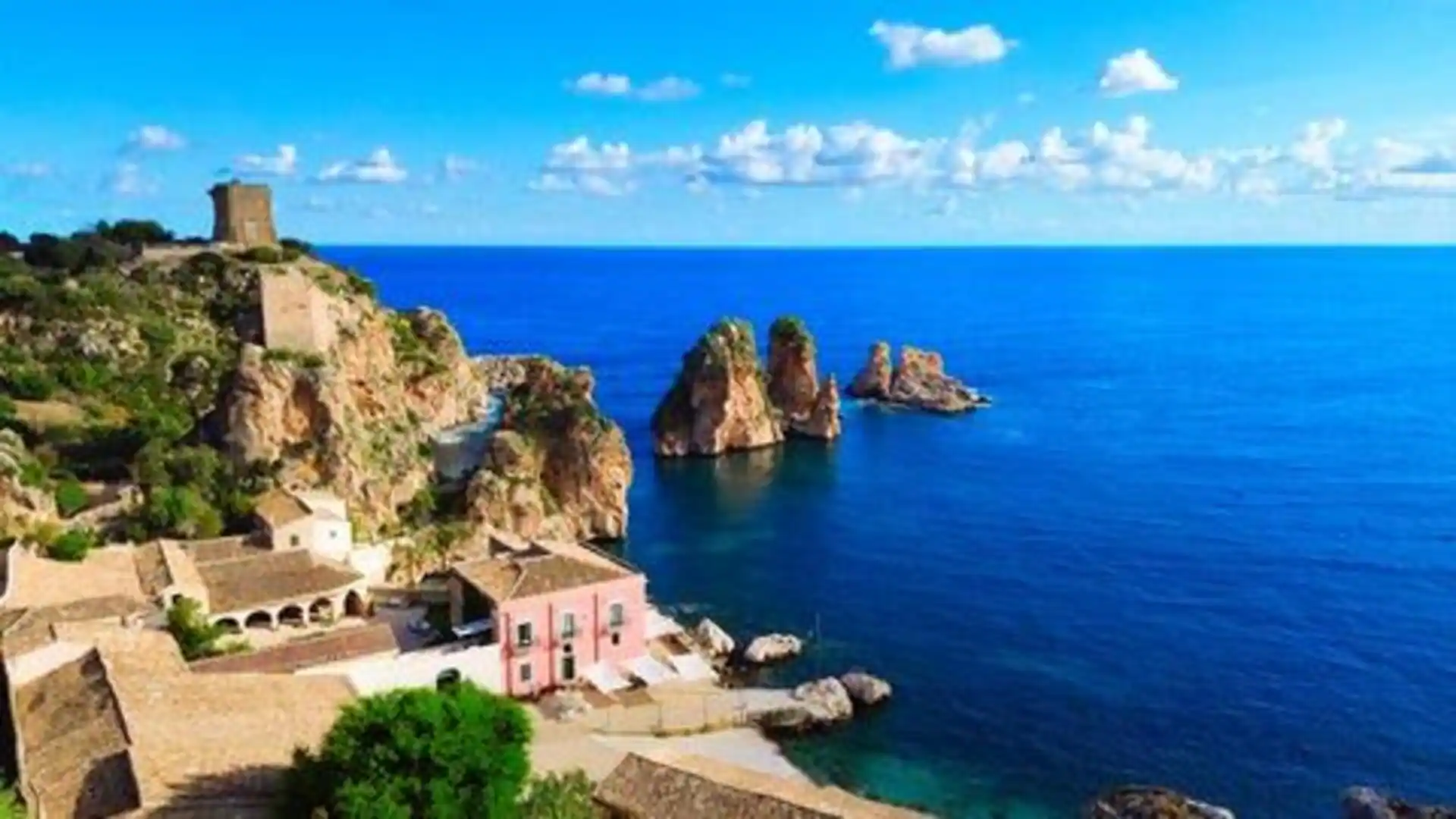
The most photographed stretch of the Amalfi Coast now sees more than 14,000 visitors per day during peak summer months. Santorini imposes cruise ship caps. Dubrovnik has asked day-trippers to stay away. The places that once defined the dream of a coastal escape — whitewashed walls, empty harbors, fish pulled fresh from the water — have in many cases become theme-park versions of themselves, managed for throughput rather than experience.
This is not a new problem, but it is an accelerating one. Social media has compressed the timeline between "hidden gem" and "overrun." A single viral post can send visitor numbers climbing within weeks. Infrastructure built for 10,000 annual visitors buckles under 200,000. Housing prices follow, and the fishing families who gave a place its character are gradually priced out, replaced by souvenir shops and short-term rentals.
But coastlines are long, and the world is full of towns that have not yet crossed that threshold. They exist on every inhabited continent — in the fjords of Norway, the rice-paddy coastlines of Vietnam, the volcanic shores of the Azores, the long forgotten fishing ports of southern Chile. What they share is not obscurity for its own sake, but the quality of life that comes before mass tourism arrives: restaurants that serve what the boats brought in that morning, guesthouses run by families rather than hotel chains, streets where the sound of the sea competes only with ordinary human activity.