Industry data revamp
| Photo Credit:
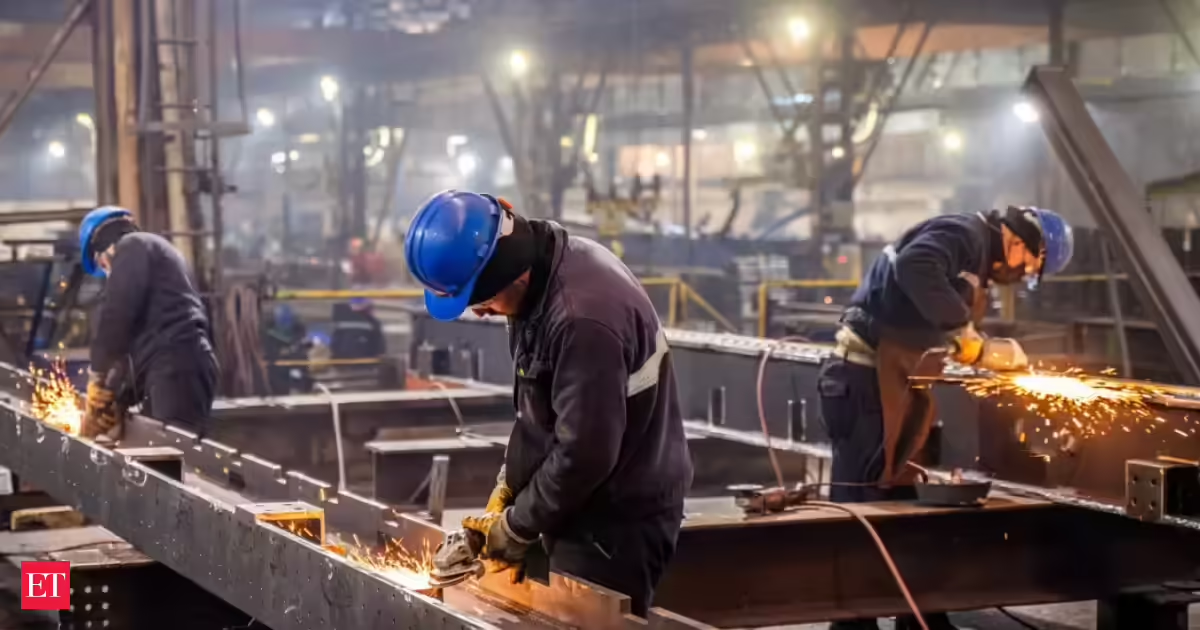
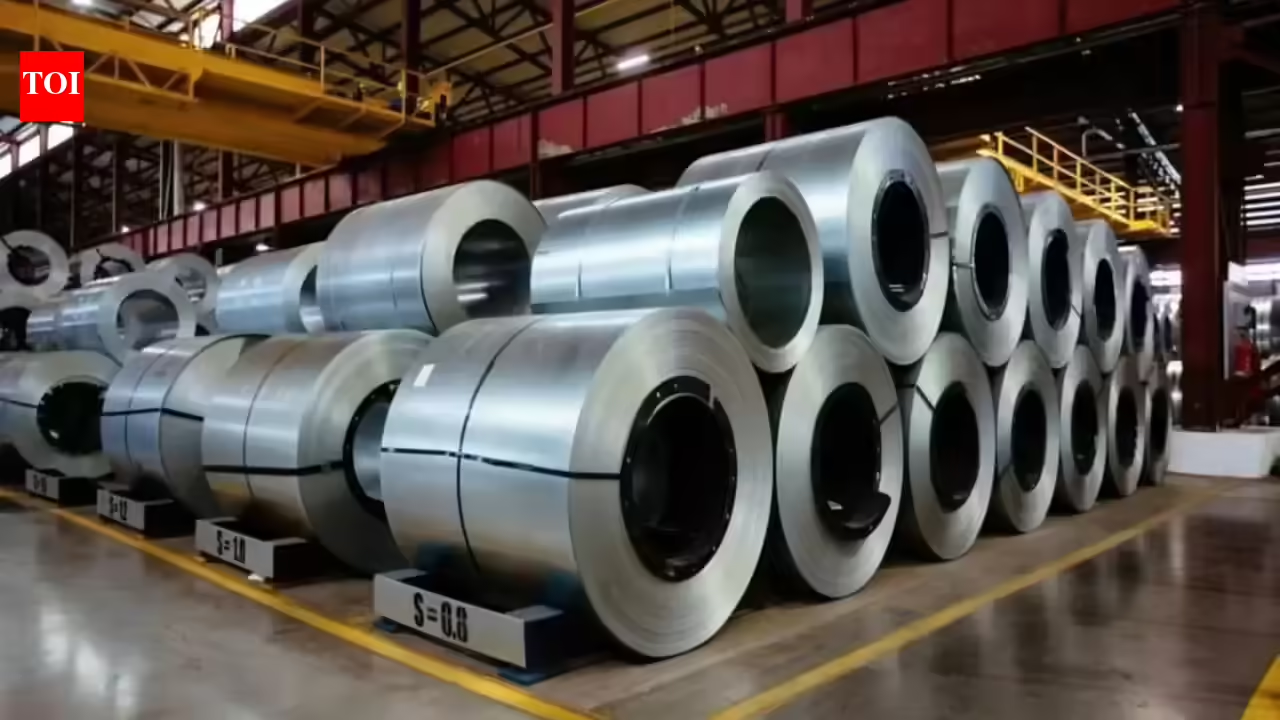
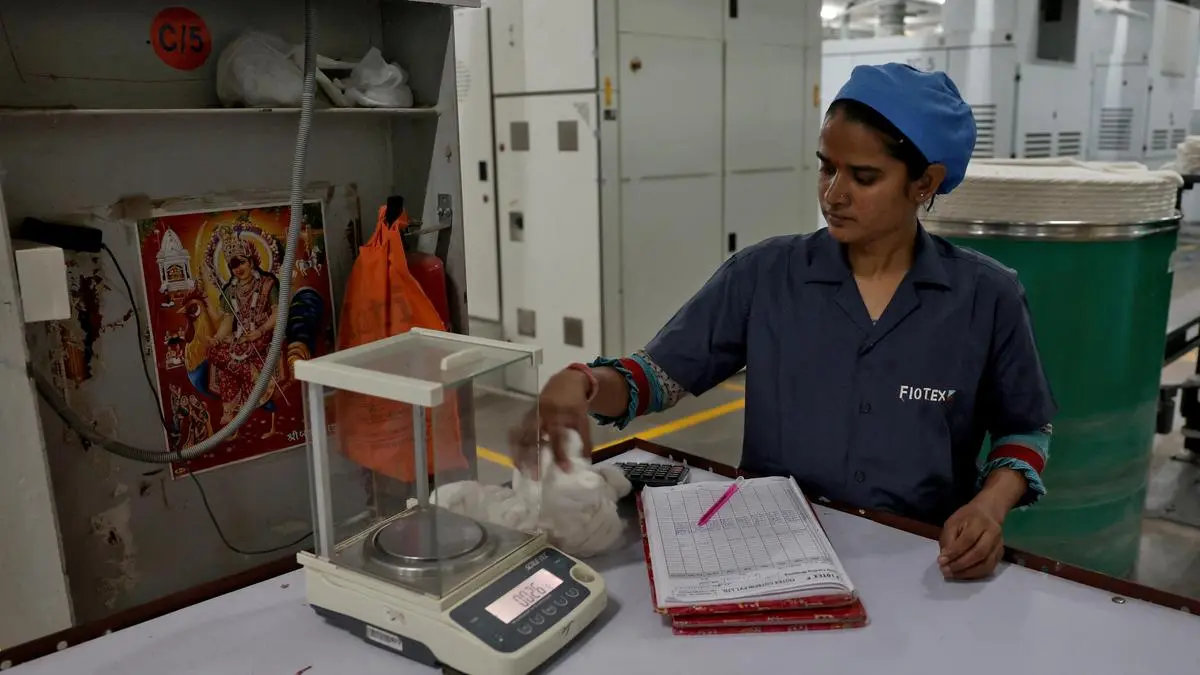
The new index of industrial production (IIP), unveiled on Monday with the release of the April figures, marks a watershed in data reforms. The factory output data for April, captured now by a more granular and contemporary data base, suggests that the impact of the war has been less than catastrophic. An industry growth rate of 4.9 per cent is led by manufacturing (6.2 per cent), but pulled down by mining (minus 5.1 per cent). Manufacturing sector growth has been led by motor vehicles, electricals, computers and machinery. Signs of a recovery in manufacture of chemicals, a sector whose fortunes are tied up with the Iran war, are encouraging. However, April data is not strictly comparable with earlier periods, in view of the altered composition of the index. For now, it tells us that industrial output linked to supplies from China or elsewhere has been less impacted.The new index has been constructed with 2022-23 as base year. IIP was last revised way back in 2014, with 2011-12 as the base year; since then, there have been notable structural changes in Indian industry. In order to reflect the current and evolving reality, the new index has included 120 new item groups and weeded out 63. As a chain index (earlier, a fixed base index), it is meant to accommodate swift changes in a fluid world order, such as the emergence of new sectors or the diminution of existing ones.Overall, 1,042 products have been mapped to 463 item groups, against 837 items to 407 item groups in the 2011-12 index. A new category — water supply, sewerage and waste management with a weight of 2 per cent — has been included. Minerals includes rare earths as well. The addition of 50 product groups in manufacturing, from 405 to 455, marks a significant updation effort. Electricity has been split into renewables and non-renewables to measure the output of each, providing information on emission-related reforms.However, the new index can be fine-tuned; the report of the committee concerned makes some useful suggestions. First, the IIP series should be ‘deseasonalised’, with a unit being set up for this task at the Ministry of Statistics. Second, the Annual Survey of Unorganised Sector Enterprises, which began about five years ago, can work towards creating industry-level indicators which can be synced with IIP to capture total industrial output. This could take time, but is very important. Third, GST data can be used to develop business registries over the next two years. It can plug data gaps, given that the new IIP seeks to capture changes in output composition quickly, and might be hampered by lags in Annual Survey of Industries data. The use of accurate deflators to match the new IIP categories is a crucial requirement, for which a producer price index is necessary. These gaps should be addressed, so that the new IIP can reliably guide policymakers.Published on June 2, 2026