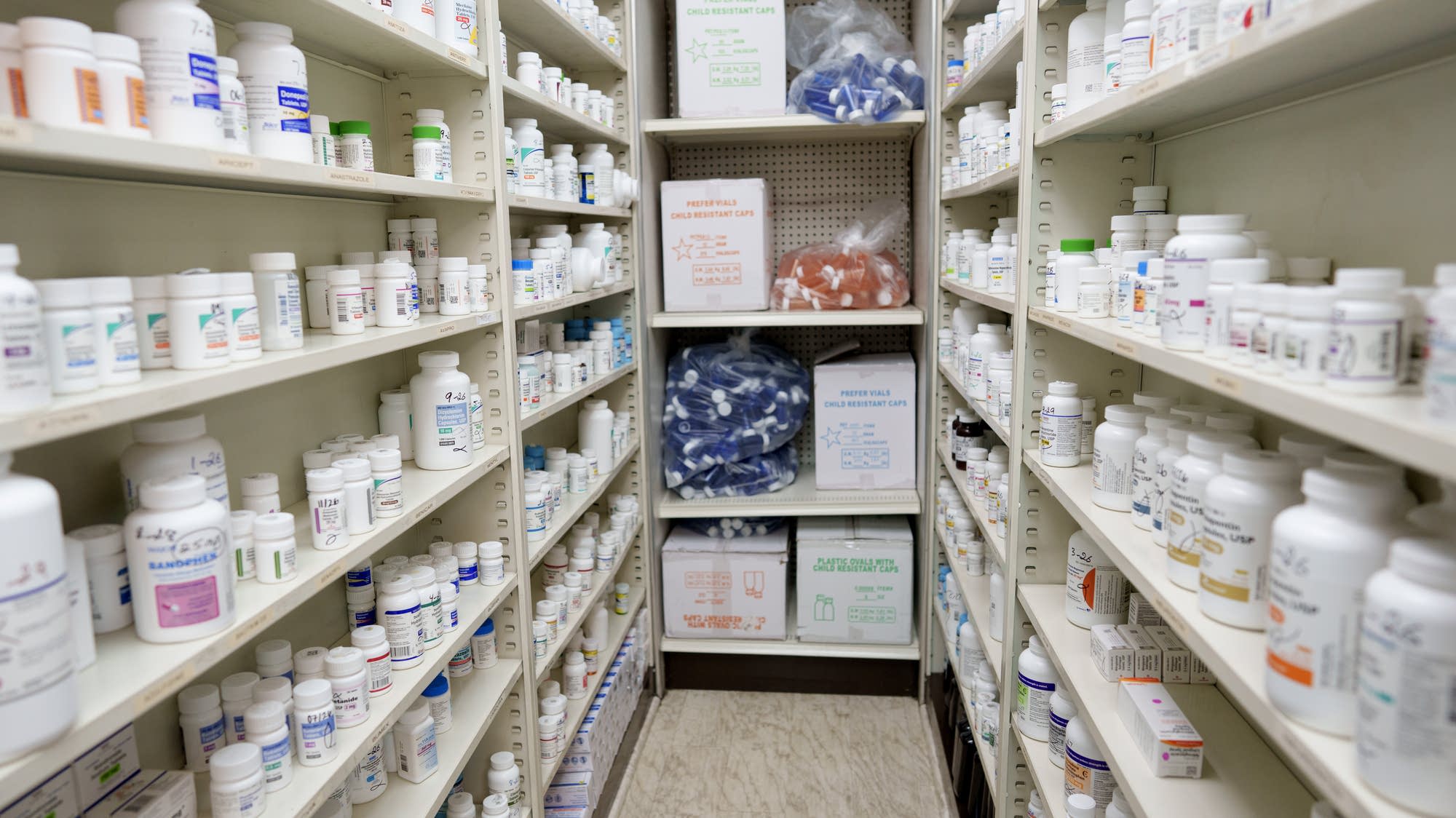
For many patients, taking a controlled medication feels like any ordinary medical decision. You're prescribed something for sleep, anxiety, ADHD, or pain. You're counseled on risks and side effects. You pick it up from the pharmacy and assume the transaction ends there.
What patients are not routinely told is that once that prescription is filled, it becomes part of a state-run monitoring system that tracks controlled medication use across prescribers and pharmacies, information that can shape how clinical encounters unfold. These databases, known as Prescription Drug Monitoring Programs (PDMPs), exist in every state and are widely used in clinical practice.
As a psychiatric nurse practitioner in New York, I routinely check this system, often because it's required. Within seconds, I can see whether a patient has recently filled prescriptions for medications like benzodiazepines, opioids, or stimulants, along with the date dispensed, quantity, prescriber, pharmacy, and method of payment. It offers an unusually transparent view into a person's medication history, a stark contrast to what clinicians are trained to rely on -- the patient's own account. That visibility can shape the clinical encounter before it has fully begun.