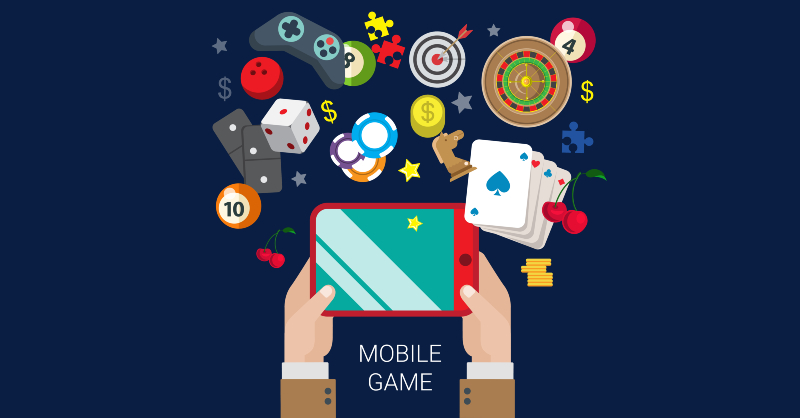
Smartphones, app ecosystems, digital wallets, and high-speed connectivity turned online gaming into an accessible consumer technology product capable of reaching millions of users in real time. As regulation expanded across states, including New Jersey, Michigan, and Pennsylvania, operators already had the mobile infrastructure needed to scale quickly. The result is an industry that increasingly resembles fintech and mobile entertainment rather than traditional gaming.
Smartphones turned online gaming into a scalable mobile product
Online gaming only became truly scalable once it became mobile-native. Earlier products relied heavily on desktop usage and slower onboarding processes. Mobile apps changed that by integrating gaming into the same devices consumers already used for banking, streaming, shopping, and social media.
Convenience accelerated adoption, but distribution mattered just as much. Apple and Android app ecosystems gave operators direct access to massive mobile audiences while simplifying downloads, updates, payments, and account management. Companies no longer needed users to seek out desktop platforms actively. The product already lived inside broader mobile behavior patterns.