Expenditure on fertiliser subsidies surged in April, with urea subsidy rising by over 56 per cent and nutrient-based fertiliser subsidy increasing 19 per cent
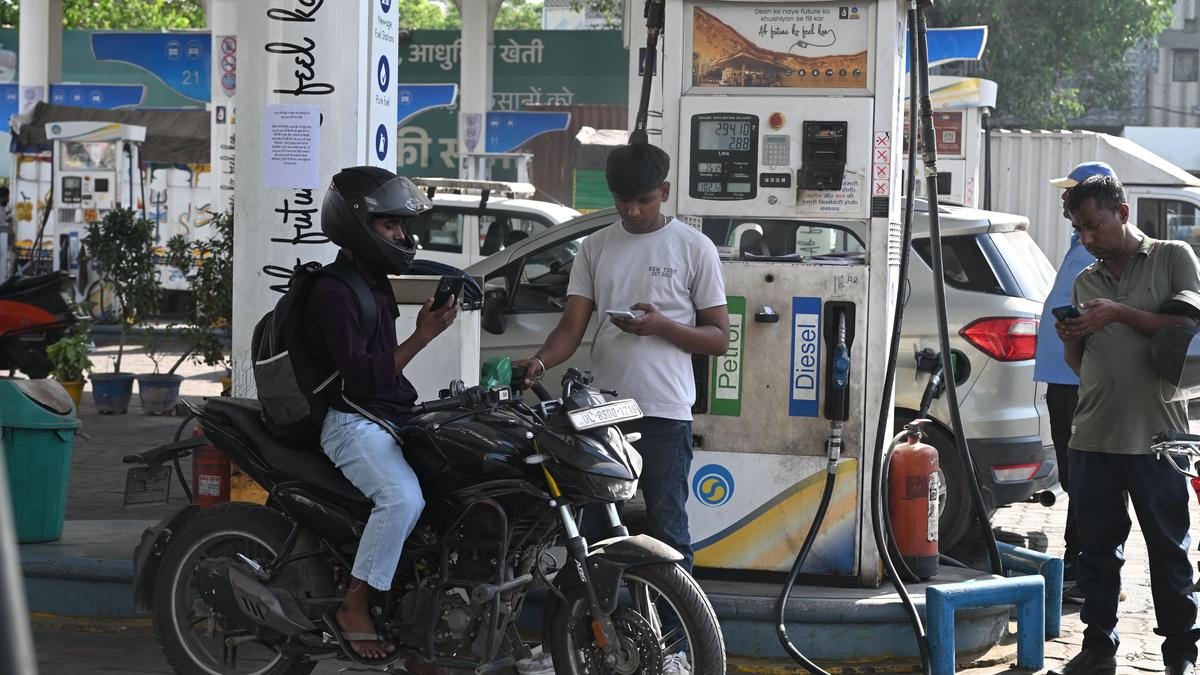
Despite a ₹10/litre cut in levies on petrol and diesel, Central excise collections in April rose to ₹447 crore from a negative ₹39 crore in the corresponding month of the previous fiscal, data from the Controller General of Accounts (CGA) showed. The April collection is the highest in three years and the second-highest in seven years.At the same time, expenditure on fertiliser subsidies surged in April, with urea subsidy rising by over 56 per cent and nutrient-based fertiliser subsidy increasing 19 per cent.The bulk of Central excise revenue comes from petrol, diesel, jet fuel and domestic crude oil, but global price fluctuations affect these products differently because of their tax structures. Petrol and diesel are taxed at a specific rate per litre, meaning global price volatility has no direct impact on tax collections from these fuels. However, consumption volumes do influence revenue to some extent. In contrast, jet fuel, or aviation turbine fuel (ATF), is taxed on an ad valorem basis, as a percentage of its market value.According to data from the Petroleum Planning and Analysis Cell (PPAC), petrol consumption increased by over 6 per cent in April, while diesel consumption rose by around 1 per cent. Sources said that given the modest growth in volumes, it appears that some refunds may have been deferred, benefiting Central excise collections.It may be noted that on the day the duty cut was announced (March 27), officials estimated a net revenue loss of ₹5,500 crore during the first fortnight after accounting for windfall gains.Fertilizer SubsidyAt the same time, higher acquisition costs of imported urea and rising domestic production costs pushed urea subsidy outgo to around ₹20,000 crore, compared with over ₹12,600 crore a year ago. The import price of urea for India rose to over $950 a tonne from around $530 a tonne in February, resulting in a higher subsidy burden. Subsidy expenditure on nutrient-based fertilisers also increased to over ₹2,200 crore from around ₹1,880 crore.According to Devendra Pant, Chief Economist at India Ratings & Research, outgo on food and fertilizer subsidies increased 50.7 per cent, resulting in a 94.4 per cent year-on-year rise in the fiscal deficit during the month. However, he said that “one month’s data does not indicate the trend of public finances, which are likely to be under pressure due to excise duty cut on petrol and diesel, and likely higher petroleum and fertilizer subsidies”.“We are concerned about the fiscal deficit outcome for April, particularly the expenditure run-rate,” said Aastha Gudwani, India Chief Economist at Barclays. While there is likely an element of frontloading in the data as the government seeks to address the macroeconomic implications of the prolonged West Asia conflict, “this poses early risks to our base view that the fiscal deficit target for FY27 will be met”, she added.Published on June 2, 2026