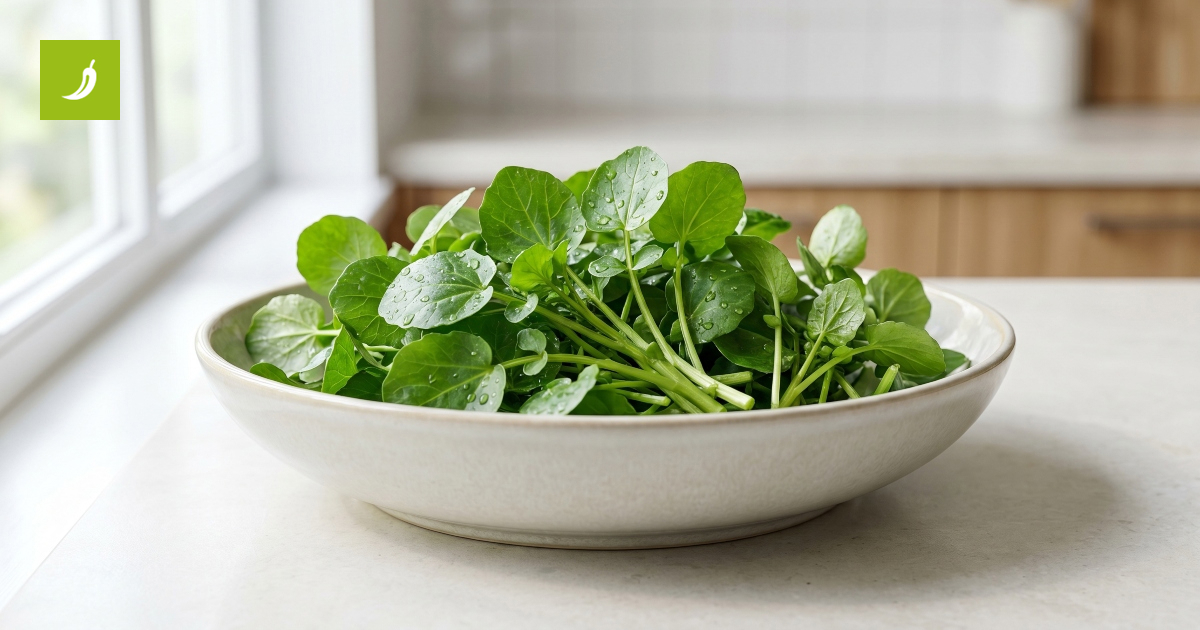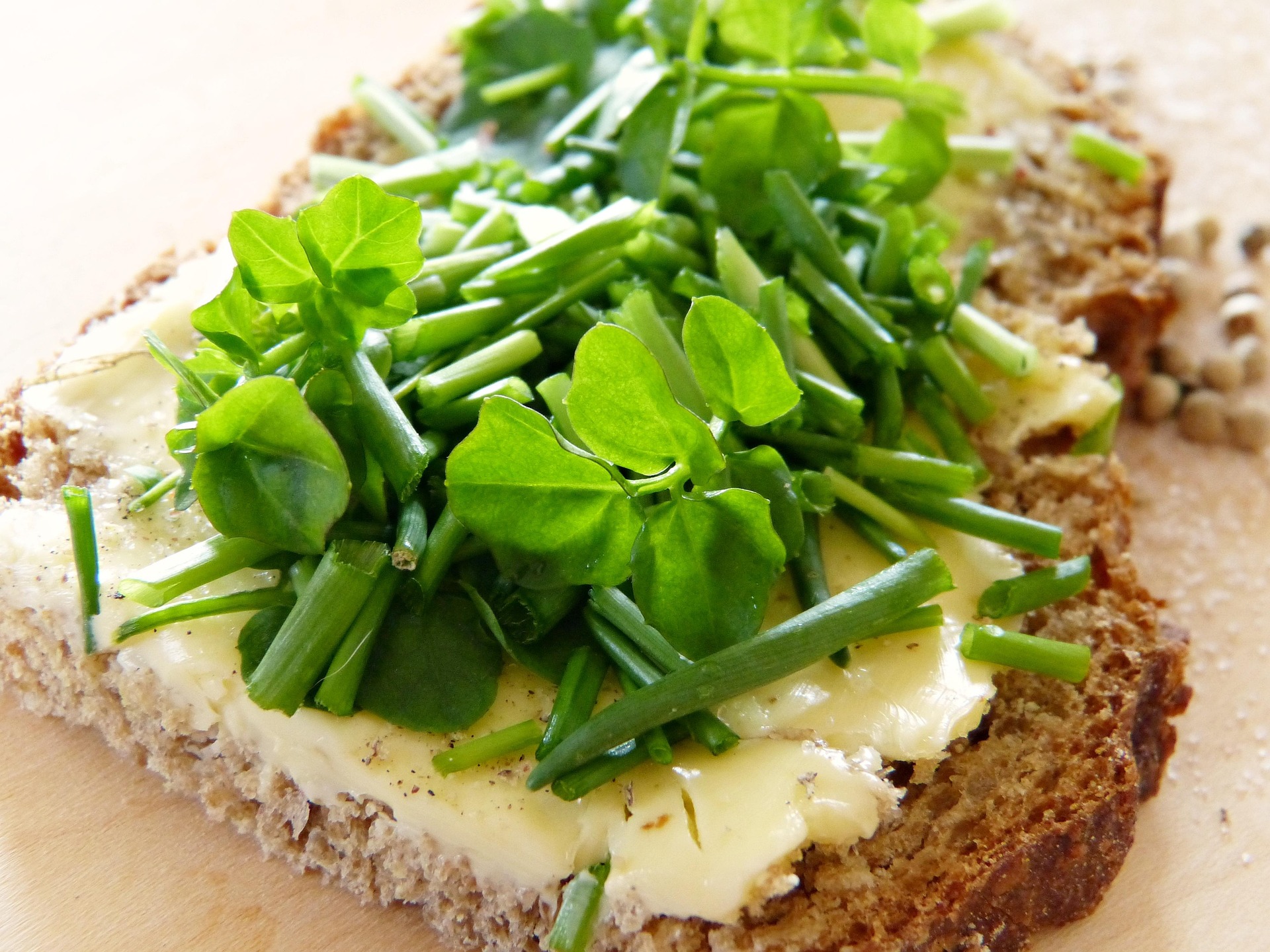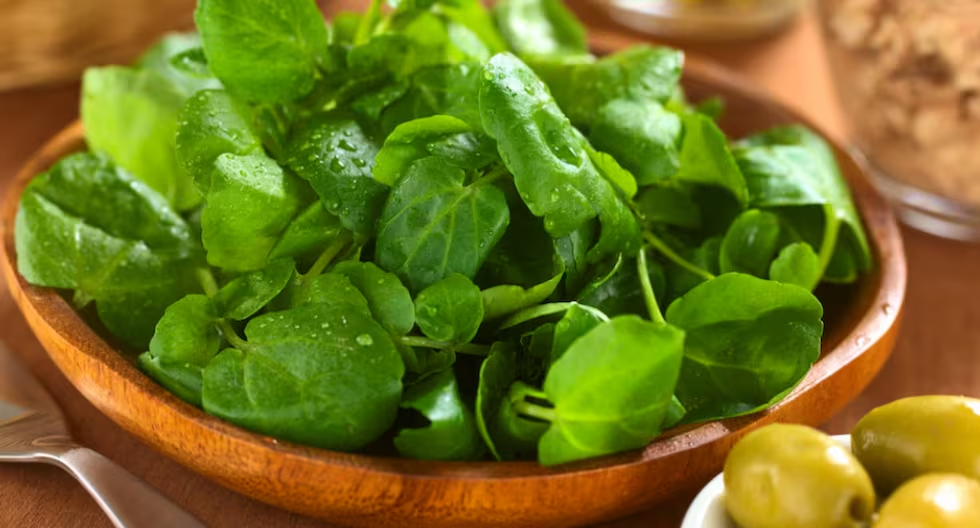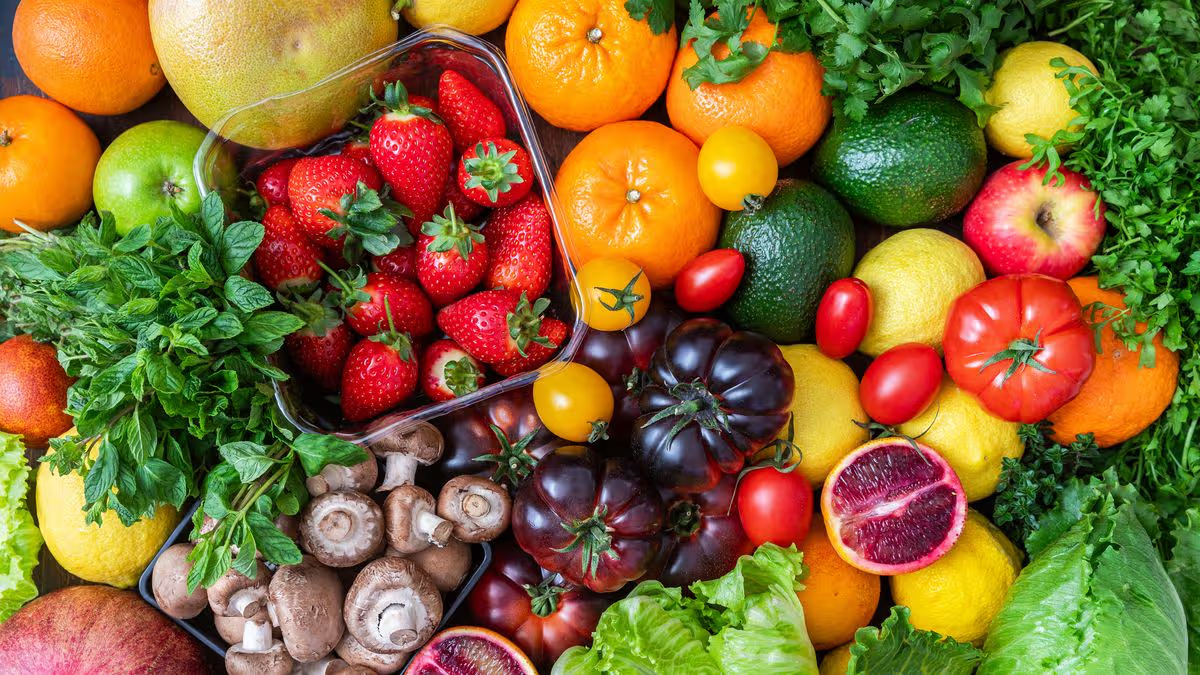
You can easily pick up this vegetable in any supermarket — it's not expensive16:01, 02 Jun 2026Updated 16:24, 02 Jun 2026Scientists have compiled a list of the most nutrient-dense vegetables on the planet — and one comes out at the very top. A study published by the Centers for Disease Control and Prevention (CDC) sought to rank vegetables based on the nutrients they contain and the density with which those nutrients are found.Only one vegetable scored a perfect 100 — and it's not some obscure, expensive food you need to hunt down in speciality stores. The vegetable in question is, in fact, watercress. The leafy veg, which has a distinctive peppery flavour, beat Chinese cabbage, chard, beetroot greens and spinach to the top spot.Part of the Brassicaceae family, it’s closely related to cabbage, kale, radish and mustard. Its Latin name, Nasturtium officinale, is translated as "nose twister", possibly in reference to its punchy, peppery taste. Although watercress is not that frequently used in many countries, in Britain it is commonplace and popular and available in supermarkets for around £1 a bag. In fact, it has been grown and eaten in Britain for hundreds of years and there is even a festival in its honour in the Hampshire town of Alresford, "the watercress capital of the UK".Dr Amy Lee, head of nutrition for nutrition firm Nucific, told Delish: "Watercress has a lot of health benefits. It’s high in vitamin A and potassium, more so than your typical lettuce."It is also high in vitamin C, a source of calcium, iron and vitamin E, as well as vitamin K and vitamin B6.The CDC report studied more than 40 "powerhouse fruits and vegetables", which it described as "foods most strongly associated with reduced chronic disease risk". Scientists first drew up "a tentative list" of these foods based on existing scientific literature and consumer guidelines then calculated a nutrient density score for each food.In general, they said: "Items in cruciferous (watercress, Chinese cabbage, collard green, kale, arugula [known as rocket in the UK]) and green leafy (chard, beet green, spinach, chicory, leaf lettuce) groups were concentrated in the top half of the distribution of scores, whereas items belonging to yellow/orange (carrot, tomato, winter squash, sweet potato), allium (scallion, leek), citrus (lemon, orange, lime, grapefruit), and berry (strawberry, blackberry) groups were concentrated in the bottom half."Article continues belowWhat to cook with watercressWatercress is most commonly used as the base for salads and soups. But you can also make a delicious pesto out of watercress, in less time than it takes to cook the pasta — recipe here.The CDC list of world's healthiest fruits and vegetablesThis table ranks the foods by their nutrient density score (out of 100).Watercress 100Chinese cabbage 91.99Chard 89.27Beet green 87.08Spinach 86.43Chicory 73.36Leaf lettuce 70.73Parsley 65.59Romaine lettuce 63.48Collard green 62.49Turnip green 62.12Mustard green 61.39Endive 60.44Chive 54.80Kale 49.07Dandelion green 46.34Red pepper 41.26Arugula 37.65Broccoli 34.89Pumpkin 33.82Brussels sprout 32.23Scallion 27.35Kohlrabi 25.92Cauliflower 25.13Cabbage 24.51Carrot 22.60Tomato 20.37Lemon 18.72Iceberg lettuce 18.28Strawberry 17.59Radish 16.91Winter squash (all varieties) 13.89Orange 12.91Lime 12.23Grapefruit (pink and red) 11.64Rutabaga 11.58Turnip 11.43Blackberry 11.39Leek 10.69Sweet potato 10.51Grapefruit (white) 10.47
World's healthiest vegetable named by scientists
You can easily pick up this vegetable in any supermarket — it's not expensive
511 words~2 min read